
No products in the cart.
Colgate Dental Care, Dental Care, Personal Care News
Is Colgate Toothpaste Vegan And Cruelty Free
Colgate toothpaste presents a unique ethical dilemma for conscientious consumers striving to align their oral care choices with cruelty-free and vegan standards.
Table of Contents
Ethical Concerns with Colgate
Animal Testing Practices
Despite Colgate producing some vegan-certified lines such as Colgate Zero and Smile for Good, the company does not meet accepted cruelty-free standards. This is primarily due to its policy of conducting animal testing when legally required, particularly for sales in countries like China, where such testing is often mandated for specific product categories such as functional toothpastes.
This practice is a major barrier to certification from organizations like Leaping Bunny and PETA, both of which require complete avoidance of animal testing at all stages of product development and international sale.
Vegan Product Lines
Colgate does offer a few lines that are sustainably produced and certified vegan:
- Colgate Zero – A fluoride toothpaste line with no animal-derived ingredients and third-party vegan certification.
- Smile for Good – This range also features simplified ingredients, free of animal derivatives, and has earned vegan certification.
Issues with Mainstream Toothpastes
Most common Colgate toothpaste products pose challenges for vegan users:
- Glycerin – The source is often unclear, and it can be either plant- or animal-based.
- Propolis – An ingredient derived from bees, making the product non-vegan.
Company Investments in Alternatives
Colgate has reported annual investments exceeding $1 million in the research and implementation of alternative testing methods. However, its overarching business strategy favors maintaining access to global markets, even if that includes complying with animal testing mandates.
Better Alternatives for Ethical Consumers
Fortunately, there are several toothpaste brands that meet both cruelty-free and vegan certifications. These companies avoid animal testing entirely and disclose ingredient sources clearly:
- Hello Products – Offers a fully vegan line, certified cruelty-free by Leaping Bunny and PETA.
- Dr. Bronner’s – Known for organic and ethical formulations, all certified vegan and cruelty-free.
- Jason Natural Products – Provides fluoride and fluoride-free options with fully vegan and transparent formulations.
For consumers seeking ethical alternatives without compromising on oral health, these brands provide trustworthy solutions.
The Truth About Colgate’s Animal Testing Practices
I must address one of the most pressing concerns for ethical consumers: Colgate’s stance on animal testing remains a significant barrier for those seeking truly cruelty-free oral care options. While Colgate-Palmolive states they’re committed to working toward eliminating laboratory safety testing using animals, their current policy contains critical loopholes that prevent them from achieving genuine cruelty-free status.
Colgate’s Current Animal Testing Policy
Colgate’s policy explicitly allows animal testing when required by government agencies or by law. This clause creates a fundamental problem for consumers who want to support companies that completely reject animal testing. The company continues to sell products in markets where animal testing is mandated by local regulations, which means they can’t claim to be entirely cruelty-free.
I’ve found that this policy prevents Colgate from obtaining certification from major cruelty-free organizations like Leaping Bunny or PETA. These organizations require companies to commit to never testing on animals, regardless of legal requirements in different countries. Colgate’s willingness to comply with animal testing laws when necessary disqualifies them from these certifications.
Investment in Alternative Testing Methods
Despite these limitations, I should note that Colgate does invest in developing alternatives to animal testing. The company funds research into non-animal test methods, investing over $1 million annually in this area. This investment demonstrates some commitment to reducing animal testing, though it doesn’t eliminate the practice entirely.
However, this investment feels insufficient when compared to the company’s overall revenue and their continued participation in markets that require animal testing. Companies that are truly committed to ending animal testing often:
- Make more substantial financial commitments
- Refuse to sell in markets with mandatory animal testing requirements
Unlike strictly cruelty-free brands that completely avoid animal testing, Colgate maintains a more flexible approach that prioritizes market access over animal welfare principles. This strategy allows them to sell products globally but prevents them from meeting the standards that many ethical consumers expect.
For those specifically concerned about Colgate toothpaste vegan credentials, the animal testing issue compounds concerns about ingredient sourcing and manufacturing practices. Even if certain Colgate formulations contain no animal-derived ingredients, the company’s testing practices may still conflict with vegan ethics that extend beyond just ingredient lists.
The reality is that Colgate’s approach to animal testing represents a compromise position that satisfies neither strict animal welfare advocates nor regulatory requirements in all markets. This middle ground means that consumers seeking genuinely cruelty-free products need to look elsewhere for their oral care needs.
I recommend that consumers who prioritize cruelty-free products research brands that have obtained third-party cruelty-free certifications and maintain consistent policies against animal testing regardless of market pressures. These brands typically cost more but offer peace of mind for consumers who want to align their purchasing decisions with their ethical values.
Why Colgate Is Not Considered Cruelty-Free
Colgate-Palmolive fails to meet the standards that animal rights organizations use to define cruelty-free products. PETA includes Colgate-Palmolive on their list of companies that test on animals, which automatically disqualifies the brand from being considered cruelty-free by many consumers who prioritize animal welfare.
Missing Key Certifications
I’ve found that Colgate lacks certification from the most respected cruelty-free organizations. The brand doesn’t hold Leaping Bunny certification, which serves as the gold standard for cruelty-free validation. This certification program requires companies to pledge against all forms of animal testing and commit to avoiding markets where such testing is government-mandated.
Leaping Bunny’s strict requirements also prevent certified companies from selling products in regions where animal testing remains legally required. Additionally, Colgate hasn’t received accreditation from Choose Cruelty Free (CCF), another major organization that evaluates companies’ animal testing practices.
The primary reason Colgate can’t achieve these certifications stems from its business practices in certain international markets. Colgate continues to sell many products in mainland China, where specific cosmetic categories still require animal testing by law. This creates a direct conflict with cruelty-free certification requirements, as companies cannot claim to be cruelty-free while participating in markets that mandate animal testing.
For consumers concerned about both vegan ingredients and animal testing practices, this presents a double concern when evaluating Colgate toothpaste options. The brand’s inability to secure cruelty-free certifications reflects broader corporate decisions about market presence versus ethical positioning.
Companies that genuinely commit to cruelty-free practices typically make strategic decisions to forgo sales in markets requiring animal testing. Colgate’s continued presence in these markets indicates that achieving cruelty-free status isn’t currently a priority for the company’s business strategy.
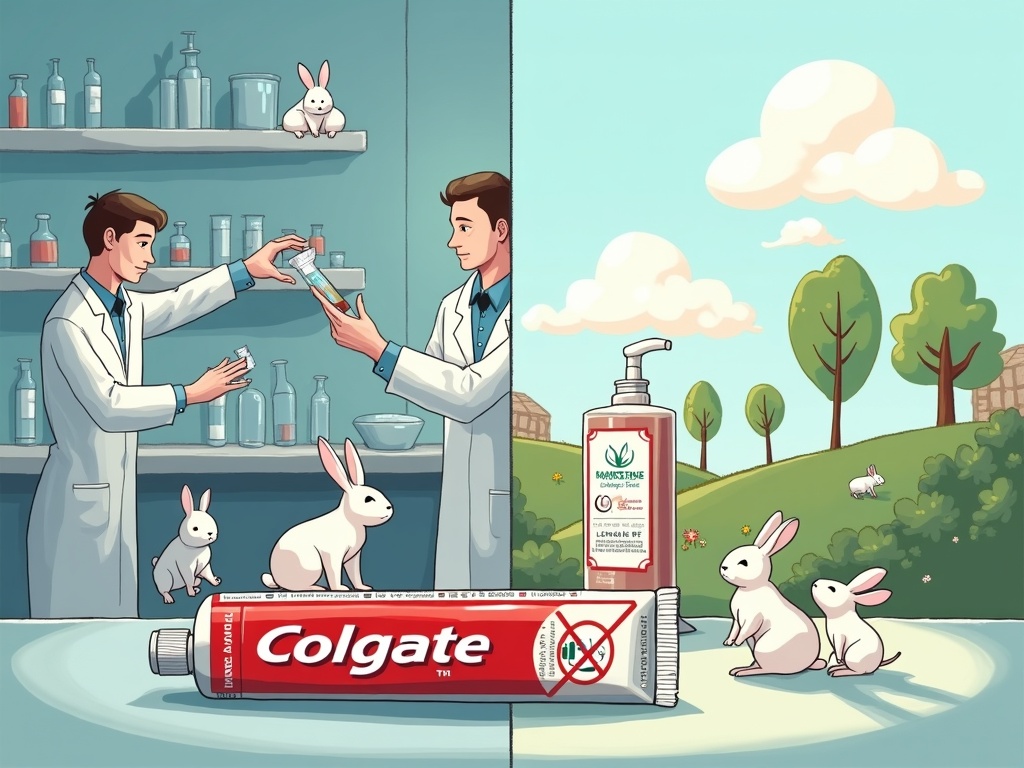
Colgate’s China Market Presence and Testing Requirements
China has historically enforced mandatory animal testing requirements for all imported cosmetics, including toothpaste products. This regulation created significant barriers for brands wanting to maintain cruelty-free status while accessing the lucrative Chinese market.
Recent regulatory changes in May 2021 brought some relief to the cosmetics industry. The updated guidelines now allow certain general cosmetics to bypass animal testing requirements if they meet strict criteria and follow specific protocols. However, these exemptions come with important limitations that directly affect toothpaste manufacturers.
Functional Toothpastes Still Face Testing Requirements
Products making specific claims face different regulatory treatment under Chinese law. Toothpastes marketed with whitening properties, anti-cavity benefits, or gum repair functions often fall into categories that still require animal testing. Since most Colgate products make one or more of these claims, they typically can’t qualify for the testing exemptions.
I’ve found that Colgate maintains a substantial presence in mainland China, which means many of its products must comply with these testing regulations to remain legally available in Chinese stores. The company’s decision to continue selling in China while these requirements exist creates a fundamental conflict with cruelty-free principles.
Major certification bodies like Leaping Bunny and PETA consider any brand that allows animal testing for regulatory purposes to be non-cruelty-free. This stance applies even when the testing occurs at the request of foreign governments rather than the company itself. Colgate’s compliance with Chinese regulations alone prevents the brand from earning these important cruelty-free certifications.
The situation creates a clear conflict for consumers who prioritize animal welfare. While some individual Colgate products might contain vegan ingredients, the brand’s testing practices to meet Chinese market requirements make it incompatible with strict vegan and cruelty-free standards. This regulatory landscape forces consumers to choose between supporting brands that prioritize animal welfare and those that prioritize global market access.
Are Colgate Ingredients Vegan?
I can tell you definitively that mainstream Colgate toothpaste isn’t guaranteed to be vegan. The company doesn’t advertise its major product lines such as Colgate Total or MaxFresh as vegan, which immediately raises red flags for those following a plant-based lifestyle.
Problematic Ingredients in Colgate Products
Several ingredients in Colgate formulations pose serious concerns for vegans. The most significant issue involves glycerin, which can derive from either plant or animal sources. Colgate doesn’t specify the origin of glycerin in their products, making it impossible to verify whether it comes from vegetable oils or animal fats. This uncertainty alone disqualifies most Colgate products from vegan status.
Propolis presents another concern, as this bee-derived ingredient appears in some Colgate formulations. Since vegans avoid all animal-derived products, including those from insects, propolis automatically makes affected products non-vegan.
I’ve also discovered that bone char might be used during the processing of certain ingredients. This animal-derived filtering agent, made from charred animal bones, can contaminate otherwise plant-based ingredients during manufacturing. Even if the final product doesn’t contain bone char directly, its use in processing makes the ingredient unacceptable to strict vegans.
The lack of transparency around ingredient sourcing creates additional challenges. Colgate doesn’t provide detailed information about where their ingredients come from or how they’re processed. This opacity makes it nearly impossible for consumers to make informed decisions about product compatibility with vegan lifestyles.
You might think that checking if Colgate toothpaste is vegan would be straightforward, but the reality proves far more complex. Companies often use the same ingredients from multiple suppliers, meaning the source can vary between batches.
Being cruelty-free differs significantly from being vegan, and I need to emphasize this distinction. Most Colgate products don’t meet either standard. While some companies have moved away from animal testing, this doesn’t automatically make their products vegan if they still contain animal-derived ingredients.
I recommend examining ingredient lists carefully if you’re committed to vegan oral care. Look for products that explicitly state “vegan” on their packaging and provide transparency about ingredient sources. Many smaller brands now offer certified vegan alternatives that eliminate these concerns entirely.
The glycerin issue alone affects most conventional toothpastes, not just Colgate products. Until manufacturers commit to using only plant-derived glycerin and clearly label their products accordingly, determining vegan status remains challenging for mainstream dental care products.
Colgate’s Certified Vegan Product Lines
I’ve discovered that Colgate has recognized growing consumer demand for plant-based oral care by introducing several certified vegan product lines. The company has strategically developed these offerings to cater to consumers who want ethical dental care options without compromising on quality or effectiveness.
Dedicated Vegan Formulations
Colgate Zero stands as the brand’s flagship vegan toothpaste line. This product eliminates artificial flavors, sweeteners, preservatives, and all animal-derived ingredients from its formulation. I find this approach particularly appealing because it addresses multiple consumer concerns simultaneously — those avoiding animal products and those preferring cleaner ingredient lists.
The Colgate Smile for Good line represents another significant step forward, particularly for consumers in the UK and European Union. This range has earned official certification from The Vegan Society, providing third-party verification that meets strict vegan standards. The certification process ensures no animal ingredients appear in the formulation and no animal testing occurs during product development.
Key vegan options now available include:
- Colgate Zero toothpaste with clean, minimal ingredients
- Smile for Good certified vegan formulations in select markets
- Tom’s of Maine products under Colgate-Palmolive ownership
- Specialized formulations free from common animal-derived ingredients like glycerin from animal sources
Colgate-Palmolive’s ownership of Tom’s of Maine adds another dimension to their vegan offerings. Tom’s of Maine operates as a cruelty-free brand with extensive vegan options across their product range. This acquisition allows Colgate to serve consumers who prioritize both vegan formulations and cruelty-free practices under their corporate umbrella.
I must emphasize an important distinction that affects purchasing decisions. While these specific product lines carry vegan certifications and formulations, the broader Colgate brand doesn’t maintain cruelty-free status company-wide. This situation creates a complex landscape where individual products may align with vegan values, but the parent company’s testing practices don’t fully satisfy all ethical considerations.
The development of these vegan lines reflects Colgate’s response to market research showing increased consumer interest in ethical personal care products. However, the availability varies significantly by geographic region. Consumers in North America might find different vegan options compared to those in Europe or other international markets.
For those specifically seeking vegan Colgate toothpaste, I recommend checking product packaging carefully for vegan certification symbols or ingredient lists. The presence of The Vegan Society logo or similar certifications provides the most reliable confirmation of vegan status.
These certified vegan lines demonstrate that major oral care manufacturers can successfully reformulate products without animal-derived ingredients while maintaining effectiveness. The success of these lines may influence future product development across the industry, potentially leading to broader adoption of vegan formulations in mainstream dental care products.
Cruelty-Free and Vegan Toothpaste Alternatives
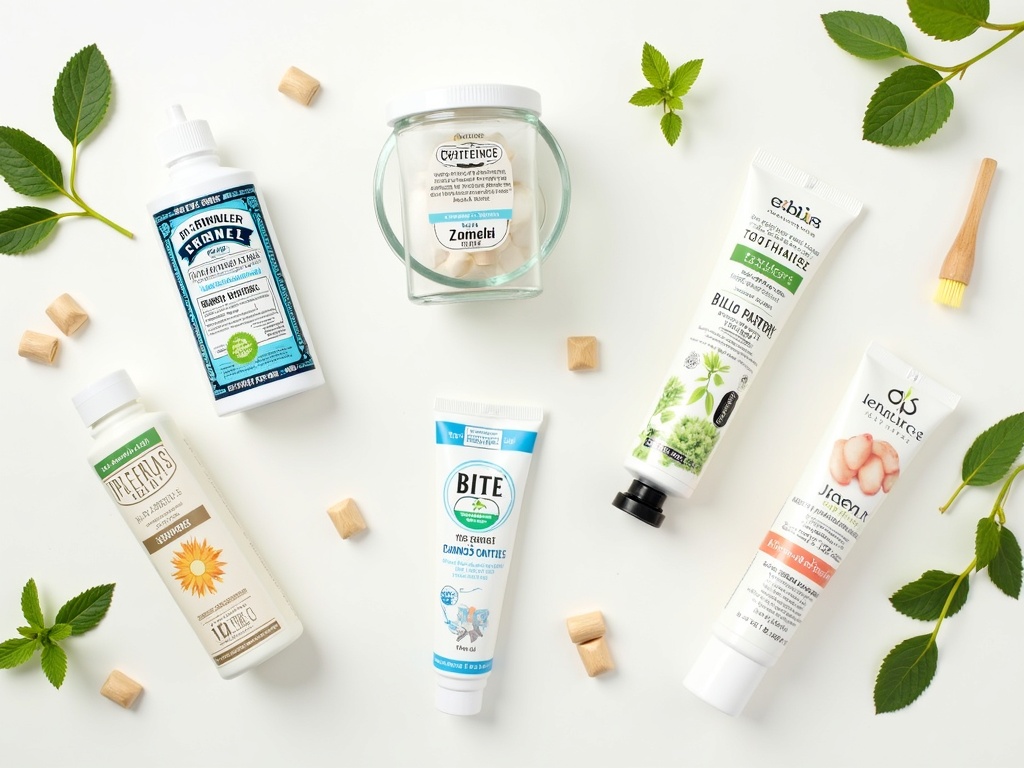
I’ve found several excellent alternatives that combine cruelty-free practices with vegan formulations. These brands prioritize ethical production methods while delivering effective oral care solutions.
Certified Cruelty-Free and Vegan Brands
Hello Products stands out as a Leaping Bunny certified company offering numerous vegan choices across their product line. Their commitment to transparency makes them a reliable choice for ethical consumers. Dr. Bronner’s takes this approach even further — not only do they hold Leaping Bunny certification, but all their products are completely vegan, eliminating any guesswork about ingredients.
Jason Natural Products provides cruelty-free assurance with several vegan options in their toothpaste range. Desert Essence combines both Leaping Bunny certification and fully vegan formulations, making them another strong contender for conscious consumers.
Bite Toothpaste Bits offers an innovative approach with their vegan, plastic-free, waterless format. These toothpaste tablets reduce environmental impact while maintaining ethical standards. Davids Natural Toothpaste rounds out this list with both Leaping Bunny certification and vegan formulations.
Identifying Ethical Products
I recommend looking for specific certification logos when selecting ethical toothpaste products.
- The Leaping Bunny logo represents the gold standard for cruelty-free certification, requiring companies to monitor their entire supply chain for animal testing practices.
- PETA’s cruelty-free logo indicates brands that have committed to avoiding animal testing.
- The Vegan Society logo confirms products contain no animal-derived ingredients.
These certifications remove uncertainty from your purchasing decisions. Many companies make claims about being “cruelty-free” or “vegan” without third-party verification, but certified products undergo rigorous scrutiny to earn these designations.
For those currently using Colgate toothpaste, transitioning to any of these alternatives provides both ethical peace of mind and effective oral care. Each brand offers different flavors, formulations, and price points, allowing you to find an option that suits your specific preferences and budget while maintaining your commitment to cruelty-free and vegan products.
Sources:
Colgate-Palmolive: “Our Policy on Animal Welfare” and “Sustainability & Social Impact Report”
PETA: “Beauty Without Bunnies” database
Leaping Bunny Program: Certified brand search
Cruelty-Free Kitty: “Is Colgate Cruelty-Free?”
Ethical Elephant: “Is Colgate Cruelty-Free & Vegan?”
The Vegan Society: “Vegan Trademark Standards”

