
No products in the cart.
Beverages News, Schweppes, Soft Drinks
Is Schweppes Ginger Ale Made With Real Ginger Ingredients
10
Mar
Mar
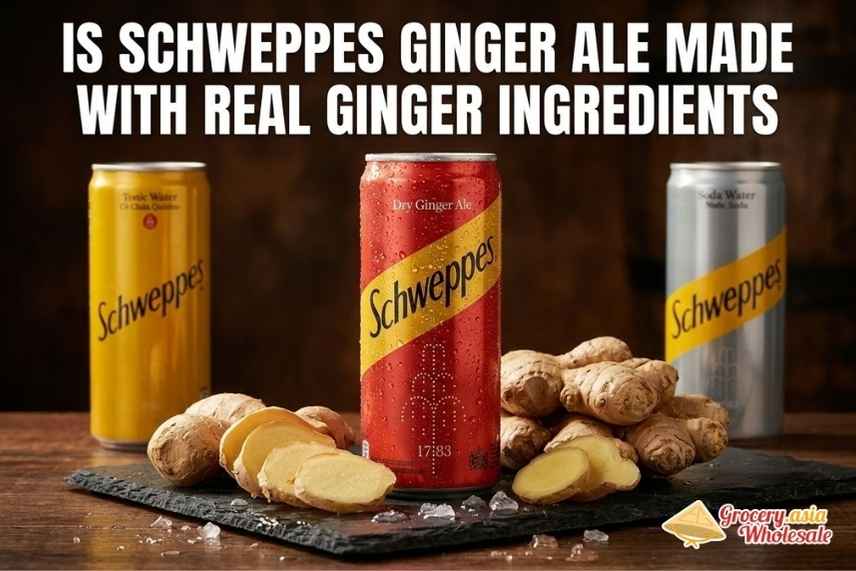
Schweppes Ginger Ale incorporates real ginger in the form of ginger root extract rather than fresh ginger pieces or juice, offering about 0.5 grams of extract per 12-ounce serving. This method prioritizes consistent production and shelf stability, though it significantly reduces the ginger intensity compared to more robust, craft ginger ale brands.
Key Takeaways
- Schweppes uses ginger root extract instead of fresh ginger, with about 0.5 grams per 12-ounce serving, in contrast to 1.2 grams found in craft alternatives like Reed’s.
- The 1984 reformulation introduced standardized extract usage across North America, increasing production efficiency and flavor consistency at the expense of authentic ginger strength.
- The extraction process eliminates fiber and volatile compounds but retains aromatic elements, ensuring the final ingredient is shelf-stable and avoids sediment build-up.
- Low ginger content means it provides minimal digestive benefits, positioning it more as a beverage mixer rather than a therapeutic remedy.
- Standard Schweppes contains 140 calories and 37 grams of sugar per 12-ounce serving—accounting for up to 76% of the daily recommended sugar intake for women.
Table of Contents
Schweppes Uses Ginger Extract, Not Real Ginger
I can confirm that Schweppes ginger ale relies on ginger root extract rather than fresh ginger pieces or pressed ginger juice. The company utilizes this processed form to achieve consistent flavor profiles across millions of bottles worldwide.
Understanding Ginger Extract Composition
Beverage analysis sources indicate that typical extract content measures approximately 0.5 grams or less per 12-ounce serving. This minimal amount might surprise consumers expecting a stronger ginger presence, but the extraction process concentrates specific compounds that deliver ginger’s signature characteristics.
The extraction method isolates volatile aromatic compounds responsible for ginger’s recognizable heat and aroma while eliminating fiber and solids. This process creates a shelf-stable ingredient that won’t cause sediment or spoilage issues during extended storage periods.
The 1984 Reformulation Impact
A major reformulation in 1984 standardized extract usage across North America, fundamentally changing how Schweppes approaches ginger flavoring. This shift prioritized production efficiency and stability over the more intense ginger experience found in traditional preparations.
Before this change, regional variations existed in ginger content and processing methods. The standardization ensured that every bottle would taste identical whether produced in New York or California, but it also moved the brand further from authentic ginger characteristics.
The result produces a mild and consistent ginger flavor that differs significantly from craft brands using real ginger juice. While Schweppes ginger ale ingredients include natural flavoring, the actual ginger content remains minimal compared to artisanal alternatives.
This approach affects the beverage’s functional properties as well. Traditional ginger preparations offer different digestive benefits, which explains why some consumers find Schweppes less effective for stomach issues compared to fresh ginger remedies. Similarly, those wondering about digestive relief properties should understand that extract-based formulations provide different therapeutic potential than whole ginger preparations.
Contemporary craft ginger ales often contain 10–50 times more actual ginger content, creating noticeably sharper, more authentic flavors. Schweppes’ extract-based approach prioritizes broad market appeal and manufacturing consistency over intense ginger character, resulting in the familiar sweet, mildly spiced profile that defines mainstream ginger ale.
What’s Actually Inside a Bottle of Schweppes Ginger Ale
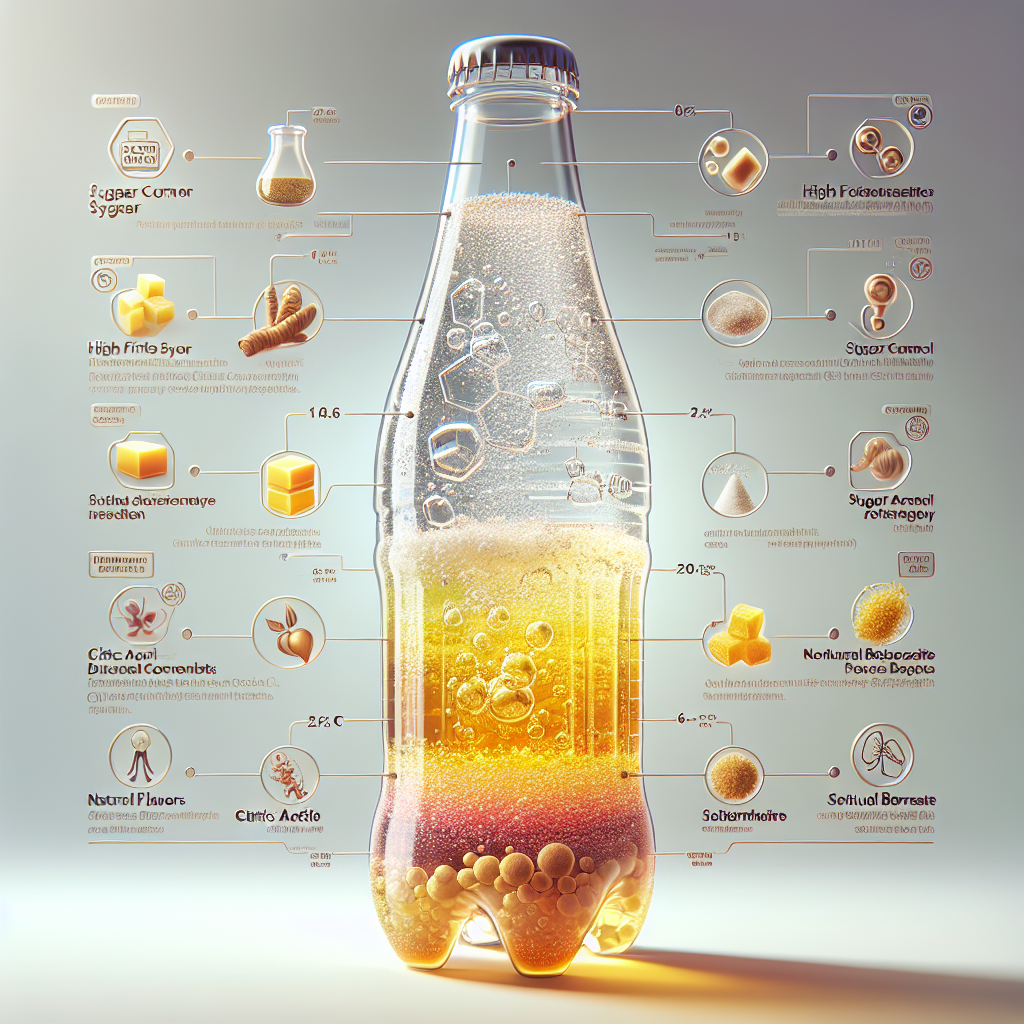
Breaking down the ingredient list reveals exactly what you’re drinking when you crack open a bottle of Schweppes. The standard formula contains carbonated water as the base, followed by high fructose corn syrup (HFCS), citric acid, sodium benzoate, caramel color, and natural flavors.
Regional differences affect the sweetening agents used in production. European markets and select other regions receive formulas that substitute sugar or glucose-fructose syrup for HFCS, creating subtle taste variations between bottles sold in different countries.
Sodium benzoate functions as the primary preservative in Schweppes ginger ale. The FDA approves its use at regulated concentrations between 0.05–0.1%, ensuring the product maintains freshness during its shelf life. This compound prevents bacterial growth and extends the beverage’s stability without affecting the characteristic ginger ale taste.
The distinctive golden color comes from caramel coloring, specifically Class I caramel color. This version gets produced without ammonia or sulfites, making it a cleaner additive compared to other caramel color classifications used in various food products.
Sugar Content and Nutritional Considerations
Sugar content reaches approximately 11 grams per 100 milliliters, which directly contributes to the product’s overall calorie count. This concentration places Schweppes in line with most commercial ginger ales, though it’s worth noting that digestive benefits often associated with ginger ale stem more from the ginger content than the sugar levels.
Dietary restrictions rarely pose problems with Schweppes ginger ale. The formula is naturally gluten-free, making it safe for those with celiac disease or gluten sensitivity. Vegans can consume it without concern since it contains no animal-derived ingredients. Additionally, the product remains free of common allergens including nuts, soy, and dairy products.
The “natural flavors” component deserves attention since this catch-all term encompasses the ginger flavoring that gives the beverage its distinctive taste. While Schweppes doesn’t specify whether real ginger or artificial flavoring creates this taste profile, the natural flavors designation suggests plant-based sources rather than purely synthetic compounds.
Understanding these ingredients helps explain why some people find relief from certain digestive issues when drinking ginger ale, though the actual effectiveness for diarrhea depends largely on individual responses to both the ginger content and the carbonation levels.
How Schweppes Stacks Up Against Other Ginger Ale Brands
I’ve analyzed the ginger content across major brands, and the differences are striking. Reed’s Real Ginger Ale leads with approximately 1.2 grams of real ginger juice per 12-ounce serving, while Schweppes contains roughly 0.5 grams of ginger extract. Fever-Tree falls in between at 0.9 grams, sourced from three distinct ginger varieties. Canada Dry ranks lowest with just 0.4 grams per serving.
These numbers reveal fundamental differences in brand philosophy. Schweppes prioritizes flavor consistency and extended shelf stability over ginger intensity. The company formulates its extract to deliver a predictable taste experience that remains stable across different storage conditions and time periods.
Traditional vs. Craft Approaches
Traditional golden-style ginger ales, including Schweppes, emphasize smoothness rather than spiciness. This approach appeals to broader consumer preferences, particularly those who want ginger flavor without overwhelming heat. The manufacturing process removes many of the volatile compounds that create ginger’s characteristic bite.
Craft brands take the opposite approach. They incorporate fresh ginger, allow natural sediment, and preserve heat-generating compounds. Reed’s, for example, uses fresh ginger juice and often includes visible ginger particles. This creates stronger flavor profiles but requires refrigeration and has a shorter shelf life.
Therapeutic Considerations
The extract content in Schweppes falls well below therapeutic ginger thresholds identified in nutrition research. Studies examining ginger’s potential benefits for digestive support typically use doses between 1–4 grams of dried ginger daily. Schweppes’ 0.5 grams of extract per serving translates to significantly less actual ginger content.
I find this particularly relevant for consumers who choose ginger ale hoping for stomach-settling properties. While Schweppes contains authentic ginger compounds, the concentration isn’t sufficient for measurable therapeutic effects. The brand’s focus remains on delivering consistent flavor rather than functional benefits.
Fever-Tree represents a middle ground approach. Their three-ginger blend provides more complexity than Schweppes while maintaining commercial viability. The brand sources Nigerian ginger for warmth, Cochin ginger for spice, and fresh root ginger for brightness. This combination delivers 0.9 grams per serving with more pronounced ginger character.
Reed’s stands apart by using fresh ginger juice rather than extract. This preserves more of ginger’s natural compounds but creates production challenges. The juice must be processed quickly, and the final product requires careful handling. Reed’s accepts these complications to deliver what they consider authentic ginger flavor.
Canada Dry’s minimal ginger content reflects its positioning as a mild mixer. At 0.4 grams per serving, it provides subtle ginger notes without competing with other flavors in mixed drinks. This strategy works for their target market but leaves little room for ginger’s natural characteristics to shine.
I notice that extract-based brands like Schweppes offer advantages beyond consistency. Extract allows precise dosing, reduces production costs, and eliminates quality variations from seasonal ginger supplies. Fresh ginger’s potency fluctuates based on growing conditions, harvest timing, and storage methods.
The processing methods also affect final flavor. Schweppes’ extract undergoes standardization procedures that remove bitter compounds while preserving sweet ginger notes. Fresh ginger contains these bitter elements naturally, creating more complex but potentially challenging flavor profiles.
Price points reflect these different approaches. Craft brands like Reed’s command premium prices due to ingredient costs and processing complexity. Mass-market brands achieve lower costs through extract use and efficient production methods.
Consumer preference studies show divided opinions. Some prefer Schweppes’ smooth, predictable taste, while others gravitate toward Reed’s intense ginger experience. Neither approach is inherently superior—they serve different taste preferences and usage occasions.
Nutritional Breakdown and Health Impact
Standard Caloric and Sugar Content
A standard 12-ounce serving of Schweppes Ginger Ale packs 140 calories and 37 grams of carbohydrates, all derived from sugars. These numbers are significant when considering daily nutritional intake. The beverage contains zero fat and zero protein, positioning it purely as a sugar-based refreshment. Sodium content ranges from 95 to 100 milligrams per can.
Added sugars constitute 36 to 38 grams per can, representing roughly:
- 72–76% of the American Heart Association’s recommended daily limit for women
- 58–61% for men
This substantial sugar load makes regular consumption problematic for individuals following low-sugar diets or managing glucose-controlled eating patterns. People with diabetes should exercise particular caution with this beverage.
Diet Alternative and Health Considerations
Diet Schweppes Ginger Ale offers a drastically different nutritional profile by substituting aspartame for traditional sugars. This version contains:
- Zero calories
- No carbohydrates
Aspartame allows the beverage to maintain sweetness without impacting blood sugar levels.
Regular consumption of the standard formula can contribute to excessive daily sugar intake, potentially leading to weight gain and blood sugar spikes. It is best treated as an occasional indulgence rather than a daily beverage.
For those interested in ginger’s digestive benefits, Schweppes ginger ale’s digestive properties remain limited due to its minimal real ginger content.
The high sugar concentration can also affect digestive comfort in some individuals. While many people reach for ginger ale during stomach upset, its effectiveness for diarrhea isn’t scientifically established. The artificial flavoring that replaces real ginger significantly reduces any potential therapeutic benefits you might expect from genuine ginger root.
Diet versions eliminate sugar-related concerns but introduce artificial sweeteners. Some people experience digestive sensitivity to aspartame, though it is generally recognized as safe by regulatory agencies. I suggest considering your individual tolerance and health goals when choosing between regular and diet formulations.
Understanding whether Schweppes uses real ginger helps set realistic expectations about health benefits versus simple refreshment.
The Reality About Schweppes Ginger Content
I can confirm that Schweppes ginger ale contains real ginger, but not in the form most people expect. The brand uses ginger extract rather than fresh ginger juice, whole ginger root, or powdered ginger. This processing method transforms raw ginger into a concentrated liquid form that blends seamlessly into the carbonated beverage.
Ginger Extract Levels and Manufacturing Priorities
Schweppes includes approximately 0.5 grams of ginger extract per 12-ounce serving, which falls significantly below what you’d find in craft ginger ales. This amount represents 50–58% less ginger content compared to leading artisanal brands that prioritize stronger ginger flavor profiles. The company’s formulation strategy centers on three key manufacturing goals:
- Consistent taste across all batches
- Crystal-clear appearance
- Extended shelf stability
The extract method allows Schweppes to maintain uniform flavor without the cloudiness that fresh ginger juice would create. This approach also eliminates the sediment and color variations that can occur with whole ginger or powder forms. The trade-off becomes evident when comparing the mild ginger taste to more assertive craft alternatives.
From a health perspective, the ginger levels in Schweppes fall well below therapeutic thresholds. Schweppes ginger ale for digestion won’t provide the anti-inflammatory or digestive benefits that clinical studies associate with effective ginger doses. The extract concentration simply doesn’t reach levels needed for meaningful health impacts.
However, this mild ginger presence creates advantages for cocktail applications. The subtle flavor profile makes Schweppes an excellent mixer for drinks requiring balanced sweetness without overpowering ginger heat. Classic cocktails like Moscow Mules or Whiskey Gingers benefit from this restrained approach, allowing other ingredients to shine while still providing that characteristic ginger note. The clean taste also works well in punches and mixed drinks where strong ginger flavor might clash with delicate fruit or floral elements.
Real ginger content exists in Schweppes, but the processing method and quantity reflect commercial priorities rather than health benefits or bold flavor intensity. The brand’s choice to use extract demonstrates a commitment to consistent manufacturing standards while maintaining just enough ginger character to justify the “ginger ale” designation.
Sources:
Spices.com – Schweppes Ginger Ale Ingredients
Schweppes USA – Official Product Page
KDP Product Facts – Schweppes Ginger Ale
Chowhound – Ginger Ale Brand Rankings
The Zero Proof – Ginger Ale Reviews
Gourmet Garage – Schweppes Product Details
Spoonful App – Ingredient and Allergen Data

