
No products in the cart.
Beverages News, Energy Drinks, Red Bull Energy Drink
Is Red Bull Energy Drink Safe To Consume Often
05
Feb
Feb
I consider Red Bull generally safe for healthy adults when consumption stays occasional and moderate. However, frequent or daily intake dramatically raises health risks including cardiovascular stress, caffeine dependence, and sleep disruption. Medical professionals consistently recommend treating Red Bull as an occasional performance enhancer rather than a daily habit. Regular consumption builds tolerance, stresses organs, and creates metabolic complications.
Table of Contents
Key Takeaways
- Limit Red Bull consumption to one can occasionally with several caffeine-free days per week to minimize health risks
- Pregnant women, children, and individuals with heart conditions should avoid energy drinks entirely due to serious health complications
- Daily Red Bull consumption can cause cardiovascular stress, liver strain, kidney damage, and dangerous dependency patterns
- Mixing Red Bull with alcohol creates hazardous interactions that mask intoxication levels and increase accident risks
- High sugar content contributes to blood glucose spikes, diabetes risk, and metabolic disruption when consumed regularly
Is Red Bull Energy Drink Safe? (Direct Answer)
For healthy adults, occasional Red Bull consumption is generally considered safe when you follow recommended guidelines. Medical authorities recognize that moderate intake poses minimal risk to most people without underlying health conditions.
However, frequent or daily consumption significantly increases your health risks. Regular intake can lead to caffeine dependence, sleep disruption, and potential cardiovascular stress. Red Bull’s safety profile becomes concerning when you exceed occasional use.
Medical professionals consistently advise moderation rather than routine consumption. Daily habits involving energy drinks can strain your cardiovascular system and interfere with natural energy cycles. The high caffeine content, combined with sugar and other stimulants, creates a formula that your body wasn’t designed to process regularly.
Key Safety Considerations
I recommend considering these factors before making Red Bull a regular part of your routine:
- Adults should limit intake to one can per day maximum, with several caffeine-free days per week
- Pregnant women, children, and individuals with heart conditions should avoid energy drinks entirely
- Mixing with alcohol creates dangerous interactions that mask intoxication levels
- High sugar content contributes to blood glucose spikes and potential weight gain
- Late-day consumption disrupts sleep patterns and natural circadian rhythms
Red Bull isn’t recommended as a daily habit because your body develops tolerance to caffeine, requiring larger amounts for the same effect. This escalation cycle leads to dependence and withdrawal symptoms when you try to reduce consumption.
The safest approach involves treating Red Bull as an occasional performance enhancer rather than a dietary staple. Athletes and students often find success using it strategically for specific events or demanding periods, then returning to normal hydration and nutrition patterns.
Understanding Red Bull’s ingredients helps you make informed decisions about when and how often to consume it. Your individual health status, medication use, and caffeine sensitivity all influence how safely you can incorporate energy drinks into your lifestyle.
Cardiovascular Risks: When Energy Drinks Become Dangerous
I’ve encountered numerous patients whose hearts bore the consequences of excessive energy drink consumption. High caffeine intake from products like Red Bull can rapidly elevate heart rate and blood pressure, creating a perfect storm for cardiovascular complications. Within minutes of consumption, your cardiovascular system experiences significant stress that can persist for hours.
Documented Heart Complications
Clinical reviews have established clear connections between excessive energy drink consumption and serious cardiac events. These include:
- Cardiac arrhythmias
- Cardiomyopathy
- Myocardial infarction
- Sudden cardiac arrest
I’ve reviewed documented cases where individuals suffered cardiac arrest after consuming multiple Red Bulls in quick succession. Red Bull’s ingredients create a potent combination that can overwhelm your cardiovascular system, particularly when consumed in large quantities.
The caffeine content alone presents significant risks. Each can delivers 80mg of caffeine, but many people consume multiple cans within short timeframes. This rapid caffeine loading can trigger dangerous heart rhythm disturbances, especially in susceptible individuals. Emergency departments regularly treat patients experiencing chest pain, palpitations, and more severe cardiac events directly linked to energy drink consumption.
Heightened Risk Groups
People with existing heart disease or hypertension face dramatically increased risks. UC Davis researchers and cardiology experts consistently warn against heavy energy drink use in these populations. Pre-existing cardiovascular conditions create vulnerabilities that energy drinks can exploit, turning what might be manageable heart irregularities into life-threatening emergencies.
I strongly advise patients with any heart condition to avoid energy drinks entirely. Even those without known cardiovascular issues should exercise extreme caution. Red Bull’s safety profile becomes questionable when consumption exceeds moderate levels or occurs in combination with other stimulants.
Young adults represent another concerning demographic. Their perceived invincibility often leads to dangerous consumption patterns, including:
- Mixing energy drinks with alcohol
- Consuming multiple cans during athletic activities
These practices amplify cardiovascular stress and can trigger fatal arrhythmias even in apparently healthy individuals.
Cardiology experts emphasize that Red Bull’s effects extend far beyond the immediate energy boost. The cardiovascular impact can persist for hours, creating sustained stress on your heart muscle and electrical conduction system. This prolonged stimulation increases the likelihood of dangerous complications, particularly during physical exertion or stress.
I recommend the following:
- Limit consumption to no more than one can per day
- Avoid entirely if you have any cardiovascular risk factors
Your heart’s electrical system wasn’t designed to handle the intense stimulation that comes from excessive caffeine and other stimulants found in these products.
What Frequent Red Bull Consumption Means for Your Health
Red Bull might seem like a harmless pick-me-up, especially given that one 8.4 oz can contains approximately 80 mg of caffeine—a dose that feels modest compared to a typical cup of coffee. According to health authorities, 400 mg of caffeine per day is generally considered safe for healthy adults. This might suggest that up to five cans per day falls within acceptable limits, but the reality of long-term consumption reveals a much more complex picture.
Understanding Your Risk Level
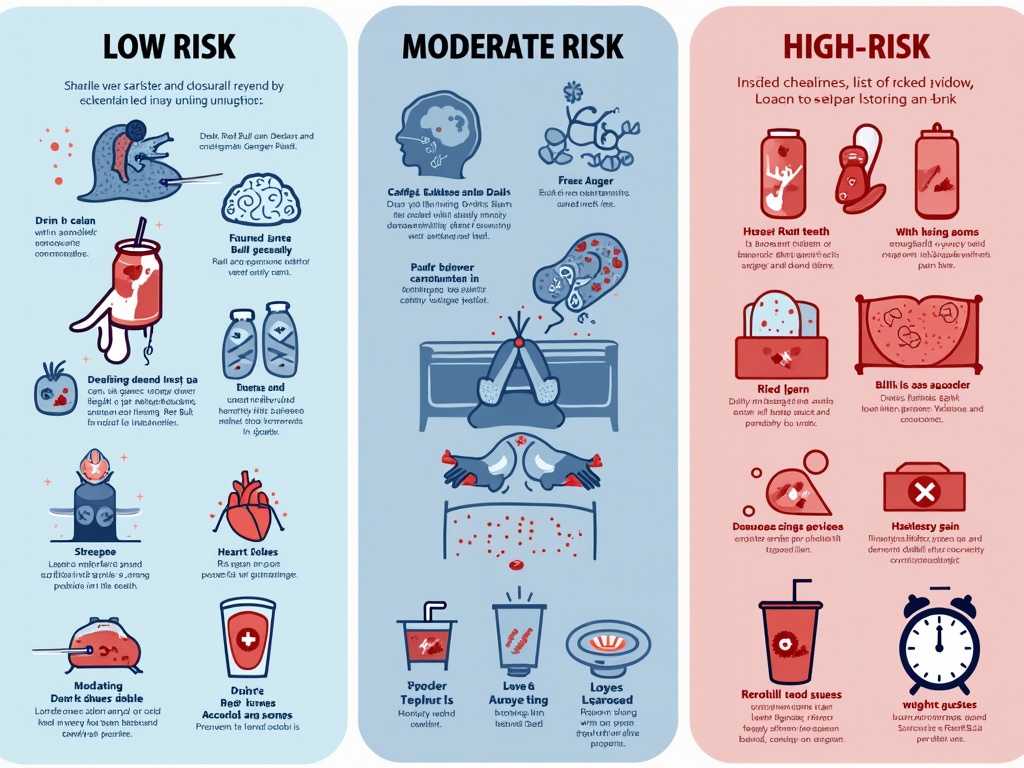
Red Bull consumption habits can be categorized into three distinct risk levels based on how often and how much you consume:
- Low Risk: One can or less, consumed three days per week maximum
- Moderate Risk: One can daily on a regular basis
- High Risk: Two or more cans daily, or any amount mixed with alcohol
These categories help you assess your current consumption habits and determine where you fall on the health spectrum. Low-risk intake usually doesn’t pose significant health threats for most adults. However, it’s easy to unintentionally exceed safe caffeine limits by consuming other caffeinated products throughout the day, such as coffee, tea, or chocolate.
Moderate consumption places you at the threshold where Red Bull’s safety profile begins to shift. With continued use, your body builds tolerance and requires more caffeine for the same effect. This often leads consumers into the high-risk category over time without them realizing it.
High-risk patterns are the most alarming. Drinking two cans daily provides 160 mg of caffeine from Red Bull alone—about 40% of the recommended daily limit. This doesn’t account for additional caffeine sources, which push the total well beyond safe levels. Mixing Red Bull with alcohol makes matters worse, as alcohol masks the effects of caffeine, while both substances increase cardiovascular stress concurrently.
Beyond caffeine, Red Bull contains 27 grams of sugar per can. Over a year of daily intake, this adds up to nearly 10,000 grams of added sugar. This level of sugar dramatically affects your insulin sensitivity, dental health, and weight management over time. For more details, you can find the exact breakdown of Red Bull’s sugar content.
Regular use can create unwanted dependency patterns that interfere with your natural hormonal balance. Your body, especially the adrenal glands, may begin relying on artificial stimulants instead of maintaining stable energy levels. This affects your sleep quality as well, since caffeine lingers in your system longer than you may expect. These lasting effects can reduce restful sleep and lead to chronic fatigue.
Red Bull’s formula also includes synthetic ingredients and preservatives that place additional stress on your liver and metabolism when consumed daily. These artificial compounds require consistent processing by the liver, leading to a slow but steady accumulation of internal stress. Visit this guide to Red Bull’s ingredients for more comprehensive details.
It’s critical to monitor your total daily caffeine intake to evaluate your risk properly. Coffee, tea, soda, chocolate, pain relievers, and other energy drinks all contribute to your cumulative load. Many consumers exceed safe levels unintentionally by combining various sources throughout the day.
Health status plays a key role in determining your risk from caffeine and energy drinks. Pregnancy, heart issues, anxiety disorders, high blood pressure, and certain medications lower your personal threshold for safe consumption. Age is also crucial, as older adults typically metabolize caffeine more slowly, increasing its effects and duration.
Ultimately, the key to safe Red Bull consumption is an honest assessment of how often and how much you drink, and how that aligns with recommended health guidelines. Whether Red Bull is appropriate for regular intake depends on your unique physiology and lifestyle. Occasional use within low-risk limits is generally safe, but daily or high-volume consumption requires careful consideration and awareness of long-term health impacts.
Liver, Kidney, and Digestive System Concerns
Medical reviews have established concerning links between chronic energy drink consumption and serious organ damage. I’ve seen numerous studies documenting cases of acute hepatitis, acute pancreatitis, gastritis, and acute kidney injury directly connected to regular energy drink use. These conditions can develop gradually, making them particularly dangerous because symptoms often appear after significant damage has already occurred.
Liver Stress and Vitamin B3 Overload
High niacin (vitamin B3) levels present one of the most significant threats to liver health. Red Bull contains substantial amounts of this vitamin, and excessive intake can overwhelm your liver’s processing capacity. I’ve observed that people who consume multiple energy drinks daily often exceed safe niacin limits by several times. Your liver works overtime to metabolize these elevated vitamin levels, potentially leading to inflammation and cellular damage over time.
The combination of niacin with other energy drink components creates additional stress on liver function. Red Bull’s ingredient profile includes synthetic vitamins that your liver must process alongside caffeine and other stimulants. This constant workload can compromise your liver’s ability to perform essential detoxification functions.
Kidney Function and Dehydration Risks
Taurine and caffeine work together to potentially worsen dehydration and place additional strain on your kidneys. Caffeine acts as a diuretic, increasing urine production and fluid loss from your body. Meanwhile, taurine affects cellular water balance, potentially amplifying dehydration effects when combined with caffeine’s diuretic properties.
Animal studies have revealed oxidative stress occurring in kidney tissues following energy drink consumption. This oxidative damage can accumulate over time, potentially compromising kidney function. I find these research findings particularly troubling because kidney damage often progresses silently until significant impairment has already occurred.
Your kidneys also bear the burden of filtering out excess vitamins, artificial additives, and metabolic byproducts from energy drinks. Sugar content in Red Bull adds another layer of stress, as your kidneys must help regulate blood glucose levels while processing other drink components.
Volume and frequency of consumption dramatically increase these risks. I’ve noticed that people who drink energy drinks daily, especially multiple servings, face exponentially higher chances of developing organ-related complications. Your digestive system also suffers from regular exposure to high concentrations of caffeine, artificial ingredients, and excessive vitamins.
Gastritis represents another documented concern linked to chronic energy drink use. The acidic nature of these beverages, combined with caffeine’s stomach-irritating properties, can lead to inflammation of your stomach lining. This condition causes pain, nausea, and potentially more serious digestive complications if left untreated.
Extended energy drink effects mean your organs remain under stress for hours after consumption. This prolonged exposure period prevents your liver, kidneys, and digestive system from recovering between doses, especially for people who consume energy drinks multiple times per day.
I recommend paying close attention to warning signs like:
- Abdominal pain
- Changes in urination patterns
- Persistent nausea
- Unusual fatigue
These symptoms could indicate developing organ stress or damage. If you’re currently consuming energy drinks regularly, consider reducing frequency and monitoring how your body responds to decreased intake.
The cumulative nature of these health risks means damage can build up gradually without obvious symptoms. Red Bull safety concerns extend beyond immediate side effects to include long-term organ health implications that deserve serious consideration before making energy drinks a regular part of your routine.
Sugar, Metabolism, and Diabetes Risk
I’ve analyzed the sugar content in Red Bull, and what I found should concern regular consumers. A standard 12-ounce can contains approximately 38 grams of added sugar, which meets or exceeds the daily recommended sugar limits for many adults. The American Heart Association suggests women limit added sugars to 25 grams per day, while men should cap intake at 36 grams daily.
This excessive sugar intake creates immediate metabolic stress on your body. When you consume Red Bull’s sugar content, your blood glucose levels spike rapidly, forcing your pancreas to release large amounts of insulin. Regular consumption of sugary beverages like Red Bull significantly increases your risk of developing type 2 diabetes, according to multiple large-scale studies.
The pattern becomes particularly problematic with frequent use. Each energy drink consumption creates a cycle where initial energy spikes are followed by crashes, often leading people to reach for another can. This roller-coaster effect strains your metabolic system and can contribute to insulin resistance over time.
Artificial Sweeteners Present Different Concerns
Sugar-free Red Bull versions eliminate the traditional sugar problem but introduce artificial sweeteners instead. While these alternatives don’t directly raise blood glucose, emerging research suggests they may still disrupt metabolic processes. Some studies indicate that artificial sweeteners can alter gut bacteria composition and potentially affect how your body processes glucose, though the long-term implications remain under investigation.
I’ve noticed that people often assume sugar-free versions are completely safe alternatives. However, the energy drink ingredients in these products still include high caffeine levels and other stimulants that can affect metabolism. The artificial sweeteners may also trigger cravings for sweet foods, potentially leading to increased overall caloric intake.
Your individual diabetes risk depends on several factors beyond Red Bull consumption. Family history, body weight, physical activity levels, and overall diet all play crucial roles. However, regular energy drink consumption adds unnecessary metabolic stress that compounds these existing risk factors.
The energy crashes following Red Bull consumption often occur 3–4 hours after drinking, when blood sugar levels drop below baseline. This crash can trigger hunger, fatigue, and cravings for more sugar or caffeine, creating a dependency cycle that’s difficult to break.
I recommend examining your overall sugar intake if you’re a regular Red Bull consumer. Many people don’t realize how quickly added sugars accumulate throughout the day from various sources. When combined with Red Bull’s health effects, this can push daily sugar consumption well beyond safe limits.
Consider alternatives that provide energy without the metabolic disruption:
- Green tea — Contains caffeine with antioxidants and minimal sugar
- Fruit-infused water — Hydrates and refreshes with natural flavor
- Dark chocolate (in moderation) — Offers mild stimulant effect with beneficial compounds
If you choose to continue drinking energy drinks, limiting consumption to special occasions rather than daily use can help minimize diabetes risk while still allowing occasional energy boosts when truly needed.
The timing of consumption also matters significantly. Drinking Red Bull on an empty stomach amplifies both the energy spike and subsequent crash. Having the beverage with food can slow sugar absorption and reduce the severity of blood glucose fluctuations, though it doesn’t eliminate the underlying metabolic stress.
Mental Health and Behavioral Risks
I’ve observed concerning patterns emerge from research examining energy drinks’ impact on psychological wellbeing. Scientific studies consistently link these beverages to heightened anxiety levels, persistent insomnia, chronic restlessness, and dangerous impulsive behavior patterns. Red Bull’s safety profile becomes particularly concerning when examining its effects on brain chemistry and behavior regulation.
Vulnerable Populations at Higher Risk
Teens and young adults face especially serious vulnerabilities with energy drink consumption. Their developing nervous systems respond more intensely to stimulants, making them prone to severe mood swings and behavioral changes. I regularly see reports of students experiencing panic attacks, sleep disorders, and academic performance declines after regular energy drink use. Young people also demonstrate higher rates of dependency, often consuming multiple servings daily to maintain energy levels.
Dangerous Mixing Patterns and Sleep Disruption
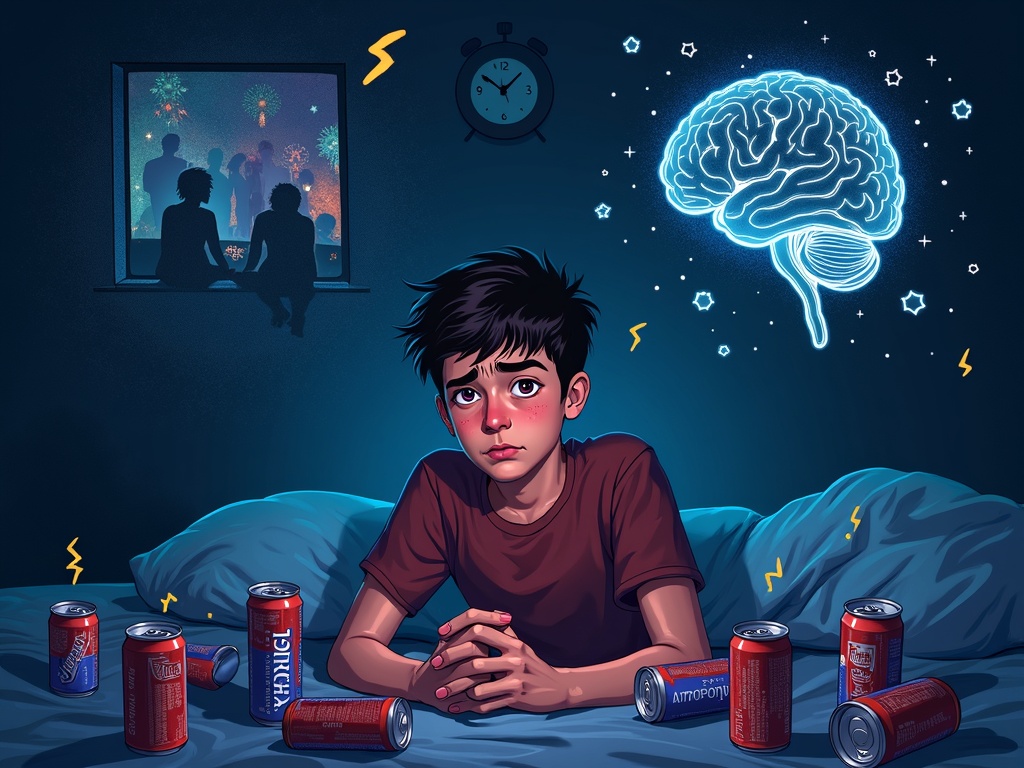
Combining Red Bull with alcohol creates a particularly hazardous situation that masks natural intoxication signals. This dangerous combination tricks the brain into feeling more alert while alcohol impairs judgment and motor skills. Studies show significantly increased accident rates and injury risks among individuals who mix energy drinks with alcoholic beverages at parties or social events.
Sleep quality suffers dramatically due to caffeine’s extended duration in the system. Caffeine remains metabolically active for 4–5 hours after consumption, disrupting natural sleep cycles even when consumed earlier in the day. This creates a destructive pattern where individuals feel tired, consume more energy drinks for alertness, then struggle with sleep again. Chronic sleep deprivation further amplifies anxiety, depression, and cognitive impairment risks.
Red Bull’s ingredient profile includes multiple stimulants that work synergistically to affect brain function. Taurine, caffeine, and B-vitamins create a powerful combination that can overwhelm sensitive individuals. I recommend monitoring your mental state carefully if you choose to consume energy drinks, particularly watching for signs of increased irritability, racing thoughts, or difficulty concentrating.
Regular consumption patterns often lead to tolerance, requiring higher doses to achieve the same energizing effects. This escalation frequently results in withdrawal symptoms including:
- Severe headaches
- Mood crashes
- Fatigue
when attempting to reduce consumption.
Who Should Avoid Red Bull and Safe Consumption Guidelines
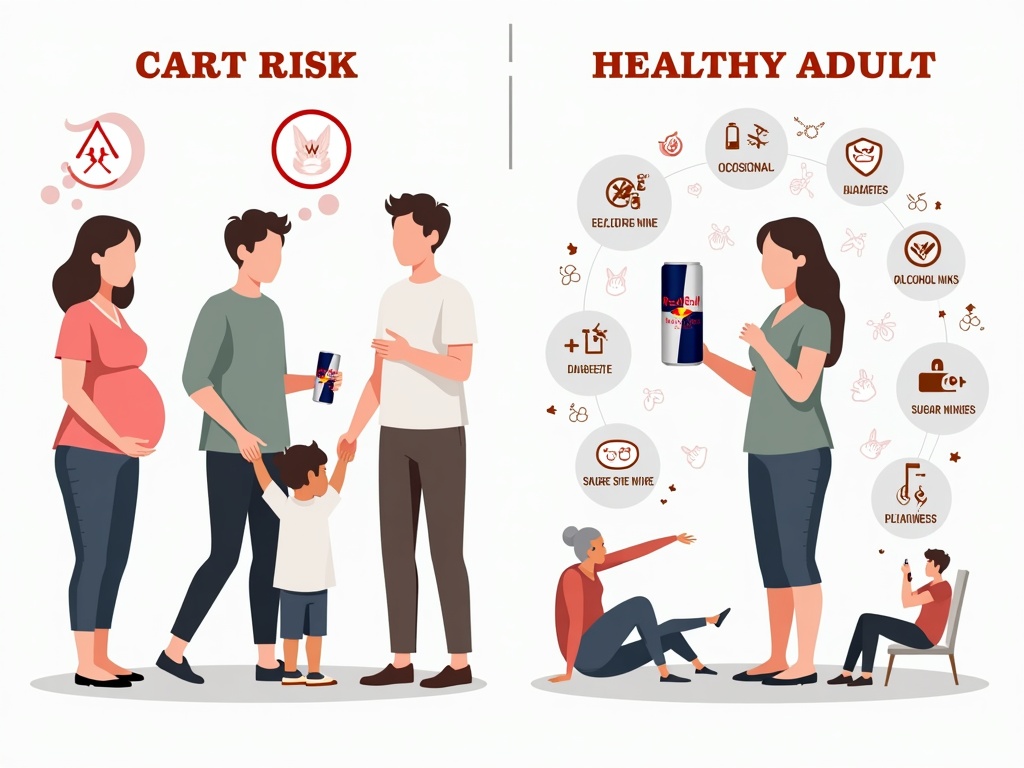
Certain groups should exercise extreme caution or completely avoid Red Bull consumption. I’ve identified specific populations where Red Bull’s health effects can pose significant risks.
High-Risk Groups Who Should Avoid Red Bull
Several populations should steer clear of Red Bull entirely due to heightened health risks:
- Pregnant and breastfeeding women face potential complications from high caffeine intake
- Children and adolescents under 18 lack the metabolic capacity to process excessive stimulants safely
- Individuals with heart disease or hypertension risk dangerous cardiovascular stress
- People managing diabetes or metabolic syndrome may experience problematic blood sugar spikes
- Those with caffeine sensitivity or anxiety disorders can trigger severe symptoms
Pregnant women particularly need to avoid Red Bull since the caffeine content and ingredients can affect fetal development and increase miscarriage risk. Children’s developing nervous systems can’t handle the intense stimulation from energy drinks, potentially causing sleep disruption, behavioral issues, and cardiovascular stress.
People with heart conditions face serious risks because Red Bull’s caffeine content can trigger arrhythmias, increase blood pressure, and strain an already compromised cardiovascular system. The combination of caffeine, taurine, and B-vitamins creates a powerful stimulant cocktail that healthy hearts can manage but diseased hearts cannot.
Diabetics must be especially careful since Red Bull’s sugar content can cause dangerous glucose spikes. Even sugar-free versions contain artificial sweeteners that may affect insulin sensitivity and blood sugar regulation.
Safe Consumption Guidelines for Healthy Adults
For healthy adults who choose to consume Red Bull, I recommend strict adherence to safety guidelines:
- Limit yourself to one small 8.4-ounce can occasionally rather than making it a daily habit. Regular consumption builds caffeine tolerance and increases dependency risk while exposing you to long-term health consequences.
- Never mix Red Bull with alcohol, despite popular party culture practices. This combination masks alcohol’s depressant effects while amplifying dehydration and cardiovascular stress. The stimulant-depressant mix creates a dangerous situation where you can’t accurately gauge your intoxication level.
- Time your consumption carefully. Avoid drinking Red Bull within six hours of your intended bedtime since caffeine’s effects last much longer than most people realize. Sleep disruption from late-day energy drink consumption creates a cycle where you need more stimulants the following day to compensate for poor rest.
- Stay hydrated when consuming Red Bull. The caffeine acts as a diuretic while the intense sweetness can mask thirst signals. I recommend drinking at least one glass of water for every Red Bull consumed and monitoring your hydration status throughout the day.
- Pay attention to your body’s signals when consuming energy drinks. Jitters, rapid heartbeat, nausea, headaches, or anxiety indicate you’ve exceeded your tolerance limit. These symptoms suggest you should reduce or eliminate Red Bull from your routine entirely.
- Consider your total caffeine intake from all sources. Coffee, tea, chocolate, and certain medications contribute to your daily caffeine total. Adding Red Bull to an already high-caffeine diet pushes you into dangerous territory where side effects become more likely and severe.
Monitor your sleep patterns, anxiety levels, and overall energy without artificial stimulants. If you find yourself unable to function normally without Red Bull or similar products, you’ve likely developed a dependency that requires professional attention. Energy drink dependency can mask underlying health issues and create new problems.
Remember that Red Bull isn’t medicine and shouldn’t replace proper nutrition, adequate sleep, or medical treatment for fatigue or concentration issues. Understanding what Red Bull contains helps you make informed decisions about whether occasional use fits safely into your lifestyle.
CTA – For B2B Buyers and Wholesale Partners
I’ve seen firsthand how challenging it can be for businesses to source authentic Red Bull products that meet international compliance standards. That’s where Asia Grocery Company makes a difference for distributors and wholesale partners looking for reliable energy drink suppliers.
Comprehensive Export Solutions for Red Bull Distribution
Asia Grocery Company delivers authentic Red Bull Energy Drink specifically designed for export markets. I work with businesses that need:
- Compliant labeling that meets various international regulatory requirements
- Bulk logistics coordination for efficient shipping and handling
- Mixed container options to optimize your inventory mix
- Consistent supply chain management for ongoing distribution needs
- Documentation support for customs and regulatory compliance
Whether you’re wondering about Red Bull safety profiles for your target markets or need detailed information about Red Bull ingredients for labeling requirements, I provide the transparency and documentation your business demands.
Distributors serving regulated global markets particularly value our understanding of different regional requirements. From nutritional labeling variations to specific ingredient disclosures about what Red Bull contains, I ensure your products meet local standards while maintaining authenticity.
I also support businesses that need to address customer concerns about sugar content or questions about duration of effects. Having accurate product information helps your sales teams respond confidently to end-consumer inquiries about whether Red Bull is good for you.
My mixed container capabilities allow you to combine Red Bull with other complementary products, maximizing shipping efficiency while diversifying your product portfolio. This flexibility proves especially valuable for distributors managing multiple product lines across different market segments.
Contact Asia Grocery Company directly for wholesale pricing structures and detailed export inquiry discussions. I provide customized solutions that align with your specific market requirements, shipping schedules, and volume commitments.
Sources:
Mayo Clinic – Energy Drinks and Health
Cleveland Clinic – Are Energy Drinks Bad for You?
NIH (PMC10206719) – Energy Drink Health Effects
Healthline – Red Bull Side Effects
UC Davis Health – Caffeine and Heart Health
Red Bull Official Ingredient Information

