
No products in the cart.
Beverages News, Soft Drinks, Sprite Carbonated Soft Drinks
Who Makes Sprite The Real Company Behind It
05
Jan
Jan
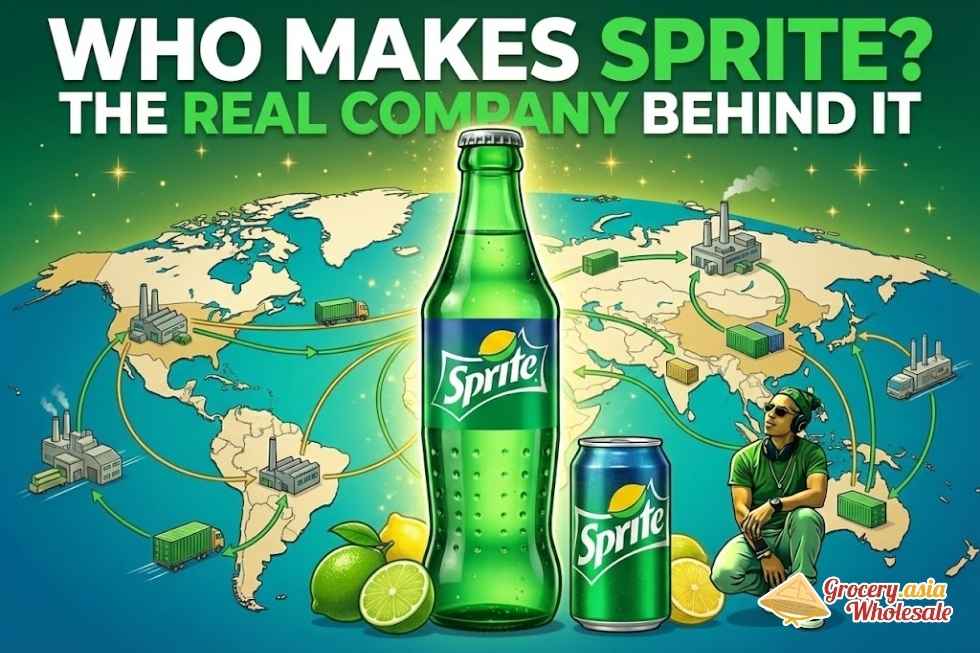
The Coca-Cola Company owns and operates Sprite as part of its global beverage empire, making it the corporate giant behind one of the world’s most recognizable lemon-lime sodas. While Coca-Cola controls the brand, formulation, and concentrate production, actual manufacturing occurs through an extensive network of independent bottling partners who handle local production and distribution across more than 190 countries worldwide.
Table of Contents
Key Takeaways
- The Coca-Cola Company owns Sprite and controls all aspects of the brand including formulation, concentrate production, marketing strategies, and trademark protection
- Independent bottling partners manufacture Sprite globally by mixing Coca-Cola’s concentrate with carbonated water, sweeteners, and local ingredients before packaging the finished product
- Sprite ranks as the #2 sparkling soft drink globally in Coca-Cola’s portfolio and recently surpassed Pepsi to become America’s third-largest soda brand with 8.03% market share
- The dual production system ensures consistency through standardized concentrate while allowing regional bottlers to adapt packaging, sweetener types, and distribution methods to local market preferences
- Sprite’s global reach spans 190+ countries through major bottling partners like Coca-Cola Europacific Partners, Coca-Cola FEMSA, and dozens of smaller regional operators who manage local distribution networks
Ownership and Manufacturing
The Coca-Cola Company maintains complete ownership of the Sprite brand while delegating manufacturing responsibilities to a vast network of independent bottlers. This unique system allows Coca-Cola to retain control over the product while leveraging local expertise for production and distribution.
Coca-Cola produces the concentrated syrup at specialized facilities and ships it worldwide to bottling partners. These partners mix the concentrate with carbonated water, sweeteners, and other ingredients according to precise company specifications. The resulting beverages are then packaged in bottles and cans for distribution to local consumers.
The Bottling Partner Model
This model divides responsibilities between Coca-Cola and its bottling partners:
- Coca-Cola’s Role: Brand development, marketing, and concentrate production
- Bottlers’ Role: Localized manufacturing, packaging, and distribution
These trusted local bottlers are integral to Coca-Cola’s success. Major partners include Coca-Cola Europacific Partners, covering Europe and parts of Asia-Pacific, and Coca-Cola FEMSA, leading across Latin America. A broad network of smaller regional partners fills in the gaps, ensuring that Sprite has a global footprint — even in hard-to-reach areas.
Global Consistency With Local Flexibility
The standardized concentrate system allows Sprite to maintain a consistent taste worldwide. However, regional bottlers can make key local adaptations. For example:
- Mexican bottlers use cane sugar instead of high fructose corn syrup
- European bottlers adjust packaging sizes to reflect regional market demands
Despite these regional variations, the core Sprite formula remains unchanged across every market, preserving its recognizable flavor profile.
Sprite’s Market Success
Thanks to this efficient partnership model, Sprite has grown to become Coca-Cola’s second-largest sparkling beverage globally. According to recent data, it recently overtook Pepsi in the U.S. market, earning a market share of 8.03%, and becoming the country’s third-largest soda brand.
This success highlights the impact of Coca-Cola’s hybrid approach of central brand ownership combined with localized execution — a structure that elevates both consistency and adaptability in one of the most competitive industries.
Financial & Operational Advantages
The partnership yields mutual financial benefits:
- Coca-Cola earns revenue from concentrate sales while reducing capital investment in global bottling facilities
- Bottlers gain access to world-renowned brands and benefit from Coca-Cola’s marketing strength while maintaining operational independence
Furthermore, Coca-Cola enforces tight quality control across all markets through audits and standardized guidelines, ensuring brand integrity regardless of geographic region.
Adaptability and Future Insights
This distributed manufacturing model also enables operational flexibility in times of crisis. Local bottlers can act swiftly in response to changes in the supply chain, consumer habits, or government regulation without waiting for top-down decisions from Coca-Cola’s headquarters.
Sprite’s global expansion and rising market share demonstrate how combining centralized brand control with decentralized operational execution can produce outstanding results. This model provides a blueprint for other global enterprises aiming to maintain brand consistency while scaling across diverse and dynamic markets.
The Coca-Cola Company: The Corporate Giant Behind Sprite
I can trace Sprite’s ownership directly to The Coca-Cola Company, one of the world’s largest beverage corporations that has built an empire spanning over 190 countries. Coca-Cola owns, formulates, and supplies Sprite as part of its extensive sparkling portfolio, which includes household names like Coca-Cola Classic, Fanta, and Schweppes.
Sprite’s Position in Coca-Cola’s Portfolio
Sprite holds impressive standing within Coca-Cola’s brand family, ranking as the company’s #2 global sparkling soft drink brand. Only Coca-Cola Classic surpasses it in global reach and sales volume. This positioning demonstrates Sprite’s significant impact since its introduction and explains why Coca-Cola continues investing heavily in the brand’s development and marketing.
The lemon-lime soda represents a critical component of Coca-Cola’s strategy to diversify beyond cola drinks and capture different taste preferences across international markets. Through careful brand management and consistent quality standards, Coca-Cola has transformed Sprite into a global phenomenon that competes effectively with regional lemon-lime beverages.
Manufacturing and Distribution Network
Coca-Cola doesn’t manufacture Sprite directly in most markets. Instead, the company operates through an extensive network of independent bottling partners who handle production and distribution under strict licensing agreements. These partnerships allow Coca-Cola to maintain quality control while leveraging local expertise and infrastructure.
In the United States, several major bottlers manage Sprite production and distribution:
- Coca-Cola Europacific Partners (CCEP) serves as one of the largest bottling operations
- Coca-Cola Bottling Co. Consolidated handles significant regional territories
- Multiple smaller regional partners cover specific geographic areas
- Each bottler follows Coca-Cola’s exact formulation and quality specifications
This bottling network enables Coca-Cola to scale Sprite production efficiently while maintaining the consistent taste and quality consumers expect. The system also allows for rapid response to local market demands and seasonal fluctuations, particularly important for summer beverage sales when lemon-lime sodas experience peak demand.
Coca-Cola’s corporate structure ensures that whether you purchase Sprite in New York or Bangkok, you receive the same carefully formulated product that has made the brand successful worldwide.
Sprite Overtakes Pepsi to Become America’s #3 Soda Brand
I’ve witnessed a significant shift in America’s soda landscape as Sprite’s sleek positioning has propelled it past Pepsi to claim the third-largest spot among U.S. carbonated soft drink brands. According to Beverage Digest and 2024-2025 industry data, this lemon-lime powerhouse now commands 8.03% of the American market, edging out Pepsi’s 7.97% share.
The current U.S. market share rankings paint a clear picture of Sprite’s remarkable ascent. Coca-Cola maintains its dominant position with 19.2% of the market, followed by Dr Pepper at 8.7%. Sprite’s achievement in securing 8.03% represents more than just a statistical milestone—it reflects changing consumer preferences and the brand’s strategic positioning in the carbonated beverage sector.
Global Lemon-Lime Dominance Drives Success
Sprite’s success extends far beyond American borders, where it leads the global lemon-lime soda category with commanding authority. The brand consistently outperforms traditional competitors including 7UP, Sierra Mist (now rebranded as Starry), and numerous regional lemon-lime alternatives across international markets.
This global leadership stems from several competitive advantages I’ve observed in Sprite’s market approach:
- Strategic distribution through The Coca-Cola Company’s extensive worldwide network
- Consistent flavor profile that appeals to diverse cultural preferences
- Effective marketing campaigns that resonate with younger demographics
- Positioning as a refreshing summer beverage across multiple climate zones
- Strong presence in both traditional retail and emerging e-commerce channels
The Coca-Cola Company’s control of roughly 40% of the worldwide non-alcoholic beverage market provides Sprite with unparalleled distribution advantages. As a major driver of sparkling revenue within this portfolio, Sprite benefits from corporate resources that smaller competitors simply can’t match.
Sprite’s rise reflects broader industry trends favoring clear, citrus-flavored sodas over traditional colas. Consumer preferences have shifted toward beverages perceived as lighter and more refreshing, particularly among younger demographics who drive significant purchasing decisions. The brand’s evolution has consistently adapted to these changing tastes while maintaining its core identity.
The implications of Sprite’s market position extend throughout the beverage industry. Wholesale retailers increasingly prioritize shelf space for this growing brand, while competitors scramble to develop effective counter-strategies. Sprite’s success demonstrates how strategic brand management within a larger corporate structure can drive sustained growth in highly competitive markets.

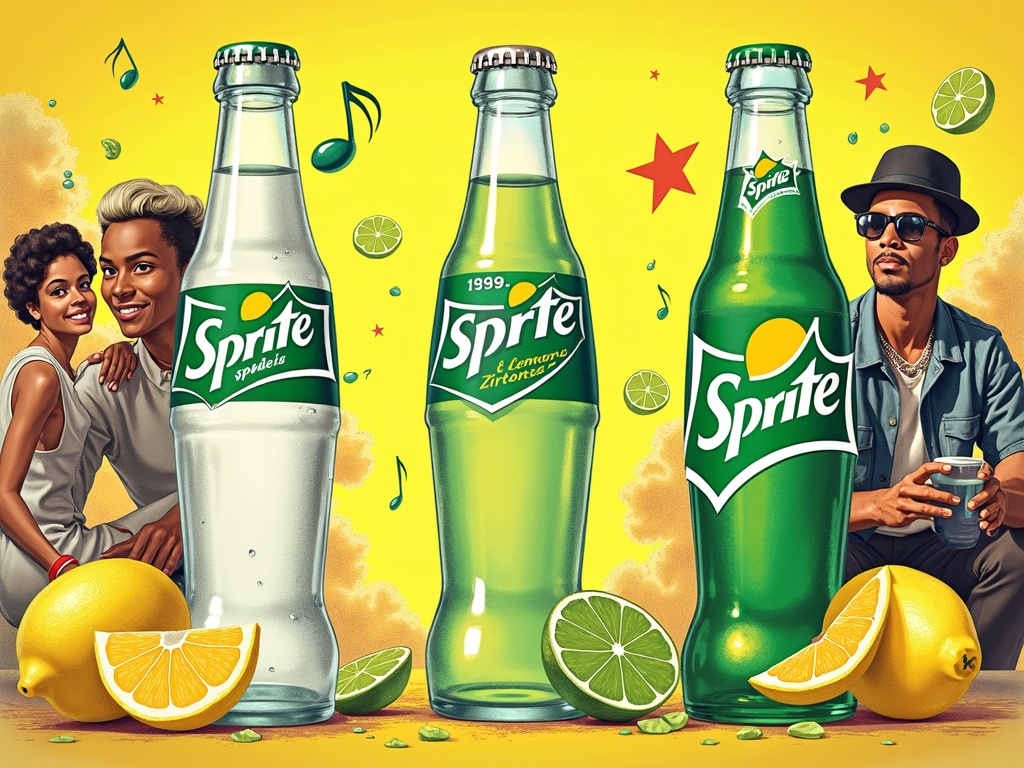
From German Fanta to Global Phenomenon: Sprite’s 1959 Origins
Sprite didn’t start as the iconic lemon-lime soda we know today. I discovered that Sprite’s origins trace back to West Germany in 1959, where it first appeared as Fanta Klare Zitrone, literally meaning “Clear Lemon Fanta.” This crisp beverage emerged as a lemon-lime cousin within the established Fanta family, offering European consumers a refreshing alternative to the traditional orange-flavored Fanta.
The transformation from Fanta Klare Zitrone to Sprite represented more than just a name change. Coca-Cola executives recognized the global potential of this clear, citrus-flavored drink and decided to rebrand it for international markets. The new name “Sprite” wasn’t chosen randomly – it drew visual inspiration from the beloved “Sprite Boy” mascot that had represented Coca-Cola throughout the 1940s. This connection to Coca-Cola’s heritage helped establish brand recognition while positioning the new drink as part of the company’s trusted portfolio.
Strategic Market Entry and Competition
When Sprite entered the U.S. market, Coca-Cola had a specific target in mind: dethroning 7UP as the dominant lemon-lime soda. At the time, 7UP held an almost unshakeable position in this category, making Sprite’s entry a bold strategic move. I observed that Coca-Cola leveraged its extensive distribution network and marketing expertise to challenge this established competitor directly.
The competition between these two brands sparked innovation in both product development and marketing approaches. Key differentiating factors included:
- Flavor profile variations that appealed to different consumer preferences
- Distinct packaging designs that stood out on store shelves
- Targeted advertising campaigns that reached specific demographic groups
- Strategic pricing and promotional strategies to gain market share
Marketing became crucial in establishing Sprite’s unique identity. The brand needed to carve out its own space rather than simply copying 7UP’s approach. Coca-Cola invested heavily in campaigns that would resonate with younger consumers, particularly those interested in music and pop culture.
The “Obey Your Thirst” campaign became instrumental in defining Sprite’s cultural identity. This slogan didn’t just promote a beverage – it communicated a lifestyle philosophy that appealed directly to youth audiences. The campaign emphasized authenticity and individuality, values that resonated strongly with teenagers and young adults during the era when hip-hop and alternative music were gaining mainstream acceptance.
Music partnerships became central to Sprite’s marketing strategy. I noticed how the brand consistently aligned itself with emerging artists and musical genres, particularly hip-hop, which helped establish credibility with urban youth markets. These partnerships went beyond simple endorsements, often featuring artists in creative campaigns that felt organic rather than forced.
The success of these early marketing efforts established patterns that continue today. Sprite’s appeal extends far beyond its refreshing taste – the brand has maintained its connection to music culture and youth-oriented messaging for decades.
From its humble beginnings as Fanta Klare Zitrone in West Germany to becoming a global phenomenon, Sprite’s journey illustrates how strategic rebranding and targeted marketing can transform a regional product into an international success story. The brand’s evolution from a simple Fanta variant to a standalone cultural icon demonstrates Coca-Cola’s ability to recognize market opportunities and execute comprehensive brand development strategies.
Today’s Sprite distribution spans virtually every corner of the globe, making it one of the most recognizable beverage brands worldwide. The foundation laid in those early years continues to support the brand’s growth and adaptation to new markets and consumer preferences.
Inside the Sprite Flavor Profile and Expanding Product Line
I’ve found that Sprite’s signature crisp, clean lemon-lime taste stems from its caffeine-free formula and careful use of natural flavors. The brand’s commitment to delivering a refreshing experience without the jitters of caffeine has made it a standout choice for consumers who want pure citrus satisfaction. Sprite’s sleek formulation creates that distinctive clarity and brightness that sets it apart from other sodas.
Core Product Portfolio and Flavor Innovations
The foundation of Sprite’s product line consists of two primary offerings: regular Sprite and Sprite Zero Sugar. Both maintain that essential lemon-lime character while catering to different dietary preferences. I’ve noticed how the zero-sugar variant has gained tremendous popularity among health-conscious consumers who don’t want to sacrifice flavor for fewer calories.
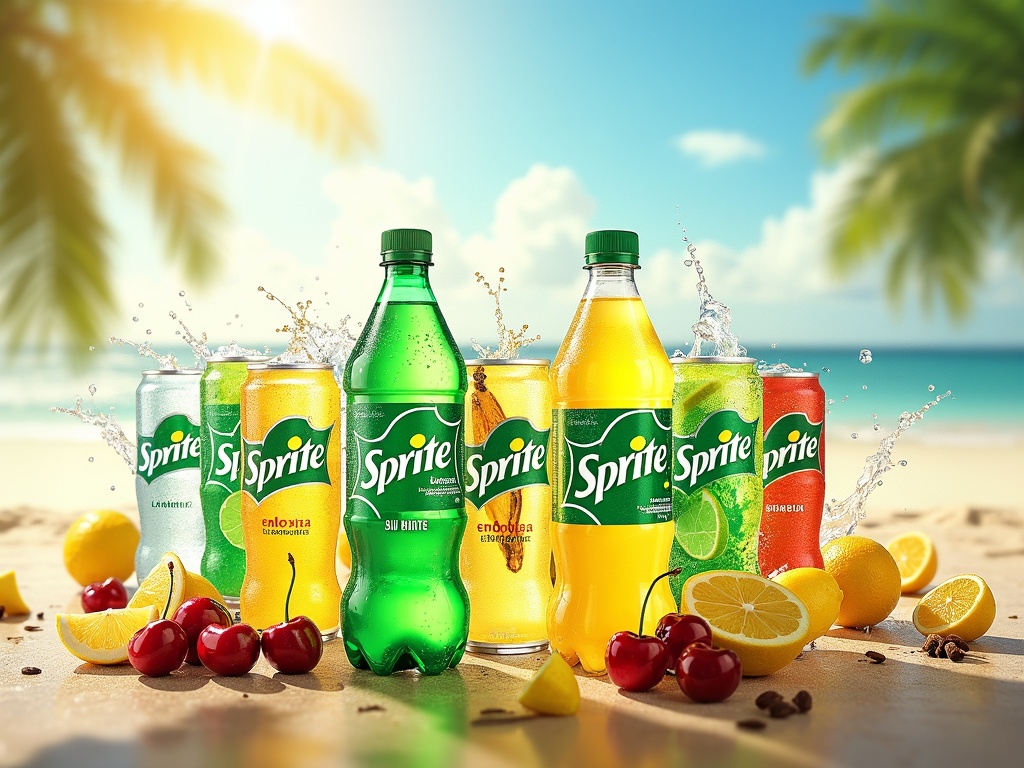
Beyond these core products, Sprite has expanded into exciting seasonal and regional variants that showcase creative flavor combinations:
- Sprite Cherry adds a sweet-tart dimension to the classic formula
- Sprite Lymonade blends traditional lemonade with the signature citrus profile
- Sprite Vanilla Frost introduces a smooth, creamy element for winter months
- Sprite Winter Spiced Cranberry captures holiday flavors in a refreshing package
- Sprite Chill Zero Sugar offers an extra cooling sensation
- Sprite + Tea combines citrus with tea flavors, available in zero sugar options
Regional Specialties and Packaging Excellence
Sprite Mexico deserves special attention for its use of cane sugar instead of high fructose corn syrup. This variant often comes in traditional glass bottles, appealing to consumers who prefer the authentic taste and mouthfeel that cane sugar provides. The glass packaging adds a premium touch while enhancing the drinking experience through superior carbonation retention.
I appreciate how Sprite’s packaging strategy accommodates every consumption occasion. The format options span from:
- Convenient 7.5 fl oz mini cans perfect for portion control
- Substantial 3-liter bottles ideal for family gatherings
- Standard 12 fl oz cans, which remain the most popular choice
- 20 fl oz bottles for active consumers who need more refreshment
- Multi-packs that provide value and convenience for regular Sprite drinkers
The brand’s expansion into summer-focused recipes demonstrates how versatile these products can be beyond straight consumption. Each variant brings unique possibilities for creative mixing and seasonal enjoyment, making Sprite more than just a standalone beverage.
Sprite’s cooling properties become especially valuable during hot weather, when the caffeine-free formula provides refreshment without overstimulation. This positioning has helped establish Sprite as a go-to choice for active individuals and those living in warmer climates.
The natural lemon-lime flavor profile remains consistent across all variants, ensuring brand recognition while allowing for creative extensions. I’ve observed how this consistency builds consumer trust — people know what to expect from the Sprite name regardless of which variant they choose. The caffeine-free formulation across the entire product portfolio reinforces the brand’s commitment to pure refreshment without artificial stimulation.
Wholesale availability has made these diverse Sprite products accessible to retailers of all sizes, from convenience stores to major supermarket chains. This distribution strategy ensures consumers can find their preferred Sprite variant regardless of where they shop, supporting the brand’s market penetration and customer satisfaction goals.
Who Makes Sprite: The Global Bottling System Explained
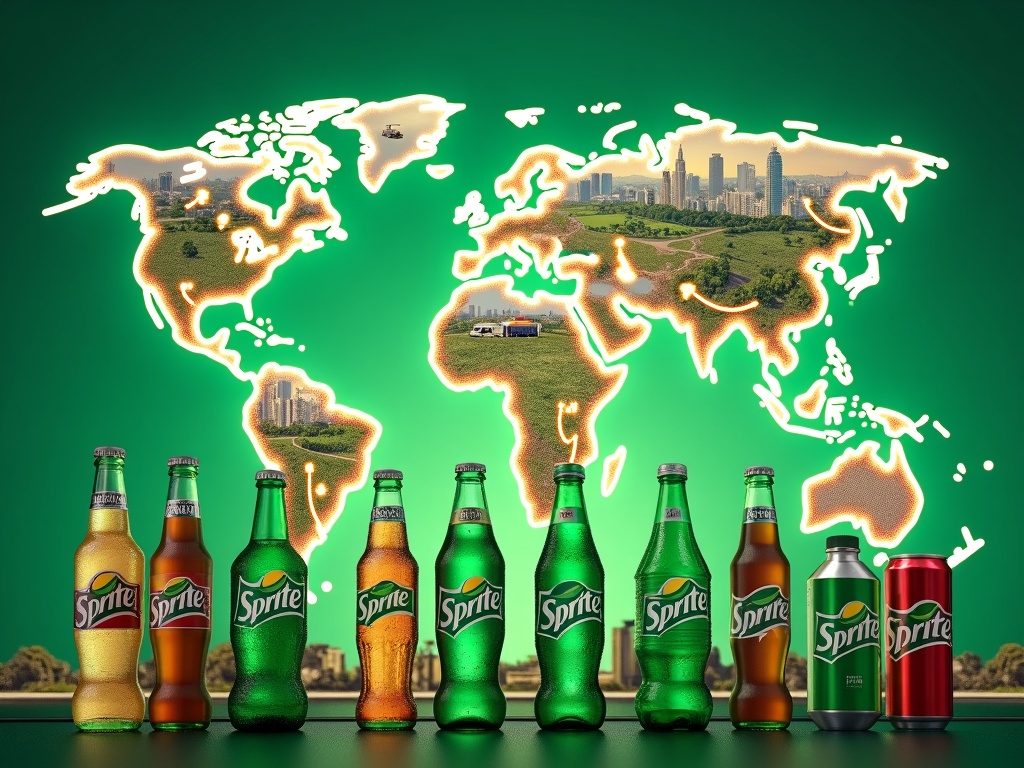
Understanding who makes Sprite requires looking at a dual-system approach that combines central brand ownership with decentralized production. Coca-Cola owns the Sprite brand, controlling everything from the secret recipe and concentrate formula to global marketing strategies and trademark protection. However, the actual manufacturing of Sprite soft drink happens through an extensive network of independent bottling partners around the world.
How the Bottling Partnership System Works
The production model divides responsibilities between Coca-Cola and its bottling partners in a strategic way. Coca-Cola produces the concentrated syrup that gives Sprite its distinctive lemon-lime flavor, then ships this concentrate to authorized bottlers globally. These bottling companies mix the concentrate with carbonated water, add sweeteners according to regional preferences, and package the finished product into bottles, cans, or fountain dispensers.
Major bottling partners include several key players who handle vast geographic regions:
- Coca-Cola Europacific Partners covers most of Western Europe and parts of the Asia-Pacific region
- Coca-Cola FEMSA operates throughout Latin America, including Mexico and several South American countries
- Swire Coca-Cola manages production across parts of the United States, China, and other Pacific territories
- Arca Continental serves Mexico, South America, and the southwestern United States
- Dozens of smaller regional bottlers handle specific countries or local markets
This distributed manufacturing system creates significant advantages for both quality control and market responsiveness. Bottlers can adjust packaging sizes, sweetener types, and distribution strategies to match local consumer preferences while maintaining the consistent Sprite flavor profile that customers expect worldwide. Regional bottlers also manage relationships with local retailers, from small convenience stores to major wholesale operations.
The concentrate-based system ensures that whether you buy Sprite in Tokyo, Mexico City, or London, you’re getting the same fundamental taste experience. Coca-Cola maintains strict quality standards and conducts regular audits of all bottling facilities to preserve brand consistency. Meanwhile, bottling partners handle the capital-intensive manufacturing equipment, local workforce management, and region-specific logistics challenges.
This partnership model has proven particularly effective for summer beverage distribution, allowing rapid response to seasonal demand spikes while maintaining supply chain efficiency across diverse global markets.
What’s Inside Sprite? Ingredients and Production
Sprite contains a carefully crafted blend of ingredients that creates its distinctive lemon-lime flavor. The beverage follows Coca-Cola’s standardized formula across all production facilities worldwide, though local bottlers add region-specific water and approved additives to meet local preferences and regulations.
Core Ingredients That Define the Taste
The standard Sprite formula includes six primary components that work together to create the crisp, refreshing taste:
- Carbonated water forms the base, providing the fizzy texture that makes each sip satisfying.
- High fructose corn syrup serves as the primary sweetener in North America, while many international markets use cane sugar instead.
- Citric acid contributes the tart, acidic bite that balances the sweetness and enhances the citrus character.
- Natural flavors deliver the authentic lemon-lime taste that distinguishes Sprite from other clear sodas.
- Sodium citrate acts as a flavor enhancer and helps regulate acidity levels throughout the beverage.
- Sodium benzoate preserves freshness and extends shelf life without affecting the clean taste profile.
Sprite Zero Sugar maintains the same base formula but replaces traditional sweeteners with aspartame and acesulfame potassium. These artificial sweeteners provide sweetness without calories while preserving the original flavor profile that consumers expect.
Manufacturing Process and Quality Control
Production begins when concentrate arrives at local bottling facilities from Coca-Cola’s syrup plants. Bottlers follow strict protocols when blending this concentrate with treated water, sweeteners, and carbonation to achieve consistent taste standards globally.
The manufacturing process involves precise measurements at every step:
- Automated systems blend ingredients in large mixing tanks, maintaining exact ratios to ensure each batch meets quality specifications.
- Carbonation is injected under controlled pressure to achieve the perfect fizz level that enhances flavor delivery.
- Filling operations transfer the finished product into sanitized bottles or cans using high-speed equipment that minimizes air exposure.
- Sealing and capping occur immediately to preserve carbonation and prevent contamination.
Quality testing takes place throughout production, with samples analyzed for taste, carbonation levels, and ingredient ratios. Labeling and packaging complete the process before products move to distribution centers.
Wholesale operations then coordinate delivery to retailers, ensuring fresh inventory reaches consumers quickly. This systematic approach maintains consistency and freshness whether you purchase Sprite from a corner store or order cases for special events.

Sprite’s Global Distribution Across 190+ Countries
I find it remarkable that Sprite reaches consumers in more than 190 countries worldwide, making it one of the most extensively distributed soft drinks on the planet. This impressive global footprint relies on Coca-Cola’s sophisticated supply chain network that balances standardization with local adaptation.
Local Bottlers and Distribution Networks
Local bottlers serve as the backbone of Sprite’s international presence, managing the critical logistics that bring the product from production facilities to retail shelves. These regional partners handle warehousing operations, maintain distribution fleets, and ensure market-specific supply chains meet local demand patterns. Each bottler understands their territory’s unique challenges, from seasonal fluctuations to transportation infrastructure limitations.
The wholesale distribution system varies significantly across regions, with some markets relying on direct-store delivery while others utilize complex multi-tier distribution networks. Local bottlers adapt their operations to accommodate everything from dense urban markets to remote rural communities.
Regional Variations and Standardized Core
Despite global availability, Sprite’s presentation differs considerably across markets due to regulatory requirements, local taste preferences, and ingredient availability. Bottle shapes change to accommodate different manufacturing capabilities and consumer habits. Some countries feature glass bottles while others rely exclusively on plastic or aluminum containers.
Sweetener types represent another significant variation point. Many markets use high fructose corn syrup, while others incorporate cane sugar or artificial sweeteners based on local regulations and cost considerations. European markets often feature different formulations compared to Asian or Latin American versions.
The genius behind Sprite’s global consistency lies in Coca-Cola’s standardized concentrate system. This concentrate ensures the core lemon-lime flavor profile remains recognizable regardless of location, even when local bottlers adjust secondary ingredients. The concentrate travels from regional manufacturing hubs to local bottling facilities, where it’s mixed with carbonated water and local ingredients.
Sprite’s evolution across different markets reflects both global brand management and local market sensitivity. While a consumer in Tokyo experiences a slightly different product than someone in São Paulo, both recognize the distinctive taste that has made Sprite a trusted choice for refreshment during hot weather.
This dual approach of maintaining core brand identity while allowing regional customization has enabled Sprite to thrive in diverse cultural and economic environments. Wholesale operations adapt to local business practices while upholding Coca-Cola’s quality standards, creating a distribution model that successfully serves both developed and emerging markets.
Sources:
Coca-Cola Europacific Partners – “Products: Sprite & Sprite Zero”
Adweek – “Obey Your Thirst: How Sprite Became America’s No. 3 Soft Drink”
The Coca-Cola Company – “Sprite”, “Sprite Drops Refreshing Take on Tea”, “News”
Accio – “Top Soda Brands Market Share Trends”
Coke Solutions – “Products: Sprite”
Market.us – “Coca-Cola Statistics”
YouTube – “Captain Discovery: Sprite”
Rock Hill Coca-Cola – “A Brief History of Sprite”
Grand View Research – “Soft Drinks Market”
Statista – “Coca-Cola”
Investing.com Academy – “Coca-Cola Facts”

