
No products in the cart.
Trung Nguyen Coffee
Is Vietnam Coffee Good Or Too Strong

26
Jan
Jan
Vietnamese coffee delivers an intense and unforgettable flavor experience, owing to a confluence of factors including robusta bean dominance, long-standing brewing traditions, and cultural emphasis on boldness and depth.
Table of Contents
Key Takeaways
- Robusta beans make Vietnamese coffee naturally strong – containing 2.5–3% caffeine content compared to arabica’s 1.2–1.5%, delivering roughly twice the caffeine per cup.
- Traditional preparation balances intensity with sweetness – the classic cà phê sữa đá combines strong coffee with condensed milk and ice to create a smooth, refreshing drink.
- Quality varies significantly across Vietnamese coffee producers – specialty regions like Da Lat and Son La now produce premium beans that challenge the commodity coffee reputation.
- Strength is completely adjustable through brewing techniques – grind size, water ratios, brewing time, and additions like milk or ice allow customization from mild to intense.
- Health considerations require careful caffeine management – the high caffeine content (200–300mg per cup) demands portion control and timing awareness to avoid sleep disruption or anxiety.
Rich Robusta Roots
The foundation of Vietnamese coffee’s strength originates in the dominance of robusta beans, which make up 95–97% of the nation’s coffee production. These beans naturally contain nearly double the caffeine of arabica varieties, a key reason why Vietnamese coffee delivers such a strong punch per cup.
Vietnam’s distinction as the second-largest coffee producer in the world is no coincidence. Optimal climate conditions, especially in the Central Highlands around Dak Lak province, have enabled generations of farmers to cultivate robusta beans with highly concentrated caffeine levels.
Brewing Techniques That Maximize Strength
Phin Filter Brewing
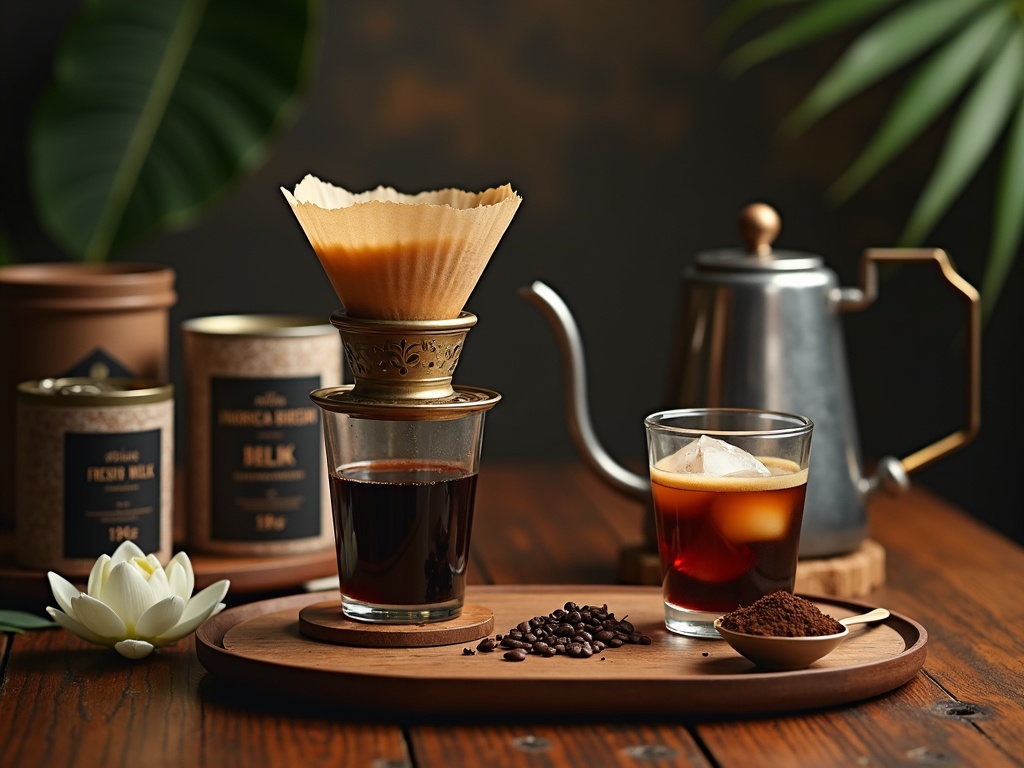
The phin filter method makes Vietnamese coffee especially potent. This metal drip filter sits atop a glass and manually brews coffee over 4–6 minutes. Unlike paper filters, the phin allows all the rich oils and compounds—including caffeine—to flow directly into the cup.
Dark Roasting
Vietnamese coffee beans are usually dark roasted, often enhanced with butter or traditional fats during roasting. This intensifies the flavor further while retaining the robusta bean’s naturally high caffeine content.
Grind Consistency and Water Temperature
A medium-fine grind is ideal when using a phin filter, as it supports optimal flow and extraction. Water should be heated to 195–200°F (90–93°C) for best results—enough to extract flavor and caffeine without producing undesirable bitterness.
Coffee-to-Water Ratios
Traditional Vietnamese coffee recipes often use 15–20g of coffee per 100ml water, far more concentrated than Western standards (which tend toward 1:15 or 1:16 ratios). This inherently makes Vietnamese coffee an ultra-caffeinated beverage.
Diverse Preparation Styles
Vietnamese coffee comes in several traditional varieties, each with its own intensity profile:
- Cà phê đen – pure black coffee, undiluted and ultra-strong.
- Cà phê sữa đá – brewed coffee mixed with sweetened condensed milk and poured over ice.
- Cà phê trứng – a rich blend of egg yolk, condensed milk, and coffee for a unique creamy texture.
Regional and Quality Variations
The strength and flavor of Vietnamese coffee also depend on regional and quality factors. For instance, Da Lat beans are known for their balanced profile, while Buon Ma Thuot yields some of the most intense flavors. Son La coffee often exceeds 3% caffeine content, placing it among the strongest beans in the country.
Premium producers and smaller farms are adopting modern processing methods—like wet, honey, and natural processing—to elevate robusta coffee quality and control caffeine content. These efforts are reshaping Vietnam’s reputation from commodity supplier to specialty producer.
Maximizing and Managing Strength
Storage and Freshness
To maintain peak caffeine levels, store coffee beans in airtight containers away from light and heat. Grind just before use, as ground coffee loses its potency rapidly.
Caffeine Content Comparison
A single cup of Vietnamese coffee usually contains 200–300mg of caffeine, compared to approximately 95mg in standard American drip coffee and 63mg in espresso. This makes one serving roughly equivalent to 2–3 cups of Western-style coffee.
Health and Timing
Given the high caffeine content, it’s important to consume Vietnamese coffee responsibly. I suggest limiting intake to one cup per day and avoiding consumption after 2 PM to minimize sleep disturbances.
Customizing Your Cup
Vietnamese coffee’s strength makes it highly customizable:
- Adding ice increases volume and refreshment without diminishing caffeine.
- Using regular milk instead of condensed milk softens the intensity.
- Reducing coffee quantity or brew time tempers overall strength.
Commercial Variability
Not all Vietnamese coffee brands deliver the same experience. Trung Nguyen offers widely distributed options, including their Creative series with varying caffeine strengths. Meanwhile, local Vietnamese roasters often deliver offerings that stay true to traditional flavor and strength.
Timing and Technique Matter
Freshness dramatically impacts taste and perceived strength. Coffee consumed immediately after brewing delivers the most impact, while letting it sit or cool may reduce flavor perception, though not actual caffeine content.
The brewing method itself offers adjustability. Tamping coffee grounds more tightly or slowing the water pour can increase strength. Conversely, loose packing allows a lighter brew.
Cultural Norms and Modern Movements
Despite its intensity, Vietnamese coffee is typically consumed in smaller servings, aligning with local tradition. What may strike Western drinkers as excessively strong is simply everyday coffee in Vietnam.
Modern specialty roasters in Vietnam are transforming robusta beans into single-origin, high-grade offerings with consistent caffeine and elevated flavor. These coffees retain Vietnam’s signature strength while offering greater complexity and finesse.
Conclusion
Vietnamese coffee is a masterclass in strength, both in caffeine content and flavor intensity. The blend of robusta beans, traditional phin brewing methods, and cultural coffee practices combine to create a remarkably bold and stimulating cup. Whether you’re seeking a powerful morning jolt or exploring one of the world’s richest coffee traditions, Vietnamese coffee delivers an unmatched experience.
What Makes Vietnamese Coffee So Intensely Strong
Vietnam’s coffee reputation centers on its dominant use of robusta beans, which account for 95-97% of the country’s total coffee production. This single factor explains why Vietnamese coffee is strong compared to what most people expect from their daily cup.
As the world’s largest robusta producer, Vietnam supplies over 40% of global robusta coffee. Robusta beans pack a serious punch — they contain roughly 2.5-3% caffeine content, nearly double what you’ll find in typical arabica varieties. This fundamental difference creates the intense foundation that defines Vietnamese coffee.
Chemical Composition and Processing Methods
Robusta beans naturally contain higher levels of chlorogenic acid, which contributes significantly to the bitter intensity and bold flavor profile. Combined with Vietnam’s traditional dark roasting methods, these beans develop deeper body characteristics and distinctive smoky notes that set them apart from lighter arabica preparations.
The processing doesn’t stop there. Vietnamese coffee makers use the phin filter system, which produces remarkably concentrated servings. This slow-drip metal filter extracts maximum flavor compounds from the grounds, creating a small but potent cup that delivers concentrated caffeine and flavor in every sip.
Understanding the taste explained helps appreciate why this intensity works so well. The combination of robusta’s natural strength, dark roasting techniques, and concentrated brewing creates a coffee experience that’s fundamentally different from mainstream coffee cultures.
This intensity serves a practical purpose in Vietnamese coffee culture. Small servings provide sustained energy throughout hot, humid days, while the strong flavor cuts through sweetened condensed milk additions without losing character.
The result is a coffee that commands respect. Each cup delivers approximately twice the caffeine of standard arabica preparations, supported by robust flavor compounds that create lasting satisfaction. When you compare Vietnam coffee worldwide, this strength becomes its defining characteristic and primary selling point for those who appreciate bold, uncompromising coffee experiences.
Bold, Earthy Flavors That Define Vietnamese Coffee
Vietnamese coffee flavor stands apart from other coffee origins with its distinctive earthy profile. I find that these beans deliver deep, nutty undertones paired with rich dark chocolate notes that create an unmistakably bold drinking experience. This unique taste comes primarily from Vietnam’s heavy reliance on Robusta beans, which naturally produce these strong, grounded flavors.
The low acidity in Vietnamese coffee makes it particularly appealing for those who struggle with stomach sensitivity from other coffee varieties. I’ve noticed that this gentle acidity, combined with the heavy, dense body, creates a smooth drinking experience that doesn’t bite back. Unlike the bright, sometimes sharp characteristics of high-altitude Arabica coffees, Vietnamese coffee delivers a mellow, full-bodied cup that coats your palate.
Understanding the Natural Flavor Profile
Robusta beans contain significantly less natural sugar and fat compared to Arabica varieties. This fundamental difference means that Vietnamese coffee presents minimal natural sweetness unless you add milk or sugar. I recommend approaching pure Vietnamese coffee expecting a straightforward, bitter profile rather than the fruity or floral notes common in specialty Arabica coffees.
The traditional cà phê sữa đá preparation method brilliantly addresses this natural bitterness. By combining the strong coffee with sweetened condensed milk, Vietnamese coffee culture has created a perfect balance that enhances the earthy base while adding creamy richness. I find this preparation transforms what could be an overly bitter experience into something deeply satisfying and complex.
When Vietnamese coffee is roasted carefully, it achieves a remarkable balance between bold intensity and smooth drinkability. I’ve tasted Vietnamese coffees that maintain their characteristic earthiness while eliminating harsh edges through proper roasting techniques. Dark roasting, which is common in Vietnam, helps develop these chocolate notes while reducing any remaining acidity.
The heavy body of Vietnamese coffee means it holds up exceptionally well to milk additions without losing its identity. I often recommend Vietnamese coffee for those who prefer their coffee drinks with substantial presence rather than delicate, tea-like qualities. This robust character makes it an excellent choice for:
- Iced coffee preparations
- Traditional Vietnamese brewing methods
- Using metal filters like the phin
Who Will Love Vietnamese Coffee and Who Should Adjust
Dark-roast enthusiasts and espresso aficionados typically fall in love with Vietnamese coffee on their first sip. I’ve found that coffee drinkers who already appreciate intense, full-bodied brews discover Vietnamese coffee delivers exactly what they crave. The deep, smoky character and pronounced bitterness resonate with those who prefer their coffee bold and uncompromising.
Perfect Match Coffee Drinkers
Fans of strong body and pronounced bitterness usually find Vietnamese coffee deeply satisfying. The traditional robusta beans create a powerful flavor profile that appeals to specific taste preferences. These characteristics make Vietnamese coffee strong enough to stand up to sweetened condensed milk while maintaining its distinctive character.
- French press users often transition easily to Vietnamese coffee since both brewing methods emphasize body over brightness.
- Italian espresso lovers appreciate the intensity, though they’ll notice the unique smokiness that sets Vietnamese coffee apart from their familiar shots.
- Cold brew enthusiasts find Vietnamese iced coffee particularly appealing because the brewing method softens harsh edges while preserving the bold foundation.
Drinkers Who May Need Adjustment
Light-roast coffee drinkers may initially find Vietnamese coffee aggressive or overly smoky. I recommend these coffee lovers start with smaller portions or dilute their first cups with additional milk or ice. The roasting process creates flavors that contrast sharply with the bright, acidic notes preferred by third-wave coffee enthusiasts.
Caffeine-sensitive individuals should approach Vietnamese coffee cautiously since they may experience jitters or sleep disruption. Robusta beans contain roughly twice the caffeine content of arabica varieties, making portion control essential for those with lower tolerance levels.
People accustomed to mild breakfast blends or flavored coffees might find traditional Vietnamese preparation overwhelming initially. However, strength remains completely adjustable through:
- Grind size
- Water ratio
- Milk quantity
- Ice additions
I’ve helped countless coffee drinkers customize their Vietnamese coffee experience by starting with a coarser grind and gradually working toward traditional fine grounds.
Vietnamese coffee isn’t inherently “bad” – it’s simply intense when unbalanced for individual preferences. Making Vietnamese coffee allows for significant customization while respecting traditional brewing principles.
The beauty lies in Vietnamese coffee’s adaptability:
- Sweet tooth coffee lovers can increase condensed milk ratios.
- Those preferring less sweetness can substitute regular milk or cream.
- Hot weather drinkers often prefer the iced version, which naturally mellows the intense flavors through dilution and temperature moderation.
Single-origin coffee purists might initially resist the robusta-heavy blends, but many discover appreciation for the earthy, nutty undertones that distinguish Vietnamese coffee from highland arabica varieties. The unique taste profile represents centuries of agricultural adaptation rather than inferior quality.
New Vietnamese coffee drinkers benefit from understanding that traditional preparation emphasizes balance between bitter coffee and sweet milk rather than highlighting subtle flavor notes. This fundamental difference explains why some coffee enthusiasts need time to develop appreciation for Vietnamese brewing traditions.
Ultimately, Vietnamese coffee rewards those willing to adjust their expectations or modify preparation techniques to suit personal preferences.
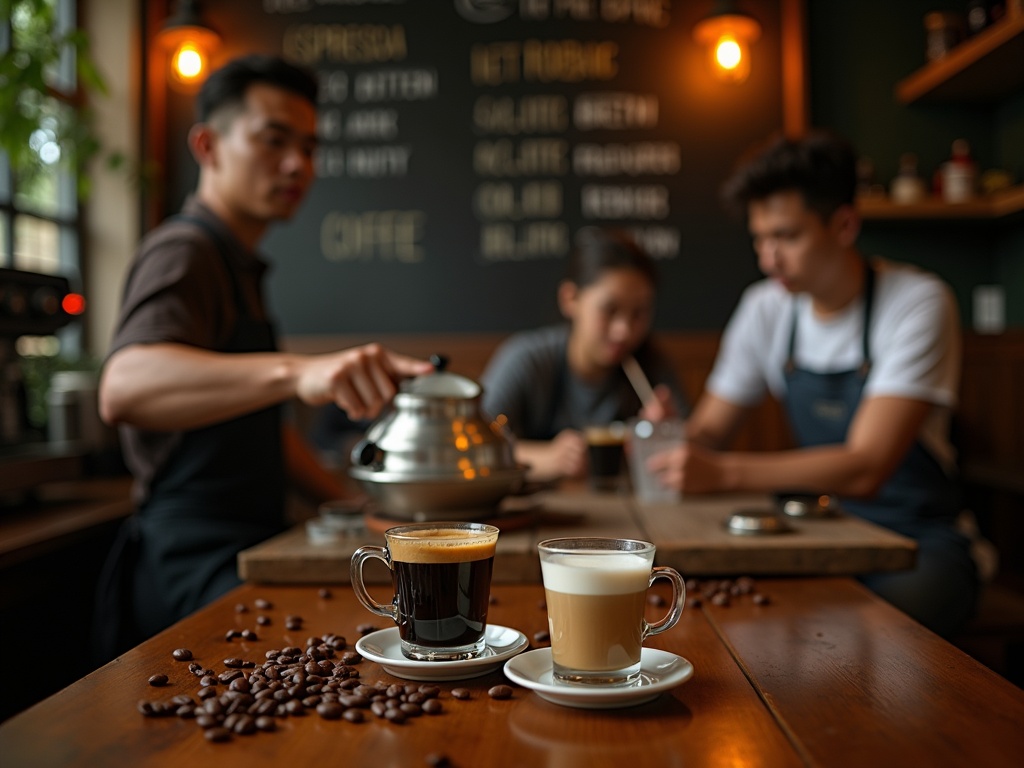
From Industrial Robusta to Specialty Vietnamese Coffee
Vietnam stands as the world’s second-largest coffee producer after Brazil, with recent annual output exceeding 1.7 million metric tons. I’ve witnessed this massive production scale firsthand, but the country’s coffee journey tells a story of remarkable transformation from quantity to quality.
Breaking Free from the Instant Coffee Reputation
Vietnam’s coffee industry historically focused on volume production for instant coffee markets. This approach created a global perception of low quality that persisted for decades. Industrial farming methods prioritized yield over flavor development, leaving Vietnam’s coffee reputation stuck in the commodity tier. I’ve found that many coffee drinkers still associate Vietnamese coffee with harsh, bitter flavors from this era.
The Rise of Specialty Vietnamese Coffee
Modern Vietnamese farmers now invest heavily in better harvesting and processing techniques. Specialty Vietnamese coffee from regions like Da Lat, Son La, and Quang Tri demonstrates the country’s evolving capabilities. These areas produce exceptional specialty robusta and Vietnamese arabica varieties that challenge traditional coffee hierarchies.
Da Lat‘s high-altitude plantations benefit from cooler temperatures and volcanic soil, creating ideal conditions for arabica cultivation. Son La‘s mountainous terrain produces complex robusta with surprising sweetness. Quang Tri‘s innovative farmers experiment with controlled fermentation processes that add clarity and reduce bitterness in their beans.
I’ve tasted Vietnamese coffees that showcase controlled fermentation and improved roasting techniques, resulting in cups with natural sweetness and remarkable clarity. These processing innovations transform what was once considered inferior robusta into coffee that rivals premium arabica from other origins. Wet processing methods now replace the rushed sun-drying that characterized earlier production.
Vietnamese coffee farmers embrace selective harvesting, picking only ripe cherries instead of strip-picking entire branches. This attention to detail during harvest significantly improves cup quality. Post-harvest processing includes precise fermentation timing and temperature control, techniques previously reserved for high-end coffee origins.
Vietnamese coffee culture has always celebrated bold flavors, but specialty producers now balance intensity with nuanced taste profiles. These developments position Vietnam’s coffee industry for premium market entry, moving beyond its commodity coffee past into a future where quality matches quantity.
Health Considerations and Caffeine Management
Vietnamese coffee packs significantly more caffeine than typical Western brews, delivering intense stimulation that can catch newcomers off guard. I’ve found that a single cup of traditional Vietnamese coffee contains roughly 200–300mg of caffeine – nearly double what you’d get from regular drip coffee. This high caffeine content creates the bold energy boost Vietnamese coffee is famous for, but it also demands careful consumption.
Excessive intake can trigger unwanted side effects including anxiety, rapid heartbeat, jitters, and disrupted sleep patterns. Your body’s caffeine tolerance plays a crucial role in determining how much you can handle comfortably. I recommend starting with smaller servings – perhaps half a traditional portion – if you’re new to Vietnamese coffee. This approach lets you gauge your individual response without overwhelming your system.
Smart Strategies for Caffeine Control
Several practical methods can help you enjoy Vietnamese coffee while managing caffeine intake effectively:
- Dilute your coffee with extra hot water or milk to reduce caffeine concentration per sip
- Add ice to create a refreshing iced version that naturally extends consumption time
- Mix equal parts Vietnamese coffee with regular coffee for a moderate caffeine blend
- Choose smaller cups rather than large servings to control total caffeine intake
- Space out consumption throughout the day rather than drinking multiple cups quickly
Vietnamese coffee’s naturally lower acidity compared to many Western varieties offers a genuine advantage for people with sensitive stomachs. The slow drip brewing method and robusta beans create a smoother profile that’s often easier to digest. I’ve noticed this makes Vietnamese coffee particularly appealing for those who typically experience stomach discomfort with regular coffee.
Timing your Vietnamese coffee consumption becomes critical due to its potent caffeine levels. I strongly advise avoiding Vietnamese coffee after 2 PM to protect your sleep quality. The high caffeine content can remain active in your system for 6–8 hours, potentially interfering with your ability to fall asleep or achieve deep rest. Morning consumption maximizes the energizing benefits while minimizing sleep disruption.
Pregnant women, individuals with heart conditions, and those taking certain medications should consult healthcare providers before incorporating high-caffeine Vietnamese coffee into their routine. The concentrated caffeine levels may interact with medical conditions or treatments in ways that require professional guidance.
Building tolerance gradually proves more sustainable than jumping into full-strength Vietnamese coffee immediately. I suggest starting with one small cup every few days, then gradually increasing frequency as your body adapts. This measured approach helps you find your optimal consumption level without experiencing negative side effects.
Pay attention to your body’s signals when drinking Vietnamese coffee. Signs like restlessness, difficulty concentrating, or sleep problems indicate you may need to reduce your intake or adjust timing. Traditional preparation methods can be modified to suit your caffeine preferences while maintaining authentic flavors.
Consider alternating between Vietnamese coffee and lower-caffeine alternatives throughout the week. This rotation lets you enjoy the unique taste and cultural experience while preventing caffeine dependency. Many coffee enthusiasts find this balance approach more sustainable for long-term enjoyment.
The condensed milk traditionally used in Vietnamese coffee can help slow caffeine absorption slightly, creating a more gradual energy release compared to black coffee. However, this doesn’t significantly reduce the total caffeine content – it simply changes how quickly your body processes it.
Staying hydrated becomes especially important when consuming high-caffeine Vietnamese coffee. The diuretic effects can contribute to dehydration, particularly in hot climates. I recommend drinking water alongside your coffee to maintain proper hydration levels and support your body’s ability to process caffeine effectively.

Is Vietnam Coffee Good for Your Taste and Lifestyle
Vietnamese coffee stands out as an excellent choice for coffee enthusiasts who crave bold, intense flavors. I find that this coffee style delivers exceptional body and strength that appeals to drinkers seeking a powerful caffeine experience. What to expect from Vietnamese coffee includes rich, earthy notes with minimal acidity — characteristics that make it perfect for those who prefer depth over brightness in their cup.
The brewing method significantly impacts whether you’ll enjoy Vietnamese coffee. Traditional preparation using a phin filter requires patience and technique to extract the best flavors without creating excessive bitterness. I recommend starting with a coarser grind and allowing proper blooming time to prevent over-extraction. Many newcomers find the straight black version too intense, but this doesn’t mean Vietnamese coffee isn’t for them.
Adapting Vietnamese Coffee to Different Preferences
Vietnamese coffee becomes remarkably versatile when you adjust preparation methods to suit various taste preferences:
- Adding condensed milk creates the famous ca phe sua da, balancing intensity with creamy sweetness
- Serving over ice transforms the experience into a refreshing drink perfect for warm climates
- Blending with other coffee origins can moderate the boldness while maintaining character
- Using lighter roasts reduces bitterness while preserving the unique flavor profile
- Adjusting brewing time and water temperature allows fine-tuning of strength and extraction
Quality plays a crucial role in determining whether Vietnamese coffee will satisfy your palate. I’ve observed that premium beans properly processed and roasted produce smooth, complex flavors rather than harsh bitterness. The origin alone doesn’t guarantee excellence — processing methods, roast profiles, and bean selection matter significantly more than geographic location.
Vietnamese coffee strength makes it ideal for morning routines or afternoon pick-me-ups when you need substantial caffeine content. However, this same strength might overwhelm those accustomed to lighter roasts or milder brewing methods. I suggest starting with smaller portions and gradually increasing as your taste adapts to the intensity.
The lifestyle compatibility of Vietnamese coffee extends beyond taste preferences. Busy professionals appreciate the concentrated caffeine delivery that provides sustained energy without requiring multiple cups throughout the day. The traditional phin brewing method, while slower than espresso machines, fits well into mindful morning routines where the brewing process becomes part of the experience.
Making Vietnamese coffee like locals requires understanding that authenticity doesn’t always translate to personal preference. I encourage experimenting with ratios, brewing times, and additions until you find your ideal balance. Some coffee drinkers discover they prefer Vietnamese beans prepared using familiar brewing methods like pour-over or French press rather than traditional phin filters.
Climate considerations also influence whether Vietnamese coffee suits your lifestyle. The strong, iced preparations work exceptionally well in hot weather, making them popular choices for those living in warm regions. Cold brew preparations using Vietnamese beans create smooth, less acidic concentrates perfect for summer consumption.
The taste explained reveals why Vietnamese coffee works particularly well for those transitioning from commercial coffee blends to specialty options. The familiar boldness provides a bridge between mass-market products and more nuanced single-origin coffees, allowing gradual palate development.
Budget-conscious coffee lovers often find Vietnamese coffee attractive due to competitive pricing compared to premium specialty coffees. However, I emphasize that quality variations exist significantly within Vietnamese coffee offerings, making careful sourcing essential for positive experiences.
Your brewing equipment also determines compatibility with Vietnamese coffee. While traditional phin filters produce authentic results, alternative methods like espresso machines, moka pots, or even simple pour-over setups can successfully extract Vietnamese beans when adjusted properly for the coffee’s characteristics.
Ultimately, Vietnamese coffee proves excellent for drinkers who embrace bold flavors and don’t mind experimenting with preparation methods. Success depends more on matching brewing techniques to your taste preferences than on inherent qualities of the beans themselves.
How to Brew Vietnamese Coffee Your Way
Vietnamese coffee offers incredible flexibility once you understand how strength works. I’ve found that strength consists of four key elements: caffeine content, flavor intensity, body thickness, and acidity levels. Traditional phin-brewed robusta delivers a much stronger experience than typical diluted pour-over methods, but you can adjust this to match your preferences perfectly.
Crafting Your Ideal Strength Level
For those who love intensity, the strong style approach works best. I recommend using a high coffee dose with minimal water, served either black or with just a touch of sweetening. This method showcases Vietnamese coffee’s natural strength and delivers maximum caffeine impact. The result tastes bold, concentrated, and energizing.
However, if you want a more balanced experience, several adjustments make the coffee gentler without losing its character:
- Adding more water during brewing dilutes the concentration naturally.
- Ice creates an excellent cooling effect that softens both temperature and perceived strength.
- Blending robusta and arabica beans helps reduce intensity while maintaining that distinctive Vietnamese profile.
Milk additions transform the entire drinking experience dramatically:
- Condensed milk remains the traditional choice, adding sweetness and creaminess that balances robusta’s natural bitterness.
- Fresh milk creates a lighter, more familiar taste for those transitioning from Western coffee styles.
- Coconut milk offers a tropical twist that complements the earthy robusta flavors beautifully.
Phin Brewing Techniques for Perfect Control
The phin filter gives you complete control over extraction speed and strength. I’ve discovered that grind size affects flow rate significantly — coarser grinds allow faster dripping and lighter extraction, while finer grinds slow the process and intensify flavors. Pressing the top filter firmly creates more resistance, extending contact time and boosting strength.
Water temperature also plays a crucial role in authentic Vietnamese coffee preparation. Slightly cooler water (around 190°F instead of boiling) reduces over-extraction and bitter notes. This technique helps when you want to enjoy Vietnamese coffee’s unique taste without overwhelming intensity.
Timing your brew changes everything:
- A quick 3–4 minute drip produces lighter coffee.
- Extending to 6–8 minutes creates maximum extraction.
I adjust timing based on my mood and energy needs throughout the day.
For those wondering how to make Vietnamese coffee less strong, dilution after brewing works effectively. Adding hot water creates an Americano-style drink, while cold water over ice produces refreshing iced coffee. Both methods preserve the distinctive robusta character while reducing intensity.
Bean selection matters tremendously for customizing strength:
- Pure robusta delivers maximum caffeine and boldness — perfect for early mornings or intense work sessions.
- Robusta-arabica blends offer complexity with moderate strength.
- Some roasters now offer lighter roasted robusta that maintains authenticity while reducing harsh edges.
Storage affects strength perception too. Freshly ground beans produce more vibrant, intense flavors than pre-ground coffee. I grind beans just before brewing to maximize both aroma and strength impact.
Experimenting with ratios helps you find your perfect balance:
- Start with the traditional 2–3 tablespoons per cup.
- Adjust based on your taste preferences.
- Reducing coffee quantity naturally decreases strength.
- Increasing it intensifies the experience.
Vietnamese coffee culture embraces both strong and mild preparations, so don’t feel pressured to drink it one specific way. The beauty lies in adapting this centuries-old brewing method to suit modern tastes and lifestyles.
Consider the context of your coffee drinking too. Morning cups might benefit from full strength for energy, while afternoon servings could use milk or ice for a gentler experience. Evening coffee calls for reduced caffeine through lighter brewing or smaller portions.
Temperature serving preferences also affect perceived strength. Hot coffee feels more intense than iced versions, even with identical brewing parameters. Cold brewing with a phin over ice naturally creates a mellower drink that highlights sweetness over bitterness.
Sources:
World Coffee Research – Vietnam Country Profile
USDA FAS – Vietnam Coffee Annual & Semi-Annual Reports
Nguyen Coffee Supply – Vietnamese Coffee Education
King Coffee Vietnam – Robusta Overview
Cafely – Vietnamese Coffee Flavor Analysis
Laviet Coffee – Improving Vietnam’s Coffee Quality

