
No products in the cart.
Beverages News, Soft Drinks, Sprite Carbonated Soft Drinks
Is There Caffeine In Sprite Explained Simply
05
Dec
Dec
Sprite contains zero caffeine, making it a caffeine-free beverage that relies on 38 grams of sugar per 12-ounce serving to create its energizing effects through rapid blood sugar spikes rather than stimulants.
Standard Sprite remains caffeine-free globally, but Coca-Cola has introduced caffeine-enhanced variants called Sprite Lemon+ in select ASEAN and South Pacific markets. This represents the first departure from the original caffeine-free formula.
Table of Contents
Key Takeaways
- Sprite contains no caffeine in its standard formula worldwide, distinguishing it from caffeinated sodas like Coca-Cola and Mountain Dew.
- The energizing feeling from Sprite comes from its high sugar content (38 grams per can), which causes rapid blood sugar spikes and crashes similar to caffeine effects.
- New caffeine-enhanced variants called Sprite Lemon+ and Sprite Lemon+ Zero Sugar are available only in specific ASEAN and South Pacific markets.
- Regular Sprite consumption poses health risks including increased diabetes risk, tooth decay, and weight gain due to its sugar content exceeding daily recommended limits.
- Healthier alternatives include:
- Sparkling water with natural lemon-lime flavoring
- Homemade citrus sodas with natural sweeteners
- Fruit-infused carbonated beverages
Why Sprite Feels Energizing Even Without Caffeine
Many people experience a burst of energy after drinking Sprite, even though Sprite is caffeine-free. The reason lies in its substantial sugar content, which triggers physiological responses similar to those caused by stimulants.
The Sugar Rush Effect
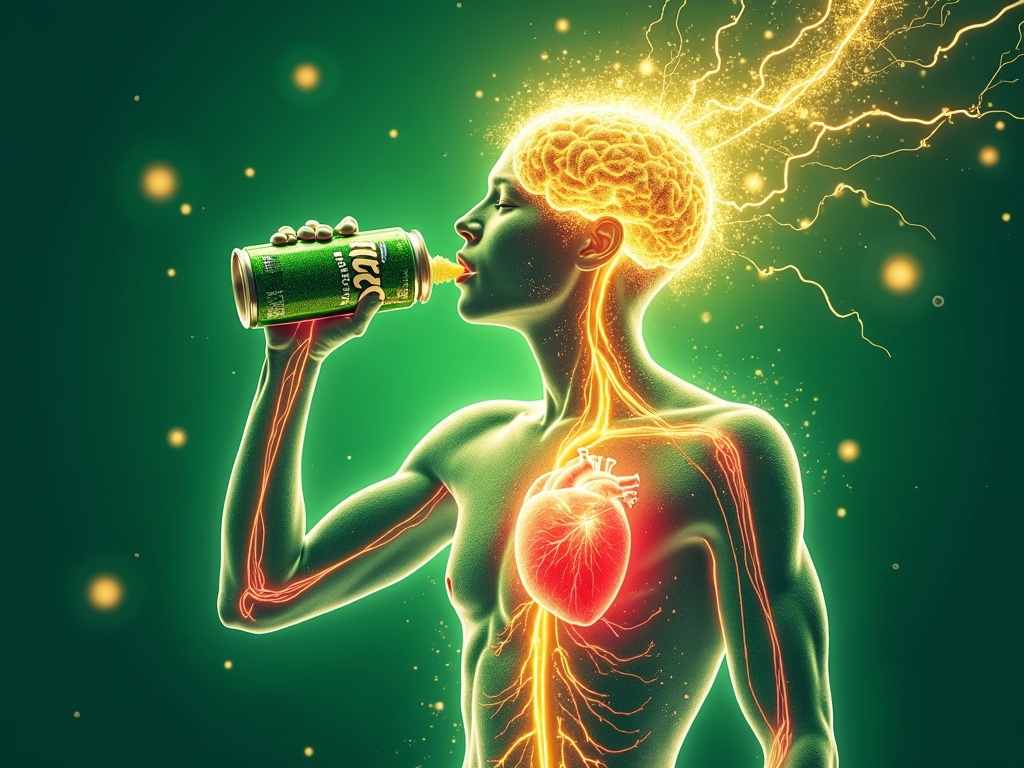
Sprite contains 38 grams of sugar in each 12-ounce serving, delivering all 140 calories from added sugars alone. This concentrated dose of glucose enters your bloodstream quickly, resulting in a rapid blood sugar spike — commonly referred to as a sugar rush.
Your body responds to this influx by prompting the pancreas to release insulin, allowing cells to absorb the glucose for immediate energy. During this spike, many people experience:
- Increased alertness
- Temporary euphoria
- Heightened mental clarity
- Slight elevation in heart rate
- A feeling of physical energy
These responses make the drink feel energizing, even though it’s devoid of caffeine. The sugar provides a short-lived fuel source that mimics the effects of stimulants.
Understanding the Energy Crash Cycle
The energizing feeling that comes from Sprite doesn’t last. Once blood sugar levels peak, the insulin response often overcorrects, causing blood glucose to dip below baseline. This creates what many call a sugar crash, typically occurring 30–60 minutes after drinking.
These fluctuations can lead to sensations that resemble caffeine stimulation:
- Temporary increase in heart rate and blood pressure
- Enhanced focus and alertness during the initial spike
- Restlessness or jitteriness, especially in sensitive individuals
- Mood boost followed by irritability or fatigue
- Difficulty focusing or sitting still during the crash
Many people mistake these sugar-induced effects for caffeine, especially those unaware of Sprite’s actual caffeine content. Though the symptoms may feel similar, the underlying mechanisms are entirely different.
Individual reactions to Sprite’s high sugar content vary depending on several factors, such as:
- Your current blood sugar levels
- Recent meals and macronutrient intake
- Insulin sensitivity or any medical conditions like diabetes
People who consume Sprite on an empty stomach usually feel the sugar rush more intensely but are also more prone to a crash. Those with insulin resistance or blood sugar issues should be cautious about high-sugar beverages like Sprite.
While the temporary energy boost from Sprite can be useful in certain contexts—such as intense physical exertion or athletic performance—it is not a reliable or sustainable long-term energy source.
If you’re seeking more stable energy levels without harsh fluctuations, try diluting Sprite with sparkling water. This reduces the sugar load while still offering the refreshing lemon-lime flavor.
In conclusion, Sprite feels stimulating because of the significant glucose load from its 38 grams of added sugar. This causes rapid changes in blood sugar levels that mimic the effects of caffeine, even though none is present in the drink. By understanding this sugar-energy connection, you can make more informed choices about when and how to enjoy sweetened beverages like Sprite.
What’s Inside Sprite: Full Ingredient Breakdown
I’ll break down each ingredient in Sprite to give you a complete picture of what you’re drinking. Understanding these components helps explain why Sprite remains caffeine-free and how it achieves its distinctive taste.
Primary Ingredients That Define Sprite
Carbonated water forms the foundation of this lemon-lime soda, providing the fizzy texture that makes Sprite refreshing. High-fructose corn syrup (HFCS) serves as the primary sweetener, contributing both the calorie content and the drink’s characteristic sweetness. This corn-based sweetener dissolves easily in carbonated water and provides a clean, sweet taste without overpowering the citrus flavors.
Citric acid gives Sprite its tart, citrusy bite while also acting as a natural preservative. Natural lemon-lime flavors create the signature taste profile that distinguishes Sprite from other clear sodas. These flavoring agents are carefully blended to achieve the balanced citrus taste consumers expect.
Sodium citrate works as an acidity regulator, helping maintain the proper pH balance in the beverage. This ingredient ensures consistent flavor and prevents the drink from becoming too acidic or losing its refreshing quality over time.
Preservatives and Regional Variations
Sprite contains specific preservatives to maintain freshness and extend shelf life. The formulation includes these key preservation components:
- Sodium benzoate prevents bacterial growth and maintains product safety
- Potassium sorbate appears in certain regional formulations as an additional preservative
- These compounds work together to keep Sprite fresh without affecting taste
Regional differences exist in Sprite’s sweetener composition. While North American versions typically use HFCS, international markets often feature cane sugar or glucose-fructose as alternatives. Mexican Sprite, for example, uses cane sugar instead of corn syrup, creating a slightly different taste profile that some consumers prefer.
I want to emphasize that caffeine isn’t present in any standard Sprite formula worldwide. Unlike many other sodas that rely on caffeine for flavor enhancement or stimulation, Sprite achieves its appeal through citrus flavoring and carbonation alone. This makes it an excellent choice for those avoiding caffeine or looking for a refreshing drink any time of day.
The absence of artificial colors keeps Sprite clear, distinguishing it from colored sodas. This transparency comes from using only natural flavoring extracts rather than synthetic colorants, which aligns with the brand’s positioning as a clean, crisp beverage option.
Each ingredient serves a specific purpose in creating Sprite’s unique characteristics:
- Carbonated water provides effervescence
- HFCS delivers sweetness
- Citric acid adds tartness
- Natural flavors create the lemon-lime taste
- Preservatives ensure safety and longevity
- Absence of caffeine makes Sprite suitable for various consumption occasions
When you’re planning summer recipes with Sprite, understanding these ingredients helps explain why it mixes well with other flavors and maintains its taste when combined with different ingredients. The simple, clean formulation makes Sprite versatile for both drinking straight and using as a mixer.
Manufacturing standards ensure consistency across different production facilities, though slight variations in water sources or sweetener types may create subtle regional differences. The core formula remains constant, maintaining the familiar Sprite taste that consumers recognize globally.
How Sprite Compares to Other Popular Sodas
Caffeine Content Across Different Brands
I can confirm that Sprite contains 0 mg caffeine, placing it in the caffeine-free category alongside several other popular sodas. 7-Up and Ginger Ale also maintain zero caffeine levels, making these three beverages ideal choices for anyone avoiding stimulants.
The contrast becomes clear when comparing these drinks to caffeinated sodas. Coca-Cola contains about 34 mg caffeine per 12-ounce serving, while Mountain Dew packs roughly 54 mg in the same volume. This difference matters significantly for those monitoring their daily caffeine intake or drinking soda later in the day.
Zero Sugar Options and Artificial Sweeteners
Sprite Zero Sugar maintains the same caffeine-free profile as regular Sprite while offering 0 sugar and 0 calories. This variant uses aspartame as its primary sweetener, which delivers the familiar sweet taste without added calories.
However, I should note that aspartame may cause sensitivity in some individuals. Common reactions include headaches or digestive discomfort, though these effects vary from person to person. If you experience any adverse reactions, switching to regular Sprite or other caffeine-free alternatives might be preferable.
The zero caffeine options extend beyond just Sprite and its sugar-free variant. Many lemon-lime sodas maintain this caffeine-free standard, giving consumers multiple choices when seeking refreshing drinks without stimulants. Understanding caffeine content helps you make informed decisions based on your dietary needs and preferences.
For those concerned about both caffeine and sugar intake, Sprite Zero Sugar provides an excellent compromise. It delivers the crisp, citrusy flavor you expect while eliminating both potential concerns. This makes it particularly suitable for evening consumption or for individuals managing blood sugar levels.
The key takeaway remains that Sprite consistently delivers zero caffeine across all its formulations, whether regular or sugar-free. This consistency makes it a reliable choice for anyone specifically seeking caffeine-free refreshment in the crowded soda market.
Health Considerations and Sugar-Related Risks
Understanding Sprite’s High Sugar Content
A standard 12-ounce can of Sprite contains 38 grams of added sugar, which exceeds the American Heart Association’s recommended daily limits. These guidelines suggest men should consume no more than 36 grams of added sugar daily, while women should limit intake to 25 grams. This means a single Sprite already surpasses what health experts consider safe for daily consumption.
High-fructose corn syrup serves as Sprite’s primary sweetener, contributing to several concerning health effects. Unlike natural sugars found in fruits, this processed sweetener can trigger rapid glucose spikes and doesn’t provide the same satiety signals to your brain. This disconnect often leads to overconsumption and increased cravings for sweet foods.
Long-term Health Risks from Regular Consumption
Regular consumption of sugary beverages like Sprite significantly increases your risk of developing serious health conditions. Research shows that frequent intake of high-sugar drinks contributes to type 2 diabetes development through repeated glucose spikes and insulin resistance. Additionally, these beverages promote weight gain and obesity due to their high caloric content and lack of nutritional value.
Dental health suffers considerably from regular Sprite consumption. The combination of sugar and citric acid creates an environment that erodes tooth enamel and feeds harmful bacteria in your mouth. This process leads to accelerated tooth decay and increased cavity formation, particularly when consumed frequently throughout the day.
The risks extend beyond diabetes and dental problems. Studies indicate that high-fructose corn syrup consumption can trigger chronic inflammation in your body, contributing to metabolic syndrome. This condition encompasses a cluster of health issues including:
- Elevated blood pressure
- Increased abdominal fat
- Abnormal cholesterol levels
While Sprite contains no caffeine, making it occasionally acceptable for children, parents should still monitor sugar intake carefully. Children are particularly vulnerable to developing poor eating habits and experiencing rapid tooth decay from sugary beverages.
Individuals with diabetes face especially significant risks from Sprite consumption. The beverage can cause dangerous glucose spikes that overwhelm your body’s ability to process sugar effectively. If you have diabetes, it is recommended to avoid Sprite entirely or consult your healthcare provider about very limited consumption as part of a carefully managed diet plan.
Consider choosing the following healthier alternatives:
- Water
- Unsweetened tea
- Sparkling water with natural fruit flavoring
These options provide hydration without the excessive sugar content that makes regular Sprite consumption problematic for long-term health.
Is There Caffeine in Sprite: Regional Variants and New Additions
I can confirm that standard Sprite remains caffeine-free across all global markets. This classic lemon-lime soda maintains its original formula without any stimulants, making it a reliable choice for those avoiding caffeine.
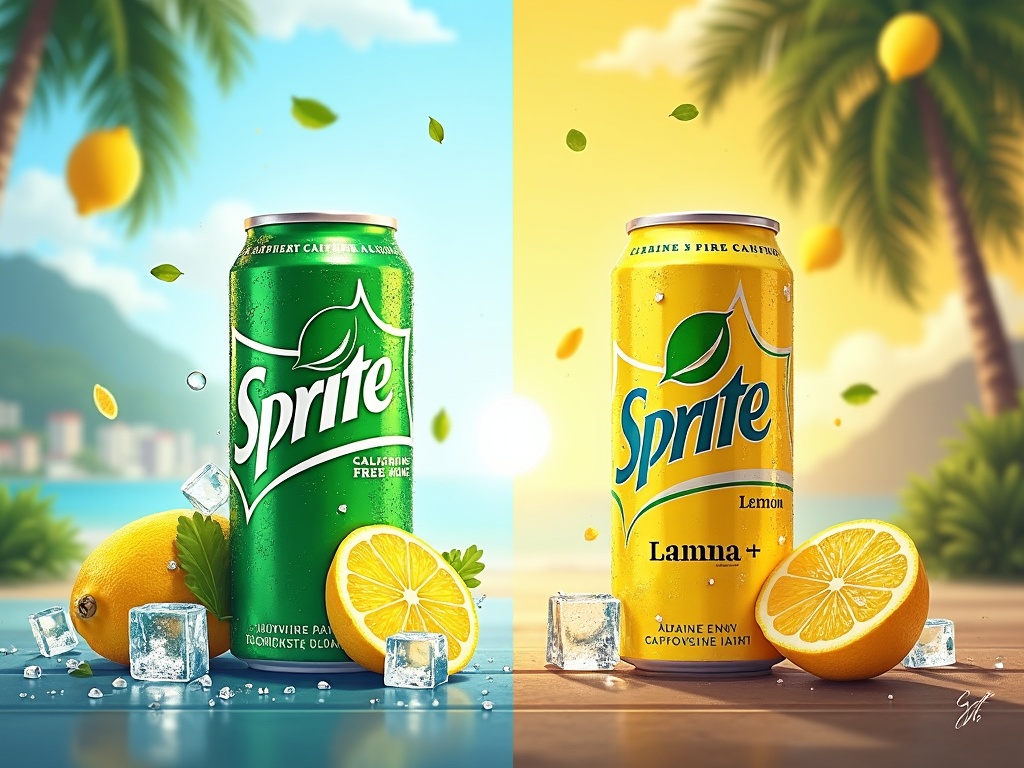
However, the beverage landscape has shifted with Coca-Cola’s introduction of new variants in specific regions. The company launched Sprite Lemon+ and Sprite Lemon+ Zero Sugar in ASEAN countries and South Pacific markets, fundamentally changing the caffeine conversation around this brand.
New Caffeine-Enhanced Variants
These innovative additions represent Coca-Cola’s strategic move into the energy-style soft drink category. Sprite Lemon+ contains caffeine alongside the traditional lemon-lime flavoring, creating a hybrid product that bridges regular sodas and energy drinks. The Zero Sugar version offers the same caffeine boost without added calories.
I’ve observed that these caffeine-enhanced variants target consumers who want the refreshing taste of Sprite with an energy component. Regional availability remains limited to specific markets where consumer demand for caffeinated sodas has grown significantly.
The absence of these products in the United States and most other global markets means that American consumers still encounter only the caffeine-free version. This regional approach allows Coca-Cola to test market response while maintaining the traditional formula in established markets.
For consumers wondering about caffeine content in their Sprite, checking the product label becomes essential. The packaging clearly indicates whether you’re purchasing standard Sprite or one of the newer caffeinated variants.
I recommend verifying the specific product version when traveling to ASEAN or South Pacific regions, as the visual packaging might appear similar despite different formulations. This distinction matters significantly for individuals monitoring their caffeine intake or those with caffeine sensitivities.
The expansion into caffeinated variants demonstrates how beverage companies adapt to regional preferences while preserving core product identity in primary markets. Whether these caffeine-enhanced versions will expand globally depends on consumer reception and market performance in current test regions.
For those seeking refreshing Sprite-based recipes, the caffeine-free standard version remains the most versatile option for mixing and cooking applications.
Healthier Alternatives to Regular Sprite
When you’re looking to reduce sugar intake while maintaining that refreshing lemon-lime taste, several healthier options can replace your regular Sprite consumption. I’ve found that many people don’t realize how easy it is to find satisfying alternatives that deliver similar flavors without the added sugars or artificial ingredients.
Sugar-Free Sparkling Options
Lemon-lime sparkling water stands out as the most direct substitute for Sprite. These beverages provide the same fizzy satisfaction and citrus taste while remaining completely caffeine-free and sugar-free. Most brands use natural flavoring to achieve that familiar lemon-lime profile you crave.
Plain sparkling water with fresh citrus offers even more control over your drink. Simply add fresh lemon and lime juice to unflavored carbonated water. This approach eliminates all additives while giving you the power to adjust sweetness and flavor intensity to your preferences.
DIY and Alternative Beverage Solutions
Creating homemade lemon soda opens up endless customization possibilities. I recommend starting with sparkling water as your base, then adding fresh citrus juice and natural sweeteners like stevia or monk fruit. You can even experiment with lemon-lime recipes that incorporate fresh herbs like mint or basil for added complexity.
For those who actually want caffeine in their drinks, unsweetened iced tea provides a completely different approach. Green tea with lemon offers antioxidants along with a mild caffeine boost, while black tea delivers more substantial energy without any sugar. Cold-brew coffee with a splash of lemon creates an interesting alternative that satisfies both caffeine needs and citrus cravings.
Fruit-infused sparkling water represents another excellent low-sugar option. Combine sparkling water with muddled fresh fruits, herbs, or even a small amount of 100% fruit juice. This method provides natural sweetness and vitamins while keeping sugar content significantly lower than traditional sodas.
These alternatives prove that you don’t need to sacrifice taste or refreshment when choosing healthier beverage options. Each substitute offers unique benefits, from zero calories to natural ingredients, while maintaining the crisp, refreshing qualities that make carbonated citrus drinks so appealing.
Sources:
The Coca-Cola Company – Official Sprite product information
Healthline – “Does Sprite Have Caffeine?”
Better Triathlete – Caffeine content report
Lifeboost Coffee – Soda comparison review
The Dieline – Sprite Lemon+ release announcement

