
No products in the cart.
Colgate Dental Care, Dental Care, Personal Care News
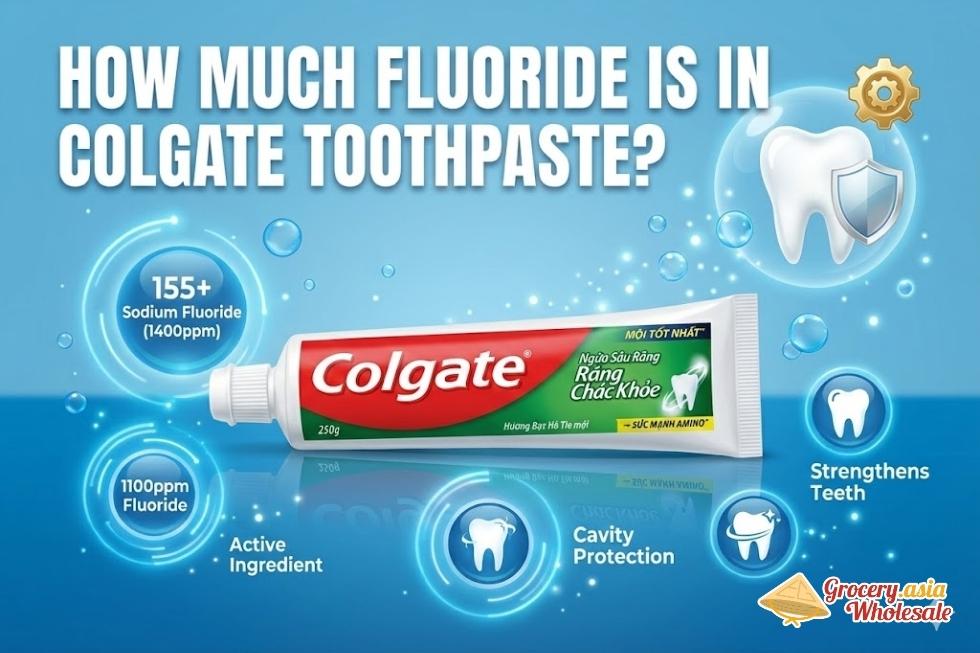
How Much Fluoride Is In Colgate Toothpaste Label
06
Dec
Dec
Colgate toothpaste labels include fluoride content within the FDA-required Active Ingredient section, offering transparency that aids consumers in making well-informed oral care choices.
Table of Contents
Understanding Fluoride Content in Colgate Toothpaste
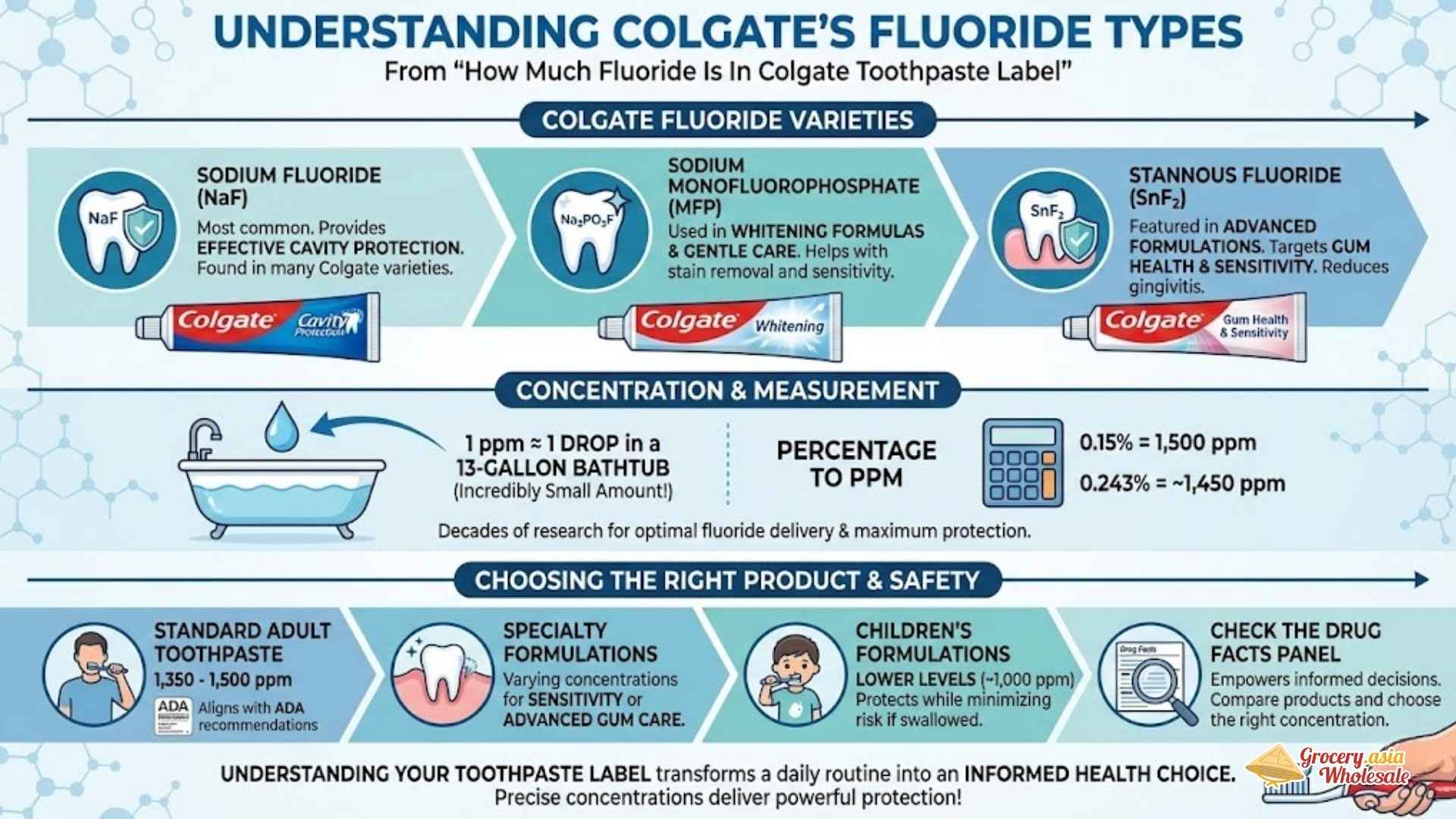
Most standard Colgate toothpaste formulations contain between 1,000 to 1,450 ppm of fluoride. This is achieved using one of three primary fluoride compounds:
- Sodium fluoride (NaF) – commonly used in standard toothpaste with clear cavity-fighting efficacy.
- Sodium monofluorophosphate (NaMFP) – a fluoride compound often found in Colgate’s everyday formulas.
- Stannous fluoride (SnF₂) – adds antibacterial benefits in addition to cavity protection.
The fluoride concentration in a toothpaste is directly tied to established dental recommendations for optimal protection against tooth decay. Learning how to identify these on the label ensures more strategic oral health management.
Key Takeaways
- Most Colgate toothpastes display fluoride concentrations ranging from 1,000–1,500 ppm, often labeled as 0.243% Sodium Fluoride (1,100 ppm) or 0.76% Sodium Monofluorophosphate (1,000 ppm).
- Children’s Colgate formulas usually maintain the same fluoride concentration as adult toothpastes. Safety is ensured by encouraging proper dosing and supervision, not by lowering fluoride strength.
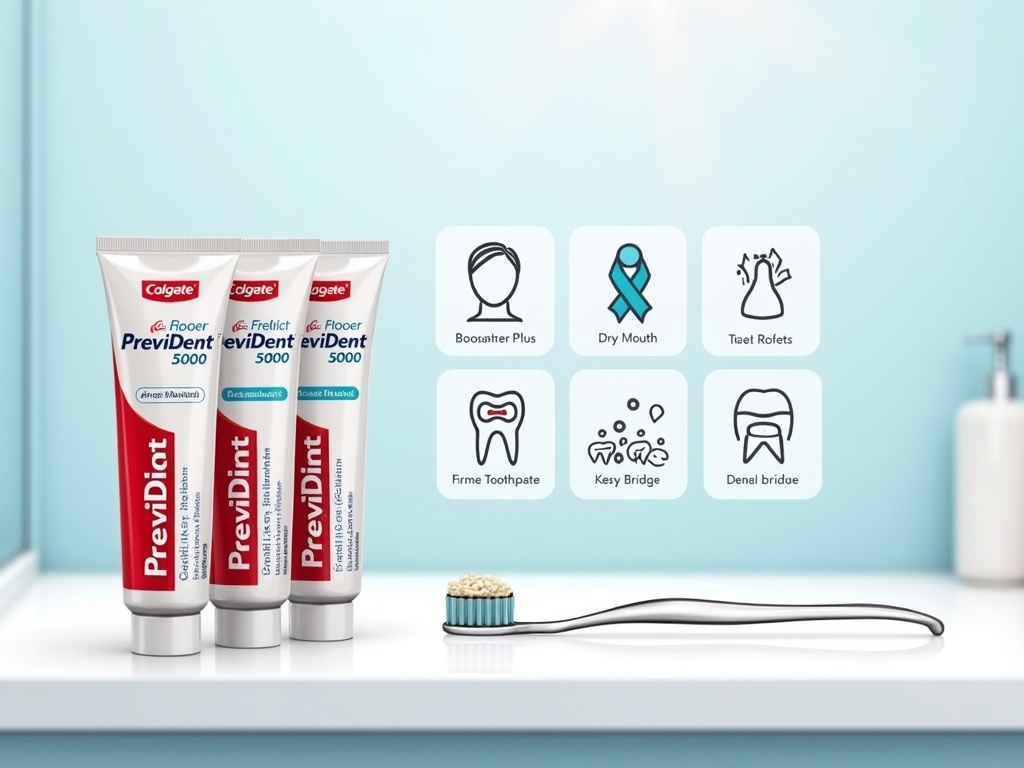
- Colgate PreviDent 5000 is a prescription-strength toothpaste containing 5,000 ppm fluoride (1.1% sodium fluoride), specifically recommended for individuals with high risk of decay, such as those with dry mouth or frequent cavities.
- Different fluoride compounds require various percentages to equal the same ppm levels, due to differences in molecular weight and effective fluoride yield.
- The FDA-mandated Drug Facts panel on Colgate products provides comprehensive fluoride content information, enabling consumers to compare brands and choose appropriate protection for their needs.
Consumers can explore further details on fluoride levels and formulations through reliable sources such as the official Colgate website and the FDA’s official guidance on oral health products.
Decoding the Fluoride on Your Colgate Label
Every Colgate tube displays essential fluoride information in the Active Ingredient section, which the FDA mandates on all toothpaste Drug Facts labels. I’ll walk you through exactly what those numbers mean and how to interpret them correctly.
Understanding Fluoride Types in Colgate Products
Colgate incorporates three distinct fluoride compounds across its product line. Sodium Fluoride (NaF) appears most commonly and provides straightforward cavity protection. Sodium Monofluorophosphate (MFP) offers similar benefits with slightly different chemical properties. Stannous Fluoride (SnF2) delivers additional antimicrobial benefits beyond basic cavity prevention.
Each compound works differently in your mouth, but all serve the primary purpose of strengthening tooth enamel. Colgate’s cavity prevention strategy relies heavily on these fluoride variations to address different oral health needs.
Reading Fluoride Concentration Numbers
The label shows fluoride concentration in two possible formats: percentage or parts per million (ppm). A typical reading might display “0.243% Sodium Fluoride” or equivalent ppm measurements. This percentage directly translates to fluoride levels that dental professionals reference in their recommendations.
To put this in perspective, 1 ppm equals one drop of water in a 13-gallon bathtub. That might sound minimal, but this concentration proves highly effective for oral health. Most standard Colgate formulations contain between 1,000 to 1,450 ppm of fluoride, which aligns with dental association guidelines for optimal protection.
I recommend checking fluoride safety levels if you’re concerned about intake amounts. The percentage you see on your tube corresponds directly to established dental measurements, making it easy to compare products and ensure you’re getting appropriate fluoride exposure.
Different Colgate products vary in fluoride concentration based on their intended use:
- Regular formulations typically maintain standard levels.
- Specialized products like Colgate Total might incorporate specific fluoride types for enhanced benefits.
- Children’s formulations often contain lower concentrations to account for smaller body weights and potential swallowing.
The Drug Facts panel provides complete transparency about what you’re putting in your mouth. By understanding these numbers, you can make informed decisions about which Colgate product best fits your oral health needs and fluoride requirements.
Standard Colgate Toothpastes: What’s in Your Tube
I’ve found that most over-the-counter Colgate toothpastes contain between 1000 and 1500 parts per million (ppm) of fluoride, which falls perfectly within the American Dental Association’s recommended range for maximum cavity protection. This concentration provides optimal benefits without crossing into potentially harmful territory.
Understanding Fluoride Concentrations in Different Forms
Different types of fluoride compounds deliver varying concentrations, even when percentages appear similar. Here’s what you’ll typically find in Colgate products:
- 0.243% Sodium Fluoride delivers 1100 ppm fluoride
- 0.76% Sodium Monofluorophosphate provides 1000 ppm fluoride
- 0.454% Stannous Fluoride contains 1100 ppm fluoride
These variations exist because each fluoride compound has a different molecular weight and fluoride content. Sodium fluoride is the most concentrated form, which is why it requires a lower percentage to achieve the same fluoride levels as other compounds.
Popular Colgate Products and Their Fluoride Content
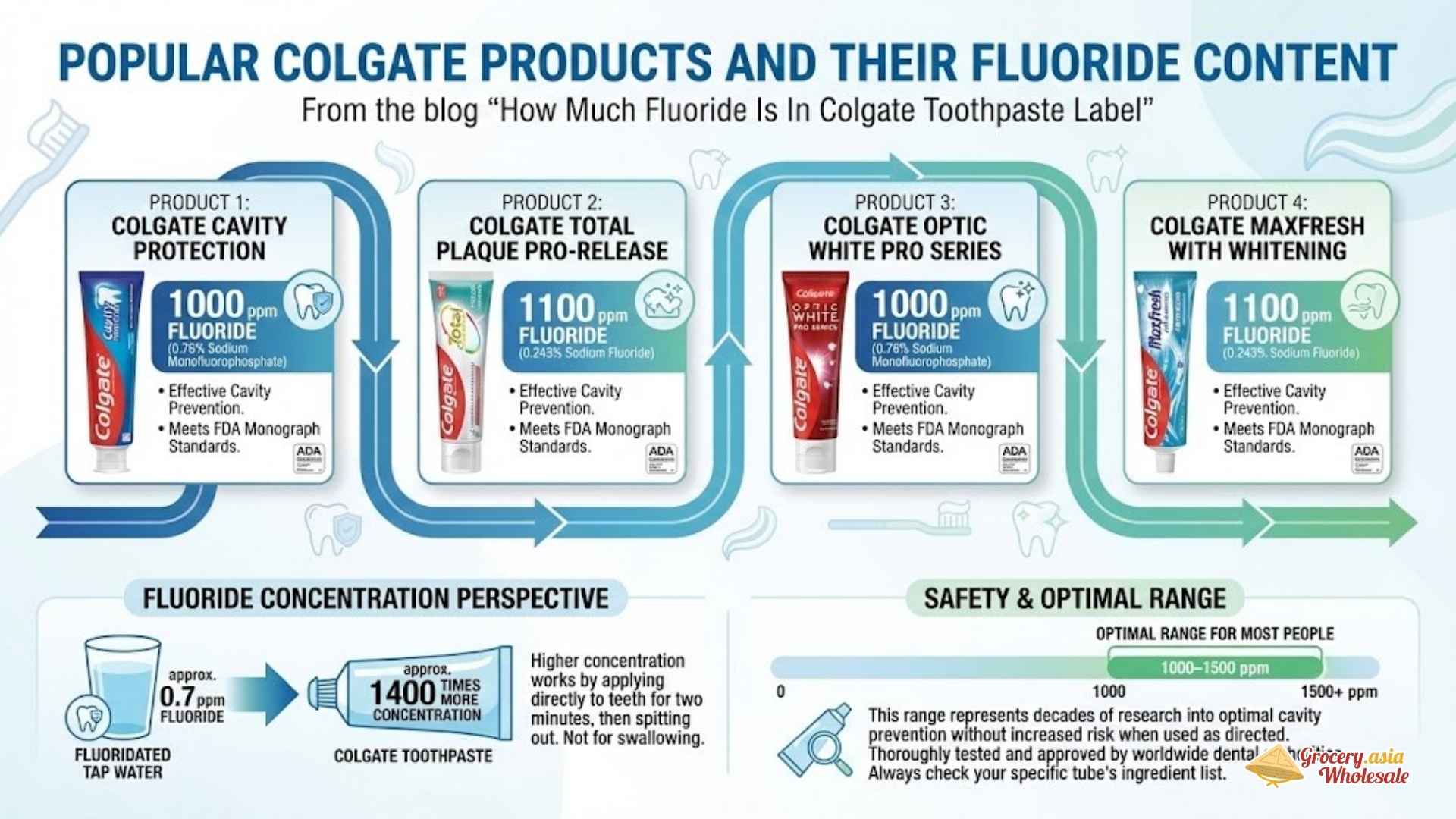
I’ve examined several mainstream Colgate toothpastes to provide you with specific fluoride measurements. Colgate Cavity Protection contains 1000 ppm fluoride, making it an effective choice for basic cavity prevention. Colgate Total Plaque Pro-Release steps up the protection with 1100 ppm fluoride, while Colgate Optic White Pro Series maintains 1000 ppm despite its whitening focus.
Colgate Total formulations typically contain 1100 ppm fluoride, which supports comprehensive oral health beyond just cavity prevention. Meanwhile, Colgate MaxFresh With Whitening delivers 1100 ppm fluoride while maintaining its freshening properties.
To put these numbers in perspective, fluoridated tap water contains approximately 0.7 ppm fluoride. This means your Colgate toothpaste contains roughly 1,400 to 2,100 times more fluoride than your drinking water. However, this concentration difference is intentional and safe when used as directed, since you’re not swallowing toothpaste in large quantities.
The fluoride levels in Colgate toothpaste are carefully calibrated to provide maximum dental benefits while maintaining safety standards. Most adults use about a pea-sized amount of toothpaste, which contains roughly 1-2 milligrams of fluoride per brushing session.
I recommend checking your specific Colgate product’s label for exact fluoride content, as formulations can vary slightly between regions and product lines. The fluoride concentration is typically listed as either a percentage of the active ingredient or directly as ppm on the packaging. Understanding these measurements helps you make informed decisions about your oral care routine and ensures you’re getting adequate fluoride protection for your teeth.
Children’s Toothpaste: Same Strength, Different Amount
I’ve found that most parents assume children’s toothpaste contains less fluoride than adult versions, but this isn’t accurate. Modern Colgate kids’ toothpastes actually include the same fluoride concentration as adult formulas—typically between 1000–1100 ppm. The safety approach centers on controlling the amount of toothpaste children use rather than reducing the fluoride strength.
Age-Appropriate Dosing Guidelines
The American Dental Association provides clear recommendations for proper toothpaste amounts based on age:
- Children under age 3: Rice-sized smear containing approximately 0.1 mg fluoride
- Children ages 3–6: Pea-sized amount containing approximately 0.25 mg fluoride
Take Colgate Kids 2in1 Watermelon Burst as an example—it contains 0.243% Sodium Fluoride, which equals 1100 ppm. This concentration matches what you’ll find in standard Colgate toothpaste formulations. The difference lies in portion control, not fluoride reduction.
Supervision during brushing becomes critical since young children haven’t developed proper spitting reflexes. I recommend staying with your child during their entire brushing routine to ensure they spit out the toothpaste rather than swallowing it. This practice protects against excessive fluoride intake while still providing the cavity protection benefits that make Colgate toothpaste effective for developing teeth.
Excessive fluoride ingestion during tooth development can lead to dental fluorosis, a mild cosmetic condition that causes white spots or streaking on permanent teeth. While this condition doesn’t affect tooth function, it’s easily preventable through proper dosing and supervision. The same fluoride concentration that provides excellent protection in controlled amounts can cause problems when consumed in excess.
Children’s toothpaste formulations focus on appealing flavors and fun packaging rather than reduced fluoride content. This approach ensures kids receive optimal protection against cavities while parents control the dose. Remember that comprehensive oral health starts early, and proper fluoride exposure during childhood establishes strong dental foundations for life.
Teaching children to use the correct amount creates lasting habits that serve them well into adulthood. Start with visual cues—show them exactly what rice-sized and pea-sized amounts look like on their toothbrush. Consistent enforcement of these guidelines ensures your child receives fluoride’s protective benefits without unnecessary risks.
Prescription-Strength Options for High-Risk Patients
I’ve observed a significant gap between standard over-the-counter fluoride levels and what certain patients truly need for optimal oral health. Colgate PreviDent 5000 bridges this gap with its impressive 1.1% sodium fluoride concentration, delivering 5000 ppm of fluoride—approximately 4.5 times stronger than typical store-bought formulas.
Who Qualifies for Prescription Fluoride
Dentists prescribe PreviDent 5000 exclusively for patients facing elevated cavity risks. I recommend this powerful formulation for several specific conditions that require enhanced fluoride protection:
- Individuals experiencing recurrent tooth decay despite regular oral care
- Patients with dry mouth (xerostomia) from medications or medical conditions
- Those wearing braces or other orthodontic appliances
- Adults with exposed tooth roots due to gum recession
- Cancer patients undergoing radiation therapy affecting the head and neck region
- Individuals with extensive crown and bridge restorations
These conditions create environments where standard fluoride levels simply aren’t sufficient to prevent dental problems effectively.
Available Formulations and Proper Usage
Colgate offers several PreviDent 5000 variants to address different patient needs:
- PreviDent 5000 Plus – standard high-fluoride formula
- Booster Plus – includes additional calcium and phosphate for enhanced remineralization
- Sensitive – incorporates potassium nitrate to reduce tooth sensitivity
Each variant maintains the same 5000 ppm fluoride concentration, ensuring consistent protection regardless of which formulation your dentist prescribes. Unlike regular cavity prevention toothpaste, these prescription products require careful adherence to usage instructions due to their potent fluoride content.
Proper application involves using only a thin ribbon of toothpaste—about the size of a grain of rice for adults. I always emphasize to patients that more isn’t better with prescription fluoride products. Excessive use can lead to fluoride ingestion beyond recommended levels, potentially causing dental fluorosis or other complications.
After brushing with PreviDent 5000, patients should spit thoroughly but avoid rinsing with water immediately. This allows the high fluoride concentration to remain in contact with teeth for maximum benefit. The enhanced fluoride levels work continuously to strengthen enamel and reverse early stages of tooth decay.
Storage requirements differ from regular toothpaste as well. These prescription formulas should be kept in cool, dry places and away from children due to their concentrated fluoride content. The packaging typically includes clear warnings about proper storage and usage to prevent accidental ingestion.
Most insurance plans cover prescription fluoride toothpaste when prescribed by a dental professional for documented high-risk conditions. This makes PreviDent 5000 an accessible option for patients who genuinely need enhanced fluoride protection beyond what standard formulations provide.
Regular monitoring becomes essential when using prescription-strength fluoride products. Dentists typically schedule more frequent check-ups to assess treatment effectiveness and ensure patients aren’t experiencing any adverse reactions. The goal is achieving optimal mouth health while maintaining safety standards.
I’ve found that patients often see remarkable improvements in their cavity rates within six months of starting prescription fluoride therapy. However, success depends entirely on following the prescribed usage protocol and maintaining regular dental visits for ongoing assessment.
How Fluoride Protects Your Teeth: The Science Behind the Numbers
The fluoride concentration found in Colgate toothpaste isn’t arbitrary—it represents decades of scientific research that pinpointed the optimal balance between effective cavity prevention and safety. I’ve studied the extensive clinical data supporting the 1000-1500 ppm range, and the evidence consistently demonstrates this concentration delivers maximum protection while maintaining an excellent safety profile.
The Remineralization Process: How Fluoride Repairs Your Teeth
Fluoride works by integrating directly into your tooth structure during a natural process called remineralization. When you brush with fluoride toothpaste, the fluoride ions penetrate the enamel surface and form fluoroapatite—a compound that’s significantly more resistant to acid attacks than your natural tooth enamel.
This integration happens continuously throughout the day as your teeth undergo constant cycles of mineral loss and repair. Your saliva contains calcium and phosphate that naturally work to rebuild weakened enamel, but fluoride supercharges this process. The fluoride essentially acts as a catalyst, making the remineralization process more efficient and creating stronger, more acid-resistant tooth surfaces.
Breaking the Acid Attack Cycle
Your mouth hosts billions of bacteria that feed on sugars and starches from food particles. These bacteria produce lactic acid as a waste product, which directly attacks your tooth enamel in a process called demineralization. Without intervention, this acid production creates the perfect conditions for cavity formation.
Fluoride disrupts this destructive cycle in multiple ways:
- Makes enamel more resistant to acid dissolution.
- Interferes with bacterial metabolism, reducing acid production.
Studies show that teeth exposed to fluoride in the 1000-1500 ppm range develop significantly stronger resistance to these bacterial acid attacks.
The timing of fluoride exposure matters tremendously. Bacteria produce the most acid within 20 minutes after eating, making regular brushing with cavity-preventing toothpaste essential for maintaining oral health. The sustained fluoride presence in your saliva after brushing continues working for hours, providing ongoing protection against acid attacks.
Clinical research demonstrates that fluoride’s protective effects are dose-dependent up to the optimal range:
- Lower concentrations don’t provide adequate protection.
- Higher concentrations don’t add benefits and may cause fluorosis in developing teeth.
The 1000-1500 ppm range represents the sweet spot where fluoride maximizes its protective benefits. At these concentrations, fluoride creates a reservoir in your saliva that continuously bathes your teeth in protective ions. This sustained exposure ensures that remineralization occurs more rapidly than demineralization, keeping your teeth strong and cavity-free.
Modern formulations like Colgate Total combine this optimal fluoride level with other active ingredients that enhance the overall protective effect. The synergistic action of multiple protective agents creates an environment where harmful bacteria struggle to establish the acidic conditions needed for cavity formation.
I’ve observed that people who consistently use fluoride toothpaste within this proven range experience dramatically lower rates of tooth decay compared to those using fluoride-free alternatives. The scientific consensus supporting these concentrations spans over 50 years of research across multiple countries and populations, making it one of the most well-established preventive measures in dentistry.
The beauty of this fluoride concentration lies in its ability to work with your body’s natural defense mechanisms rather than against them. Your saliva already contains fluoride from various sources, and the additional fluoride from toothpaste brings the total concentration to levels that optimize the remineralization process without overwhelming your system’s natural balance.
Sources:
Colgate Professional – PreviDent 5000 Product Information
American Dental Association (ADA) – Fluoride & Toothpaste Guidelines
U.S. FDA – Anticaries Drug Products (21 CFR Part 355)
American Academy of Pediatrics (AAP) – Fluoride Use in Caries Prevention

