
No products in the cart.
Fanta Carbonated Soft Drinks, Soft Drinks
Where Did Fanta Originate And Spread Worldwide
06
Dec
Dec
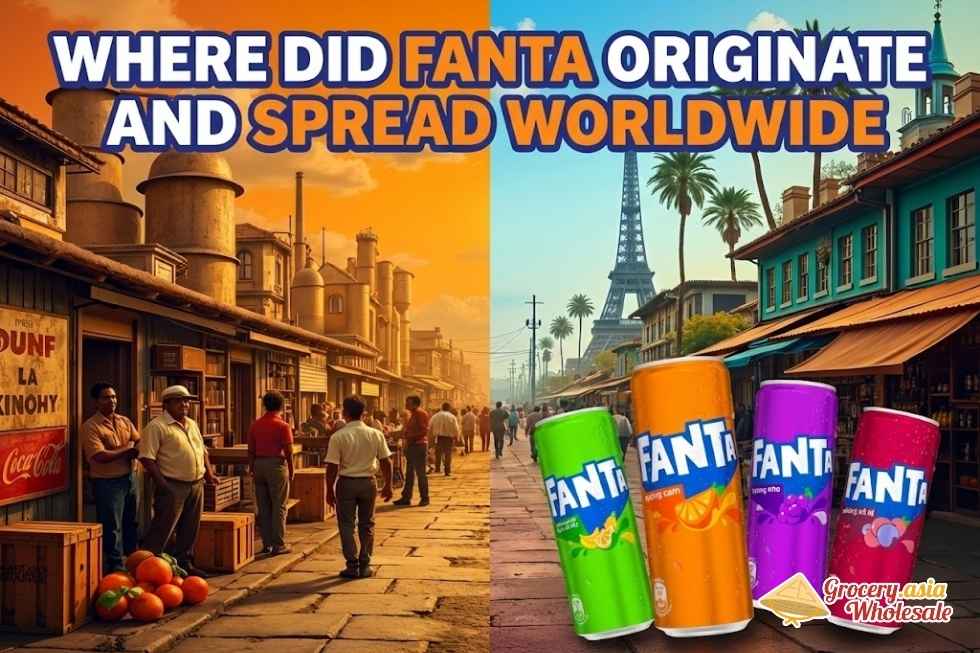
Fanta emerged amid the turmoil of World War II, created out of necessity by Max Keith in Nazi Germany when Coca-Cola’s syrup imports were halted due to U.S. trade embargos. This innovative solution, made with ingredients like whey and apple pomace, eventually transformed into a beloved global brand recognized across continents.
Table of Contents
Key Takeaways
- Fanta originated in 1940 in Nazi Germany, created by Max Keith as a substitute for Coca-Cola during wartime embargos that severed syrup supply lines from the U.S.
- The orange Fanta we know today was first formulated in Italy in 1955, predating Coca-Cola’s global relaunch of the product in 1960.
- Wartime success was significant, with Fanta selling over 3 million cases in Germany by 1943, where it was also incorporated into cooking amid food rationing.
- Worldwide presence: Fanta is now available in more than 190 countries and offers over 200 distinct flavors, adjusting to local tastes to attract diverse markets.
- A global empire built on adaptation: Coca-Cola’s strategy of cultural sensitivity and localization was key in transforming Fanta from a wartime invention into a global favorite.
From Necessity to Legacy
Fanta’s unusual beginnings set the stage for an inspiring brand evolution. Coca-Cola’s relaunch of the beverage in 1960, anchored by its popular orange variant developed in Italy, was a calculated move that laid the groundwork for Fanta’s global rise.
Flavor Diversity and Global Reach
With over 2 billion cases sold annually and regional flavor variations tailored to local preferences, Fanta’s success highlights the power of adaptable branding. From classic Orange Fanta to exotic varieties such as lychee and tamarind, the brand appeals to a wide spectrum of consumers worldwide.
Born from Wartime Innovation in Nazi Germany
The Emergency Creation of a Wartime Alternative
When the U.S. embargo severed Coca-Cola syrup shipments to Germany in 1940, Max Keith faced an impossible situation. As head of Coca-Cola Deutschland, he needed to keep the company’s German operations alive without access to the secret formula that made Coca-Cola famous. Keith’s solution was both desperate and ingenious – create an entirely new beverage using only ingredients available within Germany’s borders.
The makeshift formula included whey, apple pomace, and sugar beet byproducts – hardly the premium ingredients one might expect from what would become a global brand. Yet Keith’s resourcefulness transformed these wartime scraps into something marketable. During a company brainstorming session, salesman Joe Knipp suggested the name “Fanta,” derived from the German word “Fantasie” meaning imagination. The name perfectly captured the creative spirit behind this wartime innovation.
Unexpected Success During Difficult Times
I find it remarkable how quickly Fanta gained traction despite its humble beginnings. By 1943, the brand had achieved commercial success with over 3 million cases sold across Germany. Fanta’s origins during wartime rationing led to an unexpected culinary role that extended far beyond simple refreshment.
Sugar rationing forced German households to get creative with their limited resources. Customers discovered that Fanta worked exceptionally well as a cooking ingredient, adding both sweetness and flavor to soups, stews, and baked goods. This versatility transformed the beverage from a Coca-Cola substitute into something uniquely valuable during food shortages.
The drink became more than just a commercial product – it evolved into a symbol of German ingenuity and self-reliance during wartime. Its widespread distribution across German society reflected how Fanta became famous not through traditional marketing, but through necessity and national pride. Keith’s emergency solution had inadvertently created something that resonated deeply with the German population during one of their most challenging periods.
The success of this wartime creation demonstrates how innovation often emerges from constraint rather than abundance. What began as a desperate attempt to maintain business operations became the foundation for what would eventually become one of the world’s most recognizable soft drink brands.

Coca-Cola’s Strategic Expansion and the Orange Fanta Revolution
I find it fascinating how Coca-Cola transformed a wartime necessity into a global beverage empire. After World War II ended, Fanta production in Germany ceased completely in 1949, marking the end of the original apple-flavored drink that had sustained operations during the conflict. However, this wasn’t the end of Fanta’s story—it was just the beginning of something much bigger.
Coca-Cola recognized the potential value in the Fanta name and fully revived the brand in 1960, complete with proper registration and trademark protection. This strategic move wasn’t accidental. The company needed a powerful weapon to counter Pepsi’s growing dominance in the global fruit-flavored beverage market, and Fanta represented the perfect opportunity for diversification.
The Italian Innovation That Changed Everything
The modern orange formulation that we know today actually debuted in Italy in 1955, five years before the official global relaunch. Italian operations cleverly utilized local citrus fruits to create a distinctly different product from the original German version. This innovation proved brilliant—the vibrant orange flavor captured consumer attention in ways the wartime apple version never could.
Building on this Italian success, Fanta Orange arrived in the United States in 1958, two years ahead of the global brand registration. American consumers embraced the refreshing citrus taste, proving that the Italian formula could succeed across different markets and cultures.
What many people don’t realize is how the profits earned during those wartime operations in Germany actually funded Coca-Cola’s aggressive post-war global expansion. The money generated from selling Fanta to German consumers during the 1940s provided crucial capital for international growth initiatives throughout the 1950s and beyond.
The successful reintroduction demonstrated something crucial about international business strategy—product diversification could unlock entirely new market segments. While Coca-Cola dominated cola beverages, Fanta allowed the company to compete directly with local fruit drink manufacturers worldwide. This approach proved so effective that Fanta became one of the world’s most recognizable beverage brands.
I believe this strategic revival represents one of the most successful brand resurrections in beverage history. Coca-Cola took a wartime survival product and transformed it into a global phenomenon that continues to generate billions in revenue today. The orange revolution that began in Italy ultimately helped establish Coca-Cola’s position as the world’s largest beverage company, proving that sometimes the most unexpected products can become the most valuable assets.
Global Phenomenon: 200+ Flavors in 190 Countries
Fanta has transformed from its humble German origins into one of the most recognizable beverage brands on the planet. The brand reaches consumers across 190+ countries, offering more than 200 distinct flavors that cater to local preferences and cultural tastes. This extensive reach makes Fanta one of the most consumed fruit-flavored sodas worldwide and positions it as a cornerstone in Coca-Cola’s diverse portfolio.
Localized Strategy Drives Success
Coca-Cola’s approach to Fanta involves strategic localization rather than a one-size-fits-all formula. The company adapts formulations to match regional taste preferences, creating unique flavor profiles that resonate with local consumers. This strategy explains why Fanta became so famous across diverse markets with varying culinary traditions and flavor expectations.
The localization extends beyond simple flavor variations. Coca-Cola adjusts sweetness levels, carbonation intensity, and even packaging designs to align with local preferences. For instance:
- Tropical fruit flavors dominate in Southeast Asian markets.
- Citrus variants remain popular in European countries.
This flexibility allows the brand to maintain relevance across dramatically different consumer bases.
Fanta serves as an accessible entry product for new soft drink consumers in developing markets. The brand’s approachable fruit flavors and often lower price points make it an ideal introduction to carbonated beverages for those who find cola flavors too intense or unfamiliar. This positioning has proven effective in emerging economies where disposable income continues to grow.
Growth patterns reveal the brand’s global momentum:
- 12-15% annual growth in Southeast Asia and Africa
- Compared to 2-3% growth in mature markets like North America and Western Europe
These emerging markets represent the future of Fanta’s expansion, with young populations increasingly drawn to flavored sodas.
The numbers behind Fanta’s success tell a compelling story. Global sales exceed 2 billion cases each year, cementing the brand’s position as a major revenue driver for Coca-Cola. This volume represents millions of consumers choosing Fanta daily across six continents—from street vendors in Lagos to convenience stores in Tokyo.
Coca-Cola’s ownership of the Fanta brand enables the company to leverage its extensive distribution network and marketing expertise. The global infrastructure that supports Coca-Cola’s flagship cola products seamlessly extends to Fanta, ensuring consistent availability and quality standards worldwide.
Market penetration varies significantly by region, with some countries showing Fanta consumption that rivals or exceeds traditional cola preferences. African markets, in particular, demonstrate strong affinity for fruit-flavored sodas, with Fanta often outselling other carbonated beverages in key demographics.
The brand’s adaptability has allowed it to thrive in markets with strict regulations or unique consumer demands. Coca-Cola has introduced:
- Sugar-free variants
- Natural ingredient formulations
- Reduced-calorie options
These meet the needs of health-conscious markets, while bold, intense flavors cater to younger consumers seeking novel taste experiences.
Distribution strategies reflect local market conditions as well. In developed markets, Fanta appears primarily in retail chains and vending machines. However, in developing regions, the brand reaches consumers through:
- Informal retail networks
- Street vendors
- Small neighborhood stores
These local outlets often serve as community gathering points, enhancing Fanta’s cultural relevance.
The 200+ flavor varieties represent more than simple product differentiation—they embody Coca-Cola’s commitment to understanding and serving local tastes. From lychee in China to passion fruit in Brazil, each flavor tells the story of consumer research, taste testing, and cultural adaptation that has driven Fanta’s winning formula across diverse markets.
This global success builds upon the foundation established decades ago, when Fanta originated during challenging circumstances in Germany. The brand’s evolution from wartime necessity to global phenomenon demonstrates the power of adaptability and local market understanding in building lasting consumer connections.
Regional Flavor Innovations: From Japan to Africa
I’ve discovered that Fanta’s origins led to an incredible global expansion story where local tastes shaped distinct regional offerings. Each market developed its own flavor identity based on cultural preferences and available ingredients.
Asian Markets Lead Innovation
Japan stands out as Fanta’s most experimental playground, where I’ve seen flavors that would surprise most Western consumers. The Japanese market embraces seasonal variations with offerings like Melon, White Peach, and Yogurt Fanta appearing throughout different times of the year. These limited editions create excitement and drive repeat purchases among consumers who eagerly anticipate new releases.
China took a different approach, focusing on fruit flavors that resonated with local preferences. Green Apple and Watermelon varieties experienced remarkable growth between 2015 and 2018, proving that understanding regional taste preferences drives success. India developed its own signature approach by creating a sweeter profile for the classic Orange flavor while introducing unique options like Green Mango Fanta that celebrate local fruit traditions.
European and Mediterranean Differentiation
European markets carved their own distinct paths based on regional ingredients and cultural preferences. Romania embraced Fanta Shokata, featuring elderflower that connects with local botanical traditions. Mediterranean countries gravitated toward Fanta Lemon, which complements the citrus-rich cuisine and warm climate preferences of the region.
Flavor Preferences in Africa and the Middle East
Africa and the Middle East present fascinating case studies in flavor adaptation. Pineapple and Blackcurrant variants dominate these markets, accounting for up to 70% of Fanta’s sales in some African countries. This preference reflects both local fruit availability and established taste preferences developed over decades.
Latin American Identity
Brazil showcases how Fanta’s success comes from embracing local fruit culture. Grape and Guaraná flavors cater specifically to Brazilian preferences, with Guaraná being particularly significant as it’s derived from an Amazonian fruit with cultural importance in the country.
Fanta Orange: The Global Constant
Despite all these regional innovations, Fanta Orange maintains its position as the global leader. This classic flavor represents approximately 70% of worldwide Fanta sales, proving that while local adaptation matters, some tastes transcend cultural boundaries. The orange flavor’s universal appeal demonstrates how Fanta’s invention created something that could adapt while maintaining its core identity.
Behind the Flavor Development
Regional flavor development isn’t random – it reflects careful market research and understanding of local preferences. Companies analyze consumption patterns, conduct taste tests, and study cultural food traditions before introducing new variants. Success requires balancing global brand recognition with local relevance.
Temporal and Agricultural Influences
The seasonal approach used in Japan has influenced other markets to experiment with limited-time offerings. These create urgency among consumers and allow brands to test new flavors without long-term commitments. Some seasonal flavors eventually become permanent additions if they prove popular enough.
Fruit availability also plays a crucial role in flavor selection. Countries with strong citrus production often embrace lemon and orange variants, while tropical regions gravitate toward pineapple and mango options. This connection between local agriculture and flavor preferences creates authentic regional identities.
Marketing and Manufacturing Realities
Marketing strategies vary significantly across regions to support these different flavors:
- White Peach Fanta in Japan may rely on minimalist, seasonal-themed campaigns.
- Blackcurrant Fanta in Nigeria might use vibrant community-based festivals or radio campaigns.
Manufacturing considerations also influence regional offerings. Some flavors require specific ingredients that may be expensive to import or difficult to source consistently. This practical aspect often determines which experimental flavors become permanent additions to regional lineups.
Consumer Feedback Mechanisms
Consumer feedback loops differ dramatically between markets. Japanese consumers might provide detailed feedback through social media and product review platforms, while African markets might rely more on word-of-mouth and traditional community feedback mechanisms. Understanding these communication patterns helps brands refine their offerings effectively.
Fanta’s journey from Germany to global stardom is a case study in balancing consistency with customization. Its ability to adapt based on the taste trends of each region ensures that while the drink tastes different around the world, the essence of Fanta remains the same.
Where Did Fanta Originate: A Blueprint for Global Success
Fanta’s origins tell a remarkable story of transformation from wartime necessity to global phenomenon. What began as a makeshift solution in 1940s Germany has evolved into one of the world’s most recognizable beverage brands, demonstrating how smart marketing can turn challenging circumstances into extraordinary opportunities.
From Wartime Solution to Global Empire
I find it fascinating how Coca-Cola’s need for alternatives during World War II created an unexpected foundation for global expansion. The company didn’t just restore Fanta after the war – they reimagined it completely. By the 1950s, Coca-Cola had transformed this European creation into a vibrant, youth-focused brand that would capture markets worldwide.
The genius lies in how Coca-Cola approached Fanta’s global rollout. Rather than imposing a single formula everywhere, they embraced local tastes and preferences. This strategy proved revolutionary for its time and continues to drive success today.
The Localization Formula That Changed Everything
Fanta’s localized flavor strategy has become the gold standard for multinational beverage expansion. I’ve observed how this approach works across different markets:
- Orange remains the flagship flavor in most Western markets, maintaining brand consistency
- Tropical fruit variants dominate in Southeast Asian countries like Thailand and Malaysia
- Apple flavors perform exceptionally well in Eastern European markets
- Unique regional flavors like lychee and green apple cater to specific local preferences
- Seasonal and limited-edition offerings create excitement and drive trial purchases
This flexibility has allowed Fanta to compete effectively against local brands while maintaining its global identity. The approach demonstrates how strategic adaptation wins markets more effectively than rigid standardization.
Today, Fanta continues to drive Coca-Cola’s emerging market growth, particularly across Africa, India, and Southeast Asia. The brand’s success in these regions stems from its ability to offer affordable refreshment with flavors that resonate locally. In many African markets, Fanta outsells Coca-Cola itself, proving that the localization strategy remains as relevant as ever.
The blueprint Fanta created has influenced how multinational companies approach global expansion. By respecting local tastes while maintaining core brand values, businesses can achieve both scale and relevance. Fanta’s ongoing success under Coca-Cola’s stewardship shows how wartime innovation can evolve into enduring global triumph through smart adaptation and cultural sensitivity.
Sources:
Coca-Cola Company archives
BBC News – The surprising history behind Fanta
NPR Planet Money – “The Fascinating Wartime Origins of Fanta”
Smithsonian Magazine – Beverage history features
Coca-Cola Journey – Brand history pages

