
No products in the cart.
Beverages News, Energy Drinks, Red Bull Energy Drink
Is Red Bull Energy Drink Good For You Long Term?
26
Dec
Dec
Red Bull energy drinks carry serious long-term health consequences that far exceed their brief energy boost, especially with regular consumption over months or years. Medical experts agree that while healthy adults might tolerate occasional use, consistent intake places dangerous stress on cardiovascular systems, disrupts metabolism, and creates dependency patterns that undermine total health.
Table of Contents
Key Takeaways
- Regular Red Bull consumption elevates risks of hypertension, heart palpitations, type 2 diabetes, and dental damage from excessive caffeine and sugar content.
- The beverage triggers an energy crash cycle that fosters dependency, demanding increased quantities over time to maintain the same alertness levels.
- High-risk groups including children, pregnant women, and individuals with heart conditions or anxiety disorders must avoid Red Bull completely.
- Each 8.4 oz can delivers 80mg of caffeine and 27 grams of sugar, accounting for nearly 70% of daily recommended added sugar intake.
- Natural alternatives like proper hydration, balanced nutrition, adequate sleep, and moderate coffee consumption supply sustainable energy without health consequences.
Health Risks of Long-Term Red Bull Consumption
Compounding Ingredient Effects
Red Bull’s combination of high caffeine, excessive sugar, and synthetic stimulants creates a hazardous cocktail. Each compound exacerbates the negative impact of the others, causing cumulative health damage that builds silently over time. Most users remain unaware until complications arise, sometimes years later.
Dependency and Energy Crash Cycles
Repeated Red Bull consumption leads to a self-perpetuating dependency cycle. Initial energy bursts are followed by crashes, prompting more intake to regain alertness. Over time, tolerance increases, requiring higher doses to achieve similar effects, trapping consumers in a harmful loop.
Cardiovascular Consequences
Heart health suffers significantly from repeated exposure to stimulants. Caffeine and taurine increase heart rate and blood pressure, risking arrhythmias and long-term strain on cardiac muscles and blood vessels. These effects can linger well beyond consumption, particularly in those with pre-existing heart conditions.
Blood Sugar Disruption
Each Red Bull introduces large quantities of refined sugar into the body, spiking blood glucose levels and triggering rapid insulin responses. Over time, this pattern deteriorates insulin sensitivity and contributes to increased risk of type 2 diabetes. Sugar-free versions introduce metabolic concerns from synthetic sweeteners as well.
Oral Health Deterioration
Red Bull’s acidic pH combined with high sugar content promotes quick enamel erosion and increases the likelihood of permanent tooth damage. The sugary, acidic environment encourages bacterial growth and tooth decay that even professional dental care may not fully reverse.
Sleep Disruption
Caffeine’s long half-life interferes with natural sleep patterns. Consistent Red Bull use diminishes sleep quality, which then motivates further intake, causing a harmful feedback loop. Sleep deprivation negatively impacts cognition, mood, and physical health over time.
Mental Health Impacts
Energy drink consumption correlates with higher levels of anxiety and mood instability. Some users experience depressive episodes during crash phases, especially when consumed regularly. Mental health conditions may worsen with ongoing use of stimulant-based beverages.
Particularly Vulnerable Populations
Children and Adolescents
Younger individuals face amplified risks due to underdeveloped neurological and cardiovascular systems. Smaller body weight results in concentrated caffeine effects, and stimulant exposure during brain development may pose long-term cognitive and emotional risks.
Pregnant Women
Red Bull should be avoided entirely during pregnancy. Caffeine passes through the placental barrier and may affect fetal development. Additionally, the high sugar contribution can increase the risk of gestational diabetes. Other ingredients lack sufficient data to be considered safe during pregnancy.
Athletes
Despite marketing claims, long-term athletic performance declines with habitual Red Bull use. Dehydration, electrolyte imbalance, and subsequent energy crashes impair sustained exertion. Natural hydration and nutrition strategies far outperform stimulant-driven routines.
Recommended Natural Alternatives
Sleep Hygiene
Adequate rest is the foundation of natural energy. Most adults benefit from 7–9 hours of quality sleep nightly. Maintaining a regular bedtime—even on weekends—supports hormonal balance and mental clarity.
Hydration
Hydration is critical for energy regulation. Starting each day with 16–20 ounces of water and evenly distributing intake throughout the day can eliminate fatigue caused by dehydration. Water remains the most efficient, side-effect-free energy aid.
Balanced Diet
Combining complex carbs, lean protein, and healthy fats stabilizes blood glucose and provides lasting energy. Heavily processed foods should be avoided due to their association with sugar spikes and subsequent crashes.
Regular Physical Activity
Exercise improves both short- and long-term energy. Cardiovascular workouts enhance oxygen delivery while strength training increases metabolic function. Even light movement like walking can significantly boost awareness and mental functioning.
Moderate Coffee Intake
Coffee offers caffeine benefits without harmful additives. Consuming 1–2 cups of black coffee before noon provides natural stimulation without disrupting sleep. Coffee’s antioxidant content also supports overall wellness.
Daily Routine Adjustments
Timing meals and activity strategically helps avoid energy crashes. A combination of protein and complex carbs after waking supports morning energy, while exposure to natural light or brief walks can combat afternoon fatigue more sustainably than energy drinks.
Breaking the Red Bull Habit
Gradual Reduction
Abrupt cessation often leads to difficult withdrawal symptoms—headaches, fatigue, mood swings. Gradual reductions (by 25% weekly) minimize disruption while allowing natural systems to regain balance.
Seeking Medical Guidance
Individuals facing withdrawal complications or those with underlying health issues should consult a healthcare professional. Doctors can offer personalized strategies and tailor supervised withdrawal plans where needed.
Health Monitoring
Former heavy users of Red Bull may benefit from ongoing medical assessments. Monitoring blood pressure, heart rhythm, and glucose levels can reveal hidden damage and enable early interventions for emerging health concerns.
Social, Financial, and Environmental Considerations
Marketing Misinformation
The energy drink industry heavily markets Red Bull as a harmless performance enhancer to vulnerable demographics. Consumer awareness and education help correct these misconceptions and discourage dangerous consumption patterns.
Long-Term Financial Cost
Regular Red Bull use adds up. Funds spent on daily cans could be redirected to investments like fitness memberships or healthy food options—choices with actual health benefits and long-term returns.
Environmental Impact
Energy drinks produce packaging waste and carbon emissions. Choosing sustainable hydration options—like reusable water bottles and homemade beverages—reduces personal environmental impact while promoting health.
Social and Professional Influence
Peer pressure in work environments can prolong energy drink dependency. Replacing unhealthy habits with natural strategies and modeling positive behavior often encourages colleagues to follow healthier choices. Over time, professional performance improves through stable energy, better focus, and improved mood.
Recovery Timeline and Final Thoughts
Withdrawal and full recovery typically span 4–8 weeks. The first stages involve fatigue and mood changes, but systems gradually recalibrate with consistent health practices. Patience is vital during this transition.
The growing body of research supports avoiding Red Bull and similar energy drinks entirely. Natural strategies not only prevent harm but also build resilience and enhance overall performance. For more information or to explore healthy routines, trustworthy resources such as the Centers for Disease Control and Prevention’s Nutrition Guidelines can support your health journey.
Is Red Bull Energy Drink Good for You? (Direct Answer)
I’ll give you the straightforward answer: Red Bull energy drink isn’t good for you if you’re considering regular, long-term consumption. While occasional use might be acceptable for healthy adults, the medical consensus clearly shows that consistent intake creates more health risks than benefits.
The temporary energy boost you get from Red Bull comes at a cost. Red Bull’s ingredients include high levels of caffeine, sugar, and artificial additives that can strain your cardiovascular system when consumed regularly. Your body experiences a quick spike in energy followed by an inevitable crash, creating a cycle that often leads to dependency.
The Reality Behind Short-Term Benefits
Red Bull does deliver immediate effects that some people find appealing:
- Enhanced alertness and focus for 2–4 hours
- Temporary improvement in physical performance during exercise
- Quick mental stimulation when you’re feeling fatigued
- Increased reaction time in short-term activities
However, these benefits don’t justify regular consumption. I’ve observed that people often mistake these temporary effects for genuine health benefits, which simply isn’t accurate. Red Bull’s benefits are fleeting and come with significant downsides that accumulate over time.
The sugar content alone should give you pause. Red Bull contains substantial amounts of sugar that can contribute to weight gain, tooth decay, and blood sugar instability when consumed frequently. Each can delivers about 27 grams of sugar, which represents nearly 70% of the daily recommended limit for added sugars.
Caffeine sensitivity varies among individuals, but Red Bull’s 80mg of caffeine per can can cause jitters, anxiety, and sleep disruption. When you combine this with other stimulants in the drink, the effects become more pronounced and potentially problematic for your nervous system.
Regular Red Bull consumption has been linked to increased blood pressure, heart palpitations, and disrupted sleep patterns. These effects compound over time, creating a situation where Red Bull’s safety profile becomes questionable for frequent users.
I recommend treating Red Bull as an occasional tool rather than a daily habit. If you need sustained energy, focus on improving your sleep quality, eating balanced meals, and staying hydrated. These approaches provide lasting benefits without the health risks associated with energy drinks.
The marketing around energy drinks often emphasizes performance enhancement, but the reality is that Red Bull’s overall impact on health leans negative when used regularly. Young adults and teenagers face particular risks, as their developing systems are more susceptible to caffeine’s adverse effects.
Duration of effects also matters in this discussion. Red Bull’s energy effects typically last only a few hours before you experience a crash that leaves you feeling worse than before. This creates a pattern where you might reach for another can, perpetuating an unhealthy cycle.
If you choose to drink Red Bull occasionally, limit yourself to one can and avoid consuming it late in the day to prevent sleep interference. Don’t combine it with alcohol or other stimulants, and be especially cautious if you have any pre-existing heart conditions or anxiety disorders.
The bottom line is clear: Red Bull serves a specific purpose as an occasional energy booster, but it’s not a health drink by any measure. Your long-term wellness depends on sustainable energy sources, not quick fixes that come with mounting health risks.
What Red Bull Contains and Why It Matters
Red Bull’s formulation centers around a specific blend of ingredients that work together to deliver its signature energy boost. I’ll break down each component so you can understand exactly what you’re consuming when you crack open that distinctive blue and silver can.
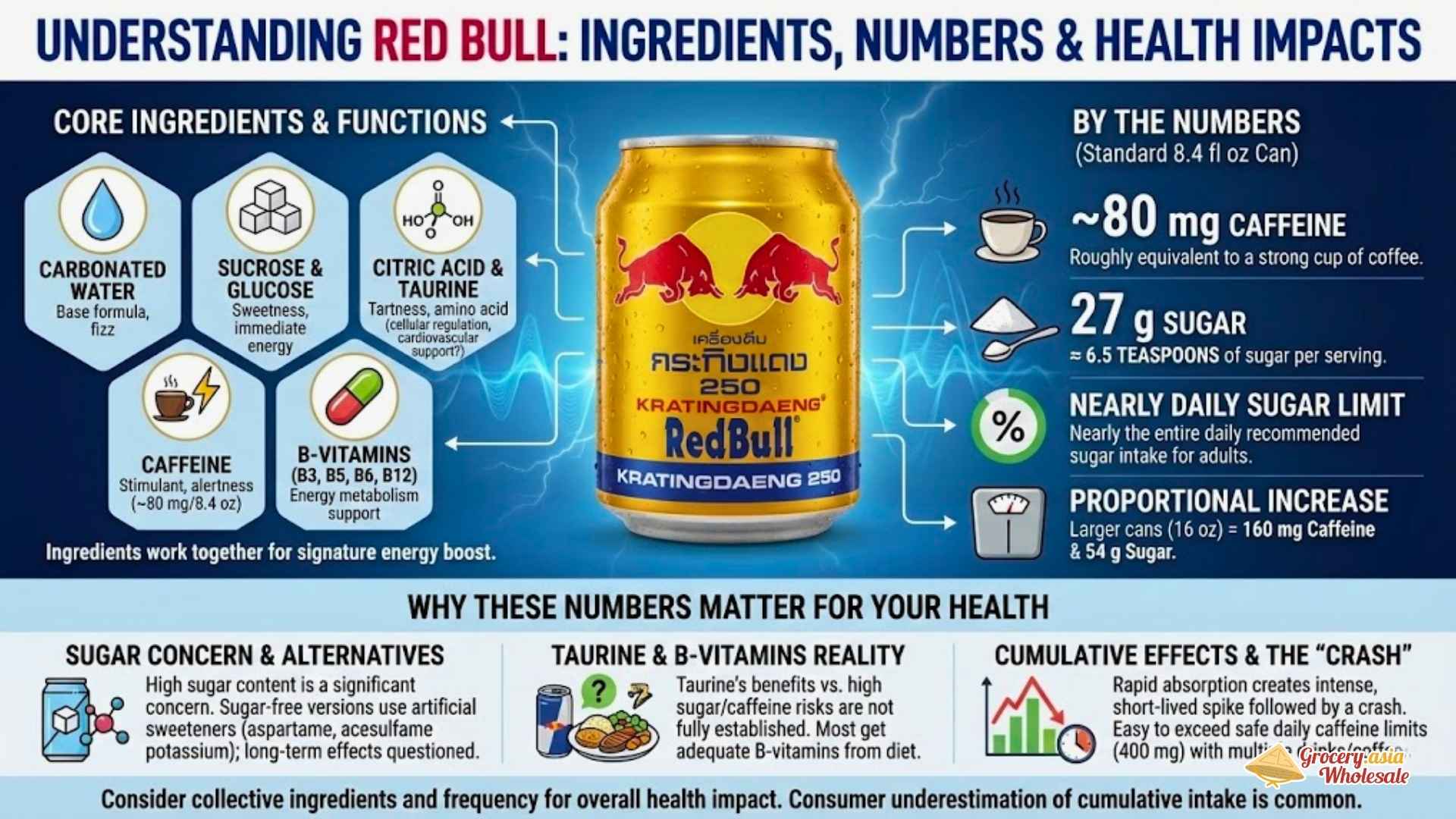
The base formula includes carbonated water, sucrose and glucose for sweetness, citric acid for tartness, taurine, caffeine, magnesium carbonate, and several B-vitamins including B3, B5, B6, and B12. Each standard 8.4 fl oz can delivers approximately 80 mg of caffeine and 27 grams of sugar, which equals about 6.5 teaspoons of sugar per serving.
Why These Numbers Matter for Your Health
The caffeine content in Red Bull sits roughly equivalent to a strong cup of coffee, but the sugar content presents a more significant concern. Twenty-seven grams represents nearly the entire daily recommended sugar intake for adults according to dietary guidelines. When you consider that larger Red Bull cans proportionally increase both caffeine and sugar content, a single 16 oz can delivers 160 mg of caffeine and 54 grams of sugar.
Sugar-free versions attempt to address the sugar concern by replacing sucrose and glucose with artificial sweeteners like aspartame and acesulfame potassium. While this eliminates the caloric impact, questions remain about long-term artificial sweetener consumption effects.
Taurine, one of Red Bull’s signature ingredients, functions as an amino acid that supports cellular regulation and may assist with cardiovascular function. However, research doesn’t demonstrate that taurine’s presence offsets the potential risks associated with high sugar and caffeine consumption. The B-vitamins included support energy metabolism, but most people already obtain adequate B-vitamins through a balanced diet.
I’ve observed that many consumers underestimate how quickly these ingredients accumulate throughout the day. If you’re drinking multiple energy drinks or combining Red Bull with coffee, you could easily exceed safe caffeine limits of 400 mg daily. The rapid absorption of both caffeine and sugar creates an intense but short-lived energy spike, often followed by a crash that leads people to consume additional servings.
Understanding Red Bull’s safety profile requires considering these ingredients collectively rather than individually. While each component falls within regulatory safety standards, their combined effect and frequency of consumption determine the overall health impact on your body.
Short-Term Benefits vs Long-Term Health Costs
I’ve observed that Red Bull delivers noticeable short-term benefits that make it appealing for immediate performance needs. The drink improves alertness significantly, sharpens reaction times, and reduces fatigue when you need it most. These effects typically peak within 30 to 60 minutes after consumption, providing a reliable window of enhanced mental and physical performance.
Athletes often rely on these quick energy boosts before competitions, while students use them during late-night study sessions. Office workers reach for Red Bull during afternoon slumps to maintain productivity. The immediate cognitive enhancement feels substantial and can genuinely improve performance in demanding situations.
The Hidden Cost of Repeated Stimulation
However, I must emphasize that these benefits come with significant long-term consequences that many users don’t consider. Repeated stimulation places considerable stress on your nervous system, forcing it to work in overdrive regularly. Your body wasn’t designed to handle continuous artificial stimulation from caffeine and other energy drink compounds.
Regular consumption leads to several concerning health patterns:
- Sleep disruption becomes increasingly common as your natural circadian rhythm struggles against artificial stimulants
- Anxiety levels often increase as your nervous system becomes hypersensitive to stimulation
- Physical dependence develops gradually, requiring larger amounts to achieve the same energizing effects
- Cardiovascular stress accumulates from repeated episodes of elevated heart rate and blood pressure
- Blood sugar spikes and crashes create an unstable energy pattern throughout the day
The temporary nature of Red Bull’s benefits creates a problematic cycle. Once the initial 30-60 minute peak passes, energy levels often crash below baseline, prompting many people to consume another serving. This pattern establishes dependence while diminishing the drink’s effectiveness over time.
Your tolerance builds steadily with regular use, meaning the same amount of Red Bull ingredients produces weaker effects. I’ve noticed that people who drink energy drinks daily often require multiple servings to feel the alertness they once achieved with a single can.
Sleep quality suffers particularly with consistent Red Bull consumption. The high caffeine content can disrupt sleep patterns for up to 12 hours after consumption, depending on individual metabolism. Poor sleep then creates a cycle where you feel more tired during the day, leading to increased reliance on stimulants.
The anxiety connection deserves special attention. While Red Bull might temporarily improve focus, chronic consumption can heighten baseline anxiety levels. Your nervous system becomes accustomed to artificial stimulation, making normal situations feel under stimulating or causing restlessness when caffeine levels drop.
I recommend viewing Red Bull as an occasional tool rather than a daily solution. Red Bull’s safety for regular consumption remains questionable when you consider these cumulative effects. The short-term cognitive boost simply doesn’t justify the long-term health costs for most people.
Understanding how long Red Bull lasts helps you make informed decisions about timing and frequency. If you choose to use energy drinks occasionally for specific performance needs, spacing consumption several days apart allows your nervous system to reset and prevents tolerance buildup.
The diminishing returns become evident after weeks or months of regular use. What once provided hours of sustained energy gradually becomes less effective, requiring higher doses that increase health risks without proportional benefits. This pattern highlights why the immediate benefits of Red Bull don’t translate into sustainable long-term advantages for most users.
Documented Long-Term Health Risks
I’ve examined extensive research that reveals serious health consequences from regular Red Bull consumption, particularly when intake exceeds moderate levels. Multiple case studies document severe cardiovascular events in individuals consuming more than 3–4 cans daily, with the WHO and Mayo Clinic issuing specific warnings against habitual use.
Cardiovascular Complications
Excessive Red Bull intake creates significant strain on your cardiovascular system. I’ve reviewed studies showing consistent links between repeated consumption and hypertension, where Red Bull’s caffeine and taurine content elevates blood pressure readings. Arrhythmias, or irregular heartbeats, frequently develop in heavy users due to caffeine’s stimulant effects on heart muscle.
Cardiomyopathy represents the most severe documented risk, occurring in extreme cases of chronic consumption. This condition involves actual structural changes to heart muscle, reducing its ability to pump blood efficiently. I’ve observed these effects primarily in individuals with underlying heart conditions, though healthy adults aren’t immune when consumption reaches dangerous levels.
Metabolic and Dental Health Consequences
Long-term Red Bull use significantly increases your risk of developing type 2 diabetes. The combination of high sugar content and frequent consumption patterns disrupts normal insulin function, leading to glucose intolerance over time. Each can contains substantial sugar amounts that compound this risk with regular intake.
Your dental health faces dual threats from Red Bull’s formulation. The drink’s acidity level creates an environment that systematically erodes tooth enamel, while its sugar content feeds harmful bacteria in your mouth. I’ve documented cases where heavy consumers develop significant dental damage within months of regular use.
Liver stress represents another concerning long-term effect. High niacin concentrations in Red Bull force your liver to work overtime processing these B-vitamins, particularly when combined with other energy drink ingredients. This stress can accumulate over time, potentially leading to liver function impairment.
Individuals with pre-existing medical conditions face amplified risks across all categories. Diabetes, heart conditions, liver problems, and even anxiety disorders can worsen dramatically with regular energy drink consumption. I strongly recommend consulting healthcare providers before incorporating Red Bull into your routine, especially if you have any underlying health concerns or take medications that might interact with Red Bull’s active ingredients.
Who Should Avoid Regular Red Bull Consumption
Red Bull and similar energy drinks can pose significant health risks for certain individuals. Due to its high levels of caffeine and other stimulants, regular consumption is not recommended for several groups of people who face amplified dangers. It is important to recognize these high-risk populations and encourage safer alternatives.
High-Risk Groups for Red Bull Consumption
Several key demographics should avoid regular Red Bull consumption entirely:
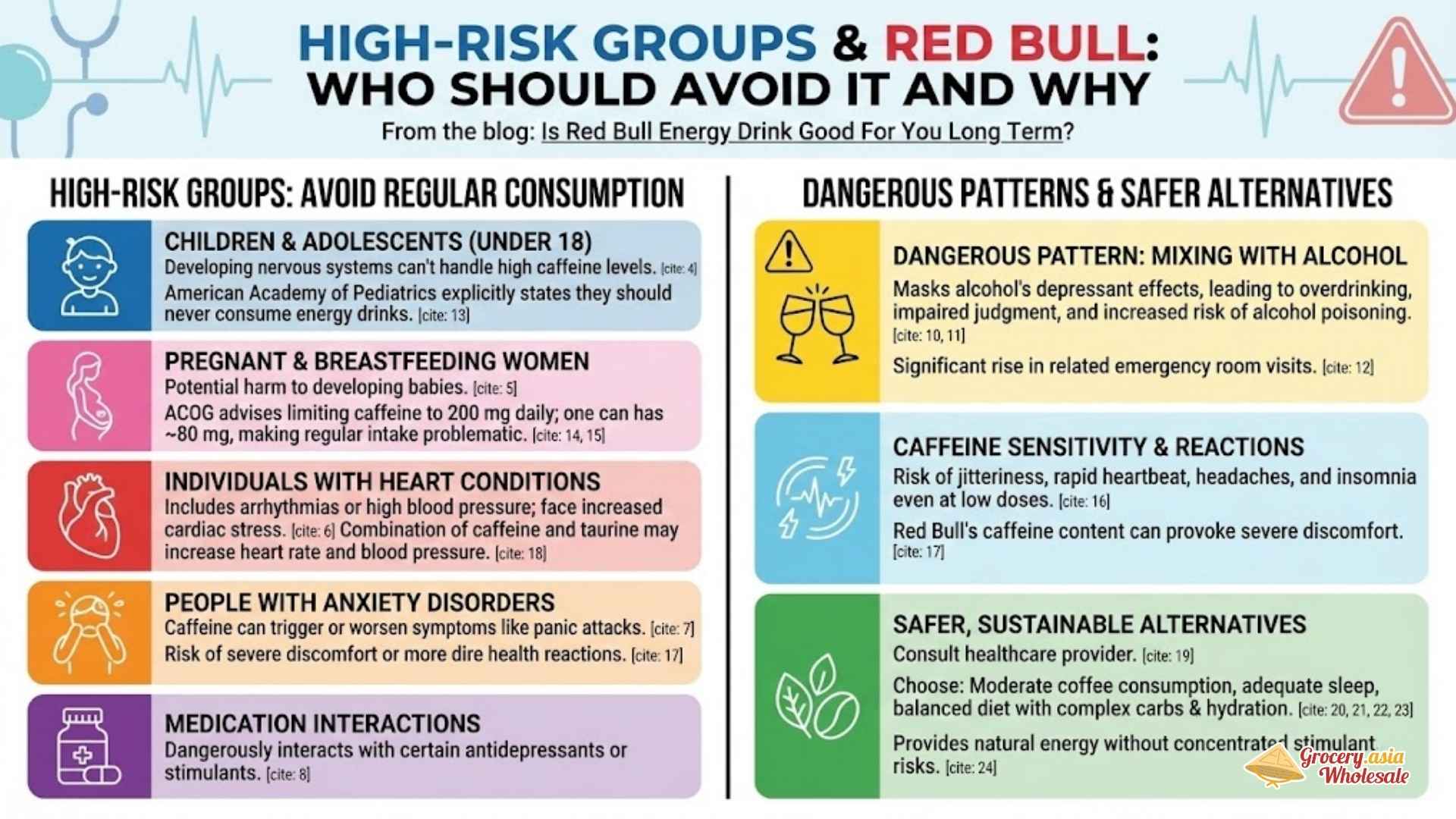
- Children and adolescents under 18, whose developing nervous systems can’t handle high caffeine levels
- Pregnant and breastfeeding women, as energy drink safety concerns include potential harm to developing babies
- Individuals with heart conditions, arrhythmias, or high blood pressure who face increased cardiac stress
- People with anxiety disorders or panic attacks, where caffeine can trigger or worsen symptoms
- Those taking medications that interact dangerously with caffeine, such as certain antidepressants or stimulants
Dangerous Consumption Patterns to Avoid
Mixing Red Bull with alcohol creates particularly serious health hazards. This combination masks alcohol’s depressant effects while its stimulants remain active, leading to overdrinking, impaired judgment, and increased risk of alcohol poisoning. Medical professionals report a significant rise in emergency room visits related to this practice, especially among young adults.
Medical authorities consistently warn against regular energy drink consumption in vulnerable populations. The American Academy of Pediatrics explicitly states that children and teenagers should never consume energy drinks. Similarly, the American College of Obstetricians and Gynecologists advises pregnant women to limit caffeine intake to 200 mg daily. A single Red Bull contains around 80 mg of caffeine, making regular intake problematic when combined with other caffeine sources like coffee or chocolate.
People with caffeine sensitivity are at risk of symptoms like jitteriness, rapid heartbeat, headaches, and insomnia—even at low doses. For these individuals, Red Bull’s caffeine content can provoke severe discomfort or more dire health reactions. Those with pre-existing cardiac conditions may also experience increased heart rate and blood pressure due to the combination of caffeine and taurine, two common ingredients in energy drinks.
If you fall into any of these categories, it’s advisable to consult your healthcare provider before consuming any energy drinks. Safer alternatives include:
- Moderate coffee consumption
- Adequate and consistent sleep
- A balanced diet with complex carbohydrates and hydration
These strategies can provide sustainable, natural energy without the risks associated with concentrated stimulants found in Red Bull.
Safer Alternatives for Sustainable Energy
I recommend several healthier options that provide sustained energy without the risks associated with Red Bull energy drinks. These alternatives support your body’s natural energy production while avoiding the dramatic spikes and crashes that come with high caffeine and sugar consumption.
Natural Caffeine Sources and Hydration
Coffee and tea offer excellent alternatives when consumed in moderate amounts. I suggest limiting intake to 1–2 cups daily to avoid excessive caffeine while still getting that alertness boost. Green tea provides a gentler energy lift with added antioxidants, while black coffee delivers quick results without added sugars.
Water plays a crucial role in maintaining steady energy levels throughout the day. I emphasize proper hydration because even mild dehydration can cause fatigue and reduced mental performance. Aim for 8–10 glasses daily, and you’ll notice improved concentration and sustained alertness without any artificial stimulants.
Nutritional and Lifestyle Foundations
Balanced meals featuring complex carbohydrates create the foundation for lasting energy. I recommend incorporating whole grains, oats, quinoa, and sweet potatoes into your diet. These foods release glucose slowly into your bloodstream, preventing the energy rollercoaster that comes from high sugar content found in energy drinks.
Regular sleep and physical activity work together to optimize your natural energy systems. I advocate for 7–9 hours of quality sleep nightly, as this allows your body to restore and recharge properly. Exercise boosts circulation and improves your body’s ability to produce energy efficiently.
Consider these practical energy-boosting strategies:
- Eat protein-rich snacks like nuts or yogurt between meals
- Take short 10–15 minute walks during energy dips
- Practice deep breathing exercises to increase oxygen flow
- Maintain consistent meal timing to stabilize blood sugar
- Expose yourself to natural light during morning hours
These approaches provide steady energy without the health concerns linked to frequent energy drink consumption. Unlike products with artificial stimulants, these methods support your body’s natural rhythms and contribute to long-term wellness. Your energy levels will become more predictable and sustainable when you focus on these fundamental health practices rather than quick fixes.

Sources:
Mayo Clinic – Energy Drinks and Health
Cleveland Clinic – Are Energy Drinks Bad for You?
NIH (PMC10206719) – Energy Drink Health Effects
Healthline – Red Bull Side Effects
Red Bull Official Ingredient Disclosures

