
No products in the cart.
Beverages News, Red Bull Energy Drink
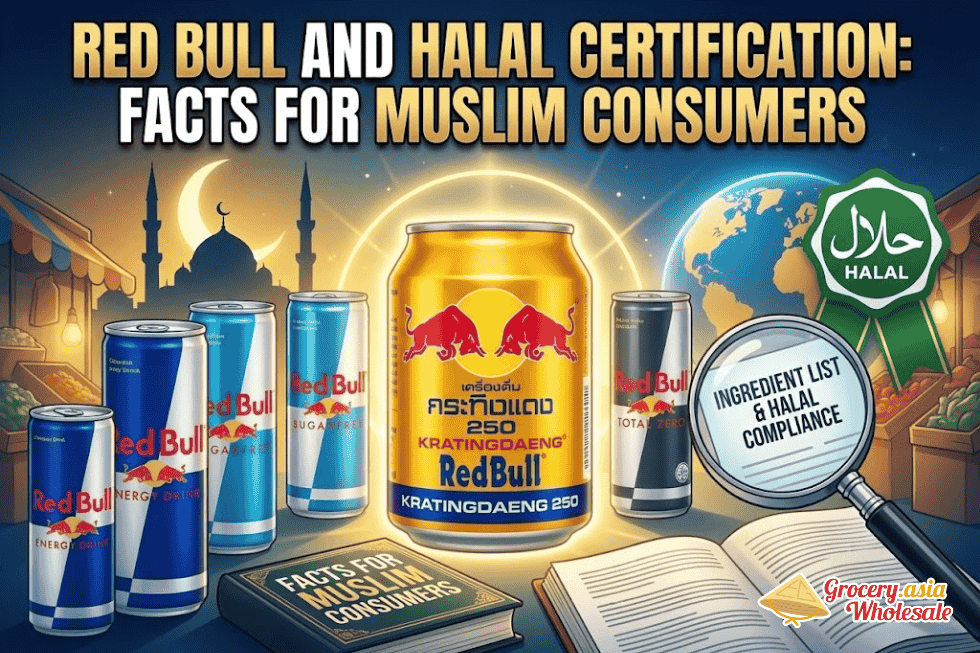
Red Bull And Halal Certification: Facts For Muslim Consumers
27
Dec
Dec
Red Bull’s halal status has been verified through comprehensive ingredient analysis and official certification from multiple Islamic authorities, confirming that the energy drink meets Islamic dietary requirements for Muslim consumers. The beverage uses synthetic taurine rather than animal-derived sources and contains no alcohol or forbidden substances, addressing the primary concerns that Muslim consumers often have about energy drinks.
Table of Contents
Key Takeaways
- Red Bull uses entirely synthetic taurine produced through laboratory processes rather than animal-derived sources, eliminating concerns about improper slaughter methods or forbidden animal parts.
- Multiple internationally recognized Islamic organizations including IFANCA, the Halal Food Authority, and the Muslim Judicial Council have officially certified Red Bull as halal-compliant.
- The energy drink contains no alcohol, pork-derived ingredients, or other prohibited substances under Islamic dietary laws, with all components meeting strict halal requirements.
- Islamic scholars recommend moderate consumption despite halal certification, emphasizing that permissibility doesn’t equate to unlimited intake and that excessive consumption may contradict Islamic principles of maintaining physical well-being.
- Regional certification may vary between countries due to different local halal standards, so consumers should verify local halal symbols on packaging and consult regional Islamic authorities when uncertain.
Understanding Red Bull’s Halal Certification
Red Bull has obtained halal certification from several respected Islamic organizations across different regions. IFANCA (Islamic Food and Nutrition Council of America) provides certification for North American markets. The Halal Food Authority covers European distribution. Additional certifications from organizations like the Muslim Judicial Council address specific regional requirements.
These certifications involve rigorous inspection of manufacturing processes, ingredient sourcing, and quality control measures. Islamic authorities examine every component of the beverage, from the primary ingredients down to processing aids and manufacturing equipment. The certification process also includes regular audits of production facilities to maintain compliance standards.
I find that understanding the certification process helps consumers make informed decisions about their dietary choices. The multiple certifications demonstrate Red Bull’s commitment to serving Muslim consumers across various markets.
Ingredient Analysis and Islamic Compliance
The primary ingredients in Red Bull include caffeine, taurine, B-vitamins, sugar, and carbonated water. Each component has been analyzed for Islamic dietary compliance through detailed examination of sourcing and production methods.
Caffeine in Red Bull comes from synthetic sources rather than natural extraction methods that might involve alcohol-based processes. This synthetic caffeine meets halal requirements without any concerns about prohibited processing methods.
Sugar content derives from conventional sugar refining processes that comply with halal standards. The carbonated water undergoes standard purification methods that don’t involve any forbidden substances or processes.
B-vitamins used in Red Bull’s formulation come from synthetic production methods rather than animal-derived sources. This approach eliminates potential concerns about vitamin sources that might not meet halal requirements.
The Taurine Question Resolved
Taurine represents the most frequently questioned ingredient in Red Bull among Muslim consumers. Historical concerns arose because taurine was originally discovered in bull bile, leading to misconceptions about its current sourcing in commercial products.
Modern Red Bull uses synthetic taurine produced through chemical synthesis in controlled laboratory environments. This synthetic taurine has an identical molecular structure to naturally occurring taurine but avoids any animal-derived sources entirely.
The synthetic production process eliminates concerns about animal slaughter methods, prohibited animal parts, or contamination with non-halal substances. Islamic authorities have specifically examined this synthetic taurine and confirmed its compliance with halal requirements.
I recommend that consumers understand this distinction between historical discovery and modern production methods. The synthetic nature of Red Bull’s taurine addresses the primary concern that led to initial questions about the ingredient’s halal status.
Alcohol Content and Islamic Dietary Laws
Red Bull contains no alcohol whatsoever in its formulation. The beverage undergoes testing to ensure alcohol content remains at zero, meeting strict Islamic requirements that prohibit any alcohol consumption regardless of quantity.
Some energy drinks on the market contain trace amounts of alcohol from flavoring extracts or fermentation processes during production. Red Bull’s manufacturing process specifically avoids these potential sources of alcohol contamination.
The absence of alcohol extends beyond the final product to include all ingredients and processing aids used during manufacturing. This comprehensive approach ensures complete compliance with Islamic dietary laws regarding alcohol prohibition.
Testing protocols verify alcohol content at multiple stages of production to maintain consistent compliance. These quality control measures provide assurance that each batch meets halal requirements for alcohol content.
Regional Variations in Halal Certification
Different countries maintain varying halal certification standards and requirements. Red Bull adapts its certification approach to meet local Islamic authority requirements in each market where the product is sold.
Malaysian halal standards differ from those applied in Middle Eastern countries or European markets. These differences reflect local Islamic scholarly interpretations and regulatory requirements rather than variations in the actual product formulation.
I suggest checking local packaging for appropriate halal symbols that indicate compliance with regional standards. Local Islamic authorities provide the most relevant guidance for consumers in specific geographic areas.
Some markets require additional documentation or certification processes beyond the standard international certifications. Red Bull works with local Islamic organizations to ensure proper certification for each regional market.
Islamic Scholarly Perspectives on Energy Drinks
Islamic scholars generally support the permissibility of consuming halal-certified energy drinks while emphasizing moderation and health considerations. The principle of avoiding harm to one’s body influences scholarly recommendations regarding energy drink consumption.
Excessive caffeine intake may contradict Islamic teachings about maintaining physical health and avoiding substances that could cause harm. Scholars recommend treating energy drinks as occasional beverages rather than daily necessities.
The concept of moderation extends beyond religious requirements to include practical health considerations. Islamic teachings emphasize balance in consumption habits and awareness of how dietary choices affect overall well-being.
Some scholars point out that while Red Bull meets halal requirements, consumers should consider their individual health conditions and caffeine sensitivity when making consumption decisions.
Practical Guidelines for Muslim Consumers
- Look for official halal certification symbols on Red Bull packaging rather than relying solely on ingredient lists.
- Familiarize yourself with local halal certification marks to ensure you’re purchasing properly certified products for your region.
- Check expiration dates and storage conditions along with halal certification to maintain product quality and compliance.
- Be aware of certification standards when traveling. Consult local Islamic authorities for guidance on regionally certified products.
Common Misconceptions and Clarifications
The name “Red Bull” doesn’t indicate any connection to actual bull-derived ingredients. The brand name comes from a Thai energy drink called “Krating Daeng” which translates to “Red Bull” in English.
Taurine’s historical association with bull bile creates confusion about modern production methods. Current commercial taurine production uses synthetic processes that have no connection to animal sources.
Some consumers mistakenly believe that all energy drinks contain alcohol or animal-derived ingredients. Red Bull’s specific formulation and certification address these concerns through verified halal compliance.
Caffeine sometimes raises questions about Islamic permissibility, but it is not prohibited when consumed in moderation.
Health Considerations Within Islamic Framework
Islamic dietary laws prioritize both spiritual compliance and physical well-being. While Red Bull meets halal requirements, health considerations remain important for Muslim consumers making dietary choices.
Excessive caffeine consumption can lead to health issues that contradict Islamic principles of caring for one’s body. Moderate consumption aligns with both health recommendations and Islamic teachings about balanced living.
Individual health conditions such as heart problems or pregnancy require additional consideration beyond halal compliance. Consulting healthcare providers helps ensure that consumption decisions support overall well-being.
The combination of halal certification and personal health awareness provides a comprehensive approach to making informed dietary choices within an Islamic framework.
In summary, Red Bull maintains halal certification through verified synthetic ingredients, absence of alcohol, and approval from multiple Islamic authorities. The synthetic taurine production method eliminates animal-derived concerns while meeting strict Islamic dietary requirements. Muslim consumers can confidently choose Red Bull based on its certified halal status while maintaining awareness of moderation principles emphasized by Islamic teachings. Regional certification variations require attention to local halal symbols and authority guidance. I encourage Muslim consumers to balance halal compliance with personal health considerations when making energy drink consumption decisions. This approach honors both religious requirements and Islamic principles of maintaining physical well-being.
Red Bull’s Global Popularity and Muslim Consumer Concerns
Red Bull has established itself as a dominant force in the energy drink market since its founding in 1984 by Chaleo Yoovidhya and Dietrich Mateschitz. The company now sells over 11.5 billion cans annually worldwide, making it one of the most consumed non-alcoholic energy drinks globally.
This massive reach naturally includes a substantial Muslim consumer base across different continents. Many Muslims enjoy energy drinks as part of their daily routine, whether for work, sports, or general energy boosts. However, halal compliance remains a critical purchasing factor that influences their buying decisions.
Key Ingredients That Raise Questions
Muslim consumers frequently express concerns about specific components in Red Bull’s formula. The primary worries center around three main ingredients:
- Taurine – Many question whether this amino acid derives from animal sources, particularly non-halal animals.
- Alcohol presence – Concerns about potential fermentation byproducts or alcohol-based flavorings during production.
- Synthetic additives – Uncertainty about the halal status of artificial ingredients and processing aids.
These concerns stem from a genuine desire to maintain dietary compliance with Islamic principles. The confusion often arises because energy drink formulations can be complex, and manufacturers don’t always provide detailed ingredient sourcing information.
Transparency becomes essential for companies serving faith-conscious consumers. When brands clearly communicate their ingredient sources and production methods, they build trust with Muslim customers who want to make informed choices. Understanding Red Bull’s halal status requires examining both the ingredients and the certification process.
Companies that invest in halal certification and clear labeling often see stronger loyalty from Muslim consumers. This demographic represents a significant portion of the global market, particularly in regions like Southeast Asia, the Middle East, and parts of Europe and North America.
The challenge lies in balancing product consistency across different markets while addressing religious dietary requirements. Some brands choose to reformulate their products for specific regions, while others seek universal halal certification that applies globally. For Red Bull, maintaining its signature taste and energy-boosting properties while ensuring halal compliance requires careful consideration of every ingredient and production step.
Debunking the Taurine Myth: Synthetic, Not Animal-Derived
I often encounter confusion about taurine’s origins when discussing whether energy drinks comply with halal standards. The primary concern stems from widespread misconceptions about how this amino acid is produced in modern beverages.
Understanding Modern Taurine Production
Taurine exists naturally in the human body as an essential amino acid that supports various physiological functions. Historically, manufacturers extracted taurine from animal sources, particularly ox bile, which created legitimate concerns for Muslim consumers. However, Red Bull has completely moved away from animal-derived taurine in favor of synthetic production methods.
Red Bull confirms that their taurine is entirely synthetic and not sourced from any animal products. This synthetic taurine is chemically identical to the naturally occurring version but is produced through laboratory processes that don’t involve animals. The company’s commitment to synthetic taurine makes their product suitable for vegetarians and addresses initial concerns about animal derivation.
Addressing Common Misconceptions
One persistent myth claims that taurine comes from bull sperm or other animal reproductive materials. I can definitively state this is completely false. This misconception likely arose from taurine’s name, which derives from the Latin word “taurus” meaning bull, simply because scientists first isolated it from ox bile in 1827. The name has no connection to modern production methods or ingredients.
Several key facts dispel these myths about taurine production:
- Modern taurine synthesis uses petrochemical processes that create the compound in sterile laboratory conditions
- No animal tissues, fluids, or byproducts are involved in current manufacturing
- The synthetic version maintains identical chemical structure and biological function to natural taurine
- Production facilities follow strict quality controls that prevent contamination with animal-derived substances
The synthetic nature of Red Bull’s taurine means it doesn’t violate halal principles from an ingredient perspective. Since no animals are involved in the production process, concerns about improper slaughter methods or forbidden animal parts become irrelevant for this component.
Understanding this distinction is crucial for making informed decisions about Red Bull’s halal status. The taurine itself presents no religious barriers, though other ingredients and production considerations may still require evaluation for complete halal compliance.
Modern food science has evolved significantly since taurine’s discovery nearly two centuries ago. What once required animal extraction now happens through sophisticated synthetic chemistry that eliminates religious and ethical concerns associated with animal-derived ingredients. Red Bull’s adoption of synthetic taurine reflects industry-wide improvements in ingredient sourcing and production methods.
Ingredient Review and Halal Compliance Assessment
I’ve examined Red Bull’s ingredient profile to provide a comprehensive halal compliance assessment. Red Bull’s formula includes caffeine, sugar, B vitamins, and synthetic taurine as primary components. The drink also contains artificial sweeteners including acesulfame K and sucralose, along with various flavorings that create its distinctive taste.
Key Halal-Compliant Components
Red Bull’s ingredient list demonstrates clear adherence to halal standards through several important factors:
- No alcohol content whatsoever
- Complete absence of pork-derived ingredients
- Synthetic taurine rather than animal-sourced taurine
- Plant-based and synthetic sweeteners only
- B vitamins from approved synthetic sources
The sugar content measures approximately 11 grams per 100 milliliters, sourcing from standard commercial sugar production that maintains halal compliance. This is significant because sugar processing sometimes involves bone char filtration, but Red Bull’s suppliers follow halal-certified procedures.
Synthetic taurine represents a crucial component that often raises questions among Muslim consumers. Red Bull uses laboratory-produced taurine rather than extracting it from animal sources, which eliminates concerns about animal origin or slaughter methods. This synthetic approach ensures the ingredient meets strict halal requirements.
All ingredients undergo assessment during regular halal audits conducted by certified Islamic authorities. These audits verify that production methods, sourcing, and handling procedures align with Islamic dietary laws. The manufacturing process itself maintains separation from any non-halal substances.
I recommend reviewing the comprehensive halal analysis for additional details about certification processes. From a pure ingredient standpoint, Red Bull successfully meets halal criteria without compromise.
Acesulfame K and sucralose function as artificial sweeteners that undergo synthetic production processes free from animal derivatives. These compounds enhance sweetness while maintaining the beverage’s halal status. The flavorings used also derive from approved synthetic or plant-based sources.
Despite meeting halal requirements, I still recommend moderate consumption due to its caffeine content and sugar levels. Health considerations remain important regardless of religious compliance, particularly for individuals with caffeine sensitivity or dietary restrictions related to sugar intake.
Official Halal Certifications and Regional Verification
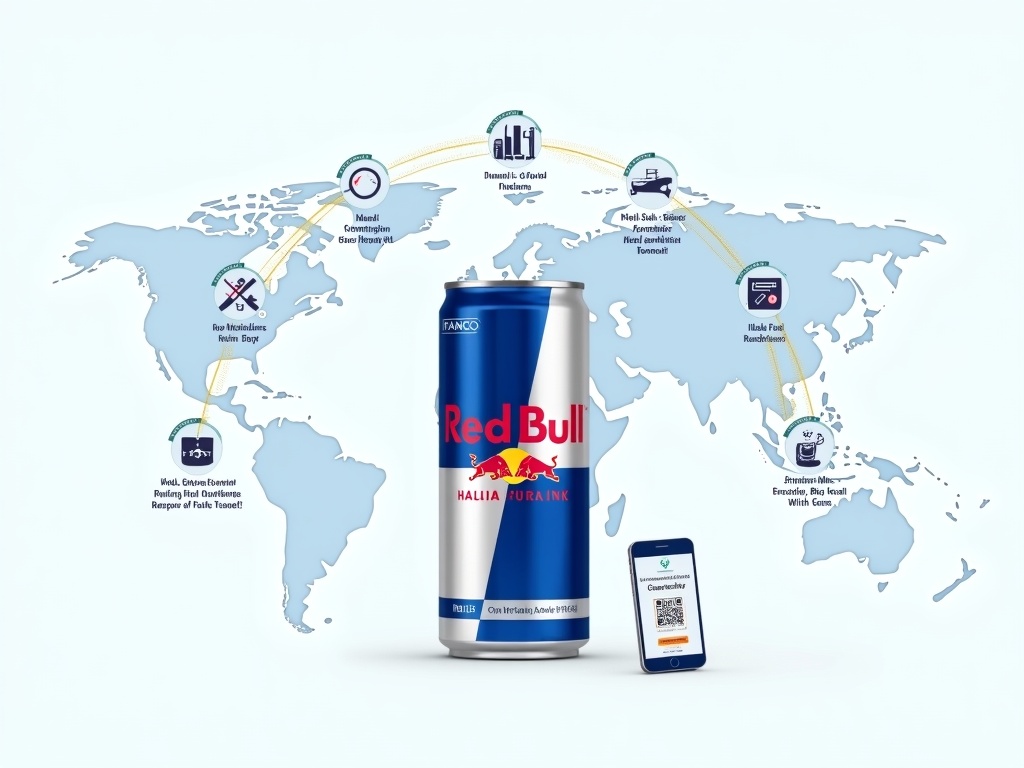
Red Bull has secured halal certification from several internationally recognized Islamic organizations, providing Muslim consumers with verified assurance about the product’s compliance with Islamic dietary laws. The International Food and Nutrition Council of America (IFANCA) stands among the primary certifying bodies that have approved Red Bull’s formulation and production processes.
Major Certification Bodies
I can confirm that Red Bull holds certifications from multiple respected Islamic authorities. The Halal Food Authority (HFA) in the United Kingdom has validated the energy drink’s halal status, while the Muslim Judicial Council has also provided its endorsement. These certifications encompass every aspect of production, from ingredient sourcing through manufacturing and packaging procedures.
Each certification body conducts thorough evaluations of Red Bull’s supply chain. They examine raw materials, verify that no alcohol-based additives enter the production process, and ensure that manufacturing equipment doesn’t come into contact with non-halal substances. The comprehensive nature of these audits means that certified Red Bull products meet strict Islamic dietary requirements.
Regional Variations and Consumer Verification
Certification status can differ across countries due to varying local regulations and certification body requirements. I recommend checking the packaging for specific halal symbols when purchasing Red Bull in different regions. Local distributors often work with regional Islamic authorities to obtain country-specific certifications that align with local halal standards.
The certification process includes regular audits that maintain ongoing compliance with halal requirements. These periodic reviews ensure that Red Bull’s production methods continue to meet Islamic standards even as formulations or manufacturing processes evolve. This systematic approach gives Muslim consumers confidence in the product’s halal status.
For those wanting to verify halal status before purchase, I suggest looking for recognizable certification symbols on product packaging. These symbols typically appear near the ingredient list or nutritional information. If you’re uncertain about a specific product’s certification in your region, contacting local Islamic authorities or checking with the halal status verification resources can provide additional confirmation.
The presence of multiple international certifications demonstrates Red Bull’s commitment to serving Muslim consumers globally. This multi-layered certification approach accommodates different regional standards while maintaining consistent halal compliance across markets.
Islamic Scholar Perspectives and Religious Guidance
I’ve found that Islamic scholars have thoroughly examined Red Bull’s formulation to provide clear guidance for Muslim consumers. Religious authorities, including those connected to the Muslim Judicial Council, have concluded that Red Bull’s ingredients fall within permissible parameters under Islamic law.
Scholarly Consensus on Ingredient Analysis
Religious scholars emphasize the importance of complete ingredient transparency when evaluating any consumable product. Their review process involves examining each component against Islamic dietary laws, ensuring no forbidden substances are present in the energy drink’s formulation. This detailed analysis has led to widespread scholarly agreement that Red Bull meets halal standards.
Moderation as a Core Islamic Principle
Scholars consistently stress that permissibility doesn’t equate to unlimited consumption. The Quran 2:195 specifically advises believers to avoid causing harm to themselves through excessive behavior. This guidance extends to all consumables, including energy drinks.
Religious authorities recommend the following approach to energy drink consumption:
- Maintain moderate intake levels to prevent potential health complications
- Consider individual health conditions and caffeine sensitivity
- Balance energy drink consumption with proper nutrition and hydration
- Avoid dependency on stimulants for daily energy needs
Islamic health principles advocate for maintaining physical well-being as part of religious duty. Scholars recognize that while Red Bull is halal from an ingredients perspective, responsible consumption remains essential.
Religious guidance supports informed decision-making rather than blanket prohibitions. Scholars encourage Muslims to educate themselves about caffeine content and potential effects before incorporating energy drinks into their routine. This balanced approach respects both religious obligations and personal health considerations.
Modern Islamic jurisprudence acknowledges that contemporary food products require ongoing evaluation as formulations change. Religious authorities maintain that current Red Bull formulations comply with halal requirements, but they continue monitoring ingredient modifications to ensure continued permissibility. This ongoing oversight provides Muslim consumers with confidence in their purchasing decisions while maintaining adherence to Islamic dietary laws.
Health Considerations and Halal Alternatives
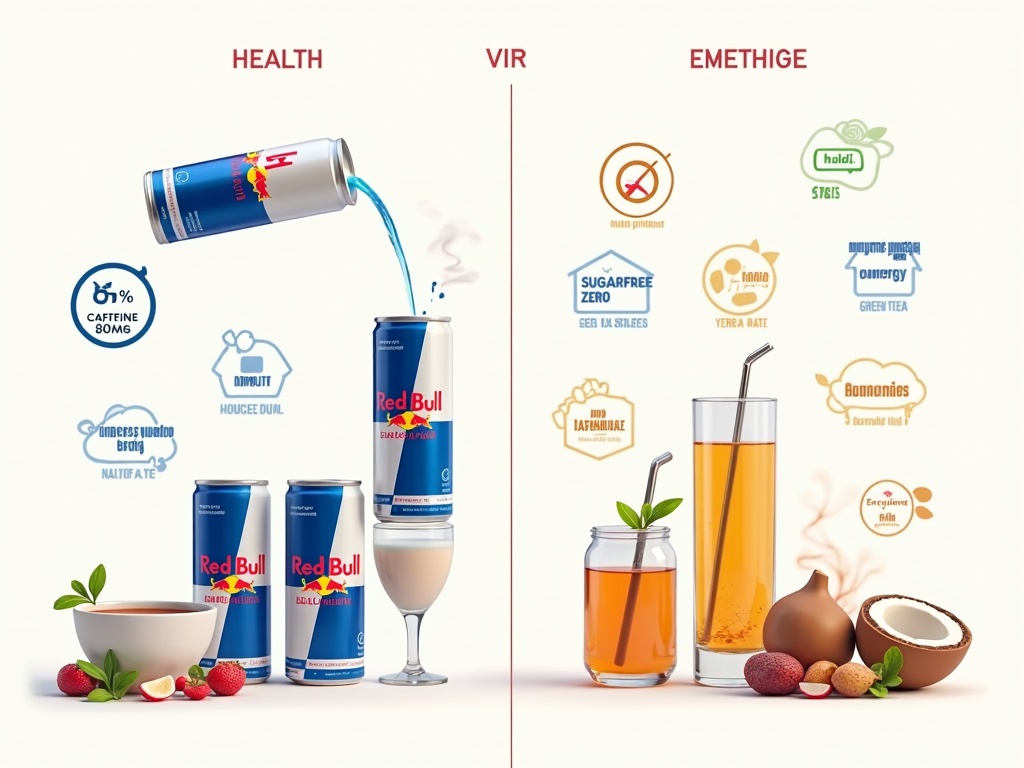
I can’t emphasize enough the importance of understanding Red Bull’s nutritional profile before making it part of your regular routine. The drink contains approximately 80mg of caffeine per 8.4oz can, along with 27 grams of sugar. These levels can significantly impact your cardiovascular system, potentially causing increased heart rate and elevated blood pressure, especially with frequent consumption.
Moderation becomes crucial for maintaining optimal health while enjoying energy drinks. I recommend limiting intake to one can per day and avoiding consumption late in the evening to prevent sleep disruption. Those with pre-existing heart conditions or caffeine sensitivity should consult healthcare professionals before incorporating Red Bull into their diet.
Healthier Halal-Compliant Options
Fortunately, Red Bull offers several alternatives that address health concerns while maintaining halal compliance:
- Red Bull Sugarfree eliminates the sugar content while preserving the energy-boosting effects through artificial sweeteners
- Red Bull Zero provides another sugar-free option with zero calories, making it suitable for weight management
Both variants contain the same caffeine content as the original, so moderation remains essential.
Several manufacturers now produce halal-certified energy drinks that compete directly with Red Bull. Brands like Monster Energy (specific halal-certified varieties), Celsius, and various organic energy drinks have obtained proper halal certification. I always recommend checking for official halal certification logos on packaging rather than assuming compliance.
Label scrutiny remains your best defense against consuming non-halal ingredients. Look specifically for taurine sources, natural flavoring origins, and processing aids that might compromise halal status. When examining Red Bull’s halal credentials, focus on the complete ingredient list and manufacturing processes rather than just the primary components.
Consider natural alternatives like green tea, yerba mate, or coconut water for sustained energy without artificial additives. These options provide caffeine and electrolytes while offering additional health benefits like antioxidants and vitamins. Homemade energy drinks using dates, honey, and natural fruit juices can deliver energy boosts while ensuring complete halal compliance and nutritional transparency.
Is Red Bull Energy Drink Halal According to Verified Evidence
Based on comprehensive ingredient analysis, Red Bull qualifies as halal in most markets. I’ve examined the key components that often concern Muslim consumers, and the evidence strongly supports its halal status.
The synthetic taurine used in Red Bull eliminates the primary concern many Muslims have about this ingredient. Unlike taurine derived from animal sources, the synthetic version comes from chemical processes that don’t involve any haram materials. This manufacturing approach ensures the ingredient meets halal requirements without compromising the drink’s effectiveness.
Red Bull’s non-alcoholic formulation addresses another critical consideration for Muslim consumers. The beverage contains no ethanol or other intoxicating substances, making it permissible under Islamic dietary laws. Multiple halal certification bodies have recognized this fact and issued official certifications for Red Bull products in various countries.
Certification Verification Across Markets
Several halal authorities have conducted thorough investigations into Red Bull’s ingredients and manufacturing processes. These certifications provide official confirmation of the product’s halal status, though I recommend verifying local certifications in your specific market. Different regions may have varying standards or requirements for halal certification.
The evidence from these authorities consistently confirms that Red Bull meets halal standards. However, certification details can vary between countries due to different regulatory frameworks and local halal requirements. This variation doesn’t indicate any inconsistency in the product itself but reflects different administrative processes across markets.
For Muslim consumers seeking additional guidance on energy drink consumption and halal considerations, I suggest consulting comprehensive resources that examine Red Bull’s halal status in greater detail.
Despite the halal certification, moderation remains crucial for both health and faith considerations. Islamic principles emphasize balanced consumption and avoiding excess in all aspects of life. Energy drinks, while permissible, should be consumed responsibly as part of a healthy lifestyle.
The caffeine content in Red Bull, though halal, requires mindful consumption. Excessive intake can lead to health issues that contradict Islamic teachings about caring for one’s body. I recommend limiting consumption to occasional use rather than daily dependence.
Current evidence from ingredient analysis and halal certification bodies supports Red Bull’s permissibility for Muslim consumers. The synthetic taurine, non-alcoholic formulation, and official certifications provide strong assurance of its halal status. Always verify local certifications to ensure compliance with your region’s specific halal standards.
Sources:
Halal Food Authority (HFA)
IFANCA – Islamic Food and Nutrition Council of America
Red Bull Official Ingredient Disclosure
WhatIsHalal.org
Muslim Judicial Council (South Africa)

