
No products in the cart.
Beverages News, Coffee
Is Vietnam Coffee Good? Benefits, Risks, Best Ways

17
Dec
Dec
Vietnamese coffee creates an exceptionally bold experience through the use of robusta beans and the traditional phin filter method, resulting in a concentrated beverage with nearly double the caffeine of typical arabica blends.
Key Takeaways
- High caffeine content from robusta beans provides sustained energy but requires careful portion control, especially for caffeine-sensitive individuals or those with heart conditions.
- Traditional black Vietnamese coffee offers maximum health benefits with powerful antioxidants and minimal calories, while sweetened versions can contain 260-390 calories per serving.
- Condensed milk preparations transform healthy coffee into high-sugar drinks with up to 22 grams of added sugar per tablespoon, potentially offsetting coffee’s natural benefits.
- Optimal consumption involves smaller serving sizes (6 ounces or less), morning timing to avoid sleep disruption, and gradual reduction of sweeteners to appreciate authentic flavors.
- Brewing modifications like coarser grinds, increased water ratios, and temperature control can reduce caffeine extraction while maintaining the distinctive bold taste profile.
Table of Contents
What Makes Vietnamese Coffee Different
I’ve discovered that Vietnamese coffee culture produces something truly distinct from what you’ll find in most coffee shops worldwide. The secret lies in three key factors that work together to create an unmistakably bold drinking experience.
The Robusta Foundation
Most Vietnamese coffees rely heavily on robusta beans, which fundamentally changes everything about the cup. Unlike the smoother arabica beans that dominate specialty coffee markets, robusta packs nearly twice the caffeine content and delivers a much more intense, bitter flavor profile. This choice isn’t accidental—Vietnam’s climate and soil conditions favor robusta cultivation, making it both practical and traditional.
When I compare robusta vs arabica side by side, the differences become immediately apparent:
- Robusta contains 2.2–2.7% caffeine compared to arabica’s 1.2–1.5%
- The flavor tends toward earthy, nutty, and sometimes harsh notes
- Robusta produces more crema and has higher antioxidant levels
- The beans cost significantly less to grow and process
This robusta dominance means that even a small cup delivers a serious caffeine punch. I’ve found that newcomers to Vietnamese coffee often underestimate just how stimulating these brews can be.
Phin Filter Brewing: An Intense Extraction
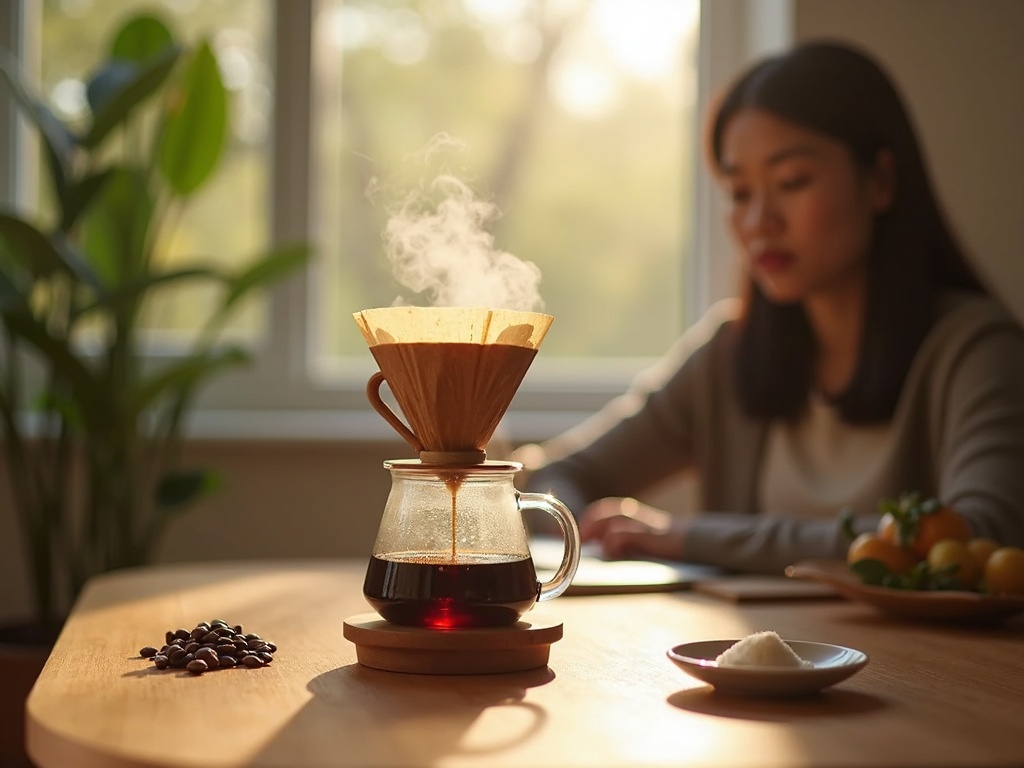
Vietnamese coffee brewing through the traditional phin filter adds another layer of intensity. The phin filter coffee method works like a slow drip system, allowing hot water to extract compounds gradually through finely ground beans. This process creates an incredibly concentrated result—almost like espresso in strength but with a completely different flavor profile.
The phin brewing technique takes patience, typically requiring 4–6 minutes for a complete extraction. During this time, the metal filter allows oils and fine particles to pass through, creating a fuller body than paper-filtered coffee. I’ve noticed that this method amplifies both the positive characteristics and any harsh notes in the beans.
Vietnamese coffee quality varies significantly based on the specific robusta blend and processing methods used. Higher-grade Vietnamese coffees balance the natural bitterness with chocolate or caramel undertones, while lower-quality versions can taste overly harsh or burnt.
The concentration factor means portion sizes matter enormously. A typical serving might be just 2–3 ounces, but it delivers the caffeine equivalent of a much larger American-style coffee. This concentration explains why Vietnamese coffee often gets mixed with condensed milk or served over ice—the additions help balance the intensity rather than dilute the experience.
Health Benefits and Brewing Traditions
Vietnamese coffee health facts reveal some interesting benefits from this preparation style. The high antioxidant content in robusta beans, combined with the minimal processing typical of Vietnamese coffee production, preserves many beneficial compounds. However, the elevated caffeine levels mean I always recommend starting with smaller servings to gauge your tolerance.
Traditional brewing methods also influence the final taste through temperature control. The phin filter allows coffee to cool slightly during the brewing process, which can reduce some of the harsh notes while maintaining the strong flavor profile.
Regional and Processing Variations
Regional variations within Vietnam create additional complexity. Northern Vietnamese coffees often taste more earthy and bold, while southern regions sometimes produce slightly smoother profiles. Processing methods—whether wet or dry—further influence the final cup characteristics.
The combination of robusta beans and phin brewing creates what I consider coffee’s equivalent to a double shot of espresso, but with entirely different flavor notes. Instead of the bright acidity you might expect from arabica-based espresso, Vietnamese coffee delivers deep, sometimes chocolatey bitterness with surprising staying power.
Daily Drinking and Cultural Significance
Daily consumption considerations become important given this intensity. The high caffeine content and bold flavor mean that Vietnamese coffee works best when you want maximum impact from minimal volume. This makes it perfect for morning wake-up calls but potentially overwhelming for casual afternoon drinking.
Understanding these fundamental differences helps explain why Vietnamese coffee has such devoted followers and why it can surprise unprepared drinkers. The robusta-phin combination creates something genuinely unique in the coffee world—intense, concentrated, and unmistakably different from mainstream coffee experiences.
Potential Benefits When You Drink It Plain or Lightly Sweetened
I’ve found that Vietnamese coffee delivers impressive health benefits when consumed without heavy additives. Large population studies consistently link coffee consumption with reduced all-cause mortality, making it clear that moderate intake supports longevity. Research also demonstrates connections between regular coffee drinking and improved heart health markers, along with better metabolic function.
Physical and Mental Performance Enhancements
Caffeine naturally boosts alertness and sharpens reaction times during daily activities. I notice that Vietnamese coffee’s robust caffeine content provides sustained focus without the jittery effects often associated with other caffeinated beverages. Short-term cognitive function improves significantly, making it an excellent choice for morning productivity or afternoon energy restoration.
Antioxidant Content and Processing Methods
Vietnamese coffee beans contain substantial amounts of polyphenols, particularly chlorogenic acids that act as powerful antioxidants. Traditional phin brewing methods preserve these beneficial compounds better than many commercial preparation techniques. The slow drip process extracts maximum antioxidant potential while maintaining the coffee’s natural protective properties.
Black phin coffee maximizes these health advantages by avoiding sugar and condensed milk that can counteract beneficial effects. Light sweetening with minimal additives still preserves most health benefits while making the strong flavor more palatable for newcomers. I recommend starting with unsweetened versions to fully appreciate both the authentic taste profile and health potential of Vietnamese coffee.
The combination of high-quality Robusta beans and careful processing creates a beverage that supports both immediate performance and long-term wellness goals. Vietnamese coffee’s unique characteristics make it particularly effective for those seeking sustained energy without compromising their health objectives.
Where “Healthy” Can Turn Into “Too Much”
I’ve discovered that Vietnamese coffee’s strength can become its weakness when consumed without mindful limits. Traditional brewing methods often produce coffee with exceptionally high caffeine content, particularly when using dark-roasted robusta beans that naturally contain more caffeine than arabica varieties.
Understanding the Caffeine Impact
The concentrated brewing style means a single cup can deliver 150-200mg of caffeine, sometimes more depending on preparation. This potent dose can trigger uncomfortable side effects including jitters, heightened anxiety, and disrupted sleep patterns. I’ve noticed that people sensitive to acid reflux often experience worsened symptoms after drinking strong Vietnamese coffee, especially when consumed on an empty stomach.
Sweet variations present additional concerns that extend beyond caffeine content. Traditional cà phê sữa đá relies heavily on sweetened condensed milk, which can add 60-80 calories and significant sugar content per serving. Ready-to-drink Vietnamese coffee products often contain even more added sugars, potentially offsetting coffee’s natural health benefits with excessive caloric intake.
Regular consumption of these sweetened versions can contribute to blood sugar spikes and weight gain over time. Daily drinking habits require particular attention to these added ingredients, especially for individuals managing diabetes or weight concerns.
Certain groups need extra caution with Vietnamese coffee consumption:
- Pregnant women should limit caffeine intake to 200mg daily according to medical guidelines, making a single strong Vietnamese coffee potentially problematic.
- People with cardiac arrhythmias may find their symptoms exacerbated by high caffeine doses.
- Individuals with anxiety disorders often experience increased nervousness and restlessness.
- Those with uncontrolled blood pressure should consult their healthcare provider before regularly consuming high-caffeine beverages.
Caffeine can temporarily raise blood pressure, creating potential complications for those already struggling with hypertension management.
I recommend starting with smaller servings to gauge your personal tolerance, especially if you’re new to Vietnamese coffee’s intensity. Making Vietnamese coffee at home allows better control over both caffeine strength and sweetener amounts, helping you find a balance that maximizes benefits while minimizing risks.
Consider timing your consumption earlier in the day to prevent sleep disruption, and always listen to your body’s responses. What works well for others might not suit your individual physiology, particularly regarding caffeine sensitivity and sugar tolerance.
Sugar and Calories: The Real “Health Trap” in Popular Styles
I’ve discovered that Vietnamese coffee culture presents a fascinating paradox when it comes to health benefits. Traditional black Vietnamese coffee delivers powerful antioxidants and minimal calories. However, cà phê sữa đá transforms this healthy beverage into something closer to dessert territory.
Understanding the Condensed Milk Challenge
Vietnamese iced coffee calories can skyrocket from a single ingredient: sweetened condensed milk. One generous pour adds approximately 130 calories and 22 grams of sugar to your cup. That’s equivalent to drinking a small soft drink alongside your coffee. Many café-style preparations use 2-3 tablespoons, pushing the total to 260-390 calories per serving.
The same coffee beans that offer health benefits become a different story entirely when drowning in condensed milk coffee preparations. I’ve seen people assume they’re making a healthy choice with Vietnamese coffee, not realizing they’ve consumed their daily sugar allowance in a single drink.
Smart reduction strategies can preserve authentic taste while cutting unnecessary calories:
- Start with 1 tablespoon of condensed milk instead of the typical 2-3 tablespoons
- Mix half condensed milk with half unsweetened evaporated milk for creamy texture without excess sugar
- Request “less sweet” at Vietnamese cafés, then customize sweetness yourself
- Gradually reduce condensed milk over several weeks to retrain your taste preferences
- Try coconut milk or almond milk alternatives for naturally lower sugar content
I recommend practicing these adjustments at home first. Making Vietnamese coffee like locals allows you to control ingredients precisely. Start with your usual amount, then reduce condensed milk by half each week until you find your sweet spot.
Creating low sugar Vietnamese coffee doesn’t mean sacrificing authenticity. Many Vietnamese coffee drinkers prefer lighter sweetness, especially older generations who appreciate the coffee’s natural character. The key lies in respecting the coffee’s inherent qualities while moderating additions that mask its flavor.
Daily Vietnamese coffee consumption becomes much more reasonable when you control sugar content. Black coffee delivers maximum health benefits, while modified preparations let you enjoy traditional flavors without the caloric consequences.
Remember that Vietnamese coffee’s strength means you need less volume than typical American coffee. A smaller serving with controlled sweetness provides satisfaction without overwhelming your daily nutrition goals.
Caffeine Management: Safer Amounts and Timing
I’ve found that Vietnamese coffee for daily drinking requires careful attention to caffeine intake, especially given its naturally high potency. Most health experts recommend staying under 400 mg of caffeine per day for healthy adults, but this number isn’t one-size-fits-all. Your genetics, body weight, and coffee habits significantly influence how your system processes caffeine.
Personal Caffeine Tolerance and Safety Guidelines
Your individual response to caffeine depends on factors you can’t control and habits you can adjust. Some people metabolize caffeine quickly and can drink strong Vietnamese coffee late in the day without issue. Others feel jittery after just one small cup. I recommend starting conservatively with Vietnamese coffee since it packs more punch than typical Western brews.
Simple strategies help you enjoy Vietnamese coffee safely:
- Begin with smaller portions – try a 6-ounce serving instead of a full cup
- Add extra ice to dilute the concentrate while maintaining the signature taste
- Cut off coffee consumption by 2 PM if you value quality sleep
- Watch for warning signs like heart palpitations, anxiety, or restlessness
- Reduce both the amount and frequency if you experience negative effects
Brewing Adjustments for Gentler Caffeine Delivery
I’ve discovered that small changes to your Vietnamese coffee brewing technique can significantly reduce caffeine content without sacrificing the rich flavor profile. The key lies in extraction control and dilution strategies.
Using a slightly coarser grind allows water to flow through faster during the drip process, resulting in less caffeine extraction. This technique works particularly well with the traditional phin filter method. The coffee still develops its characteristic bold taste, but with a more manageable caffeine level.
Adding more water during brewing creates a lighter base that you can then enhance with ice and condensed milk. This approach maintains the authentic Vietnamese coffee experience while giving you better control over caffeine intake. I find that increasing the water ratio by 20–30% provides noticeable caffeine reduction without compromising taste quality.
Timing also matters for caffeine management. Your body processes caffeine differently throughout the day, with peak sensitivity occurring in mid-to-late afternoon. Morning consumption allows maximum processing time before sleep, while afternoon Vietnamese coffee can interfere with natural circadian rhythms.
Temperature control offers another layer of caffeine management. Cold preparation methods naturally extract less caffeine than hot brewing, making iced Vietnamese coffee preparations inherently gentler. The extended brewing time compensates for the lower extraction temperature, delivering full flavor with reduced stimulant impact.
I recommend monitoring your response patterns over several weeks. Keep track of consumption times, quantities, and how you feel afterward. This personal data helps you establish optimal dosing and timing for your lifestyle and sensitivity level.
Understanding how Vietnam coffee compares globally in terms of caffeine content provides useful context for management decisions. Vietnamese robusta beans contain nearly double the caffeine of arabica varieties common in other coffee cultures. This knowledge helps you adjust expectations and portions accordingly.
Remember that caffeine tolerance can change over time due to stress, age, medication, and other factors. What works for you today might need adjustment later. Regular reassessment ensures you continue enjoying Vietnamese coffee safely while maintaining the energy benefits you seek.
Is Vietnamese Coffee Good – The Short, Honest Answer
Yes, Vietnamese coffee is good for many people, but the answer depends on how you drink it. The quality shines when you keep sugar content low and stick to reasonable portion sizes.
Managing Strength and Sweetness
Vietnamese coffee can be too intense if you’re caffeine-sensitive or consume large servings. The traditional brewing method produces an exceptionally concentrated drink that packs more punch per ounce than regular coffee. I recommend starting with smaller portions to gauge your tolerance, especially if you’re new to this style.
The best approach involves enjoying a strong but smaller cup rather than oversized portions. This allows you to experience the rich, chocolatey notes without overwhelming your system. Consider these serving strategies for optimal enjoyment:
- Choose black Vietnamese coffee to taste the pure bean flavors
- Opt for lightly sweetened versions that balance intensity without masking quality
- Try diluted iced styles during hot weather for refreshing consumption
- Limit extra-sweet café versions to occasional treats
Making Vietnamese coffee like locals often means appreciating the boldness without drowning it in condensed milk. While the traditional cà phê sữa đá is delicious, daily consumption of heavily sweetened versions can lead to sugar overload.
For regular drinking, I suggest alternating between black and lightly sweetened preparations. This approach lets you appreciate the unique characteristics that make Vietnamese coffee good for daily drinking while maintaining balance in your routine.
The coffee’s natural intensity comes from specific bean varieties and processing methods that create deep, earthy flavors. When you control sweetness levels, these distinctive notes become more apparent. Save the ultra-sweet café-style drinks for special occasions when you want an indulgent treat rather than your everyday caffeine fix.
Vietnamese coffee earns its reputation through bold character rather than subtle complexity. This makes it excellent for those who prefer stronger flavors but requires mindful consumption to avoid caffeine overload or sugar crashes.
Safer Alternatives and Practical Options
Reducing Vietnamese Coffee’s Intensity
I recommend starting with these modifications if you love Vietnamese coffee culture but want to minimize potential downsides. Begin with phin coffee combined with just one tablespoon of condensed milk and extra ice – this cuts sweetness while maintaining the authentic experience. Next, try brewing your phin coffee with unsweetened milk and a dash of cinnamon for natural sweetness without the sugar spike.
For those wanting maximum control, I suggest drinking your phin coffee black alongside a small sweet snack rather than sweetening the cup directly. This approach lets you enjoy the coffee’s pure flavor while satisfying your sweet tooth separately. When afternoon cravings hit, switch to decaf or half-caf versions to maintain the ritual without the late-day caffeine impact.
Managing Digestive Sensitivity
Acid reflux doesn’t have to end your relationship with Vietnam coffee. I always recommend drinking coffee after meals, never on an empty stomach, as food acts as a natural buffer against acidity. Choose coffee beans with lower acidity levels – many Vietnamese roasters offer specifically processed beans that are gentler on the digestive system.
Temperature control makes a significant difference too. I avoid serving Vietnamese coffee at scalding temperatures, instead letting it cool to a comfortable drinking temperature before enjoying. This simple adjustment reduces the likelihood of triggering acid reflux while preserving the coffee’s essential character. The traditional serving method with ice actually works in your favor here, as the melting ice naturally moderates temperature.
These modifications don’t compromise the authentic Vietnamese coffee experience. Whether you’re exploring how to make Vietnamese coffee like locals or determining if Vietnam coffee is good for daily drinking, these adjustments help you enjoy this distinctive brew while supporting your health goals.
Sources:
Harvard T.H. Chan School of Public Health – Coffee
National Institutes of Health – Caffeine: How much is too much?
Mayo Clinic – Caffeine content for coffee, tea, soda and more

