
No products in the cart.
Beverages News, Coffee
How To Use Vietnam Coffee Filter Traditional Style

16
Dec
Dec
The Vietnamese phin filter produces distinctly rich, concentrated coffee through a gravity-fed brewing method that relies on precise grind size, compression, and timing rather than complex machinery. This traditional single-serve metal drip brewer creates bold coffee perfect for mixing with condensed milk or enjoying black. I recommend paying careful attention to ratios, water temperature, and flow rate to achieve optimal extraction.
Key Takeaways
- Use a 1:10 to 1:12 coffee-to-water ratio with medium-fine ground coffee and water heated to 195–205°F for optimal extraction.
- Begin with a 30-second bloom pour using minimal water, then fill the chamber completely and allow 4–6 minutes for the slow gravity drip process.
- Press the filter disk firmly but not too tightly to achieve a steady drip rate of one drop every 1–2 seconds.
- Add 1–2 tablespoons of sweetened condensed milk to your glass before brewing for traditional Vietnamese coffee, stirring thoroughly while hot.
- For iced coffee, brew directly over condensed milk, then pour the hot mixture over ice in a separate glass to prevent rapid dilution.
Table of Contents
What Is a Vietnam Coffee Filter (Phin) and How It Works
A phin is a small metal drip brewer that sits directly on top of your cup or glass. This traditional Vietnamese brewing device consists of four main components: a chamber for the coffee grounds, a press disk that compresses the grounds, a base plate with holes that controls the flow rate, and a lid that covers the brewing chamber during extraction.
Unlike conventional coffee makers, the phin relies entirely on gravity to pull hot water through the coffee grounds. This simple mechanism creates a bold, concentrated brew without requiring paper filters or complex machinery. I find this method produces coffee with a distinctly rich character that differs significantly from other brewing techniques.
Key Factors That Influence Your Brew
Several variables directly impact your final cup quality:
- Grind size affects extraction speed and strength – too fine and water flows slowly; too coarse and extraction becomes weak
- Compression level determines how tightly you press the grounds with the disk
- Water temperature influences extraction efficiency and flavor development
- Coffee-to-water ratio controls the concentration and intensity
The brewing process begins when you place medium-coarse ground coffee in the chamber and position the press disk on top. After adding hot water, the liquid slowly drips through the perforated base plate into your waiting cup below. This gravity-fed extraction typically takes 5–7 minutes to complete.
The bloom step plays a crucial role in achieving optimal results. I add a small amount of hot water first, allowing the grounds to expand and release trapped gases for about 30 seconds before continuing with the full pour. This technique ensures even saturation and improves overall extraction quality.
Single-serve brewing makes the phin perfect for individual portions. Each filter typically produces one strong cup of coffee, though you can adjust strength by varying the amount of grounds or water used. The concentrated nature of phin coffee makes it ideal for mixing with condensed milk in traditional Vietnamese style.
Temperature control remains essential throughout the process. I recommend using water heated to 195–205°F for best results. Cooler water leads to under-extraction, while boiling water can create bitter flavors and uneven brewing.
Learning proper Vietnamese filter techniques requires practice and attention to these fundamental elements. The beauty of the phin lies in its simplicity — once you understand how grind size, compression, and timing work together, you’ll consistently produce excellent coffee with this traditional brewing method.
What You Need for Traditional Phin Coffee
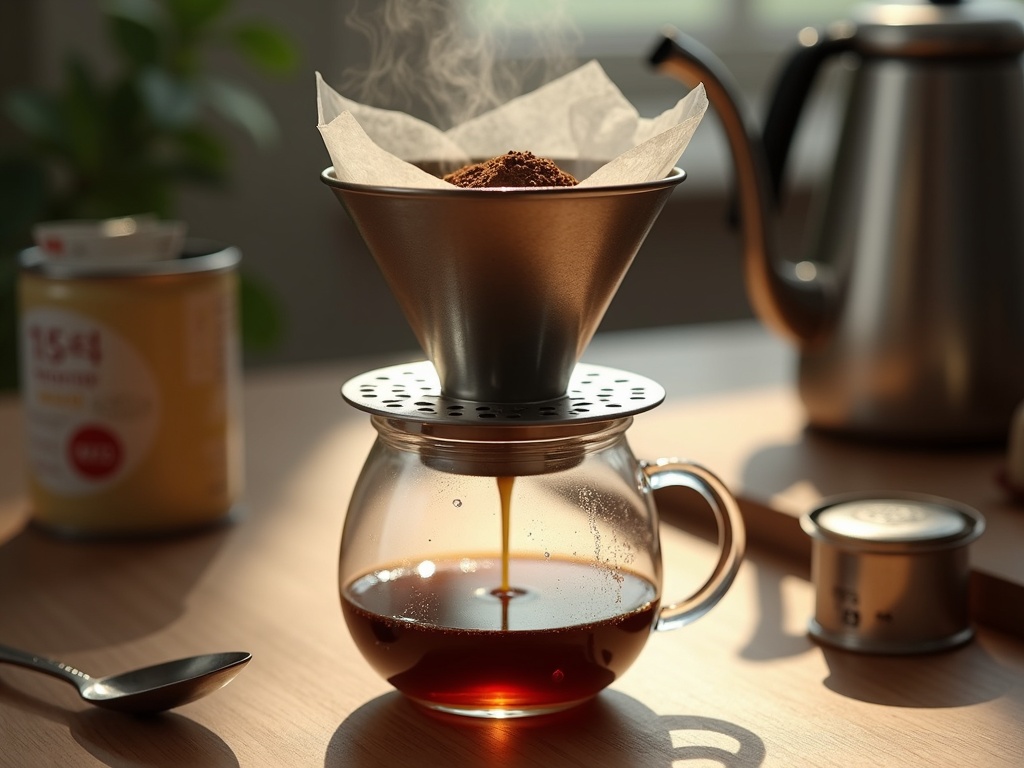
Setting up for authentic Vietnamese coffee requires just a handful of essential items that transform simple ingredients into a rich, aromatic experience. I’ll guide you through exactly what you need to create this beloved beverage at home.
Essential Equipment
Your equipment list starts with the star of the show — a Vietnamese phin filter. This small metal brewing device consists of a perforated brewing chamber, a removable filter plate, and a lid. You can’t make authentic Vietnamese coffee without one, and investing in a quality stainless steel version ensures years of reliable brewing.
Next, you’ll need a heat-resistant glass or ceramic mug that can handle hot liquids. I recommend choosing something with a wide opening to accommodate the phin filter comfortably. The vessel should hold at least 6–8 ounces to allow proper brewing space.
A reliable kettle for heating water is crucial, though any stovetop or electric kettle works perfectly. Temperature control matters more than the specific kettle type. Don’t forget a long-handled spoon for stirring, especially if you’re adding sweetened condensed milk.
While optional, a kitchen scale dramatically improves consistency. Measuring coffee by weight rather than volume gives you repeatable results every time. Most Vietnamese coffee recipes call for a 1:8 to 1:10 coffee-to-water ratio, making precise measurements valuable for perfecting your technique.
Quality Ingredients
Coffee selection makes or breaks your Vietnamese coffee experience. Dark roast varieties work best because they provide the bold, intense flavor that defines this brewing style. I prefer using robusta beans or robusta-arabica blends, which deliver the characteristic full body and higher caffeine content that Vietnamese coffee lovers expect. These beans handle the slow brewing process beautifully while maintaining their rich, earthy notes.
Sweetened condensed milk transforms regular coffee into the iconic cà phê sữa. This thick, sweet addition balances the coffee’s intensity and creates the creamy texture that makes Vietnamese coffee so distinctive. You’ll find this ingredient in any grocery store’s baking aisle.
Water quality significantly impacts your final cup. Filtered water removes chlorine and mineral buildup that can interfere with extraction and taste. I always use filtered water because it allows the coffee’s natural flavors to shine through without competing with unwanted mineral tastes.
Fresh grinding makes a noticeable difference in flavor extraction. If you’re serious about your Vietnam coffee filter technique, consider grinding beans just before brewing. Medium-fine grind works best — fine enough for proper extraction but coarse enough to prevent over-extraction during the lengthy brewing process.
Storage matters too. Keep your coffee beans in an airtight container away from light and heat. Vietnamese coffee’s bold character comes from properly stored, quality beans that retain their oils and aromatics. Replace beans every 2–3 weeks for optimal freshness, though properly stored beans remain usable for several months.
Understanding these fundamentals sets you up for success with traditional Vietnamese brewing methods. Each component plays a specific role in creating the distinctive taste and experience that makes this coffee style so beloved worldwide.
Ratios, Grind Size, and Water Temperature That Actually Work
Getting the fundamentals right with your Vietnamese coffee filter makes the difference between a mediocre cup and an exceptional one. I’ve experimented with countless combinations to find what consistently delivers that rich, smooth flavor Vietnamese coffee is known for.
Coffee-to-Water Ratios That Deliver
Start with a 1:10 to 1:12 coffee-to-water ratio by weight for your foundational phin cup. This means if you’re using 20 grams of coffee, pour between 200–240 grams of water. I find 1:11 hits the sweet spot for most coffee beans, providing that characteristic bold flavor without overwhelming bitterness.
Planning to serve over ice? Strengthen your ratio to 1:8 or 1:9. Ice will dilute your coffee, so starting with a more concentrated brew ensures you maintain that full-bodied taste even after the ice melts.
For condensed milk preparations, begin with 1–2 tablespoons in your cup before brewing. I recommend starting conservatively with 1 tablespoon, then adjusting upward based on your sweetness preference. The condensed milk ratio can dramatically change your coffee’s character, so small adjustments make big differences.
Grind Size and Water Temperature Precision
Aim for a medium-fine to medium grind consistency. Think slightly coarser than espresso but finer than drip coffee. Too fine creates a stalled drip that extends brewing time beyond the optimal range, often resulting in over-extraction and bitter notes. Too coarse allows water to rush through quickly, producing thin, under-extracted coffee that lacks body and flavor complexity.
I test my grind by running a small amount through the Vietnamese coffee filter without the insert plate pressed down. Water should flow through in a steady, controlled manner—not rushing, not crawling.
Water temperature control requires attention but isn’t complicated. Target 90–96°C (194–205°F) for optimal extraction. Bring water to a rolling boil, then let it rest for 30–45 seconds before pouring. This brief cooling period brings temperature down to the ideal range without requiring a thermometer.
Many coffee enthusiasts stick to 195–205°F as their standard brewing temperature, and this aligns perfectly with Vietnamese coffee preparation. Water that’s too hot scorches the coffee grounds, creating harsh flavors. Water that’s too cool fails to extract the full range of flavors and oils that make Vietnamese coffee distinctive.
I’ve found that maintaining consistent water temperature throughout the brewing process matters more than hitting an exact degree. Pour your initial water slowly, allowing the coffee bed to bloom for 30 seconds before adding the remaining water. This step-by-step approach ensures even extraction while maintaining optimal temperature.
Remember that your specific beans, filter condition, and personal taste preferences may require minor adjustments to these baseline recommendations. Start with these ratios and temperatures, then fine-tune based on your results. Vietnamese coffee rewards patience and attention to detail, but these proven parameters give you the foundation for consistently excellent cups.
Step-by-Step for Hot Phin Coffee (Cà Phê Phin Nóng)
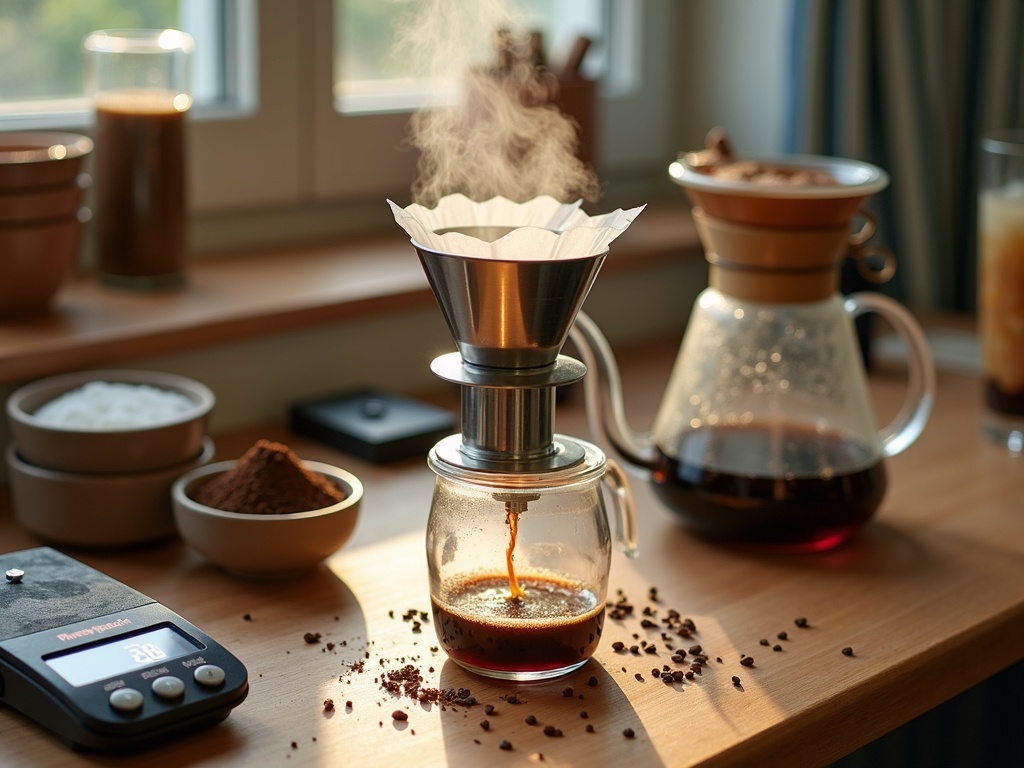
I’ll guide you through the traditional method for brewing authentic Vietnamese coffee using a phin filter. This technique ensures optimal extraction and delivers the rich, bold flavor that Vietnamese coffee is known for.
Preparation and Initial Setup
First, I recommend preheating your equipment to maintain a consistent brewing temperature. Rinse both the phin filter and your coffee cup with hot water, then discard the water. This simple step helps stabilize the extraction temperature throughout the brewing process.
Next, measure about 2 tablespoons of coarsely ground Vietnamese coffee into the bottom chamber of your single-serving phin. I prefer using a medium-dark roast for the most authentic flavor profile. Gently level the coffee bed with a light tap or by shaking the filter slightly — avoid compacting the grounds too firmly as this can lead to over-extraction.
Place the press disk (the metal filter with holes) on top of the coffee grounds. Press down lightly to create gentle contact with the coffee surface. The pressure should be firm enough to hold the grounds in place but not so tight that it restricts water flow. Finding this balance is crucial for proper extraction timing.
Brewing Process
Start the brewing process with a bloom pour. Add just enough hot water (around 195–205°F) to barely cover the coffee grounds. I typically use about 1–2 tablespoons of water for this initial pour. Wait 30–40 seconds to allow the coffee to release trapped gases and begin the extraction process. You’ll notice the grounds will puff up slightly during this blooming phase.
After the bloom period ends, fill the phin chamber completely with hot water. Place the lid on top to retain heat during the extraction process. The water should now begin dripping through the filter at a steady pace.
Monitor the drip rate carefully — you want a consistent, slow drip that takes between 4–8 minutes to complete. If the coffee drips too quickly, the extraction will be weak and sour. Conversely, if it drips too slowly, you risk over-extraction and bitterness. The ideal drip rate produces one drop every 1–2 seconds.
Once all the water has passed through the grounds, remove the phin filter from your cup. Give the coffee a gentle stir to ensure even distribution of flavors. You can enjoy your Vietnamese coffee black to appreciate its full intensity, or add sugar, condensed milk, or other sweeteners according to your preference.
The key to mastering the Vietnam coffee filter technique lies in consistency and patience. Each brew teaches you more about timing and pressure, helping you refine your method for the perfect cup. Temperature control remains critical throughout the process, so work quickly during the initial setup phase.
For those interested in exploring variations, this same basic technique can be adapted for different serving styles. The fundamental brewing principles remain the same whether you’re preparing traditional black coffee or planning to add condensed milk later. Practice with different grind sizes and coffee amounts until you find your preferred strength and flavor profile.
Remember that quality Vietnamese coffee requires time — rushing the process typically results in subpar extraction. The slow drip method allows for complete saturation of the coffee grounds and proper development of the complex flavors that make Vietnamese coffee distinctive. Each cup should deliver a smooth, rich taste with minimal bitterness when executed correctly.

Common Problems and Fast Fixes
I’ve encountered nearly every brewing challenge possible with Vietnamese coffee filters, and most issues have simple solutions that can transform a disappointing cup into the perfect brew. Understanding how to troubleshoot these common problems will help you master this traditional brewing method quickly.
Drip Rate and Strength Issues
When your coffee drips too fast and produces a weak, watery taste, I adjust three key variables to slow the extraction:
- I grind my coffee slightly finer to create more resistance for the water.
- I press the filter disk down more firmly against the coffee bed, increasing contact time between water and grounds.
- If needed, I reduce the water volume by about 10-15% to concentrate the flavors.
The opposite problem occurs when coffee drips too slowly or stops completely. This usually happens when I’ve ground the coffee too fine or packed it too densely. I fix this by:
- Using a slightly coarser grind, allowing water to flow more freely.
- Pressing the filter disk with less force and avoiding overly aggressive tamping.
Proper Vietnamese filter technique requires finding the right balance between contact time and flow rate.
Flavor Problems and Temperature Adjustments
Harsh or overly bitter coffee typically results from water that’s too hot or extraction that’s too long. To fix this:
- I lower the water temperature from boiling to around 195°F (90°C) by letting it sit for 30-60 seconds off heat.
- I aim for a total brew time of 4-6 minutes to avoid extended over-extraction.
Coffee quality heavily affects the final taste. I always use freshly roasted beans within 2-4 weeks of the roast date. Stale coffee can lead to bitterness. For those sensitive to harshness, I recommend avoiding extremely dark roasts that can overwhelm the palate. Achieving rich flavor depends largely on using high-quality beans matched to your taste preferences.
Sometimes the issue is not your method but your expectations. Vietnamese coffee is stronger and more concentrated than many other styles and is typically enjoyed with sweetened condensed milk. I’ve found that following traditional steps provides the most satisfying experience, rather than trying to mimic styles from other coffee cultures.
Water quality also plays a major role in flavor. I always use filtered water when available to avoid the unpleasant taste of chlorine. Mineral content must also be balanced: water that’s too soft results in flat flavor, while water that’s too hard can make the coffee taste harsh.
If you’ve tried all the above and still have problems, consider whether your filter equipment might be the issue. Older filters with worn screens or bent disks diminish proper pressure and flow. Traditional Vietnamese coffee preparation works best when your brewing tools are clean, intact, and functioning properly.
Temperature control involves more than just your initial water. I also preheat the filter and cup before brewing to maintain consistent heat throughout the process. This avoids rapid cooling, which can cause under-extraction and a weak-tasting brew.
Lastly, I maintain consistent measurements every brew. I use a ratio of 2 tablespoons of ground coffee per 6 ounces of water. Authentic brewing methods depend on these traditional proportions to deliver the bold profile that makes Vietnamese coffee so unique.
Remember, every Vietnamese coffee filter behaves a little differently—even within the same brand. The more time you spend learning how your specific filter responds to different grind sizes and tamping pressures, the better your brews will become. With a bit of practice, these adjustments become second nature, allowing you to create café-quality Vietnamese coffee at home.
Condensed Milk and Serving Styles
Vietnamese coffee offers distinct serving styles that transform your brewing experience into something truly special. I’ve found that the order of operations makes a significant difference in achieving the perfect balance of flavors.
Classic Milk Coffee Preparation
I always start with condensed milk when preparing traditional Vietnamese coffee. Pour approximately 2-3 tablespoons of sweetened condensed milk into your glass before placing the phin filter on top. This technique ensures the hot coffee extracts maximum sweetness as it drips through the filter.
Once I begin brewing, the coffee slowly drips into the condensed milk below, creating beautiful layers of amber and cream. Don’t rush this process – the slow drip allows the flavors to meld naturally. After the brewing completes, I stir the mixture thoroughly while it’s still hot. Heat helps the condensed milk dissolve completely, preventing any sticky residue at the bottom of your glass.
The stirring technique matters more than you might think. I use a long spoon and make figure-eight motions to ensure even distribution. This creates a smooth, creamy coffee with no separation or overly sweet pockets. For those interested in perfecting this technique, learning Vietnamese coffee with condensed milk requires attention to these small details.
Black Coffee Variations
Vietnamese black coffee, known as cà phê đen, showcases the pure intensity of the coffee beans without any dairy additions. I skip the condensed milk entirely and adjust my brewing ratio for a stronger, more concentrated flavor profile.
For black coffee styles, I increase the coffee-to-water ratio slightly – using about 3 tablespoons of coffee instead of the standard 2-2.5 tablespoons. This creates a fuller body that stands up beautifully on its own. The brewing time remains the same, but the result delivers a more intense coffee experience.
I’ve discovered that black Vietnamese coffee pairs exceptionally well with traditional Vietnamese pastries or can serve as a perfect afternoon pick-me-up. The concentrated flavor profile highlights the chocolate and nutty notes inherent in quality Vietnamese coffee beans. Some coffee enthusiasts prefer this style because it allows them to taste the true character of the beans without any masking sweetness.
Temperature plays a crucial role in both serving styles. I serve the milk version hot immediately after stirring, while black coffee can be enjoyed hot or allowed to cool slightly to appreciate its complex flavor notes. Both styles can be served over ice for refreshing iced versions – simply prepare the coffee as normal and pour over a glass filled with ice cubes.
The beauty of Vietnamese coffee lies in its flexibility. I often experiment with different ratios of condensed milk to coffee, finding the perfect balance for my taste preferences. Some days call for extra sweetness, while others demand the bold intensity of black coffee. Understanding these authentic Vietnamese coffee preparation methods gives you complete control over your coffee experience.
How to Use Vietnam Coffee Filter for Iced Coffee (Cà Phê Sữa Đá)
Creating authentic Vietnamese iced coffee with a phin filter delivers a bold, sweet treat that perfectly balances rich coffee flavor with creamy condensed milk. I’ll walk you through the process that transforms your hot brew into the perfect cold refreshment.
The Foundation: Building Your Sweet Base
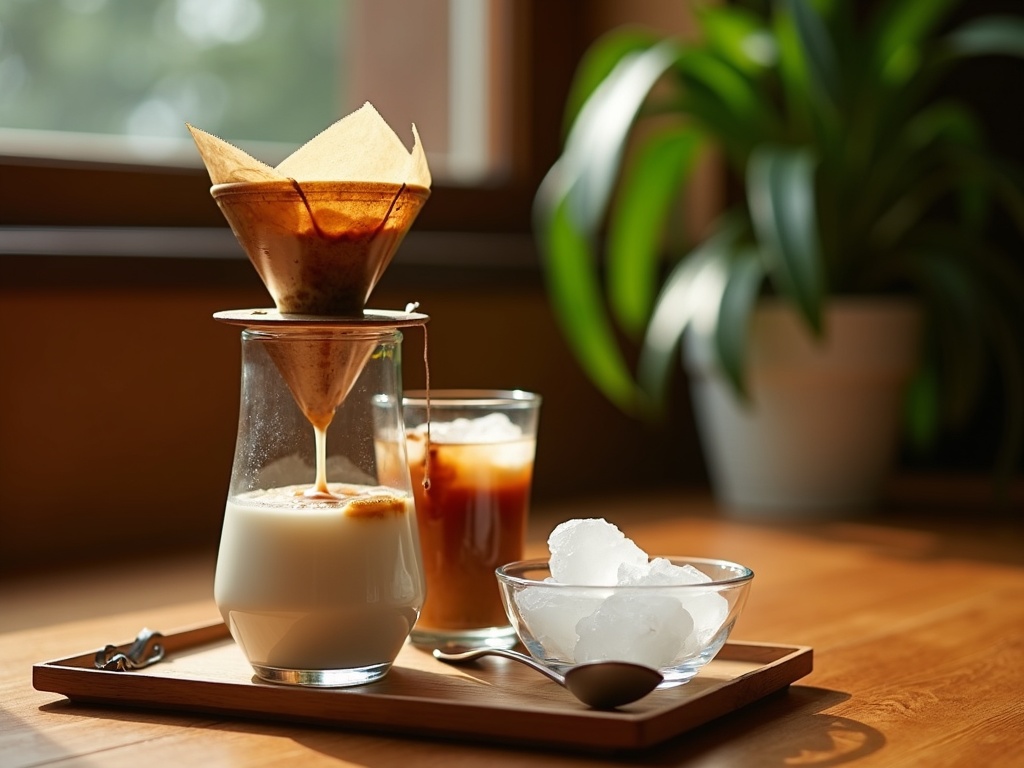
Start by adding 1–2 tablespoons of sweetened condensed milk to a heat-safe glass. The amount depends on your sweetness preference, but I recommend starting with less since you can always add more. Place your Vietnam coffee filter directly on top of this glass and brew your coffee as usual.
Brewing and Mixing Technique
Watch as the hot coffee slowly drips directly onto the condensed milk below. This direct contact creates natural mixing as gravity pulls the coffee through the dense, sweet milk. Once brewing finishes, stir the mixture thoroughly while it’s still hot. Hot liquid blends much more easily with condensed milk than cold liquid, ensuring you get an even distribution of sweetness throughout.
Fill a separate glass completely with ice cubes. Pour the hot coffee and condensed milk mixture over the ice in this second glass rather than adding ice directly to your brewing glass. This method gives you better control over cooling and prevents the ice from melting too quickly into your perfectly balanced mixture.
The transfer technique keeps your flavor profile strong while maintaining optimal dilution balance. Ice added directly to hot coffee melts rapidly, creating a watery drink that lacks the intense flavor Vietnamese iced coffee should deliver.
Use a stronger coffee concentration if you anticipate heavy ice melt, especially during hot weather or if you prefer to sip slowly. I suggest increasing your coffee grounds by about 25% when brewing specifically for iced preparation. This compensates for inevitable dilution while preserving the characteristic boldness that makes Vietnamese coffee with condensed milk so distinctive.
Consider the timing of your preparation as well. Allow the hot mixture to cool slightly before pouring over ice if you want maximum flavor retention. A temperature around 140-150°F creates less shock to the ice while still maintaining proper mixing capabilities with the condensed milk.
Your final drink should display distinct layers initially – the creamy coffee mixture settling over clear ice – before you give it a final stir. This visual presentation adds to the authentic experience, and that last stir ensures every sip contains the perfect balance of coffee intensity and sweet creaminess that defines proper cà phê sữa đá.
Sources:
Bon Appétit – Everything You Need to Make Vietnamese Coffee
Brewista – SCA Golden Cup water temperature summary (195–205°F)
VinWonders – Vietnamese drip coffee (local-style steps)

