
No products in the cart.
Beverages News, Energy Drinks, Red Bull Energy Drink
Streamlined Supply: Ensuring Efficient Logistics for Red Bull Energy Drink Shipments
07
Aug
Aug
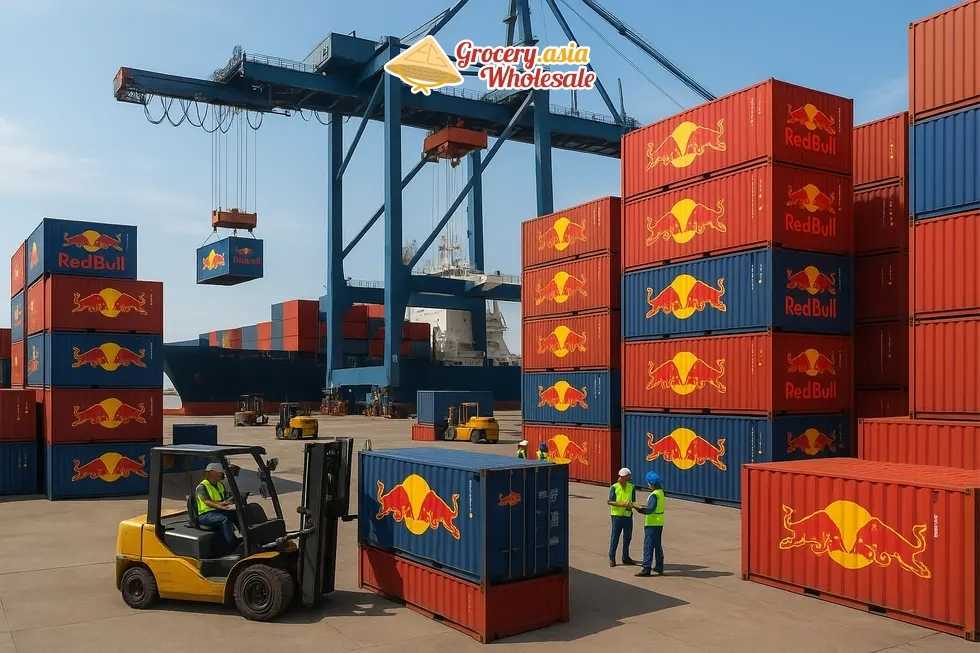
Efficient logistics are crucial in meeting global demand for Red Bull energy drinks. By fine-tuning export processes, managing warehouses strategically, and leveraging local expertise, Red Bull successfully navigates complex international markets, from Asia to the Americas. Through product traceability and high-quality standards, coupled with partnerships with logistics providers, Red Bull ensures seamless supply chain operations. Each chapter will delve into these aspects, offering a comprehensive guide for logistics managers and supply chain directors.
Table of Contents
Strategic Optimization of Red Bull’s Export and Packaging Pipeline
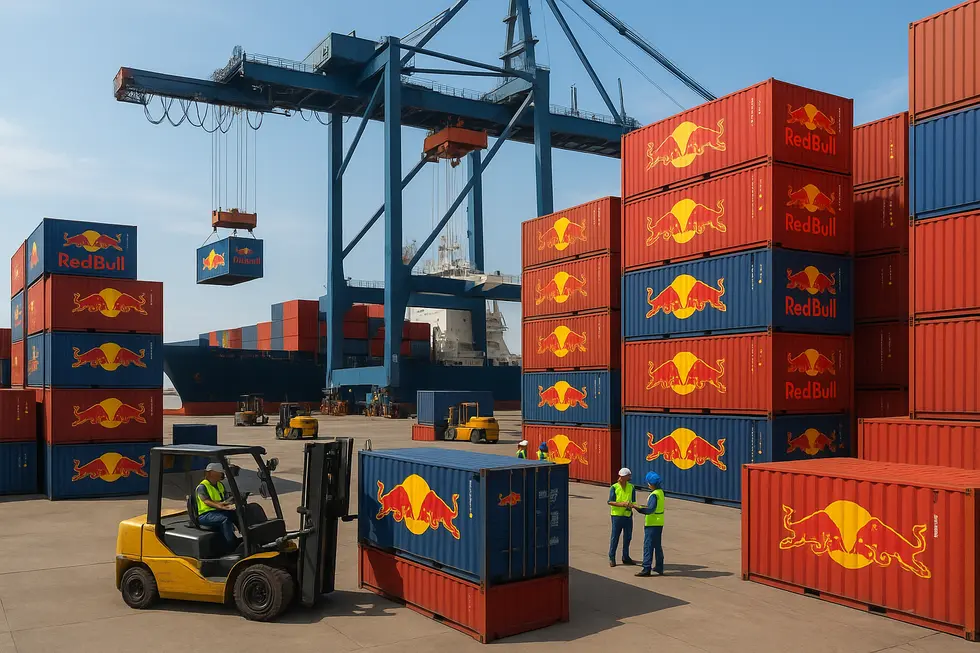
Enhancing the export and packaging process for Red Bull’s global shipments requires an intricate weave of strategic logistics, cutting-edge packaging techniques, and regional distribution acumen. This synergy ensures that Red Bull meets the global thirst for its energizing cans with effectiveness and economy.
Vital to Red Bull’s efficiency is the optimization of its supply chain network. Utilizing advanced tools like anyLogistix and Llamasoft, logistics teams balance the nuanced costs of warehousing, inventory, and transport. This careful calibration ensures a streamlined pipeline that delivers Red Bull with punctual precision across continents, from Asia to the Americas. Centralized warehousing capitalizes on risk pooling to minimize safety stock, although this advantage is tempered by extended transport intervals, necessitating a judicious trade-off analysis. Explore supply chain resilience strategies for deeper insights.
Innovation in packaging is another cornerstone. Export packs safeguard against transit damage while optimizing load space, thus curbing shipping expenses. Adherence to international labeling norms and rigorous shelf-life controls are essential to keeping Red Bull fresh and appealing upon arrival. Local expertise further amplifies efficiency, as distributors such as Vietnam’s firms ensure seamless compliance and effective stock management, enabling cost-effective logistics on a global scale.
Through these meticulously integrated strategies, Red Bull fortifies its supply chain, delivering energy to the world swiftly and sustainably.
Optimizing Efficiency: Warehouse Management in Red Bull’s Global Supply Chain
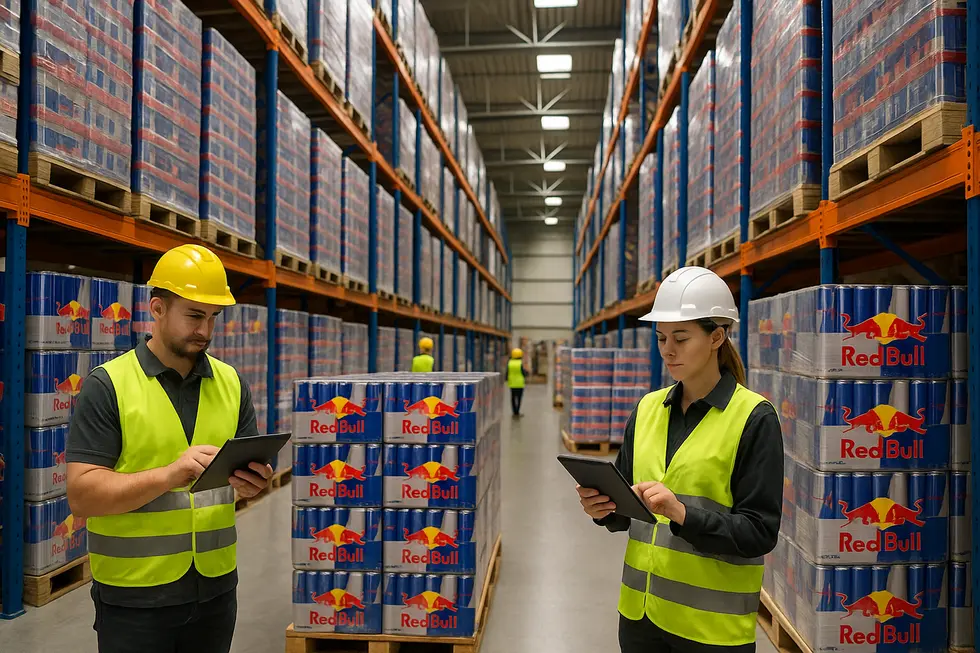
Strategic warehouse management is a critical component of Red Bull’s efficient supply chain operations. Managed by adept Warehouse Managers under the guidance of Operations Managers within the Red Bull Distribution Company (RBDC), these facilities are instrumental in maintaining timely distribution and consistent supply chain fluidity across several key locations, including Merrillville, Sacramento, and Seaford.
In these warehouses, advanced technologies similar to Oracle Fusion Cloud Advanced Inventory Management are likely utilized. These systems leverage automation and AI-driven decision-making to streamline warehouse operations, reduce errors, lower inventory costs, and accelerate order fulfillment [2]. This technological integration supports the just-in-time principles Red Bull relies on to reduce inventory carrying costs and enhance responsiveness, crucial for beverage distribution.
Moreover, Red Bull collaborates with third-party logistics providers to further bolster efficiency. These partnerships enable consolidated and specialized logistics services, ensuring rapid and scalable distribution across diverse international markets. This approach complements Red Bull’s demand for fast, compliant, and cost-effective logistics solutions.
By integrating skilled operational leadership with state-of-the-art inventory technologies and logistics partnerships, Red Bull successfully optimizes supply chain efficiency. This results in reduced operational costs and ensures consistent product availability in a competitive market environment, aligning with Red Bull’s business strategies.
For further insights into efficient logistic practices that align product availability with consumer demand, you might be interested in exploring Oreo container shipment strategies.
Harnessing Local Expertise for Global Event Logistics Success

Red Bull’s global logistics strategy thrives on a harmonious blend of centralized coordination and localized execution. At the heart of this approach are detailed plans crafted at Red Bull’s headquarters in Oberwang, Austria—plans meticulously crafted and often set in motion a year in advance. Yet, it is the local expertise that breathes life into these strategies, ensuring seamless execution on the ground, especially during high-profile global events like MotoGP and F1 races. Here, the intricate logistics of mobile hospitality setups, catering equipment, and tailored assets rely heavily on local knowledge. Red Bull’s adept use of reusable container sets underscores their efficient asset management, reliant on local handling proficiency at each venue for flawless operations.
Beyond event logistics, Red Bull’s supply chain leans on local insights in diverse markets like Vietnam. Local logistical acumen helps navigate regional regulations and enhance distribution networks, ensuring products are timely and widely available worldwide. This reliance on local knowledge complements Red Bull’s grassroots marketing efforts, where roles like Student Marketeers engage consumers deeply within their communities, aligning logistics with market demand.
Technologically, Red Bull harmonizes global logistics processes using SAP-based solutions, overseen by specialized IT project managers. These managers balance centralized IT frameworks with local operational needs, integrating logistics applications that support Red Bull’s expansive logistical web. For further exploration of similar strategies in Vietnam, consider visiting Red Bull distributor in Vietnam for insights into regional expertise driving market growth.
Tracing the Red Bull Journey: Upholding Quality at Every Step
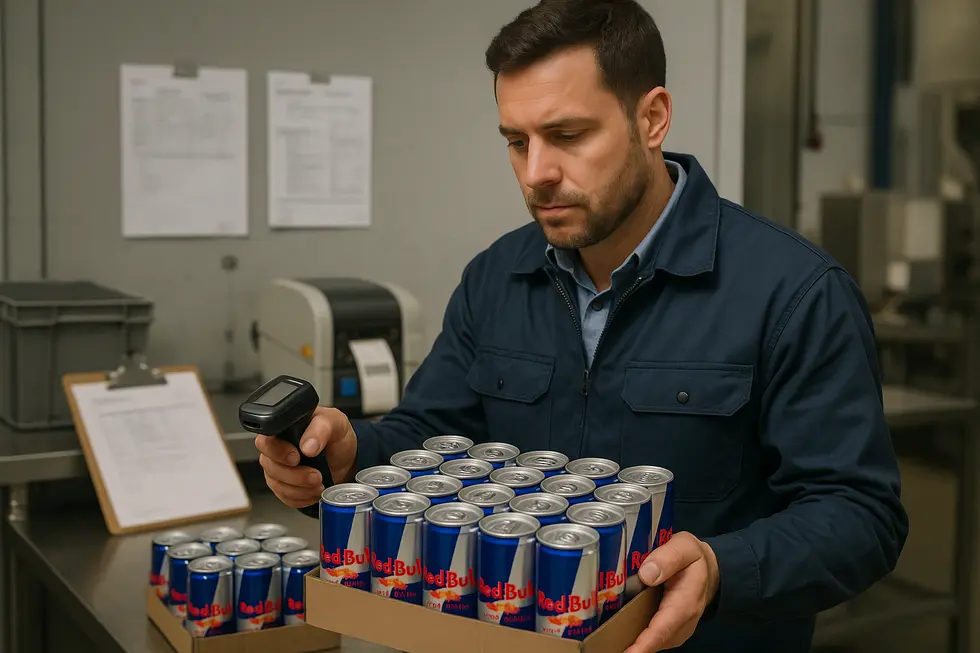
In the intricate dance of global logistics, Red Bull ensures its wings remain unbroken by embedding product traceability into the core of its operations. This is not merely a process—it’s a pledge to quality, harmonizing global standards with meticulous local control. By leveraging skilled logistics specialists, Red Bull maintains a vigilant eye over the journey of every can, safeguarding its integrity from origin to shelf.
These logistics experts orchestrate the meticulous flow of product information, ensuring that each batch is traceable throughout its lifecycle. This precision-driven approach aligns with Red Bull’s commitment to transparency and quality, setting a benchmark in the industry. Instead of leaving it to chance, stringent transport and storage protocols are enforced across diverse environments, guaranteeing the energy drink retains its renowned quality until it reaches consumers.
While some providers focus predominantly on efficient shipment tracking, Red Bull’s strategy surpasses mere logistics—it embodies a comprehensive quality framework. Red Bull’s logistics prioritize local nuances while adhering to global mandates, forming a fluid synergy that sustains its reputation for excellence. This focus on quality and traceability highlights Red Bull’s strategic foresight and steadfast dedication to providing reliable, high-quality energy drinks globally.
Global Partnerships: Powering Red Bull’s Logistics Success

Red Bull’s global logistics strategy hinges on powerful partnerships with experienced logistics providers that ensure timely, efficient, and compliant distribution across continents. These partnerships are essential in meeting varied market demands from North America to Asia and Europe. With freight brokerage services and robust cross-border networks, Red Bull guarantees the seamless movement of goods, optimizing cost and minimizing port-related delays. Companies such as Red Ball Express Logistics enable fast, reliable transport across the US, Canada, and Mexico, using full truckload and rail-truck combinations to maintain supply reliability and efficiency.
In Asia, partners like Asia Grocery Wholesale (AGW) leverage their FMCG expertise and digital platforms, such as Alibaba, to not only manage exports efficiently but also enhance transparency in global shipments. These collaborations ensure compliance with labeling standards and optimize container loads, which are crucial for maintaining product integrity and consistency. Similarly, for major events like global motorsport races, coordinated logistics operations are vital. Red Bull’s hospitality logistics require exceptional collaboration to manage mobile assets and containerized equipment efficiently, highlighting the importance of versatile logistics partners. These strategic partnerships form the backbone of Red Bull’s seamless supply chain strategy, supporting its global reach and maintaining its position as a leader in the energy drink market. Learn more about Red Bull’s logistics in Vietnam.
Final thoughts
Red Bull’s logistics success illustrates the importance of strategic supply chain management and partnerships. By optimizing exports, harnessing local expertise, managing warehouses effectively, and ensuring product traceability, Red Bull meets global demand efficiently. These practices not only support robust global supply chains but also enhance Red Bull’s competitive edge in international markets.
👉 Looking for a trusted Redbull Energy Drink wholesale supplier? Contact Asia Grocery Co., Ltd for bulk deals and export-ready inventory.
About us
Asia Grocery Co., Ltd is a trusted distributor, wholesaler, and exporter of fast-moving consumer goods (FMCG) from Vietnam, backed by over 20 years of expertise. We deliver authentic products from globally recognized brands such as P&G, Unilever, Redbull, Coca-Cola, Pepsi, Asiadeli, along with traditional and culturally significant Asian products, catering to customers worldwide with a special focus on Vietnamese and Asian communities abroad.

