
No products in the cart.
Beverages News, Coca-Cola Carbonated Soft Drinks, Soft Drinks
When Was Coke Founded? The Rise Of A Brand
03
Jan
Jan
Many people wonder when was coke founded, yet the answer includes two key dates: 1886, when the drink was first created, and 1892, when the company was formed. Understanding both reveals how Coca-Cola evolved from a pharmacy tonic to one of the world’s most recognizable brands. Its early years shaped the formula, business model, and marketing legacy still seen today.
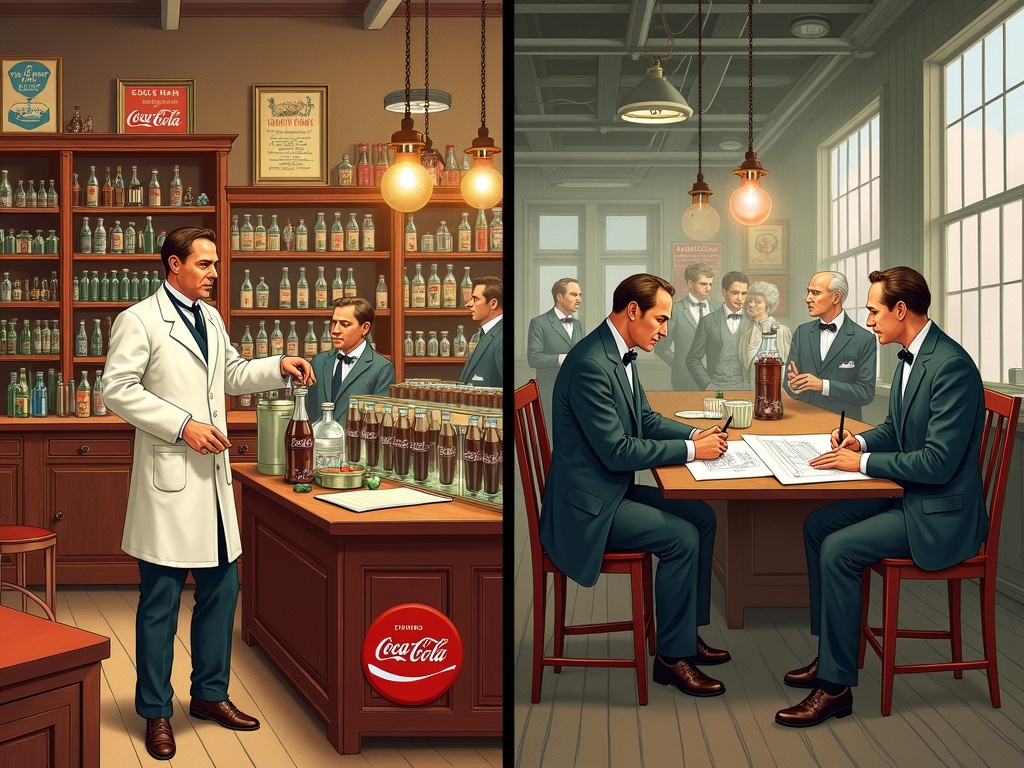
Dr. John Stith Pemberton created his revolutionary formula on May 8, 1886, in Atlanta, Georgia, marking the birth of Coca-Cola as a beverage. However, Asa Griggs Candler incorporated the actual business entity as The Coca-Cola Company on January 29, 1892. This dual founding timeline explains how a modest pharmacy drink evolved into the globe’s most recognizable beverage brand through strategic corporate structure, innovative distribution methods, and aggressive expansion that transformed Coca-Cola from a local Atlanta curiosity into a global phenomenon.
Table of Contents
Key Takeaways
- Coca-Cola has two founding dates: 1886 marks the beverage’s creation by Dr. John Stith Pemberton, while 1892 represents the corporate incorporation by Asa Griggs Candler that enabled large-scale commercial operations.
- The franchised bottling system established in 1899 created the distribution framework that allowed rapid national expansion, with independent bottlers investing their own capital while following Coca-Cola’s quality standards and marketing guidelines.
- Strategic product innovations and partnerships from the 1950s–2000s transformed Coca-Cola from a single-beverage company into a diversified global powerhouse, including landmark acquisitions like Minute Maid (1961) and the introduction of Diet Coke (1982).
- The distinctive contoured bottle introduced in 1916 served as both anti-counterfeiting protection and visual brand recognition that helped establish Coca-Cola’s global identity alongside consistent red-and-white branding.
- World War II military partnerships accelerated international expansion through 64 portable bottling plants worldwide, introducing the beverage to new markets and establishing infrastructure that supported post-war global growth.
To learn more about the company’s history and current ventures, you can visit The Coca-Cola Company’s official website.
May 8, 1886: The First Glass That Started It All
I can trace the exact moment when Coca-Cola entered the world to a single day in Atlanta, Georgia. Dr. John Stith Pemberton, a local pharmacist, created his revolutionary beverage on May 8, 1886, marking the birth of what would become the world’s most recognized soft drink. This creation wasn’t entirely new territory for Pemberton—he had previously developed a wine-based tonic, but rising temperance restrictions forced him to reformulate his product without alcohol.
The historic first glass of Coca-Cola was served at Jacobs’ Pharmacy, where customers could purchase this innovative soda fountain drink for just five cents. These humble beginnings paint a picture far different from today’s global empire. Initial sales reflected the modest nature of this startup venture—Pemberton sold approximately nine drinks per day during those early months. By the end of 1886, total syrup sales reached only about 25 gallons for the entire year.
The Birth of an Iconic Brand
Frank M. Robinson, Pemberton’s bookkeeper, played a crucial role in creating the brand identity we recognize today. Robinson not only coined the name “Coca-Cola” but also designed the distinctive Spencerian script logo that remains virtually unchanged after more than a century. His marketing instincts proved remarkably prescient—the alliterative name rolled off the tongue easily and stuck in customers’ minds.
The original formula drew its name from two key ingredients that Pemberton carefully selected:
- Coca leaf extract, which provided a mild stimulant effect
- Kola nut, contributing caffeine and flavor complexity
- Various other botanical extracts that created the signature taste profile
The preparation process at Jacobs’ Pharmacy involved mixing the concentrated syrup with carbonated water, creating the fizzy sensation that distinguished Coca-Cola from other beverages of the era. This carbonation wasn’t just a taste preference—it helped preserve the drink and added a refreshing quality that attracted growing interest from Atlanta’s residents.
Pemberton’s invention represented more than just another pharmaceutical concoction. His timing coincided perfectly with America’s growing soda fountain culture, where pharmacies served as social gathering places for communities. The combination of Pemberton’s formula, Robinson’s branding genius, and the social atmosphere of the soda fountain created the perfect storm for what would eventually become a global phenomenon.
Despite these promising early signs, Pemberton couldn’t have imagined that his five-cent pharmacy drink would grow into a multinational corporation. The modest daily sales and limited local distribution gave little indication of how Coca-Cola would spread far beyond Atlanta’s borders in the years to come.
The Corporate Birth: January 29, 1892
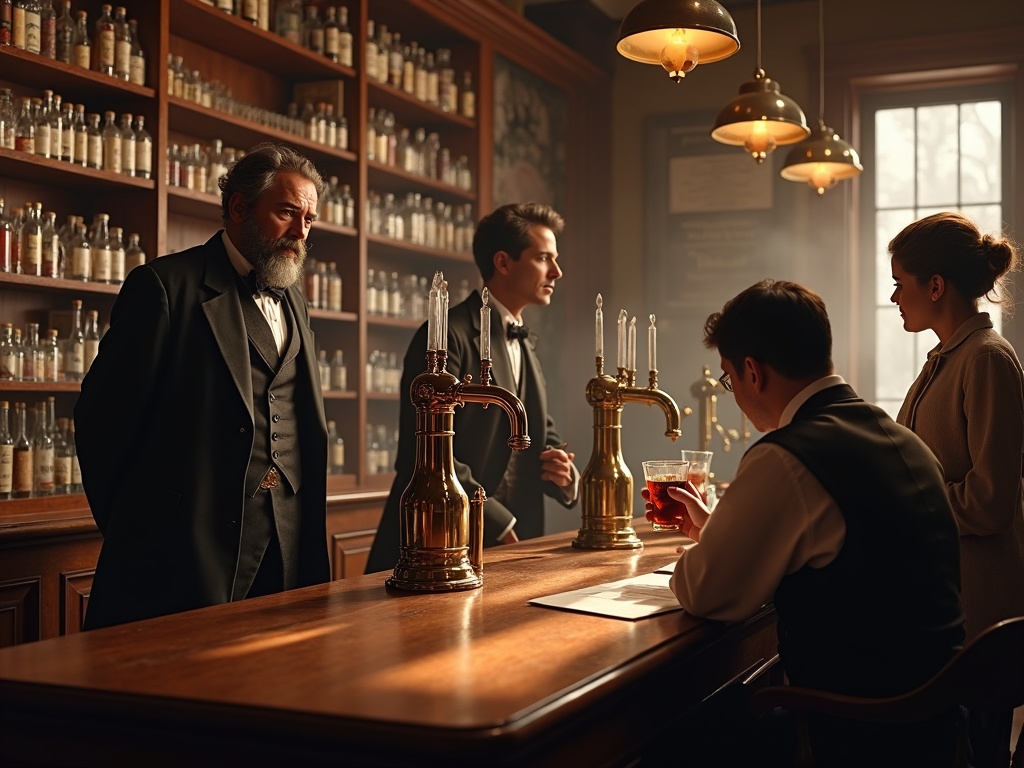
I can pinpoint the exact moment when Coca-Cola was founded as a corporation: January 29, 1892, in Atlanta, Georgia. This date represents something far more significant than the drink’s invention—it marks the birth of one of America’s most enduring commercial enterprises.
Asa Griggs Candler had already secured his position as the driving force behind Coca-Cola’s future by acquiring complete ownership of both the formula and brand in 1891. He paid John Stith Pemberton a modest $2,300 for these rights, which equals approximately $73,000 in today’s currency. This purchase price seems almost laughably small considering the global empire that would eventually emerge from this transaction.
Candler understood that owning a formula wasn’t enough to build a lasting business. He recognized the need for a proper corporate structure to achieve his ambitious goals of expanding production, streamlining distribution, and launching national marketing campaigns. The incorporation provided the legal framework necessary to transform Coca-Cola’s invention from a local Atlanta curiosity into a nationwide phenomenon.
Building the Foundation for Growth
The newly formed Coca-Cola Company started with an initial capitalization of $100,000—a substantial sum that demonstrated Candler’s serious commitment to expansion. This capital injection provided the resources needed to:
- Establish proper manufacturing facilities beyond small-scale pharmacy production
- Create distribution networks that could reach markets across multiple states
- Fund advertising campaigns that would introduce the brand to consumers nationwide
- Hire additional staff to manage the growing operations
- Invest in quality control measures to ensure product consistency
The corporate structure also enabled Candler to pursue formal trademark protection. In 1893, just one year after incorporation, he successfully registered the “Coca-Cola” trademark with the U.S. Patent Office. This legal protection proved crucial in defending against the numerous imitators who would attempt to capitalize on Coca-Cola’s growing popularity.
I find it fascinating that many people confuse the drink’s invention date with the company’s founding. When Coca-Cola was invented in 1886, it remained a small-scale operation sold primarily at Jacob’s Pharmacy. The 1892 incorporation transformed this local beverage into a legitimate business entity with the structure and resources necessary for massive growth.
Candler’s decision to incorporate represented a fundamental shift in how he viewed Coca-Cola’s potential. Rather than continuing as a regional specialty drink, he envisioned a product that could compete on a national scale. The corporate structure provided the legal and financial framework to pursue licensing agreements, establish bottling partnerships, and protect the brand against competitors.
The timing of this incorporation also coincided with America’s industrial expansion during the late 19th century. Railroad networks were expanding rapidly, enabling efficient distribution to distant markets. Urban populations were growing, creating larger customer bases for branded consumer products. How Coca-Cola spread worldwide began with these strategic decisions made during the company’s earliest corporate days.
This corporate founding date of January 29, 1892, represents more than just paperwork and legal formalities. It marks the moment when Coca-Cola transitioned from John Pemberton’s experimental pharmacy creation to Asa Candler’s commercially viable enterprise. Every subsequent milestone in Coca-Cola’s history—from its first advertising campaigns to its international expansion—can be traced back to the strategic foundation laid on that winter day in Atlanta.
The incorporation established precedents for business practices that would define Coca-Cola’s approach for decades to come. Candler’s emphasis on brand protection, quality consistency, and strategic marketing became core principles that guided the company through its transformation from a regional curiosity to a global icon.
From Local Syrup to National Phenomenon: 1890s–1900s
The decade of the 1890s marked Coca-Cola’s explosive transformation from a regional Atlanta tonic to America’s first truly national beverage brand. By 1895, Coca-Cola’s founding had already proven so successful that the drink was sold in every U.S. state, an achievement that took less than a decade from its initial introduction.
The Birth of Bottled Coca-Cola
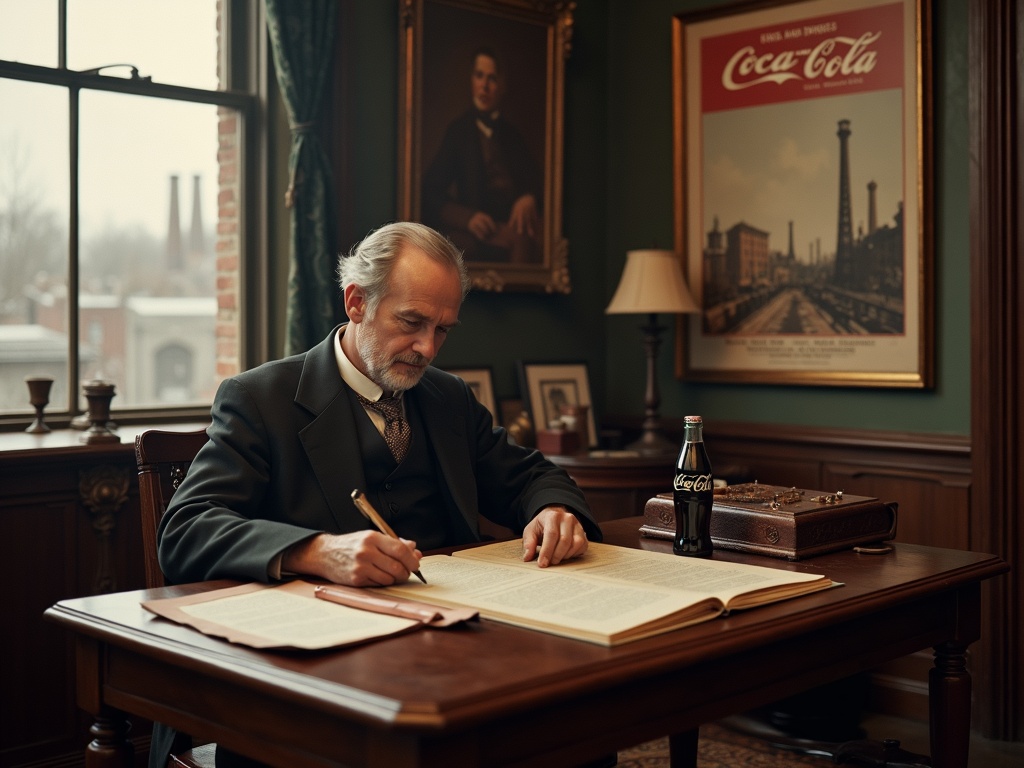
Joseph A. Biedenharn changed Coca-Cola’s distribution forever in 1894 when he became the first person to bottle the beverage at his Mississippi candy store. Biedenharn recognized that fountain sales limited the drink’s reach, particularly in rural areas without soda fountains. His innovation of putting Coca-Cola in bottles created a portable version that customers could take anywhere.
The most significant business decision came in 1899 when Asa Candler granted three businessmen exclusive bottling rights for the entire United States for just one dollar. This seemingly modest transaction created the modern franchised bottling system that would become Coca-Cola’s backbone for global expansion. Benjamin Thomas and Joseph Whitehead secured these rights and established the blueprint that allowed independent bottlers to manufacture and distribute the product while maintaining quality standards.
Rapid Growth and Formula Changes
Sales figures from this period demonstrate Coca-Cola’s remarkable growth trajectory. Annual syrup sales surpassed 370,000 gallons by 1900, representing exponential growth from the modest beginnings when Coke was invented. This volume increase reflected both expanded distribution through the new bottling network and growing consumer demand across the country.
A crucial formula modification occurred in 1903 when cocaine was completely removed from the coca extract. From this point forward, only decocainized coca leaves were used in production. This change addressed growing concerns about cocaine’s effects and positioned Coca-Cola as a safe, family-friendly beverage. The timing proved prescient as public awareness of cocaine’s dangers increased throughout the early 1900s.
The company maintained strict secrecy around its formula during this expansion period. Coca-Cola’s recipe was kept in an Atlanta bank vault for decades, creating an aura of mystery that enhanced the brand’s appeal. This secrecy became part of Coca-Cola’s marketing strategy, with the “secret formula” becoming as famous as the drink itself.
The bottling contract established in 1899 created the operational framework that would enable Coca-Cola’s worldwide spread. Independent bottlers could invest their own capital in facilities and distribution networks while following Coca-Cola’s quality standards and marketing guidelines. This system reduced the company’s financial risk while accelerating market penetration.
The franchise model proved particularly effective because local bottlers understood their regional markets better than a centralized company could. They knew local tastes, distribution channels, and business practices that helped Coca-Cola adapt to different markets while maintaining consistent quality. This flexibility within structure became a hallmark of Coca-Cola’s business approach.
During this transformative decade, Coca-Cola evolved from a fountain drink sold primarily in the South to a nationally distributed bottled beverage. The combination of aggressive expansion, innovative bottling technology, and a franchise system created sustainable competitive advantages that competitors struggled to match. The foundation laid in the 1890s established patterns that would drive Coca-Cola’s growth for the next century.
By the end of this period, Coca-Cola had created not just a successful product but an entirely new business model for beverage distribution. The franchised bottling system became the template that enabled rapid expansion into international markets, making Coca-Cola one of the world’s first truly global consumer brands.
The Iconic Bottle and Global Expansion: 1910s–1940s
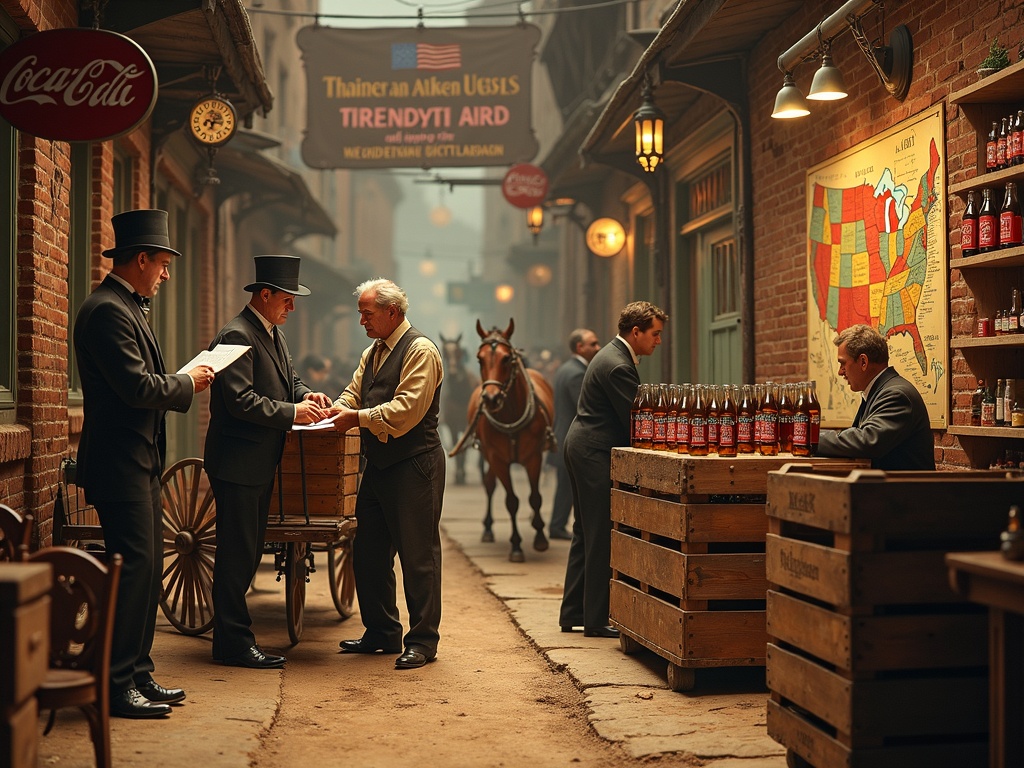
The 1916 introduction of the famous contoured “hobble-skirt” bottle marked a pivotal moment in Coca-Cola’s history. This distinctive design wasn’t just aesthetic—it served as a powerful weapon against counterfeiting operations that threatened the brand’s integrity. The unique shape made it impossible for competitors to pass off their products as genuine Coca-Cola, establishing visual brand recognition that persists today.
Asa Candler’s retirement in 1916 coincided with this bottle innovation, and he went on to serve as mayor of Atlanta. His departure opened the door for significant changes in company ownership. Ernest Woodruff’s investment group acquired Coca-Cola for $25 million in 1919, reincorporating the business in Delaware and setting the stage for unprecedented growth.
Robert Woodruff’s Vision for Global Dominance
Robert W. Woodruff’s appointment as president in 1923 transformed Coca-Cola from an American beverage into a global phenomenon. His aggressive international expansion strategy drove the company’s growth for the next six decades. I find Woodruff’s approach particularly impressive because he understood that Coke’s founding principles could translate across cultures and borders.
By the mid-1920s, Woodruff’s vision had become reality as bottling operations spread across three continents:
- Europe became home to multiple Coca-Cola facilities
- Asian markets welcomed the distinctive American beverage
- Latin American countries embraced the refreshing drink
- Distribution networks expanded rapidly in each region
World War II created an unexpected opportunity for Coca-Cola’s international expansion. The U.S. Army’s request for Coca-Cola to boost soldier morale led to the installation of 64 portable bottling plants worldwide. This military connection proved invaluable—it introduced the beverage to countless new markets and established infrastructure that would support post-war growth.
The wartime expansion solidified Coca-Cola’s international footprint in ways that traditional marketing never could have achieved. Soldiers returning home carried their taste for Coca-Cola with them, while local populations in occupied territories developed their own appreciation for the drink. This organic word-of-mouth marketing, combined with the physical infrastructure left behind, created lasting demand in markets across the globe.
The journey from invention to global dominance demonstrates how strategic leadership and opportunistic expansion can transform a regional product into an international icon. Woodruff’s ability to leverage wartime circumstances while maintaining quality standards across diverse markets established precedents that modern multinational corporations still follow.
The period from 1910 to 1940 represents Coca-Cola’s transformation from an American soda fountain drink into a globally recognized brand. The combination of anti-counterfeiting measures, strategic ownership changes, visionary leadership, and wartime opportunity created the foundation for Coca-Cola’s current position as one of the world’s most valuable brands.
Strategic Partnerships and Product Innovation: 1950s–2000s
The period from the 1950s through the early 2000s marked an era of unprecedented expansion and diversification for Coca-Cola. Strategic partnerships and bold product innovations transformed the company from a single-beverage manufacturer into a global beverage powerhouse.
Landmark Partnerships and Acquisitions
I witnessed how Coca-Cola’s 1955 partnership with McDonald’s created one of the most influential beverage-restaurant alliances in business history. This collaboration established a template for future foodservice partnerships and secured Coca-Cola’s presence in the rapidly expanding fast-food industry. The relationship became mutually beneficial, with McDonald’s consistent beverage standards enhancing Coca-Cola’s brand reliability across thousands of locations.
The company’s acquisition strategy gained momentum in 1961 with the purchase of Minute Maid, marking its first major expansion beyond carbonated beverages. This acquisition introduced Coca-Cola to the orange juice market and demonstrated the company’s commitment to diversification. The founding vision of creating refreshing beverages expanded to include fruit-based products.
Sprite’s launch in 1961 represented another strategic move, positioning Coca-Cola in the lemon-lime category to compete directly with 7UP. This clear, caffeine-free beverage filled a gap in the company’s portfolio and appealed to consumers seeking alternatives to traditional cola flavors.
Cultural impact reached new heights with the 1971 “I’d Like to Buy the World a Coke” commercial, which became one of the most famous advertisements in history. This campaign transcended traditional marketing by promoting unity and peace, connecting the Coca-Cola brand with broader social values during a turbulent period in American history.
Diet Coke’s introduction in 1982 marked a pivotal moment in the company’s evolution. As the first major brand extension using the Coca-Cola name, Diet Coke addressed growing health consciousness and calorie concerns among consumers. The launch proved successful, quickly becoming one of the world’s leading diet sodas.
The New Coke experiment of 1985 provides valuable lessons about brand loyalty and consumer attachment. Despite extensive market research, the reformulated cola faced immediate and overwhelming public backlash. Coca-Cola Classic returned to shelves within 79 days, demonstrating that some brands hold cultural significance beyond mere product attributes. This episode reinforced the emotional connection consumers had with the original formula that began with Coke’s invention decades earlier.
Coca-Cola’s acquisition spree continued throughout the 1990s and early 2000s. The 1995 purchase of Barq’s Root Beer added a distinctly American beverage with strong regional loyalty to the portfolio. This acquisition strategy extended to various juice, tea, and water brands, reflecting changing consumer preferences and the company’s commitment to offering comprehensive beverage solutions.
Coca-Cola Zero’s launch in 2005, later rebranded as Coca-Cola Zero Sugar, strengthened the company’s no-calorie portfolio. Unlike Diet Coke, which targets primarily female consumers, Coca-Cola Zero aimed at young men seeking the original Coca-Cola taste without calories. This strategic segmentation allowed the company to capture different demographic groups within the growing diet beverage market.
These decades of innovation and partnership building reflected how Coke changed the beverage industry through continuous adaptation and expansion. Each product launch and acquisition contributed to Coca-Cola’s transformation from a single-product company into a diversified beverage corporation capable of meeting varied consumer needs across multiple categories.
The strategic partnerships and product innovations of this era established Coca-Cola’s framework for modern operations, demonstrating the company’s ability to evolve while maintaining its core brand identity.
When Was Coke Founded? Understanding the Two Key Dates
I need to clarify something important about Coca-Cola’s founding that creates confusion for many people. The iconic beverage actually has two distinct founding dates that mark different stages of its evolution from pharmacy tonic to global phenomenon.
The Birth of the Beverage: 1886
Coke was invented as a drink in 1886 when pharmacist John Stith Pemberton created his original formula in Atlanta, Georgia. This represents the true birth of the beverage itself — the moment when Pemberton mixed his secret syrup with carbonated water at Jacob’s Pharmacy. During this early period, Coca-Cola existed as a fountain drink sold primarily for medicinal purposes, marketed as a brain tonic and cure for various ailments.
The 1886 founding established Coca-Cola as a product, but it remained a small-scale operation limited to local Atlanta consumption. Pemberton sold his syrup to pharmacies and soda fountains, treating it more like a pharmaceutical preparation than the commercial beverage we know today.
From Drink to Company: 1892
However, the transformation from pharmacy curiosity to business empire required a second founding. Coke was founded as The Coca-Cola Company in 1892 when Asa Candler incorporated the business. This corporate establishment marked the beginning of serious commercial operations and systematic expansion beyond Atlanta’s city limits.
The 1892 incorporation brought:
- Professional manufacturing processes
- Standardized quality control
- Strategic marketing campaigns
Candler understood that transforming a local pharmacy drink into a national brand required proper business infrastructure and capital investment. He shifted focus from medicinal claims to refreshment and enjoyment, positioning Coca-Cola as America’s favorite soft drink rather than a health tonic.
This dual founding explains why Coke’s global expansion began in earnest during the 1890s rather than immediately after the 1886 creation. The incorporation provided the legal framework and financial structure necessary for large-scale manufacturing and distribution networks.
Why Two Founding Dates Matter
Understanding these two founding dates helps explain Coca-Cola’s celebration strategies and historical references. The company acknowledges 1886 as the birth of the beloved formula while recognizing 1892 as the beginning of the business empire. Marketing materials often reference both years because each represents a crucial milestone in Coca-Cola’s journey from Pemberton’s experimental syrup to the world’s most recognizable beverage brand.
This distinction between product creation and business foundation isn’t unique to Coca-Cola, but it’s particularly significant given the brand’s evolution from medicinal tonic to cultural icon. The six-year gap between these founding dates reflects the time needed to recognize the commercial potential and establish proper operations for what would become one of America’s most successful companies.
A Global Empire: Scale, Impact, and Cultural Legacy
I’ve witnessed Coca-Cola transform from a humble pharmacy creation into the world’s most recognizable beverage brand. The company now operates across more than 200 countries and territories, making it one of the most widespread consumer products on Earth. This incredible reach stems from Coca-Cola’s founding and subsequent strategic expansion that began in the late 1800s.
The Coca-Cola System: A Distribution Powerhouse
The secret to Coca-Cola’s global dominance lies in its unique business model known as the “Coca-Cola system.” This network includes hundreds of independent bottling partners who manufacture, package, and distribute the beverage under strict quality standards. These partnerships allow the company to maintain consistent product quality while adapting to local markets and regulations. The system’s efficiency has made Coca-Cola available in remote villages and bustling metropolises alike.
Olympic sponsorship represents another cornerstone of Coca-Cola’s global strategy. Since 1928, the company has partnered with the Olympic Games, creating emotional connections with billions of viewers worldwide. This nearly century-long relationship has reinforced the brand’s association with international unity and athletic achievement.
Cultural Impact and Brand Evolution
Coca-Cola’s visual identity has remained remarkably consistent since its invention. The distinctive red-and-white color scheme and Spencerian script logo have become cultural symbols that transcend language barriers. This consistency has helped build trust and recognition across diverse global markets.
The brand’s advertising campaigns continue to shape popular culture in unprecedented ways. Holiday polar bears have become synonymous with Christmas celebrations in many countries. The “Share a Coke” campaign, which featured personalized names on bottles, created social media phenomena and encouraged personal connections with the brand. These campaigns demonstrate how Coca-Cola spread worldwide through emotional storytelling rather than just product features.
I find it remarkable that a beverage created in 1886 maintains such cultural relevance today. Coca-Cola’s ability to adapt its messaging while preserving core brand elements has created lasting emotional connections across generations. The company’s marketing doesn’t just sell drinks; it sells experiences, memories, and shared moments that resonate with people regardless of their geographic location or cultural background.
Sources:
The Coca-Cola Company official archives
Library of Congress: “First Coca-Cola Served”
EBSCO Research Starters
Britannica: Coca-Cola history
TheStreet timeline of Coca-Cola milestones
Coca-Cola bottling system historical documents

