
No products in the cart.
Colgate Dental Care, Dental Care, Personal Care News
Is Colgate Toothpaste Vegan And Cruelty Free
06
Dec
Dec
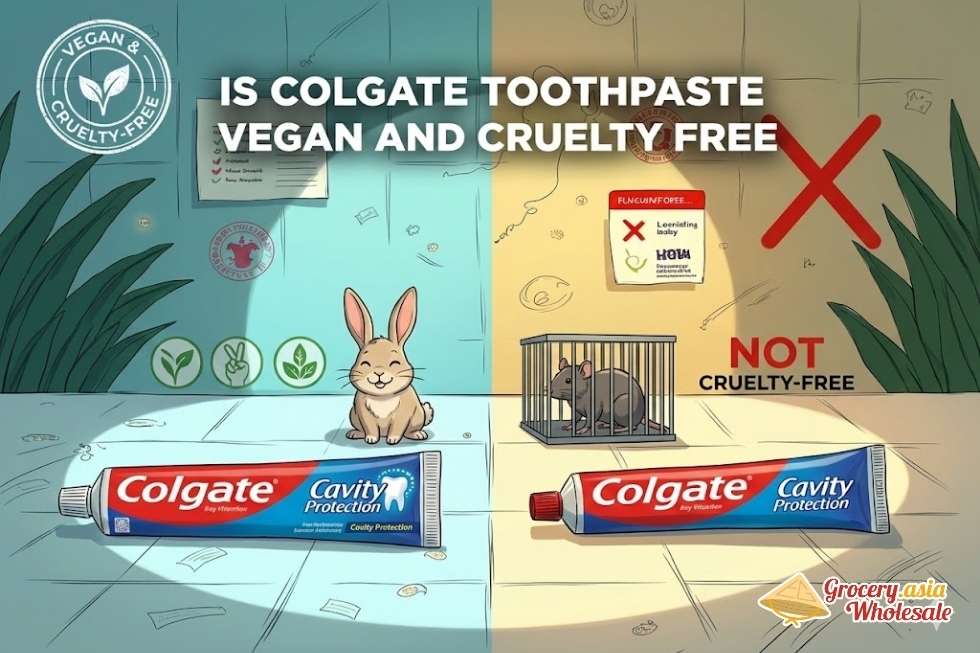
Colgate toothpaste falls short of meeting both vegan and cruelty-free standards due to its animal testing policies and the ambiguous origins of some of its ingredients.
Table of Contents
Colgate’s Ethical Shortcomings
Animal Testing Practices
Colgate-Palmolive, the parent company behind Colgate toothpaste, is listed on PETA’s database of companies that test on animals. This is largely due to their policy that allows animal testing when required by government regulations, such as those in mainland China. As a result, Colgate lacks Leaping Bunny certification, widely regarded as the gold standard for cruelty-free products.
Vegan Ingredient Ambiguity
Many mainstream Colgate toothpaste formulations contain glycerin, an ingredient that can be derived from either animal fat or plant oils. Since Colgate does not disclose the source of its glycerin, its vegan status remains questionable.
Certified Vegan Product Lines
Colgate has introduced certain product lines that are certified vegan, such as:
- Colgate Zero – Marketed as free of animal-derived ingredients
- Colgate Smile for Good (available in Europe) – Certified vegan and environmentally friendly
However, despite these efforts, purchasing these products still supports the larger corporate entity, which continues to engage in animal testing where legally mandated.
Ethical Alternatives to Colgate
Consumers looking for toothpaste that aligns with vegan and cruelty-free values have better options. These brands maintain rigorous ethical standards and hold proper certifications:
- Hello Products – Offers a wide range of certified vegan and cruelty-free toothpaste
- Dr. Bronner’s – Known for organic, fair trade, and vegan products
- Desert Essence – Provides a variety of plant-based, cruelty-free personal care items
For those prioritizing both ethics and oral care, these alternatives are a more conscientious choice than supporting a company that permits animal testing under any conditions.
The Truth About Colgate’s Animal Testing Practices
Colgate-Palmolive’s stance on animal testing presents a complex picture that falls short of true cruelty-free standards. While the company publicly commits to working toward eliminating laboratory safety testing using animals, their current policy contains significant loopholes that compromise this commitment.
Current Animal Testing Policy and Limitations
The company’s policy explicitly allows animal testing when required by government agencies or by law. This crucial clause prevents Colgate from obtaining cruelty-free certification from recognized organizations. Many consumers are unaware that this exception effectively means Colgate toothpaste may still involve animal testing under specific circumstances.
Unlike strictly cruelty-free brands that refuse to sell in markets requiring animal testing, Colgate continues to operate in these regions. This business decision maintains their global market presence but stands in contrast to the absolute cruelty-free principles that many vegan consumers expect.
Investment in Alternative Testing Methods
Despite these limitations, Colgate demonstrates some level of commitment to change through financial investment. The company funds research into non-animal test methods, investing over $1 million annually in developing alternatives. This funding supports scientific advancement in areas such as:
- In-vitro testing methods using cell cultures
- Computer modeling and artificial intelligence systems
- Reconstructed human tissue models
- Advanced chemical analysis techniques
However, financial investment alone does not qualify a company as cruelty-free. The ongoing policy exceptions for government-mandated testing create an ethical gap that continues to concern many vegan and ethical consumers.
The distinction between Colgate’s approach and that of certified cruelty-free brands becomes especially important when making purchasing decisions. Truly cruelty-free companies accept potential market limitations rather than compromise on animal testing policies. These brands often:
- Withdraw from markets that require animal testing
- Choose never to enter such markets
Colgate’s position represents what can be seen as a transitional approach—showing movement toward cruelty-free practices while maintaining business operations that may still involve animal testing. For consumers seeking products aligned with strict vegan principles, this intermediate position may fall short of their ethical standards.
Understanding these nuances can help you make informed decisions about your personal care products. While Colgate is progressing through investment in alternative testing methods and shows a public commitment to reducing animal testing, their current policies do not guarantee full elimination of such practices.
Why Colgate Is Not Considered Cruelty-Free
Colgate-Palmolive fails to meet the standards that define cruelty-free products, making it incompatible with vegan values. PETA maintains a comprehensive database of companies that continue to test on animals, and Colgate-Palmolive appears on this list. This designation alone signals to conscious consumers that the company hasn’t committed to eliminating animal testing from its practices.
Missing Gold Standard Certifications
Colgate lacks certification from Leaping Bunny, which stands as the gold standard for cruelty-free verification. This certification is crucial because Leaping Bunny requires companies to:
- Commit to avoiding all forms of animal testing throughout their supply chain.
- Pledge not to sell in markets where animal testing is mandatory for regulatory approval.
The absence of this certification becomes particularly significant when examining Colgate’s global distribution strategy. Choose Cruelty Free (CCF) also hasn’t accredited the company, further confirming that Colgate doesn’t meet established cruelty-free standards.
China Market Complications
Colgate’s presence in mainland China creates a fundamental conflict with cruelty-free principles. Chinese regulations still mandate animal testing for certain cosmetic categories, including many oral care products. When companies choose to sell in this market, they accept that their products may undergo animal testing to comply with local laws.
This situation puts Colgate in a position where avoiding animal testing becomes impossible while maintaining their Chinese market presence. Many genuinely cruelty-free companies refuse to enter the Chinese market specifically because of these testing requirements, demonstrating that profitable alternatives exist for companies willing to prioritize animal welfare.
The combination of PETA’s listing, missing certifications, and market decisions makes Colgate’s stance on animal testing clear. For consumers specifically interested in vegan toothpaste options, understanding these factors becomes essential when making purchasing decisions that align with their values.
Colgate’s China Market Presence and Testing Requirements
China historically required mandatory animal testing for all imported cosmetics, including toothpaste, which creates significant challenges for companies wanting to maintain vegan and cruelty-free status. I’ve researched how these regulations directly impact Colgate’s ability to claim cruelty-free certification.
The regulatory landscape shifted in May 2021 when China updated its requirements, allowing some general cosmetics to avoid animal testing if they meet strict criteria. However, these changes don’t apply universally to all products. Toothpaste formulations that include specific claims such as whitening, anti-cavity, or gum repair often fall into specialized categories that still require mandatory testing protocols.
Impact on Colgate’s Product Portfolio
Colgate’s extensive presence in mainland China means many of its products must comply with these testing regulations. I found that most Colgate toothpaste varieties include functional claims like cavity protection, tartar control, or whitening benefits. These features automatically place them in categories where animal testing remains mandatory under Chinese law.
Consider these common Colgate product claims that trigger testing requirements:
- Anti-cavity protection through fluoride
- Whitening agents and stain removal properties
- Gum disease prevention and oral health benefits
- Tartar control and plaque reduction features
- Sensitivity relief for teeth and gums
This regulatory compliance alone prevents Colgate from being considered cruelty-free by major certification bodies like Leaping Bunny or PETA. Even if Colgate doesn’t directly conduct animal testing in its own facilities, the company’s decision to sell in China means it accepts that third-party testing will occur when required by local authorities.
The situation becomes more complex because China’s regulations apply not just to new products entering the market, but also to existing products when authorities request additional testing. I’ve observed that companies selling in China cannot guarantee their products will never undergo animal testing, regardless of their corporate policies elsewhere.
For consumers interested in vegan oral care options, understanding Colgate’s testing practices becomes essential when making purchasing decisions. The China market requirement creates a clear dividing line for many ethical consumers who prioritize cruelty-free products.
Companies face difficult decisions between accessing China’s massive consumer market and maintaining cruelty-free certifications. Colgate has chosen market access, which means their products cannot receive approval from organizations that require absolute commitments to avoiding animal testing worldwide.
Are Colgate Ingredients Vegan?
For those following a plant-based lifestyle, personal care products often receive less scrutiny than food—yet they should not be overlooked. A frequently asked question is whether Colgate toothpaste is vegan. The surprising truth is that mainstream Colgate products are not guaranteed to be vegan, a realization that has left many consumers uneasy.
Problematic Ingredients in Colgate Products
Several ingredients commonly found in Colgate’s products raise ethical and dietary concerns for vegans. Chief among them is glycerin, a common compound used to retain moisture and enhance texture. Glycerin can be plant- or animal-derived, and unfortunately, Colgate does not consistently disclose the origin on its labels.
Other ingredients that may be animal-derived and are occasionally found in Colgate toothpaste formulas include:
- Propolis: A resin-like substance harvested by bees from tree sap and buds
- Bone char: Sometimes used in processing certain sweetening ingredients
- Flavorings and colorings: These may use animal-based processes or by-products
Even ingredients that appear to be plant-based can become non-vegan through processing methods that involve animal products. Because Colgate doesn’t specify processing details, this further clouds the product’s vegan status.
Colgate’s Position on Vegan Formulations
Colgate does not market its mainstream products as vegan. Popular lines like Colgate Total and Colgate MaxFresh lack both vegan certification and specific labeling that would reassure plant-based consumers.
As discussed in depth on this analysis of Colgate toothpaste, the mystery surrounding the origin of glycerin is one of the biggest pain points. Since glycerin features in most Colgate toothpastes, its unknown source casts doubt over the entire product family.
It is also important to understand the difference between cruelty-free and vegan. A product can avoid animal testing and still contain animal-derived ingredients. Unfortunately for plant-based consumers, many Colgate products are neither cruelty-free nor vegan. Colgate has been known to perform animal testing in countries where local laws demand it, further complicating their ethical standing.
What frustrates many vegans is the fact that plant-based glycerin exists and performs just as well. This makes the use of animal-derived glycerin feel unnecessary. Smaller toothpaste brands have successfully formulated effective products using 100% vegan ingredients, proving it’s economically and scientifically feasible.
Another issue is Colgate’s lack of ingredient transparency. Glycerin, for instance, is simply listed without any note on its source. For vegans, this means doing their own research into the ingredient’s potential agricultural or animal-insourced origin.
Furthermore, even if a Colgate toothpaste were to have seemingly vegan ingredients, manufacturing methods can compromise their ethics. Some compounds undergo processes that involve animal by-products yet leave no traces in the final formula—so they are not listed on the label at all.
The problem deepens when considering that Colgate may source the same ingredient, such as glycerin, from multiple suppliers. This inconsistency across batches or product lines means there’s no brand-wide guarantee of vegan compliance.
For those who prioritize plant-based living for health, environmental, or ethical reasons, Colgate’s current formulation and labeling practices fall short. Without a verified vegan certification system, Colgate products remain a risky choice. As such, more conscious consumers may need to look toward alternative brands that emphasize ingredient transparency and are committed to using animal-free components.
Until Colgate becomes more transparent and aligns with vegan values in both formulation and production, many plant-based users will be forced to turn elsewhere for their oral care needs.
Colgate’s Certified Vegan Product Lines
I’ve noticed that Colgate has made significant strides in developing vegan-friendly product lines, even though the main brand still participates in animal testing. These dedicated lines offer consumers genuine vegan alternatives within the Colgate portfolio.
Dedicated Vegan Product Lines
Colgate Zero stands out as the company’s flagship vegan offering in many markets. This line explicitly excludes artificial flavors, sweeteners, preservatives, and animal-derived ingredients. I recommend checking the packaging carefully, as Colgate Zero clearly markets itself as a vegan option for conscious consumers.
For European consumers, Colgate Smile for Good carries The Vegan Society certification, which represents one of the most stringent vegan standards available. This certification ensures that:
- No animal ingredients are used in the formulation
- No animal testing occurs during development
- Cross-contamination with animal products is prevented during manufacturing
- Supply chains are verified for vegan compliance
Colgate-Palmolive also owns Tom’s of Maine, which operates as a separate entity with different ethical standards. Tom’s of Maine maintains cruelty-free practices and offers numerous vegan toothpaste options across their product range. This brand provides an alternative for consumers who want both vegan ingredients and cruelty-free manufacturing practices.
I must emphasize an important distinction here: while these specific product lines are vegan, the overall Colgate brand continues to test on animals where required by law. This means that purchasing these vegan lines still supports a company that engages in animal testing for other products and markets. Some consumers find this acceptable, focusing on the specific product’s credentials, while others prefer to avoid the brand entirely due to the parent company’s testing policies.
Each vegan line uses plant-based and synthetic ingredients to replace traditional animal-derived components like glycerin from animal fats or certain whitening agents. The formulations maintain cleaning effectiveness while meeting vegan standards, though I always suggest checking current ingredient lists since formulations can change over time.
Cruelty-Free and Vegan Toothpaste Alternatives
I’ve found several excellent brands that offer truly ethical oral care options for consumers who want to avoid animal testing and animal-derived ingredients. These alternatives provide the same cleaning power as conventional toothpastes while maintaining strict ethical standards.
Top Vegan and Cruelty-Free Brands
Several standout companies have built their entire business models around ethical practices:
- Hello Products: Carries Leaping Bunny certification and offers numerous vegan formulations. They ensure ingredient transparency and avoid animal testing altogether.
- Dr. Bronner’s: Offers a completely vegan product line and also holds Leaping Bunny certification.
- Jason Natural Products: Provides cruelty-free assurance along with several vegan options, giving consumers flexibility.
- Desert Essence: Notable for maintaining both Leaping Bunny certification and an entirely vegan product portfolio.
- Bite Toothpaste Bits: Innovative and sustainable with vegan, plastic-free, and waterless formulations. The tablet format cuts waste and still delivers excellent cleaning.
- Davids Natural Toothpaste: Offers premium, vegan, and cruelty-free alternatives, holding Leaping Bunny certification.
For those currently wondering about major brand ethics, Colgate’s vegan and testing policies highlight why many consumers seek these alternatives.
Identifying Ethical Products
Recognizing genuinely cruelty-free and vegan products requires understanding key certification logos:
- Leaping Bunny: Represents the gold standard for cruelty-free certification. Guarantees that neither the product nor its ingredients have been tested on animals.
- PETA’s cruelty-free logo: Indicates that a company has pledged not to conduct, commission, or pay for animal testing for its products.
- The Vegan Society logo: Identifies products free from animal-derived ingredients and animal testing.
These certifications involve active compliance monitoring, making them far more reliable than unverified marketing terms like “not tested on animals” without proof.
Many ethical brands also provide detailed ingredient lists and testing policies on their websites. This level of transparency allows consumers to make informed decisions aligned with their personal values. Furthermore, some companies support animal welfare organizations or contribute to cruelty-free research initiatives.
Price points for these products can vary significantly, ranging from budget-friendly options to more premium toothpastes. In my experience, many of these vegan and cruelty-free options perform just as well as traditional brands, often with the added benefit of natural ingredients and eco-conscious packaging.
When shopping for vegan toothpaste, it’s crucial to read ingredient labels carefully. Avoid common non-vegan ingredients such as:
- Glycerin from animal fat
- Carmine (a red pigment made from insects)
- Animal-derived flavorings
Ethical brands tend to use plant-based or synthetic alternatives for these ingredients.
The growing demand for ethical oral care has fueled innovation across the industry. Companies are continuously developing new formulations that meet both performance and ethical standards. This competition not only improves product quality and availability but also helps reduce costs for consumers seeking compassionate alternatives.
Sources:
Colgate-Palmolive: “Our Policy on Animal Welfare” and “Sustainability & Social Impact Report”
PETA: “Beauty Without Bunnies” database
Leaping Bunny Program: Certified brand search
Cruelty-Free Kitty: “Is Colgate Cruelty-Free?”
Ethical Elephant: “Is Colgate Cruelty-Free & Vegan?”
The Vegan Society: “Vegan Trademark Standards”

