
No products in the cart.
Coffee, Trung Nguyen Coffee
Is Vietnam Coffee Good The Taste Explained

12
Dec
Dec
Vietnam stands as the world’s second-largest coffee producer, commanding global markets with its specialty in robusta beans. These beans deliver distinctively bold, low-acid coffee packed with intense flavor profiles. The country’s traditional phin brewing method and dedicated focus on robusta cultivation have positioned Vietnamese coffee as a compelling alternative to arabica-dominated markets. This approach offers powerful caffeine content alongside earthy, chocolate notes that distinguish it from conventional offerings.
Table of Contents
Key Takeaways
- Vietnam produces 95–96% robusta beans with significantly higher caffeine content than arabica, creating naturally strong coffee with lower acidity and a smoother drinking experience.
- Traditional phin filter brewing creates concentrated coffee through slow extraction, producing signature drinks like ca phe den da (black coffee) and ca phe sua da (coffee with condensed milk).
- Vietnamese coffee offers distinctive flavor profiles featuring dark chocolate, cocoa, roasted nuts, and subtle smokiness, rather than the bright, fruity notes common in arabica coffees.
- Modern processing improvements and quality investments have elevated Vietnamese coffee from commodity-grade to specialty-level, with many lots now scoring above 80 points.
- Vietnamese coffee appeals to bold-flavor enthusiasts who prefer intense, full-bodied coffee with reduced acidity and a substantial caffeine kick.
Those interested in learning more about Vietnamese coffee culture and brewing methods can explore resources such as Trung Nguyen’s official website for deeper insight into traditional practices and modern innovations shaping Vietnam’s coffee renaissance.
Vietnam Dominates Global Coffee Production with Distinctive Robusta Excellence
Vietnam stands as a coffee powerhouse, claiming the position as the world’s second-largest coffee producer and the undisputed leader in robusta bean production. I’ve observed how this Southeast Asian nation has fundamentally transformed the global coffee landscape through sheer production volume and specialized expertise in robusta cultivation.
The numbers tell a compelling story about Vietnam’s coffee dominance. The country controls over 40% of the world’s robusta supply, making it an essential player in determining global coffee prices and availability. Annual production consistently reaches 29–31 million 60-kilogram bags, with robusta beans comprising an impressive 95–96% of total output while arabica accounts for just 4–5% of production.
Strategic Geographic Advantages Drive Production Success
Vietnam’s coffee excellence stems from its ideal growing conditions concentrated in the Central Highlands region. Three provinces form the backbone of this agricultural success:
- Dak Lak
- Gia Lai
- Lam Dong
These highland areas provide the perfect combination of altitude, climate, and soil conditions that robusta beans require to develop their characteristic bold flavor profile and high caffeine content.
The geographic concentration in these provinces creates efficiency in processing, transportation, and quality control. Large-scale farms benefit from consistent growing conditions year after year, which helps maintain the reliable supply that global markets depend on. This consistency has helped establish Vietnam’s reputation for delivering dependable quality robusta beans that meet international standards.
Economic Impact Reflects Coffee’s National Importance
Vietnam’s coffee industry generates substantial economic value, with export revenues reaching USD 7–8 billion in recent crop years. Strong domestic prices support local farmers and contribute to rural economic development throughout the coffee-growing regions. The industry’s success creates employment opportunities across multiple sectors, from farming and processing to transportation and export logistics.
This economic strength reinforces Vietnam’s position in global markets and provides stability for continued investment in coffee production infrastructure. Large-scale operations can maintain consistent quality while meeting the growing global demand for robusta beans used in:
- Instant coffee
- Espresso blends
- Commercial coffee products
The scale of Vietnam’s production directly influences global coffee markets and pricing structures. When Vietnamese harvests succeed, global robusta supplies remain stable. Conversely, weather challenges or production issues in Vietnam can create ripple effects across international coffee markets.
Vietnam’s focus on robusta production fills a crucial niche in the global coffee industry. While many coffee-producing nations concentrate on arabica beans, Vietnam has perfected robusta cultivation techniques that maximize both yield and quality. This specialization has created a sustainable competitive advantage that continues to strengthen the country’s position as an essential supplier to coffee companies worldwide.
The combination of favorable growing conditions, large-scale production capabilities, and specialized expertise in robusta cultivation has established Vietnam as an indispensable component of the global coffee supply chain. Vietnam coffee quality continues to improve as producers invest in better processing methods and quality control measures.
Understanding Vietnamese coffee culture helps explain why the country has achieved such remarkable success in coffee production. The deep cultural connection to coffee drives innovation and quality improvements throughout the industry, ensuring Vietnam maintains its dominant position in global robusta production for years to come.
Bold, Full-Bodied Flavor Profile That Stands Apart from Arabica Origins
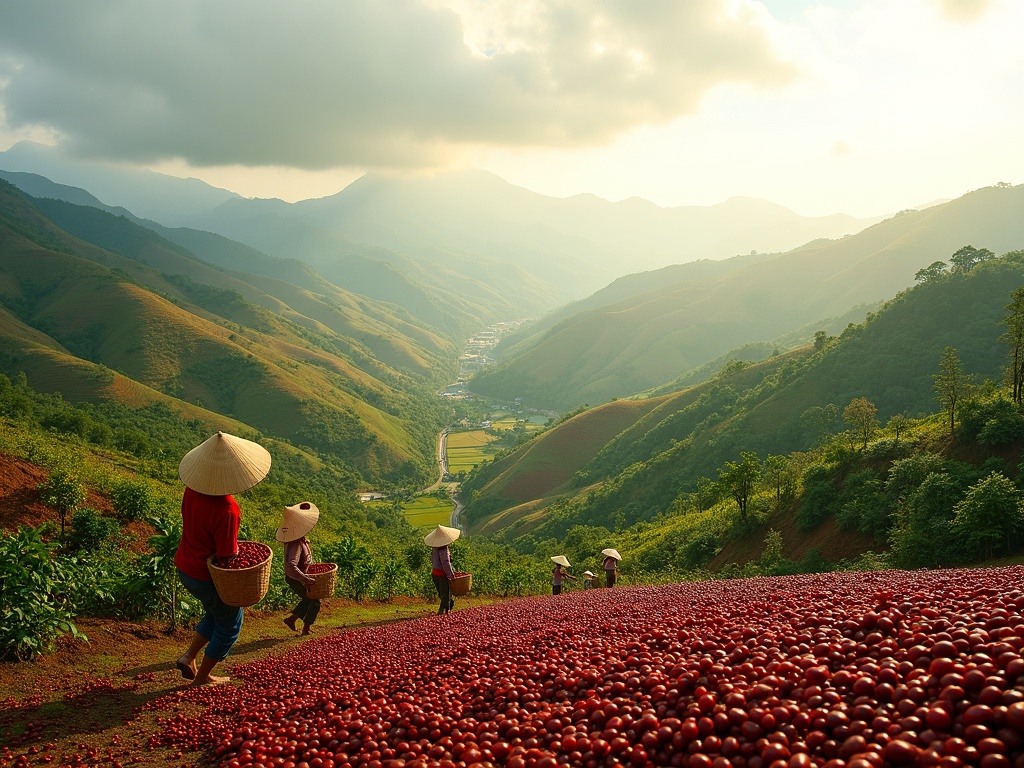
Vietnamese coffee culture centers around dark-roasted robusta beans that deliver an unmistakably intense flavor experience. I find that traditional Vietnamese coffee produces cups with remarkable depth and body that set it apart from the lighter, more delicate profiles common in arabica-dominated markets.
The signature flavor profile emerges from the careful dark roasting process applied to robusta beans. These beans develop rich, complex notes that include dark chocolate, cocoa, roasted nuts, caramel, and a subtle smokiness that adds character without overwhelming the palate. The roasting technique amplifies the natural earthiness of robusta while creating layers of flavor that unfold with each sip.
Caffeine Content and Strength Differences
Robusta beans contain significantly more caffeine than their arabica counterparts — typically 1.5 to 2 times the amount. This higher caffeine concentration contributes to the strong “kick” that Vietnamese coffee is known for, making it particularly appealing to those who want a powerful energy boost along with their coffee ritual. The increased caffeine also affects the overall taste, adding a slight bitterness that complements the deep roasted flavors.
However, Vietnamese coffee isn’t limited to robusta varieties. Vietnamese arabica from regions like Da Lat and Son La offers a different experience entirely. These high-altitude arabica beans produce brighter acidity with distinct citrus and floral notes, creating a more nuanced cup that appeals to those familiar with specialty coffee traditions.
The contrast between Vietnamese robusta and Latin American arabica becomes apparent in several key areas:
- Vietnamese robusta maintains lower acidity, leading to a smoother, less sharp drinking experience.
- The body tends to be heavier and more substantial, creating a satisfying mouthfeel.
- Vietnamese robusta’s cocoa-driven character contrasts with the fruit-forward profiles of Central and South American coffees.
While Latin American arabica might showcase bright berry notes or wine-like qualities, Vietnamese robusta embraces deeper, more grounded flavors that reflect its terroir and processing methods.
Traditional brewing techniques using the phin filter further enhance these flavor characteristics. The slow drip process extracts the full range of compounds from the darkly roasted beans, resulting in a concentrated brew that maintains its boldness even when mixed with sweetened condensed milk.
I notice that the flavor profile also varies depending on the specific region where the robusta is grown. Central Highland provinces like Dak Lak and Gia Lai produce beans with slightly different characteristics, though all maintain that signature full-bodied intensity that defines Vietnamese coffee.
The processing methods also influence the final flavor outcome:
- Many Vietnamese coffee producers use wet processing combined with unique fermentation techniques to add complexity.
- Some producers rely on traditional methods passed down through generations, blending local expertise into every cup.
Using proper brewing equipment becomes essential for extracting these complex flavors effectively. The metal phin filter allows for optimal extraction time, ensuring that the bold characteristics develop fully without becoming overly bitter or harsh.
The umami qualities present in well-prepared Vietnamese robusta create a savory depth that’s uncommon in typical coffee experiences. This characteristic makes it particularly suitable for pairing with rich foods or enjoying as a standalone beverage that satisfies on multiple sensory levels.
Modern Vietnamese coffee producers continue to refine their techniques while maintaining the traditional bold profile that has made their coffee distinctive on the global stage. Commercial preparations now capture these complex flavors in convenient formats, making authentic Vietnamese coffee more accessible to international consumers who want to experience this unique flavor profile.
Traditional Phin Brewing Creates Concentrated Coffee Strength
I’ve discovered that Vietnam’s traditional brewing method produces some of the most intensely flavored coffee you’ll encounter anywhere. The phin filter stands as the cornerstone of Vietnamese coffee culture, creating a brewing experience that transforms ordinary coffee beans into liquid gold through patience and precision.
How the Phin Filter Achieves Perfect Extraction
The iconic metal phin operates on a simple yet brilliant principle: controlled slow extraction. I recommend using 25-30 grams of coarsely ground coffee with 120-150 ml of hot water for optimal results. The process demands patience, requiring 4-6 minutes for complete extraction, but this extended brewing time allows water to pull every nuance from the coffee grounds.
Classic ca phe den da represents pure coffee intensity at its finest. This black coffee delivers bold, bitter flavors with an incredibly deep aroma that fills your senses completely. The concentrated brew creates a foundation strong enough to pair with ice without losing its character, making it perfect for Vietnam’s tropical climate.
For those who prefer a mellower approach, ca phe sua da transforms the strong brew into something magical. Vietnamese coffee mixed with sweetened condensed milk creates a creamy, chocolatey drink that balances the coffee’s natural bitterness with rich sweetness. The condensed milk doesn’t just add flavor — it creates a completely new beverage that highlights why Vietnamese coffee has gained international recognition.
I’ve found that the phin’s design forces you to slow down and appreciate the brewing process. Unlike quick brewing methods, this traditional approach allows you to watch each drop form and fall, building anticipation for that first sip. The result is coffee that’s significantly stronger than most Western preparations, yet smooth enough to enjoy without overwhelming your palate.
Vietnamese coffee beans themselves contribute significantly to this strength. Vietnam’s coffee quality has improved dramatically over recent decades, with many producers focusing on robusta varieties that naturally contain more caffeine than arabica beans. This choice isn’t accidental — robusta beans create the bold foundation that makes Vietnamese coffee notably strong while maintaining the flavor profile that locals have cherished for generations.
Using a phin filter at home requires minimal equipment but maximum attention to detail. I always ensure the coffee grounds are level and evenly distributed before adding the weight plate. The initial water pour should just wet the grounds, followed by the main pour that fills the top chamber. Temperature matters too — water around 200°F extracts optimally without scorching the coffee.
Modern Vietnamese cafes have embraced this traditional strength while expanding brewing methods. Contemporary establishments highlight Vietnamese beans through espresso machines, pourover setups, and cold brew systems. These modern techniques showcase the beans’ inherent qualities while appealing to international tastes, proving that Vietnamese coffee adapts beautifully to various preparation methods.
The concentration achieved through phin brewing creates versatility that extends beyond traditional preparations. I’ve seen baristas use Vietnamese coffee as a base for creative drinks, from coffee cocktails to dessert preparations. The intensity holds up against additions while maintaining its distinctive character, something that weaker brews simply can’t achieve.
Understanding local brewing techniques reveals why Vietnamese coffee has maintained its reputation for exceptional strength and flavor. The phin filter represents more than just a brewing device — it’s a cultural artifact that preserves traditional methods while producing consistently excellent results that have impressed coffee enthusiasts worldwide.
Robusta Dominance Shapes Vietnam’s Coffee Character and Reputation
Vietnam’s coffee identity centers around robusta beans, which account for 95-96% of the country’s total production. This overwhelming dominance makes Vietnam the global reference point for robusta quality, setting standards that coffee producers worldwide follow. The country’s commitment to robusta cultivation has transformed what was once considered a lower-grade coffee into a respected specialty product.
Why Robusta Thrives in Vietnamese Conditions
The robusta variety flourishes in Vietnam’s tropical climate because of its natural disease resistance and adaptability to low-to-mid elevation growing conditions. Unlike arabica, which requires higher altitudes and cooler temperatures, robusta plants thrive in Vietnam’s coastal plains and highland regions between 200-800 meters above sea level. This natural compatibility allows Vietnamese farmers to cultivate coffee in areas where arabica would struggle, maximizing both yield and quality.
Vietnamese robusta develops its distinctive characteristics through the country’s unique terroir. The Central Highlands, particularly around Dak Lak province, provide ideal conditions with rich volcanic soil and consistent rainfall patterns. These environmental factors contribute to the beans’ development of complex flavor profiles that distinguish Vietnamese robusta from those grown elsewhere.
Flavor Profile Distinctions
Robusta beans contain significantly less natural sugar than arabica varieties, which creates their characteristic deeper bitterness and notably reduced acidity. This fundamental difference shapes Vietnamese coffee culture and brewing methods. The lower sugar content means robusta doesn’t mask other flavors, allowing the earthy, nutty undertones to come forward prominently.
Traditional Vietnamese preparation methods, such as the slow-drip phin filter, complement robusta’s bold character perfectly. The extended brewing time extracts maximum flavor while maintaining the bean’s natural intensity. This compatibility between bean type and brewing technique explains why Vietnam coffee filter methods work so effectively with local beans.
Vietnamese arabica production, primarily concentrated in Lam Dong province and other highland regions, represents a growing specialty segment. These arabica varieties offer different flavor profiles with higher acidity and more floral notes, providing diversity within Vietnam’s coffee portfolio. However, they remain a small percentage of total production, with most farmers focusing on perfecting their robusta cultivation techniques.
Specialty roasters internationally now feature high-quality Vietnamese robusta prominently in their offerings, dramatically improving global perception of Vietnamese coffee. This shift recognizes that Vietnam coffee good quality extends beyond traditional expectations. Premium Vietnamese robusta commands higher prices and appears in single-origin offerings at specialty coffee shops worldwide.
The transformation involves careful processing methods that highlight robusta’s positive attributes while minimizing any harsh characteristics. Vietnamese producers have developed wet processing techniques and precise fermentation controls that enhance flavor complexity. These improvements demonstrate that robusta quality depends heavily on cultivation and processing practices rather than just genetic characteristics.
Commercial coffee blends increasingly incorporate Vietnamese robusta for its consistency and bold flavor contribution. The beans provide body and crema in espresso blends while maintaining cost-effectiveness for roasters. This commercial success supports Vietnam’s position as a reliable supplier of quality coffee to global markets.
Vietnamese coffee strong reputation stems directly from robusta’s higher caffeine content, which ranges from 2.2% to 2.7% compared to arabica’s 1.2% to 1.5%. This natural strength aligns perfectly with Vietnamese drinking preferences and traditional preparation styles that emphasize bold, concentrated flavors.
The country’s focus on robusta excellence continues driving innovation in cultivation techniques, processing methods, and quality control standards. Vietnamese coffee research institutes work constantly to develop new robusta varieties that offer improved cup quality while maintaining the hardy characteristics that make the beans suitable for local growing conditions.
Quality Revolution Through Modern Processing and Investment
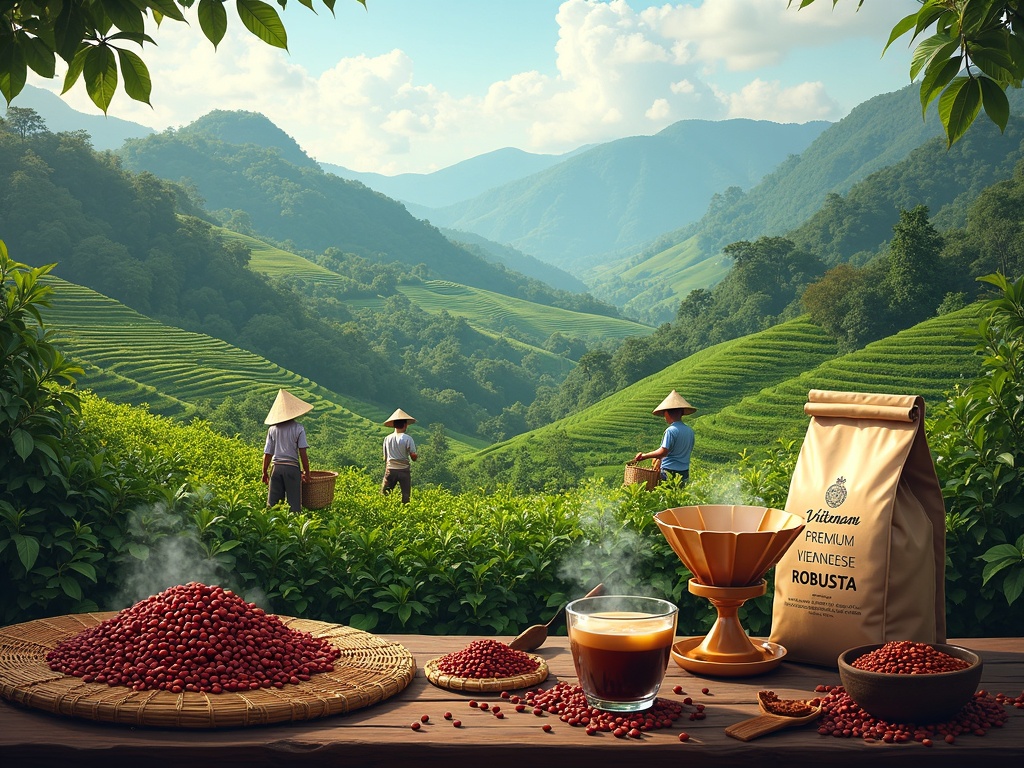
Vietnamese coffee producers have transformed their approach to processing, moving away from traditional wet-hulling methods that often created defects and harsh flavors. I’ve witnessed firsthand how investments in modern processing infrastructure have elevated the quality standards across the country. Today’s Vietnamese coffee farms employ three primary processing methods: washed, honey, and natural processing techniques that dramatically reduce defects while enhancing flavor profiles.
Advanced Processing Methods Drive Quality Improvements
The washed processing method has gained significant traction among Vietnamese producers who want to create cleaner, brighter coffee profiles. This technique removes the cherry fruit completely before drying, resulting in coffees that showcase the bean’s inherent characteristics without interference from fermentation byproducts. I find these washed Vietnamese coffees offer remarkable clarity and brightness that rivals coffees from traditional specialty regions.
Natural processing has also evolved considerably, with producers carefully monitoring fermentation timing and drying conditions to achieve optimal results. These naturally processed Vietnamese coffees develop heavier body and pronounced fruit notes that appeal to consumers seeking bold, complex flavors. The honey process, which falls between washed and natural methods, allows producers to control sweetness levels while maintaining some fruit character.
Traceability programs now connect specific farms and processing stations to final cup quality, encouraging farmers to focus on quality over quantity. These initiatives have created accountability throughout the supply chain, with producers receiving premium payments for consistently high-quality lots. Specialty competitions within Vietnam have further motivated farmers to experiment with processing techniques and pursue excellence in their coffee production.
Value-Added Products and Market Positioning
Vietnam’s coffee industry has shifted dramatically from its historical focus on bulk commodity exports to producing roasted and soluble value-added products. This transition represents a fundamental change in how Vietnamese coffee reaches global markets. Instead of shipping raw green beans at commodity prices, Vietnamese companies now capture more value by processing coffee into finished products before export.
The results speak for themselves – more Vietnamese coffee lots now achieve specialty-grade scores above 80 points, a threshold that was rarely reached just a decade ago. I’ve tasted Vietnamese coffees that score in the mid-80s, demonstrating the remarkable progress in quality improvement. These scores reflect not just better processing but also improved farming practices, selective harvesting, and careful post-harvest handling.
This quality revolution has practical implications for coffee drinkers worldwide. Vietnamese coffee quality now competes directly with established specialty origins, offering consumers new flavor experiences at competitive prices. The country’s unique climate and growing conditions, combined with modern processing techniques, create distinctive taste profiles that stand out in the global marketplace.
Vietnamese producers have also embraced technology to monitor and control processing parameters more precisely. Temperature control during fermentation, consistent drying conditions, and careful moisture monitoring all contribute to reducing defects and improving cup quality. These technological investments have enabled Vietnamese coffee to break free from its commodity perception and establish itself as a serious player in specialty markets.
The emphasis on traditional Vietnamese coffee culture while adopting modern processing methods creates a unique positioning for Vietnamese coffee. Producers maintain connection to their cultural heritage while embracing innovations that improve quality and market access. This balanced approach has attracted international buyers who seek both quality and authenticity in their coffee sourcing.
Processing improvements have also enabled Vietnamese producers to better showcase their terroir – the unique environmental factors that influence coffee flavor. Previously, harsh processing methods masked these subtle characteristics, but modern techniques allow the true nature of Vietnamese coffee to shine through. Whether it’s the volcanic soils of Đắk Lắk or the highland conditions of Lâm Đồng, each region’s distinct characteristics now translate more clearly into the final cup.
Is Vietnam Coffee Good? Understanding Its Appeal for Bold-Flavor Drinkers
Perfect Match for Strong Coffee Enthusiasts
Vietnamese coffee excels for drinkers who crave bold, powerful flavors that pack a serious caffeine punch. The country’s coffee beans deliver an intensely robust character that stands apart from milder varieties found elsewhere. I’ve found that Vietnamese coffee strength creates an experience that doesn’t apologize for its boldness.
The low-acidity profile makes Vietnamese coffee particularly appealing to those who find other coffees too sharp or harsh on their stomachs. This smooth characteristic allows the deep, earthy flavors to shine without the bitter bite that high-acidity beans can produce. Coffee drinkers who struggle with acid reflux often discover Vietnamese varieties offer them a comfortable way to enjoy their daily brew.
Distinct Flavor Profiles That Define Vietnamese Coffee
Ca phe den da represents the purest expression of Vietnamese coffee artistry. This black coffee preparation showcases the bean’s natural aromatic qualities, delivering smoky undertones that develop during the unique roasting process. The intensely bitter profile creates a complex drinking experience that reveals new flavor notes with each sip. I appreciate how this preparation method highlights the inherent characteristics of Vietnamese robusta beans without masking their distinctive personality.
Ca phe sua da transforms the bold robusta foundation into something entirely different yet equally compelling. The addition of sweetened condensed milk creates a dessert-like beverage that perfectly balances the coffee’s natural bitterness. This preparation demonstrates Vietnamese coffee’s versatility, showing how the same beans can produce dramatically different taste experiences. The creamy sweetness doesn’t diminish the coffee’s strength but rather complements it, creating a harmonious blend that satisfies both coffee purists and those who prefer gentler flavors.
Vietnamese coffee preparation methods contribute significantly to these distinctive taste profiles. Traditional Vietnam coffee filter techniques allow for slow extraction that maximizes flavor development. This brewing approach ensures that every drop carries the full intensity and character that makes Vietnamese coffee special.
The global coffee community has begun recognizing Vietnam’s exceptional quality standards. Specialty coffee shops across major cities now proudly feature single-origin Vietnamese beans on their menus, treating them with the same respect previously reserved for beans from more established coffee regions. This shift reflects a growing understanding that Vietnam coffee quality matches or exceeds international standards.
Major roasters have started including Vietnamese varieties in their premium lineups, acknowledging the sophisticated flavor profiles these beans can deliver when properly handled. This increased visibility demonstrates that Vietnamese coffee has moved beyond its traditional boundaries to gain recognition as a serious contender in the global specialty coffee market. The transformation from a regional curiosity to an internationally respected origin speaks volumes about the inherent quality of Vietnamese coffee beans.
Vietnamese coffee culture continues to influence coffee preparation methods worldwide, with cafes adopting traditional brewing techniques to serve authentic Vietnamese-style drinks. This cultural exchange has introduced countless coffee enthusiasts to the unique pleasures of Vietnamese coffee, expanding its appeal far beyond its country of origin.
Modern coffee drinkers increasingly seek authentic experiences that connect them to different cultures and traditions. Vietnamese coffee delivers exactly this type of meaningful engagement, offering not just a beverage but a window into a rich coffee heritage. The ritualistic preparation process, distinctive serving style, and bold flavors create an immersive experience that satisfies both palate and curiosity.
Whether you prefer the stark intensity of ca phe den da or the balanced sweetness of ca phe sua da, Vietnamese coffee offers something genuinely different from mainstream coffee options. Its bold character, low acidity, and distinctive preparation methods make it an excellent choice for adventurous coffee drinkers ready to explore flavors beyond their usual preferences.

Sources:
USDA Coffee Market Reports
Vietnam Coffee and Cocoa Association (VICOFA) Data
Specialty Coffee Association (SCA) Publications
International Coffee Organization (ICO) Statistics

