
No products in the cart.
Coffee, Trung Nguyen Coffee
How Do You Make Vietnamese Coffee With Condense Milk

13
Dec
Dec
Vietnamese coffee with condensed milk blends powerful dark-roast coffee brewed through a traditional phin filter with rich sweetened condensed milk to create a distinctively bold and sweet beverage. The slow drip brewing method, which takes 3–7 minutes, produces an intense coffee concentrate that balances perfectly with the creamy sweetness of condensed milk.
Key Takeaways
- Use a phin filter with 2–3 tablespoons of coarsely ground dark-roast coffee and 1–3 tablespoons of sweetened condensed milk per serving
- Maintain proper water temperature just below boiling (195–205°F) and aim for a 3–7 minute drip time for optimal extraction
- Stir the hot coffee and condensed milk mixture thoroughly before serving to achieve the signature smooth, velvety texture
- For iced Vietnamese coffee, build the same strong base and pour over ice, as the concentrated brew maintains its bold flavor despite dilution
- Alternative brewing methods like espresso, moka pot, or French press can substitute for a phin filter when using doubled coffee doses to match the required strength
To learn more about preparing Vietnamese coffee, visit this recipe guide from Viet World Kitchen for detailed steps and expert tips.
Table of Contents
Essential Equipment and Ingredients for Authentic Vietnamese Coffee
Crafting authentic Vietnamese coffee starts with understanding the essential components that make this brewing method unique. I’ll guide you through the specific equipment and ingredients you need to create this beloved beverage at home.
The Phin Filter System
The heart of Vietnamese coffee preparation lies in the phin filter, a small metal brewer consisting of four distinct parts. Each component plays a specific role in the brewing process:
- Lid – covers the brew chamber during extraction
- Inner press/screen – controls water flow and extraction speed
- Perforated main chamber – holds the coffee grounds
- Base plate – sits directly on your cup to catch the drip
Using a Vietnam coffee filter properly requires understanding how these components work together. The phin’s design allows for slow, controlled extraction that produces the characteristically strong and aromatic coffee essential to Vietnamese brewing traditions.
I recommend choosing Vietnamese dark roast varieties like Trung Nguyen for the most authentic experience. Alternative espresso-suited dark roasts work well if Vietnamese brands aren’t available. The key lies in selecting coffee with enough body and intensity to stand up to the condensed milk while maintaining distinct flavor notes.
Grind size matters significantly for proper extraction. I prefer a medium-coarse grind, similar to what you’d use for French press brewing. Grinding too fine creates a stuck or painfully slow drip that can take hours to complete. Conversely, too coarse a grind allows water to drain too quickly, resulting in weak, under-extracted coffee that lacks the punch Vietnamese coffee is known for.
For dosing, I use:
- 2-3 tablespoons (10-15 grams) of ground coffee per 8-10 ounce serving
This ratio provides the strength needed to balance with sweetened condensed milk while ensuring proper extraction through the phin’s perforated chamber.
The milk component is non-negotiable – you must use full-fat sweetened condensed milk, not evaporated milk. Brands like Longevity deliver the creamy sweetness that defines authentic Vietnamese coffee culture. I start with:
- 1-2 tablespoons (15-30 ml) of condensed milk per serving
Then adjust according to personal taste preferences.
Water temperature requires attention to detail. I heat water to just off the boil, typically letting it rest 5-10 seconds after reaching a full boil. This temperature range (around 195-205°F) extracts the coffee’s oils and flavors without creating excessive bitterness that can occur with boiling water.
Standard water volume ranges from:
- 6-8 ounces (180-240 ml) per serving
Using less water produces a stronger, more concentrated cup that some prefer, while the full 8 ounces creates a more approachable strength level. I adjust this based on whether I’m making Vietnamese iced coffee or serving it hot, as ice dilution affects the final strength.
Quality ingredients make a noticeable difference in the final cup. Freshly roasted dark coffee beans, properly stored condensed milk, and filtered water all contribute to achieving that authentic taste profile. I store coffee beans in an airtight container away from light and heat to maintain their freshness and oils.
The beauty of Vietnamese coffee preparation lies in its simplicity and precision. Once you have the proper phin filter, quality dark roast coffee, sweetened condensed milk, and understand the correct ratios, you can consistently produce authentic Vietnamese coffee that rivals what you’d find in Vietnam’s bustling cafes. The slow drip process becomes meditative, and the resulting brew offers a perfect balance of strength, sweetness, and richness that makes this brewing method truly special.
Step-by-step Brewing Method for Hot Vietnamese Coffee (Ca Phe Sua Nong)
Making authentic Vietnamese coffee requires patience and attention to detail, but the rich, sweet result makes every step worthwhile. I’ll walk you through the traditional method that creates the perfect balance of strong coffee and creamy sweetness.
Preparing Your Cup and Coffee Grounds
Start by adding 1–3 tablespoons of sweetened condensed milk to the bottom of your heatproof 8–10 oz glass or mug. I recommend:
- 1 tablespoon for light sweetness
- 2 tablespoons for balanced sweetness
- 3 tablespoons if you prefer dessert-level sweetness
Place the phin base directly on top of your cup, then add 2–3 tablespoons of coarse ground dark roast coffee. Gently level the grounds with a light shake, but don’t press them down. Set the inner press or screen on top of the grounds without compacting them too hard – this prevents over-extraction and allows proper water flow.
The Brewing Process
Begin by pre-wetting your grounds with approximately 2 tablespoons of hot water and let them bloom for 5–30 seconds. This initial step allows the coffee to release its oils and prepares it for full extraction. After blooming, slightly loosen the inner screen by turning it one to two times counterclockwise. Your ideal drip rate should be 3–4 drops per second.
Fill the phin with 6–8 oz of hot water, then cover with the lid and let the magic happen. The dripping process takes 3–7 minutes, with around 5 minutes being ideal for full extraction. Don’t rush this step – the slow drip is what gives Vietnamese coffee its distinctive strength and character.
Once the dripping stops completely, remove the phin and stir thoroughly until the condensed milk fully incorporates with the coffee. You’ll notice the mixture transforms into a thick, caramel-colored drink with a rich aroma. The stirring is crucial for achieving the proper consistency and ensuring every sip delivers that perfect balance of bitter and sweet.
Your Vietnamese coffee is now ready to enjoy. The result should be a strong, sweet beverage with a luxurious mouthfeel that’s distinctly different from Western-style coffee preparations.

How to Make Vietnamese Iced Coffee (Ca Phe Sua Da)
Creating the perfect Vietnamese iced coffee starts with the same foundation as its hot counterpart. I begin with a strong brew that can withstand the dilution from melting ice while maintaining that characteristic bold flavor profile.
Building the Coffee Base
I use 2–3 tablespoons of dark-roast coffee grounds with approximately 2 tablespoons of sweetened condensed milk. Pour roughly 3/4 cup (180 ml) of hot water through your Vietnam coffee filter, allowing the coffee to brew directly over the condensed milk. This process takes 4–7 minutes as the water slowly drips through the compressed grounds.
While the coffee is still hot, I stir the mixture thoroughly. This step is crucial because hot liquid dissolves the condensed milk completely, creating a smooth, uniform sweetness throughout the drink. Proper mixing at this stage prevents any sticky residue from settling at the bottom of your glass.
Ice Preparation Methods
You have two effective approaches for adding ice to your Vietnamese iced coffee:
- Single-glass method: Add ice cubes directly into the same 12–14 oz glass where you brewed the coffee, then stir everything together. This approach is quick and convenient for immediate consumption.
- Two-glass method: Pour the hot sweetened coffee into a second glass that’s already packed with ice. This technique provides more precise chilling and allows you to manage how much the ice dilutes your drink.
The recipe intentionally creates a strong and sweet base because Vietnamese coffee must maintain its bold character as ice melts. Traditional Vietnamese coffee culture values this intensity, and the drink should remain flavorful even when significantly diluted.
For those who find the standard recipe too sweet, I recommend modifying the condensed milk ratio. Mix sweetened condensed milk with regular milk or half-and-half in a 50:50 proportion before brewing your coffee over this mixture. This adjustment reduces the overall sweetness while preserving the creamy texture that defines authentic ca phe sua da.
Temperature contrast plays a vital role in the drinking experience. The shock of ice-cold coffee against your palate enhances the perception of sweetness and creates that refreshing quality that makes Vietnamese iced coffee so appealing during warm weather. I always ensure my ice cubes are completely frozen and dry before adding them to prevent premature dilution.
Timing matters significantly when serving ca phe sua da. Drink it within 10–15 minutes of preparation for optimal flavor balance. Extended waiting allows excessive melting, which waters down the carefully calibrated taste profile you’ve worked to achieve.
The brewing process for iced coffee follows the same careful step-by-step Vietnamese coffee technique as the hot version, but the final presentation transforms the entire experience. Glass selection affects both aesthetics and functionality – choose a vessel large enough to accommodate ice without causing overflow when you stir.
Some coffee enthusiasts prefer to chill their brewed coffee mixture in the refrigerator before adding ice, which minimizes immediate dilution. However, I find this approach reduces the temperature contrast that makes ca phe sua da so distinctive. The interplay between hot coffee and cold ice creates a unique sensory experience that defines this beloved Vietnamese beverage.
Quality ice matters more than most people realize. Clear, dense ice cubes melt more slowly than cloudy ones, giving you better control over dilution rates. I avoid crushed ice entirely because it melts too quickly and compromises the drink’s strength before you can properly enjoy it.
Alternative Ways to Brew Vietnamese-Style Coffee Without a Phin
I’ve discovered several effective methods to create Vietnamese-style coffee when you don’t have access to a traditional phin filter. The key to success lies in brewing exceptionally strong coffee that can hold its own against the rich sweetness of condensed milk.
Strong Coffee Brewing Methods
French press, moka pot, or espresso machine can all produce the intense coffee strength you need. I recommend doubling your usual coffee dose to achieve espresso-like concentration that won’t get overwhelmed by the condensed milk. Once you’ve brewed this potent base:
- Pour the hot coffee over 1–3 tablespoons of condensed milk
- Stir until completely smooth
- Add ice if you prefer the iced version
For espresso enthusiasts, I suggest using 1–2 shots combined with 2–4 tablespoons of condensed milk, adjusting the sweetness according to your taste preferences. This method closely mimics the authentic Vietnamese brewing approach while utilizing equipment you likely already own.
Make-Ahead and Cold Brewing Options
Planning a gathering? I’ve found that pre-mixing espresso and condensed milk in a pitcher works wonderfully. Chill this mixture in the refrigerator, then simply pour over ice when you’re ready to serve your guests.
Cold brew offers another excellent alternative that requires minimal effort but delivers maximum flavor:
- Steep coarse dark-roast coffee in cold water for 12–24 hours
- Use approximately double the normal coffee-to-water ratio
- Strain the coffee to get a concentrated base
This yields about six large glasses of Vietnamese-style iced coffee. This method produces remarkably smooth results and keeps well in the refrigerator for several days.
When time is short, I rely on a quick shortcut that still delivers satisfying results:
- Combine 1 tablespoon of quality instant coffee or 2 espresso shots with 4–6 tablespoons of condensed milk
- Add cold water and ice
While this won’t replicate the exact traditional Vietnamese coffee experience, it provides a delicious approximation that captures the essential flavor profile.
Each of these alternative methods allows you to enjoy Vietnamese-style coffee’s distinctive sweet and strong characteristics without investing in specialized equipment. The condensed milk remains the star ingredient that transforms any strong coffee into something reminiscent of what you’d find in Vietnamese cafes.
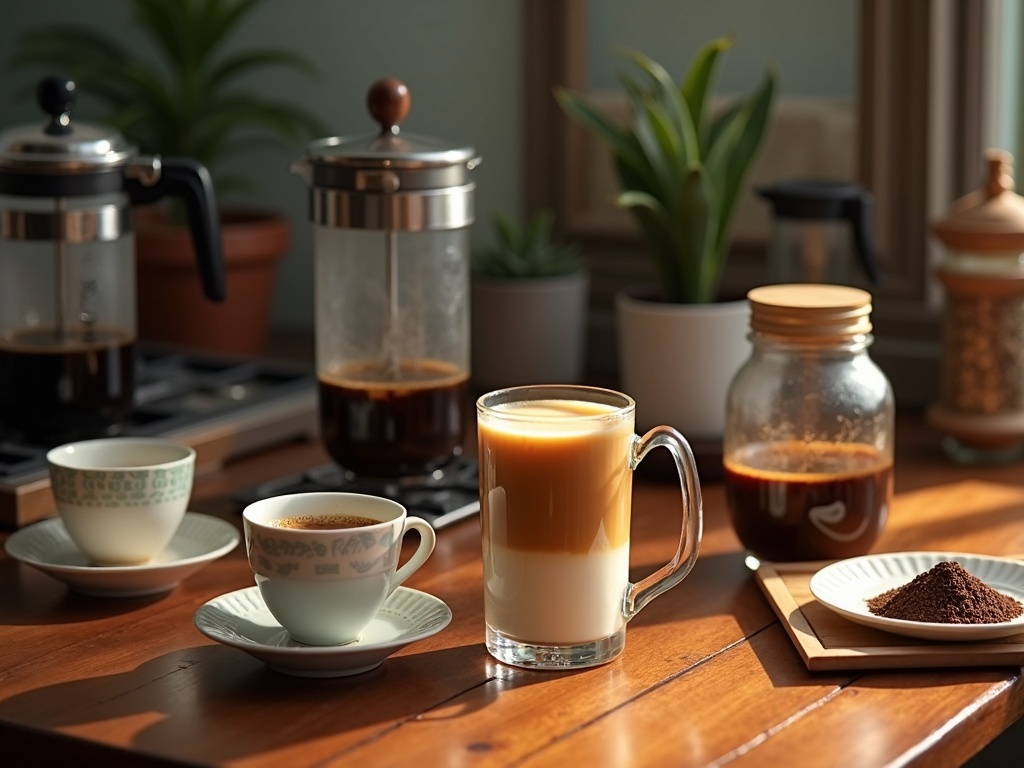
Perfecting your Vietnamese coffee – common issues and easy fixes
Mastering Vietnamese coffee brewing requires understanding the precise timing and techniques that create that perfect cup. I’ve found that getting the drip time right makes all the difference between mediocre and exceptional coffee.
Timing Your Brew for Optimal Results
The ideal drip time falls between 3–7 minutes, with around 5 minutes typically delivering balanced strength and flavor. When your phin finishes in under 3 minutes, the grind is likely too coarse or the screen too loose, producing weak coffee. Conversely, if drip time exceeds 7 minutes, the grind may be too fine or the screen too tight, causing bitterness.
Water temperature plays a crucial role too. Always use water just below boiling point. Pouring fully boiling water can scorch the grounds and create harsh notes that overpower the coffee’s natural smoothness. Let boiling water rest for 30 seconds before pouring.
Common Mistakes and Quick Solutions
Several brewing errors can derail your Vietnamese coffee preparation. Never swap sweetened condensed milk for evaporated milk without adding sugar – evaporated milk is unsweetened and thinner, completely changing the drink’s character.
For intensity adjustments, modify your water ratio rather than coffee amount. Use:
- 6 oz of water for a stronger kick
- 8 oz of water for a smoother, milder cup
This approach maintains the proper extraction balance while controlling strength.
When brewing over lots of ice, increase the coffee from 2 tablespoons to about 3 tablespoons so the flavor doesn’t fade as the ice melts. This compensation ensures your iced Vietnamese coffee maintains its rich character.
The final mixing step demands attention to detail. Stir thoroughly until no visible streaks of condensed milk remain – this step is crucial for achieving that signature rich, velvety mouthfeel. Many people rush this process, but proper stirring integrates the milk completely, creating the smooth texture that defines authentic Vietnamese coffee culture.
Remember that consistency comes with practice. Each adjustment teaches you how your specific phin behaves with different grinds and techniques. Keep notes on what works best with your equipment and preferred taste profile.
How do you make Vietnamese coffee – quick summary and pro tips
I’ll break down Vietnamese coffee preparation into simple steps that deliver authentic results every time. Start with strong dark-roast coffee brewed through a phin filter directly over sweetened condensed milk, then stir thoroughly to create that signature rich, sweet flavor profile.
Essential measurements and timing
For each serving, I recommend using these proportions:
- 2–3 tablespoons of coarsely ground Vietnamese coffee
- 1–3 tablespoons of sweetened condensed milk (adjust to taste)
- 6–8 ounces of hot water (around 200°F)
- 3–7 minute brewing window for optimal extraction
The key lies in controlling your drip rate through grind size and screen tightness. Tighten the screen for slower extraction or loosen it if the coffee drips too slowly. I find that using a Vietnam coffee filter properly requires some practice to get the timing just right.
For Vietnamese iced coffee, start with the same strong base recipe. Stir the hot coffee and condensed milk mixture thoroughly before pouring over a glass filled with ice. The dilution from melting ice actually balances the intense flavors perfectly.
Don’t have a phin? I’ve successfully replicated this style using:
- Espresso shots
- Moka pot coffee
- French press with extended steeping time
- Cold brew concentrate
The goal remains the same: create a strong coffee base that won’t get overwhelmed by the sweetened condensed milk.
Fine-tuning your brew requires attention to three main variables:
- Coffee strength
- Sweetness level
- Ice dilution for cold versions
Start conservative with condensed milk and add more if needed. I always taste while the coffee’s still hot to judge the balance before adding ice.
Experiment with different Vietnamese coffee beans and roast levels once you’ve mastered the basic technique. Some prefer the traditional Robusta blends for their bold, slightly bitter edge, while others enjoy Arabica varieties for smoother profiles. Grind size adjustments help control extraction – finer grinds increase strength but risk over-extraction if your drip time extends too long.
Temperature matters more than most people realize. Water that’s too hot can create bitter notes, while cooler water leads to weak, under-extracted coffee. I keep my water just off the boil for consistent results.
Practice makes perfect with Vietnamese coffee preparation. Your first few attempts might be too strong, too weak, or poorly balanced, but following step-by-step techniques helps develop muscle memory for consistent brewing. Soon you’ll develop your signature house recipe that reflects your personal taste preferences.
https://www.youtube.com/watch?v=StzMbddhfjE
Sources:
Trung Nguyen, Longevity

