
No products in the cart.
Beverages News, Energy Drinks, Red Bull Energy Drink
Is Red Bull Halal In Your Country? Certification And Ingredient Review

23
Dec
Dec
Red Bull’s halal status varies globally, with some countries offering official certification and others lacking formal verification despite identical ingredients in all markets.
Red Bull and Halal Compliance
The core formulation of Red Bull uses synthetically produced taurine and does not include any animal-derived ingredients or alcohol. These characteristics align with fundamental Islamic dietary principles, making Red Bull halal-compliant in terms of ingredients. However, the presence or absence of official halal certification can differ significantly by region.
Key Takeaways
- Synthetically produced taurine: Red Bull’s taurine is manufactured without animal by-products, supporting its compliance with halal standards.
- Presence of halal certification in certain countries: Red Bull is officially certified halal in countries like Malaysia by JAKIM, Indonesia by MUI, and South Africa through the Muslim Judicial Council.
- Certification varies by region: Not all markets have halal certification, even though the product formulation remains the same. Certification status is localized rather than global.
- Local verification is essential: Consumers are advised to check the product packaging for halal certification logos from recognized local Islamic authorities instead of presuming universal approval.
- Strict production protocols: Dedicated production lines and cleaning processes help prevent cross-contamination with non-halal substances, enhancing compliance during manufacturing.
Table of Contents
Moderation in Consumption
Even if energy drinks like Red Bull are halal-certified, Islamic teachings emphasize the importance of moderation and maintaining good health. Overconsumption can conflict with these values, regardless of the product’s compliance.
To learn more about Red Bull’s ingredients or certifications, visit the Red Bull official website.
Red Bull’s Global Popularity and Why Halal Status Matters
I find it remarkable that Red Bull has established itself as one of the most recognizable beverage brands across the globe. The company distributes its iconic blue and silver cans to more than 170 countries worldwide, making it virtually impossible to visit a convenience store without spotting the familiar energy drink on shelves.
The sheer scale of Red Bull’s operations becomes clear when you consider the numbers: the brand sells over 11.5 billion cans annually. This massive distribution network spans diverse markets, cultures, and religious communities, creating a complex web of consumer expectations and dietary requirements that the company must address.
Muslim Markets and Consumer Expectations
Red Bull’s extensive global reach includes numerous Muslim-majority markets across the Middle East, Southeast Asia, and North Africa. Countries like Indonesia, Malaysia, Pakistan, and the United Arab Emirates represent significant portions of the company’s sales territory. In these markets, Muslim consumers form the majority demographic, making halal compliance not just a niche consideration but a business imperative.
When I examine the factors driving consumer decisions in these markets, several key elements emerge:
- Clear ingredient transparency that allows consumers to make informed choices
- Certification from recognized halal authorities that provides trusted validation
- Production processes that align with Islamic dietary laws and manufacturing standards
- Consistent communication about the product’s religious compliance status across all markets
The importance of halal certification for Red Bull extends beyond simple ingredient compliance. Muslim consumers often scrutinize manufacturing processes, sourcing practices, and even the facilities where products are made. They want assurance that every step of production adheres to Islamic principles.
Energy drinks like Red Bull also raise additional questions beyond basic halal compliance. Many Muslim consumers express concerns about sugar content and artificial ingredients, viewing excessive consumption as potentially harmful to the body, which Islamic teachings encourage believers to protect and maintain in good health.
Understanding what Red Bull contains becomes crucial for consumers who want to balance their energy needs with their religious obligations. The drink’s caffeine content, artificial flavors, and preservative systems all factor into decisions about whether the product aligns with halal principles.
I’ve observed that Muslim consumers often research Red Bull’s ingredients extensively before making purchasing decisions. This detailed scrutiny reflects the serious approach many Muslims take toward ensuring their consumption habits align with their faith.
The health implications also matter significantly to Muslim consumers who ask themselves whether Red Bull is beneficial for regular consumption. Islamic teachings emphasize moderation and avoiding substances that could harm the body, making health considerations an integral part of the halal evaluation process.
Red Bull’s presence in Muslim-majority markets creates a responsibility for the company to address these concerns transparently. Muslim consumers expect clear answers about ingredient sourcing, production methods, and any potential presence of prohibited substances. The brand’s success in these markets depends heavily on building trust through consistent communication about its halal status.
Companies operating at Red Bull’s scale must balance global standardization with local religious requirements. This challenge becomes particularly complex when dealing with ingredients that may be permissible in some markets but questionable in others, or when production facilities serve multiple product lines with varying compliance standards.
The frequency of halal inquiries about Red Bull demonstrates how religious dietary requirements intersect with modern consumer habits. Energy drinks represent a relatively new product category that many traditional halal certification frameworks didn’t originally address, requiring updated guidelines and clearer industry standards.
Official Ingredient Review and Halal Assessment
I’ve examined Red Bull’s complete ingredient profile to determine its halal compliance status. The energy drink contains carbonated water, sugars, caffeine, B-vitamins, and synthetic taurine as its primary components.
Key Halal Considerations for Red Bull Ingredients
The most critical component requiring scrutiny is taurine, which often raises concerns among Muslim consumers. Red Bull uses laboratory-produced synthetic taurine rather than animal-derived taurine, eliminating potential halal issues. This synthetic production method ensures the taurine doesn’t originate from non-halal animal sources.
Red Bull officially confirms that no animal products are used in their manufacturing process. The company’s transparent stance on ingredient sourcing provides confidence for consumers examining Red Bull’s ingredient composition.
Additional factors that support Red Bull’s halal status include:
- The beverage maintains non-alcoholic classification with zero alcohol content
- All flavorings used are non-alcohol-based synthetic compounds
- B-vitamins are produced through synthetic processes
- Caffeine is extracted from plant sources or synthesized artificially
- Carbonated water and sugars present no halal concerns
The absence of alcohol-based ingredients is particularly significant, as many energy drinks contain alcohol-derived flavorings or preservatives. Red Bull’s formulation avoids these potentially problematic components entirely.
I find that Red Bull’s commitment to synthetic ingredient production eliminates the primary halal concerns that affect other energy beverages. The company’s manufacturing standards ensure consistent ingredient sourcing that aligns with halal requirements across their global production facilities.
Sugar content, while relevant for health considerations regarding Red Bull’s sugar levels, doesn’t impact halal compliance since the sugars used are plant-derived.
The comprehensive ingredient review demonstrates that Red Bull’s formulation meets established halal standards. Each component undergoes synthetic production or plant-based extraction, avoiding animal-derived substances that could compromise halal status. This makes Red Bull suitable for Muslim consumers who prioritize halal compliance in their dietary choices.
Red Bull’s Halal Certifications Around the World
Red Bull has obtained official halal certification from multiple recognized Islamic authorities across different countries, making it accessible to Muslim consumers in many markets. The certification process varies by region, and each certifying body maintains its own standards and requirements for halal compliance.
Official Certifying Bodies
Several prominent Islamic certification organizations have approved Red Bull energy drinks for halal consumption.
- JAKIM, Malaysia’s Department of Islamic Development, has certified Red Bull products sold in the Malaysian market.
- MUI (Majelis Ulama Indonesia) has granted halal certification for Red Bull distributed within Indonesia.
- The World Halal Trust Group has provided certification for Red Bull in certain regions to meet international halal standards.
- In South Africa, the Muslim Judicial Council has certified Red Bull products, ensuring consumer confidence in that market.
Each of these certifications involves extensive documentation and ingredient evaluation to guarantee compliance with Islamic dietary laws.
Country-Specific Certification Status
It is important to understand that Red Bull’s halal status is not universally consistent across all countries. Certified cans are marked with official halal logos from the respective certifying bodies, providing a clear indication for consumers.
However, in numerous countries where Red Bull is sold, halal certification is absent. This does not necessarily imply the product contains haram ingredients, but it does mean formal certification has not been sought or granted in those particular markets. The formulation may be similar, but the lack of certification removes the official guarantee of halal compliance.
The pursuit of certification often depends on local laws and the size of the Muslim population. In countries with significant Muslim communities, companies are more likely to pursue certification to cater to consumer needs. In contrast, less emphasis is placed on certification in regions where the Muslim population is smaller or regulatory frameworks don’t require it.
Understanding Red Bull’s ingredients becomes critical when certification is not present. Muslim consumers primarily express concern over:
- Animal-derived ingredients
- Alcohol-based flavorings
One key ingredient, taurine, was previously controversial due to misconceptions about its origin. Today, taurine in Red Bull is synthetically manufactured, alleviating earlier concerns about its permissibility in a halal diet.
For complete assurance, consumers should always inspect the packaging for recognized halal certification logos. As these vary by region, familiarizing oneself with local certification symbols is helpful for informed purchasing decisions.
The international diversity of Red Bull’s certification highlights the complexity of global food regulation and religious dietary laws. While the company maintains a consistent quality standard globally, halal verification involves jurisdiction-specific documentation, audits, and ingredient assessments.
Muslim travelers should exercise caution, as Red Bull’s halal status may differ from their native market. A product certified in Malaysia might not carry a similar certification in Europe or the U.S., making local label inspection necessary before consumption.
This country-specific process allows Islamic organizations to apply their own interpretations of halal guidelines. The result is a landscape where some markets offer certified Red Bull, while others do not—putting the responsibility on the consumer to verify compliance with their dietary requirements.
What Halal Means for Energy Drinks
Halal translates to “permissible” in Arabic and represents a comprehensive system that governs what Muslims can consume according to Islamic law. When applied to food and beverages, including energy drinks like Red Bull, this concept ensures that products comply with the dietary guidelines outlined in the Quran and Hadith.
Core Halal Requirements for Energy Drinks
Energy drinks must meet strict criteria to earn halal certification. The ingredients cannot contain alcohol in any deliberately added form, and manufacturers must avoid all haram (forbidden) animal sources such as pork-derived gelatin or non-halal meat extracts. Cross-contamination during production poses another critical concern, as equipment used for non-halal products can compromise the halal status of energy drinks.
Manufacturing facilities undergo rigorous halal audits that examine every aspect of production. These audits scrutinize ingredient sourcing, processing methods, and packaging procedures to ensure compliance. Many energy drink companies now implement dedicated halal production lines to prevent any potential contamination issues and maintain religious standards.
Practical Considerations and Common Misconceptions
Trace amounts of alcohol that occur naturally during fermentation processes or as byproducts don’t automatically disqualify a product from halal status. Islamic scholars generally accept these minimal levels when they aren’t intentionally added and remain below 0.5% by volume. This distinction becomes important when evaluating Red Bull’s ingredients and manufacturing processes.
Health considerations operate separately from halal certification requirements. A product can maintain full halal compliance while still posing health risks if consumed excessively. The sugar content in Red Bull exemplifies this principle — the sweeteners used may be completely halal, but overconsumption can lead to health problems.
Many consumers mistakenly believe that halal certification guarantees health benefits. It is important to emphasize that halal status addresses religious compliance, not nutritional value. Understanding what Red Bull contains helps clarify this distinction between religious permissibility and health impact.
Energy drink manufacturers seeking halal certification must document their entire supply chain. This includes verifying that:
- Flavoring agents are derived from halal sources
- Preservatives do not contain haram substances
- Processing aids align with Islamic dietary laws
The certification process often takes months and requires ongoing monitoring to maintain compliance, ensuring that the product continues to meet halal standards over time.
How to Check if Red Bull Is Halal in Your Country
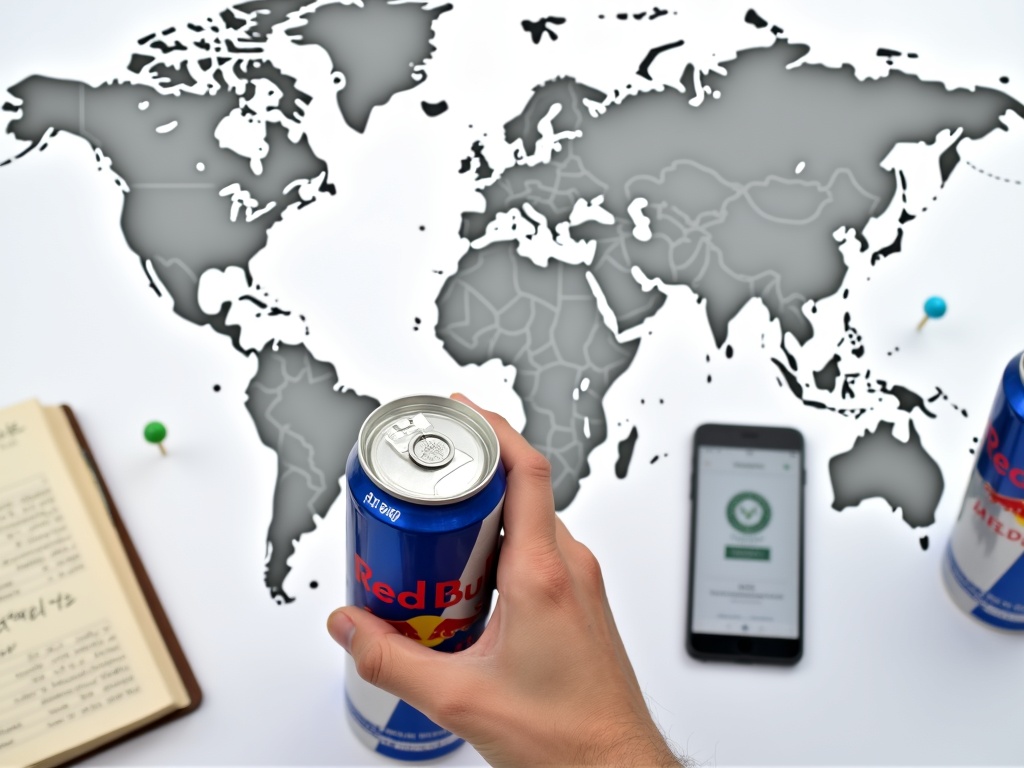
I recommend starting with a simple visual inspection of the Red Bull can or bottle. Look carefully for any halal certification logo printed directly on the packaging. These symbols typically appear as circular or crescent-shaped marks with Arabic text or the word “halal” clearly displayed. Different countries use varying certification symbols, so familiarize yourself with your local halal authority’s specific logo design.
Next, I suggest examining the country of manufacture and batch code information. This data usually appears in small print on the bottom of cans or near the expiration date. The manufacturing location directly impacts which halal standards apply to that particular product. A Red Bull produced in Malaysia will follow different certification requirements than one manufactured in Austria or Thailand.
Verification Methods for Halal Status
I’ve found these practical steps help confirm halal certification status:
- Check your national halal authority’s official database or website for approved products
- Contact your local Islamic council directly with the product’s batch information
- Verify with the distributor or retailer about their halal certification process
- Cross-reference multiple halal certification databases when available
- Ask fellow community members about their experience with specific batches
Certification validity varies significantly between countries, which creates important considerations for travelers and importers. I must emphasize that halal approval in one nation doesn’t automatically transfer to another. For example, Red Bull certified as halal in Indonesia may require separate approval before distribution in Saudi Arabia or the United Arab Emirates.
Local approval processes often take precedence over international certifications. Many countries maintain strict import regulations requiring domestic halal authorities to review and approve products independently. This means the same Red Bull formula might receive different halal classifications depending on where you purchase it.
I always recommend verifying certification locally rather than assuming global validity. Contact your country’s primary halal certification body directly when questions arise. Most Islamic councils maintain customer service lines specifically for product inquiries. They can provide definitive answers about specific products, manufacturers, and current certification status.
Keep in mind that ingredient formulations can change between markets. Red Bull sold in predominantly Muslim countries often uses different ingredients compared to versions distributed in other regions. These variations occur to meet local halal requirements, taste preferences, or regulatory standards.
I also suggest staying updated on certification changes. Halal status isn’t permanent—companies may modify ingredients, change suppliers, or lose certification. Subscribe to your local Islamic authority’s updates or newsletter to receive notifications about product status changes.
When purchasing Red Bull products, I recommend buying from reputable retailers who source directly from authorized distributors. Some smaller shops may carry imported versions that lack local halal certification. Ask store managers about their sourcing practices if you have concerns about product authenticity.
Consider alternative verification methods if official channels prove unclear. Many Muslim consumer groups maintain informal networks sharing information about halal products. Social media groups and community forums often discuss recent findings about specific brands and products.
Document your verification process for future reference. Keep records of which batches you’ve confirmed as halal, including manufacturing dates and countries of origin. This information helps you make consistent purchasing decisions and assists others in your community.
Remember that energy drink formulations can include synthetic ingredients that may raise halal concerns. Even if Red Bull receives halal certification, some individuals prefer avoiding certain synthetic compounds for personal religious reasons. Understanding both certification status and ingredient composition allows you to make informed decisions aligned with your specific interpretation of halal requirements.
Regular verification becomes especially important if you consume Red Bull frequently. I suggest checking certification status quarterly or whenever you notice packaging changes, as manufacturers sometimes update formulations without prominent announcements.
Health Considerations: Halal but Healthy?
Just because Red Bull meets halal requirements doesn’t automatically make it the healthiest choice for your body. It’s important to examine the nutritional profile and health implications to give you a complete picture of what you’re consuming.
A standard 250 ml can of Red Bull delivers about 80 mg of caffeine, which equals roughly one cup of coffee. The sugar content reaches approximately 11 grams per 100 ml, meaning a full can contains around 27 grams of sugar. This amount represents more than half your recommended daily sugar intake in a single drink.
Excessive consumption can trigger several health issues that conflict with Islamic principles of caring for your body. Sleep disruption becomes common when you consume energy drinks late in the day, as caffeine remains active in your system for 6-8 hours. Heart palpitations and increased blood pressure may occur, particularly if you drink multiple cans or combine Red Bull with other caffeinated beverages.
Islamic Health Guidelines and Energy Drink Consumption
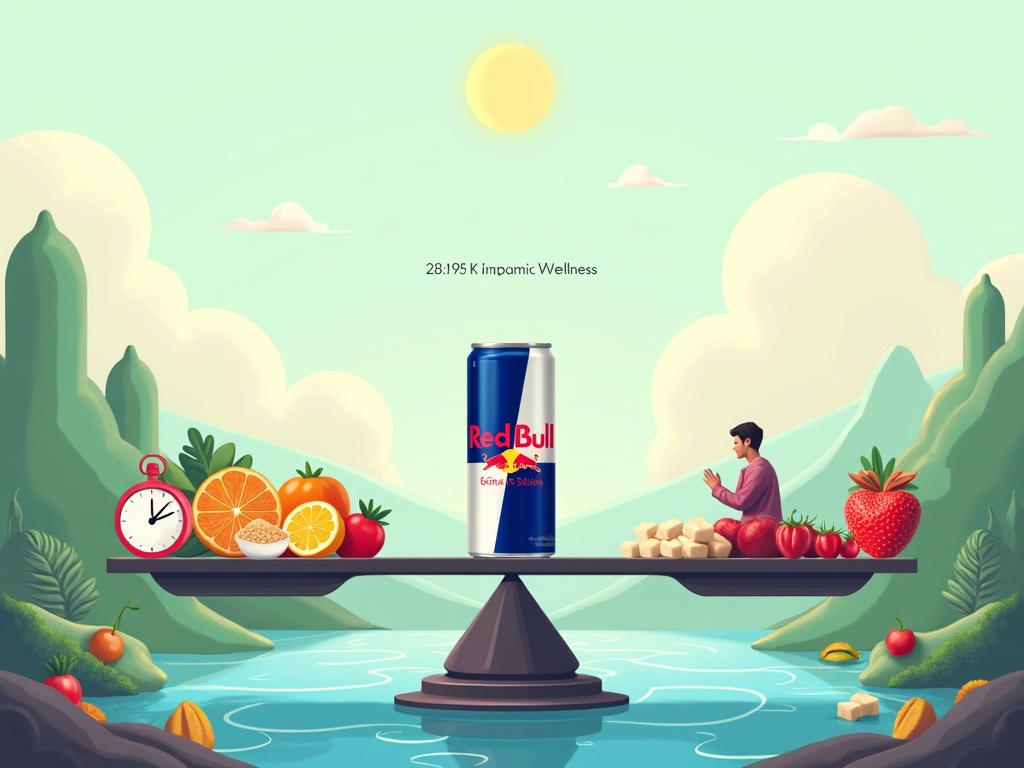
Islamic teachings emphasize protecting your health as a sacred trust. The Quran specifically states in verse 2:195 to avoid actions that lead to self-harm or destruction. This principle applies directly to energy drink consumption patterns that could harm your wellbeing.
Consider these practical guidelines for healthier consumption:
- Limit intake to one can per day maximum
- Avoid drinking Red Bull after 2 PM to prevent sleep interference
- Choose sugar-free versions to reduce caloric and sugar impact
- Never mix with alcohol or other stimulants
- Skip energy drinks if you have heart conditions or high blood pressure
- Drink plenty of water to counteract dehydrating effects
Sugar-free Red Bull options significantly reduce the caloric burden while maintaining the energy-boosting effects. These alternatives use artificial sweeteners like aspartame and acesulfame potassium, which are generally recognized as safe and halal-certified.
Islamic scholars consistently support the principle of moderation rather than complete avoidance of permissible foods and drinks. The concept of “wasatiyyah” or middle path applies here — you can enjoy Red Bull occasionally without compromising your faith or health. Excessive consumption that leads to dependency or health problems would contradict Islamic wellness principles.
I recommend treating Red Bull as an occasional energy boost rather than a daily habit. Your body’s natural energy systems work best when supported by proper nutrition, adequate sleep, and regular physical activity. These foundational health practices align perfectly with Islamic teachings about maintaining your body as an amanah (trust) from Allah.
The ingredients and nutrition facts show that while Red Bull can provide temporary energy enhancement, it shouldn’t replace healthy lifestyle choices. Smart consumption means understanding both the immediate effects and long-term implications of regular energy drink use.
Consider your individual health status before making Red Bull a regular part of your routine. People with diabetes, heart conditions, or anxiety disorders should consult healthcare providers before consuming energy drinks regularly. Pregnant and nursing mothers should also exercise particular caution, as caffeine crosses the placental barrier and enters breast milk.
The key lies in informed, moderate consumption that respects both halal requirements and your body’s health needs. Whether Red Bull is good for you depends largely on how you integrate it into your overall lifestyle and health strategy. Balance remains the cornerstone of both Islamic living and optimal health maintenance.
Is Red Bull Energy Drink Halal Based on Verified Evidence
I can confirm that Red Bull Energy Drink is halal based on verified evidence from multiple authoritative sources. The comprehensive ingredient analysis reveals no alcohol content or animal-derived components that would violate Islamic dietary laws.
Ingredient Analysis and Certification Status
The key ingredients in Red Bull undergo strict scrutiny for halal compliance. Red Bull’s ingredients include caffeine, B-vitamins, sucrose, and taurine – all of which meet halal standards. Taurine, often misunderstood as an animal derivative, is actually produced synthetically in Red Bull, making it completely halal-compliant. This synthetic production method eliminates any concerns about animal sourcing that might affect its permissibility.
Multiple halal certification bodies have evaluated Red Bull’s manufacturing processes and ingredients. These authorities have issued official halal certifications for Red Bull in various markets, providing Muslim consumers with verified assurance about the product’s compliance. The certifications cover both the ingredient sourcing and production methods used in Red Bull facilities.
The absence of alcohol represents another crucial factor in Red Bull’s halal status. Unlike some energy drinks that may contain trace amounts of alcohol from fermentation processes, Red Bull Energy Drink contains zero alcohol content. Manufacturing processes maintain strict controls to prevent any alcohol contamination during production.
Local certification verification becomes essential for Muslim consumers despite the global halal status. Different regions may have varying certification requirements and standards. I recommend checking with local halal authorities or looking for recognized halal symbols on packaging before purchasing. Some markets display prominent halal certification logos directly on Red Bull cans, while others may require additional verification through certification databases.
The sugar content in Red Bull also meets halal standards, as the sucrose used comes from halal-approved sources. Processing methods for sugar extraction and refinement follow halal guidelines without using any prohibited substances or animal-derived filtering agents.
However, moderation remains important from a health perspective, regardless of halal status. Islamic principles emphasize avoiding excess in consumption, making moderate intake advisable. The high caffeine content means limiting consumption to reasonable amounts aligns with both health recommendations and Islamic guidance on moderation.
Cross-contamination risks are minimized through Red Bull’s manufacturing protocols. Production facilities implement strict cleaning procedures and separate processing lines where necessary to maintain halal integrity. These measures ensure that even trace contamination from non-halal substances doesn’t occur during manufacturing.
For those following a Muslim dietary guide, Red Bull represents a permissible energy drink option when consumed responsibly. The verified halal status, combined with transparent ingredient disclosure, provides confidence for Muslim consumers seeking energy drinks that align with their dietary requirements.
Regional variations in halal certification may exist due to different regulatory frameworks and certification body standards. Some countries require additional documentation or testing procedures beyond standard halal requirements. Consumers should familiarize themselves with their local halal certification standards to ensure compliance with regional guidelines.
Manufacturing transparency supports halal compliance verification. Red Bull provides detailed ingredient lists and manufacturing information that allow halal certification bodies to conduct thorough evaluations. This transparency helps maintain consumer trust and enables ongoing compliance monitoring by relevant authorities.
The synthetic nature of key ingredients like taurine eliminates traditional concerns about animal welfare and slaughter methods that affect other food products. This synthetic sourcing provides additional assurance for Muslim consumers who prioritize both halal compliance and ethical production methods in their purchasing decisions.
Sources:
Red Bull Official Ingredient Information
JAKIM Malaysia
Majelis Ulama Indonesia (MUI)
Muslim Judicial Council (South Africa)
World Halal Trust Group
WhatIsHalal.org

