
No products in the cart.
Beverages News, Coffee
How Is Vietnamese Coffee Made? And Why It Tastes Bold?

22
Dec
Dec
Vietnamese coffee achieves its distinctive bold flavor through a unique combination of robusta beans, dark roasting, and the traditional phin filter brewing method that creates an intensely concentrated coffee experience.
This brewing technique, influenced by French colonial traditions and adapted to Vietnam’s unique environment, uses a slow gravity-drip process that perfectly extracts the powerful, high-caffeine essence of robusta beans. When paired with sweetened condensed milk, the method delivers a rich and balanced flavor like no other.
Key Takeaways
- Phin filter brewing creates Vietnamese coffee’s signature boldness through a slow 3–6 minute gravity-drip extraction process that concentrates flavors and oils in the final cup.
- Robusta beans form the foundation of Vietnamese coffee’s intensity, providing nearly double the caffeine of arabica beans along with higher chlorogenic acid levels that result in a sharp, powerful flavor.
- Dark roasting techniques enhance robusta’s bold properties, introducing notes of smokiness, nuttiness, and chocolate while preserving the beans’ innate earthy strength.
- Sweetened condensed milk balances the coffee’s bitterness with smooth sweetness, delivering a harmonious and rich taste that soothes without dulling the intensity.
- Traditional preparation involves specific ratios and timing — using 2–3 tablespoons of coarsely ground coffee, near-boiling water, proper blooming, and a drip rate of one drop every 1–2 seconds for optimal extraction.
To learn more about traditional Vietnamese coffee preparation and its cultural roots, explore resources like this Vietnamese Coffee Guide that delve deeper into its fascinating history and brewing techniques.
Table of Contents
The Phin Filter: Vietnam’s Signature Slow-Drip Brewing Method
I consider the phin filter the heart and soul of Vietnamese coffee preparation. This compact metal dripper consists of four essential components: a perforated body, filter disk, press, and lid. Each element works together to create a brewing system that relies entirely on gravity rather than pressure or electricity.
Understanding the Phin’s Simple Construction
The phin’s brilliance lies in its straightforward design. I find the body holds the coffee grounds while tiny holes allow liquid to pass through slowly. The filter disk sits at the bottom, controlling flow rate, while the press compacts the grounds to your desired density. Finally, the lid maintains temperature throughout the brewing process.
Mastering the Brewing Technique
Proper phin brewing demands patience and attention to detail. I typically use 2–3 tablespoons of coarsely ground, dark-roasted coffee per cup, which equals approximately 20–25 grams. Robusta beans form the traditional foundation of authentic Vietnamese coffee.
The brewing process follows several critical steps:
- Start with a brief bloom using just enough near-boiling water to wet the grounds
- Allow 30 seconds for trapped CO₂ to escape and grounds to expand
- Add remaining water slowly in stages to ensure even extraction
- Adjust press tightness to control drip speed and final strength
- Allow 3–6 minutes for complete extraction
I’ve discovered that press adjustment significantly impacts your coffee’s character. Tighter compression slows the drip and intensifies flavor, while looser settings create a milder brew. The ideal drip rate produces one drop every 1–2 seconds.
Coffee emerges from the phin substantially more concentrated than typical drip machine coffee. This intensity pairs perfectly with condensed milk, creating the classic cà phê sữa đá when served over ice. The slow extraction process draws out bold, earthy flavors characteristic of Vietnamese coffee culture.
I appreciate how the phin filter transforms coffee preparation into a mindful ritual. Unlike rushed brewing methods, this technique encourages you to slow down and appreciate each stage of the process. The gentle gurgling sound and aromatic steam create an almost meditative experience that connects you to centuries of Vietnamese coffee tradition.
Temperature control remains crucial throughout brewing. I keep the lid on to maintain heat, ensuring consistent extraction from first drop to last. This attention to thermal stability distinguishes phin brewing from other manual methods and contributes to its distinctively rich, full-bodied result.

Why Vietnamese Coffee Delivers Such Bold, Intense Flavor
Vietnamese coffee’s remarkable intensity stems from a combination of bean selection, roasting techniques, and unique brewing methods that create an exceptionally concentrated flavor profile. I’ve discovered that this distinctive boldness comes from several key factors working together to produce one of the strongest coffee experiences available.
The Power of Robusta Beans
The foundation of Vietnamese coffee’s bold character starts with Robusta beans. Robusta contains nearly twice the caffeine of Arabica beans, which immediately explains the coffee’s powerful kick. This higher caffeine content doesn’t just affect energy levels—it directly contributes to the beverage’s intense, sharp flavor profile.
Beyond caffeine, Robusta beans contain higher chlorogenic acid levels, which increases the natural bitterness that defines Vietnamese coffee. Lower sugar and lipid content in these beans sharpens the overall intensity, creating a more concentrated taste experience compared to milder Arabica varieties. This natural composition makes every sip deliver maximum impact.
Dark Roasting and Slow Extraction Methods
Vietnamese coffee producers enhance the Robusta’s natural intensity through dark roasting techniques. This process adds smoky, nutty, and chocolate notes that complement the beans’ inherent boldness. The darker roast profile creates complex flavor layers while maintaining the sharp, powerful character that defines Vietnamese coffee culture.
The phin filter plays a crucial role in concentrating these flavors. This traditional brewing device’s slow extraction method allows oils and solids to remain in the final cup, creating a stronger taste even in small volumes. The extended brewing time ensures maximum flavor extraction from each ground coffee particle.
I’ve found that the phin’s unique design creates a concentrated brew that maintains its boldness regardless of serving size. This concentration method explains why Vietnamese coffee tastes remarkably strong compared to other brewing techniques that might dilute the coffee’s natural intensity.
The Role of Condensed Milk in Balance
The balance between intensity and palatability comes from a traditional pairing that’s become synonymous with Vietnamese coffee preparation. Condensed milk serves as the perfect counterpoint to the coffee’s natural bitterness. This creamy addition doesn’t mask the boldness but rather creates a harmonious balance that allows you to appreciate the coffee’s intensity without overwhelming your palate.
The result is a bold flavor profile that’s neither sour nor flat. Vietnamese coffee achieves a clean, intense taste that delivers maximum caffeine impact while remaining smooth enough for regular consumption. This balance explains why Vietnamese coffee has gained popularity beyond its country of origin.
Modern coffee enthusiasts often seek this intense flavor experience, especially when using products like Trung Nguyen G7 coffee, which maintains traditional flavor profiles in convenient instant formats. The bold taste translates well across different preparation methods while preserving the characteristics that make Vietnamese coffee unique.
Understanding these flavor components helps explain why Vietnamese coffee creates such a memorable drinking experience. The combination of high-caffeine Robusta beans, careful roasting, and traditional brewing methods produces a coffee that stands apart from other global coffee traditions. Each element contributes to an intensity that satisfies coffee drinkers seeking a powerful, flavorful beverage that delivers both energy and taste satisfaction.
Robusta Beans: The Foundation of Vietnamese Coffee’s Character
I’ve always found it fascinating that over 90% of Vietnam’s coffee production comes from Robusta beans, making the country the world’s leading Robusta producer by volume. This dominance isn’t accidental – Vietnam’s climate and growing conditions create the perfect environment for these hardy beans to flourish.
Why Robusta Rules Vietnamese Coffee Plantations
Robusta beans possess remarkable resilience that makes them ideal for Vietnam’s agricultural landscape. These beans thrive in the humid, low-altitude environments that characterize much of the country’s coffee-growing regions. I particularly appreciate how these plants deliver high yields while withstanding challenging weather conditions that might devastate more delicate varieties.
The practical advantages of Robusta beans extend beyond their growing characteristics. They contain nearly double the caffeine content of Arabica beans, contributing to the bold, energizing qualities that define Vietnamese coffee culture. This higher caffeine content also provides natural pest resistance, reducing the need for chemical treatments during cultivation.
Flavor-wise, Robusta beans create a distinctly different profile compared to their Arabica counterparts. While Arabica emphasizes bright acidity and fruity notes, Robusta leans toward earthy, woody, and cocoa-forward characteristics. I find these flavor notes particularly well-suited to traditional Vietnamese brewing methods, where the beans’ natural intensity shines through even when paired with sweetened condensed milk.
Vietnamese coffee roasters typically subject Robusta beans to dark roasting processes that further develop their bold characteristics. This roasting style creates the deep, rich flavors that work exceptionally well in both hot preparations like traditional phin brewing and iced variations such as cà phê sữa đá. The dark roast also helps balance any potential bitterness while enhancing the beans’ natural chocolate undertones.
I’ve noticed that this particular combination of bean variety and roasting technique creates coffee that maintains its character whether served steaming hot or over ice. The robust flavor profile doesn’t become diluted or lose its appeal when cooling down, making it perfect for Vietnam’s tropical climate where iced coffee with condensed milk remains a daily staple.
The economic impact of Robusta cultivation can’t be overlooked either. These high-yield plants support countless farming families across Vietnam’s coffee regions. Their ability to produce consistent harvests in challenging conditions has helped establish Vietnam as a coffee powerhouse on the global stage.
When I examine the complete Vietnamese coffee experience, Robusta’s characteristics align perfectly with local preferences and brewing traditions. The beans’ natural strength complements the slow drip method used in phin filters, allowing the full spectrum of earthy flavors to extract properly. This creates the foundation for authentic Vietnamese coffee preparation that has remained largely unchanged for generations.
Modern Vietnamese coffee brands like Trung Nguyen have built their reputations on expertly processed Robusta beans, proving that this variety can produce premium coffee experiences when handled with skill and care. Popular products such as G7 instant coffee demonstrate how Robusta’s bold character translates well into convenient formats without losing its essential Vietnamese identity.
Understanding Robusta’s role helps explain why Vietnamese coffee tastes so distinctly different from coffee traditions found elsewhere. The beans create a foundation that supports bold flavors, high caffeine content, and exceptional versatility across different preparation methods and serving temperatures.
How is Vietnamese Coffee Made: Step-by-Step Traditional Method
The authentic Vietnamese brewing process starts with selecting the right foundation – freshly ground dark-roasted Robusta coffee. I measure 2-3 tablespoons of this coarsely ground coffee and place it directly into the phin filter chamber.
The Blooming and Brewing Process
After adding the coffee grounds, I place the metal press gently on top of the grounds without applying pressure. The blooming stage comes next – I pour 1-2 tablespoons of near-boiling water over the grounds and wait 30-60 seconds. This crucial step allows the coffee to expand and release its aromatic oils.
I then fill the chamber completely with hot water heated to 90-96°C. The temperature matters significantly because water that’s too hot will burn the coffee, while cooler water won’t extract properly. Once filled, I cover the phin with its lid and allow gravity to work its magic for 3-5 minutes.
Assembly and Final Steps
Before beginning the brewing process, I position the phin filter directly over a glass containing 1-3 tablespoons of sweetened condensed milk. This positioning ensures the hot coffee drips straight into the milk below. The slow drip rate is intentional – rushing this process compromises the coffee’s strength and flavor profile.
When the dripping stops completely, I stir the mixture well to combine the concentrated coffee with the creamy condensed milk. The result is Vietnamese coffee with condensed milk that captures the essence of traditional Vietnamese coffee culture.
For hot coffee, I serve immediately after stirring. For the popular iced version known as cà phê sữa đá, I pour the hot mixture over a glass filled with ice cubes. The contrast between the hot, sweet coffee and cold ice creates a refreshing drink perfect for Vietnam’s tropical climate.
This traditional method produces coffee that’s stronger and more concentrated than typical Western brewing techniques. The phin filter’s slow extraction process creates a drink with full body and rich flavor that has made Vietnamese coffee distinctive worldwide. Each step in this process contributes to the final cup’s character, from the initial bloom to the final stir.
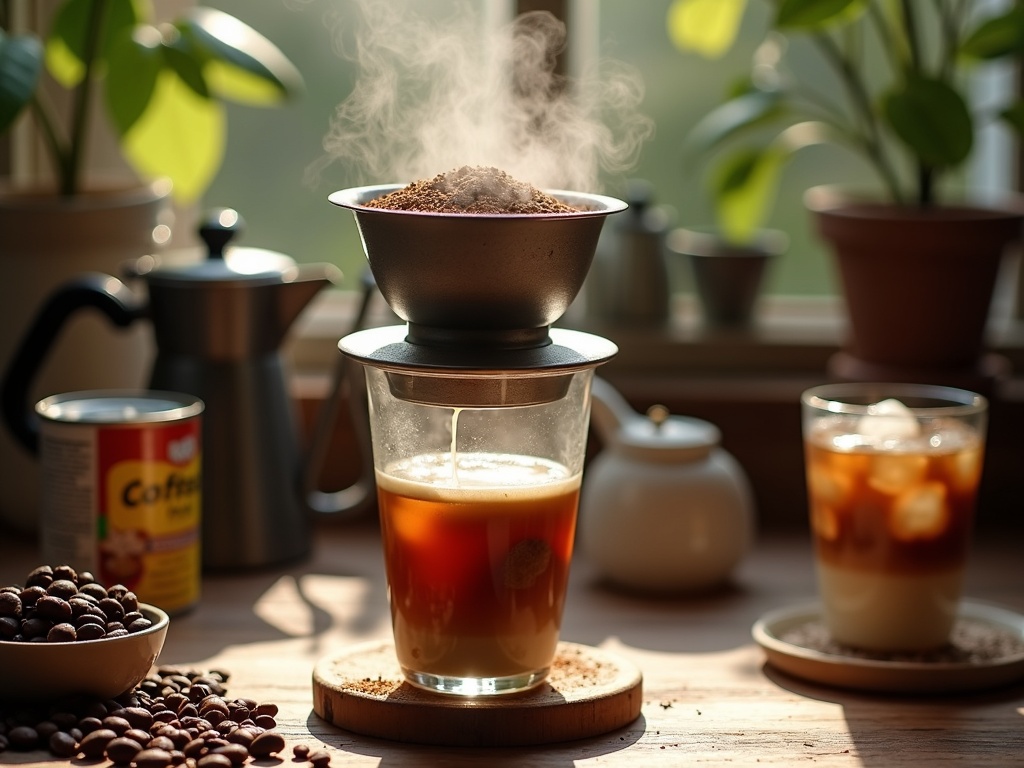
The Complete Taste Experience: From Bitter Edge to Creamy Sweetness
The first sip delivers an intense, aromatic punch that immediately distinguishes Vietnamese coffee from other brewing methods. I experience a bold bitterness that hits the palate first, characteristic of the robusta beans commonly used in traditional preparations. This initial sharpness quickly gives way to rich cocoa notes that provide depth and complexity to the overall flavor profile.
Flavor Development Through the Pour
Condensed milk transforms the entire drinking experience by adding substantial body and sweetness that balances the coffee’s natural intensity. I find that this combination creates a harmonious contrast between the bitter coffee and the creamy, sweet milk base. The texture remains notably thick and oily throughout the drinking process, coating the mouth with each sip and providing a luxurious mouthfeel that distinguishes Vietnamese coffee from lighter brewing methods.
Ice gradually dilutes the brew in iced versions, creating a dynamic tasting experience where the flavor profile shifts from concentrated intensity to a more mellow, refreshing drink. This dilution process allows me to appreciate different layers of taste as the ice melts and mingles with the coffee mixture.
Strength and Modern Variations
The strength of properly prepared Vietnamese coffee compares directly to espresso, delivering a caffeine punch that provides sustained energy throughout the day. Authentic Vietnamese coffee maintains this robust character whether served hot or cold, ensuring that the coffee’s essence remains prominent despite the addition of sweeteners.
Modern cafés have introduced variations that include coconut milk or plant-based alternatives, offering options for those with dietary restrictions or preferences. These adaptations maintain the core brewing method while substituting the traditional condensed milk component. Coconut milk adds its own tropical sweetness and creamy texture, while oat or almond milk provides different flavor nuances.
Despite these contemporary innovations, the classic version with condensed milk remains the dominant preparation method. The traditional combination continues to define the Vietnamese coffee experience, representing the perfect marriage of French colonial influence and local Vietnamese preferences. This enduring popularity speaks to the time-tested balance achieved through the original recipe, where each component serves a specific purpose in creating the complete sensory experience that has made Vietnamese coffee a global phenomenon.
Coffee Culture Born from French Colonial Influence and Local Innovation
I find Vietnamese coffee culture to be a fascinating blend of French colonial history and ingenious local adaptation. When the French introduced coffee to Vietnam in the 19th century, they planted the seeds for what would become one of the world’s most distinctive coffee traditions.
The Birth of a Unique Brewing Method
French colonizers brought their coffee culture to Vietnam, but local conditions demanded creativity. Fresh milk spoiled quickly in the tropical heat and wasn’t readily available, so Vietnamese coffee makers turned to condensed milk as their solution. This adaptation proved brilliant — the thick, sweet milk perfectly balanced the strong, bitter coffee that would become Vietnam’s signature.
Robusta beans thrived in Vietnam’s climate better than the arabica varieties the French initially preferred. Vietnamese farmers embraced these hardy plants, and robusta’s bold, earthy flavor became the foundation of authentic Vietnamese coffee. The beans’ natural intensity paired beautifully with the sweetened condensed milk, creating a drink that was both energizing and satisfying.
Regional Variations and Cultural Significance
Different regions across Vietnam developed their own subtle variations in preparation and taste:
- Northern areas tend toward stronger, more bitter brews.
- Southern regions often embrace sweeter coffee profiles.
- Some areas add coconut milk or egg to create unique local specialties.
Vietnamese coffee represents far more than just a beverage — it embodies the nation’s resilience and innovative spirit. During times of scarcity and hardship, Vietnamese people transformed limitations into culinary excellence. The slow drip method using the phin filter reflects the culture’s appreciation for patience and mindfulness, creating moments of calm in busy daily life.
Coffee shops became social hubs where people gather to discuss business, politics, and personal matters. The coffee culture encourages lingering conversations rather than rushed consumption, reflecting Vietnamese values of community and relationship-building.
This cultural significance extends beyond mere taste preferences. Vietnamese coffee preparation has become a ritual that connects generations, with brewing techniques passed down through families. The distinctive flavor profile and preparation method have made authentic Vietnamese coffee instantly recognizable worldwide, serving as a cultural ambassador that represents Vietnamese ingenuity and adaptability.
The marriage of French influence with Vietnamese innovation created something entirely new — a coffee tradition that honors its colonial origins while proudly asserting its unique identity.
Traditional Preparation Meets Modern Adaptations
I’ve discovered that Vietnamese coffee preparation has gracefully evolved beyond its traditional roots while maintaining its distinctive character. The classic method starts with placing sweetened condensed milk at the bottom of your glass, creating that signature creamy foundation that defines authentic Vietnamese coffee culture. This time-honored technique sets the stage for the rich, bold coffee that drips slowly through the metal phin filter above.
Modern Brewing Alternatives
For those preparing coffee for larger groups, I recommend using a French press as an effective alternative. This method allows you to brew multiple servings simultaneously while still achieving the strong, concentrated coffee that Vietnamese preparation demands. The French press produces a similar intensity to the traditional phin, making it particularly useful for cafes or households serving several people.
Stove-top espresso makers provide another excellent option for recreating Vietnamese coffee’s characteristic strength. These brewers generate enough pressure to create a concentrated coffee base that closely matches the intensity achieved through the slower phin drip method. I find this approach especially valuable when you want to capture that bold flavor profile without waiting for the traditional brewing time.
Instant coffee solutions have gained popularity for their convenience factor. Modern Vietnamese instant coffee blends, such as Trung Nguyen G7, offer a quick way to enjoy Vietnamese coffee’s essential taste elements. While purists might debate authenticity, these products serve busy coffee lovers who still want to experience Vietnamese coffee’s unique sweetness and strength.
Despite these modern adaptations, the phin filter remains the gold standard for authenticity. This simple yet effective device produces the slow, deliberate drip that allows robusta beans to release their full flavor potential. I consistently observe that coffee brewed through a phin delivers a depth and richness that’s difficult to replicate with other methods.
Maintaining consistent brew time becomes crucial regardless of your chosen method. I’ve learned that proper timing preserves the delicate balance between the coffee’s natural bitterness and the condensed milk’s sweetness.
- Traditional phin: Allow 4-5 minutes for complete extraction
- Modern brewing: Adjust to match desired strength and balance
Temperature control plays an equally important role across all preparation styles. I always use water just off the boil, around 200°F, whether I’m preparing authentic Vietnamese coffee with a phin or adapting the recipe for modern equipment. This temperature range extracts optimal flavor without over-extracting bitter compounds.
The condensed milk ratio deserves special attention in any preparation method. I typically use 1-2 tablespoons of sweetened condensed milk per serving, though personal preference should guide your proportions. This creates the characteristic creamy texture and balanced sweetness that defines Vietnamese coffee with condensed milk.
Equipment quality impacts results significantly across all brewing styles. Whether you’re investing in a traditional aluminum phin or selecting a modern French press, choose tools that maintain consistent temperature and allow proper extraction time. I’ve found that quality equipment produces noticeably better results, regardless of the brewing method you prefer.
Grinding consistency affects extraction in every preparation style.
- Use medium-fine grounds for phin brewing
- Use slightly coarser grinds for French press applications
The goal remains consistent – achieving optimal extraction that highlights the coffee’s natural characteristics while complementing the condensed milk’s richness.
Modern adaptations have made Vietnamese coffee more accessible without completely abandoning traditional values. Each method offers distinct advantages depending on your circumstances, time constraints, and serving requirements. The key lies in understanding how each technique achieves the essential elements that make Vietnamese coffee special – strong coffee, creamy sweetness, and that distinctive flavor profile that has made Trung Nguyen coffee and similar brands internationally recognized.

Sources:
Eat, Little Bird – How to Make Vietnamese Coffee
The Woks of Life – Vietnamese Coffee Guide
Nguyen Coffee Supply – Why Vietnamese Coffee Is Strong
CAFELY – What Does Vietnamese Coffee Taste Like?
World Coffee Research – Vietnam Country Profile

