
No products in the cart.
Beverages News, Coffee
How Do You Make Vietnamese Coffee (Authentic Style)

13
Dec
Dec
Vietnamese coffee stands apart through its distinctive combination of traditional phin filter brewing, dark-roasted Robusta beans, and sweetened condensed milk that delivers an intense yet smooth beverage.
The authentic preparation method involves a slow-drip process through a metal phin filter that extracts maximum flavor while preserving the coffee’s bold character against the rich, creamy milk.
Key Takeaways
- Use a phin filter with 14–16 grams of medium-ground Vietnamese coffee and water heated to 195–205°F for optimal extraction
- Choose dark-roasted Robusta beans or Vietnamese coffee blends like Trung Nguyên for authentic bold, earthy flavors
- Start with 1–2 tablespoons of sweetened condensed milk and adjust according to taste preference
- Allow coffee to bloom for 20–45 seconds with a small amount of hot water before adding the remaining water for even extraction
- The brewing process should take 4–6 minutes for proper concentration and flavor development
Table of Contents
What Makes Vietnamese Coffee Taste Different
I find that Vietnamese coffee delivers an entirely unique flavor profile that sets it apart from typical Western brewing methods. The distinctive taste comes from several key factors working together to create something truly special.
The Brewing Method Creates Concentrated Flavor
The traditional Vietnamese phin filter produces a concentrated brew that’s significantly stronger than regular drip coffee. This slow-drip method forces hot water through finely ground coffee at a controlled pace, extracting maximum flavor compounds and oils. I notice this process creates a thick, syrupy consistency that holds up beautifully against the sweetened condensed milk.
The coffee beans themselves contribute heavily to the unique taste. Vietnamese coffee typically uses dark-roasted Robusta beans or Robusta-heavy blends, which contain nearly twice the caffeine of Arabica varieties. These beans produce a bold, earthy flavor with subtle chocolate notes and a pronounced bitter edge that complements the sweetness perfectly.
Sweetened condensed milk transforms the entire drinking experience compared to fresh milk or cream. While regular coffee with dairy creates a lighter, more diluted taste, condensed milk adds richness and sweetness that doesn’t thin out the coffee’s intensity. The thick consistency of condensed milk means each sip maintains its full-bodied character rather than becoming watery.
The preparation ritual also affects flavor development. Making Vietnamese coffee step-by-step involves patience as the coffee slowly drips through the phin filter. This extended contact time between water and grounds extracts deeper flavors that you simply can’t achieve with faster brewing methods.
Temperature plays another crucial role in the final taste. When served as cà phê sữa đá, the hot concentrated coffee mixture poured over ice creates a refreshing contrast that enhances both the coffee’s boldness and the milk’s sweetness. The sudden temperature change locks in the aromatics while creating a smooth, refreshing finish.
The result is a beverage that’s simultaneously stronger and sweeter than typical coffee drinks. Vietnamese coffee with condensed milk delivers intense coffee flavor without the harsh acidity you might expect from such a strong brew. The condensed milk doesn’t just add sweetness – it creates a creamy texture that coats your palate and balances the coffee’s natural bitterness.
This combination of concentrated brewing, robust beans, and sweetened condensed milk creates a coffee experience that’s both familiar and exotic. Each element works in harmony to produce something that tastes completely different from your typical morning cup.


Essential Equipment: The Vietnamese Phin Filter
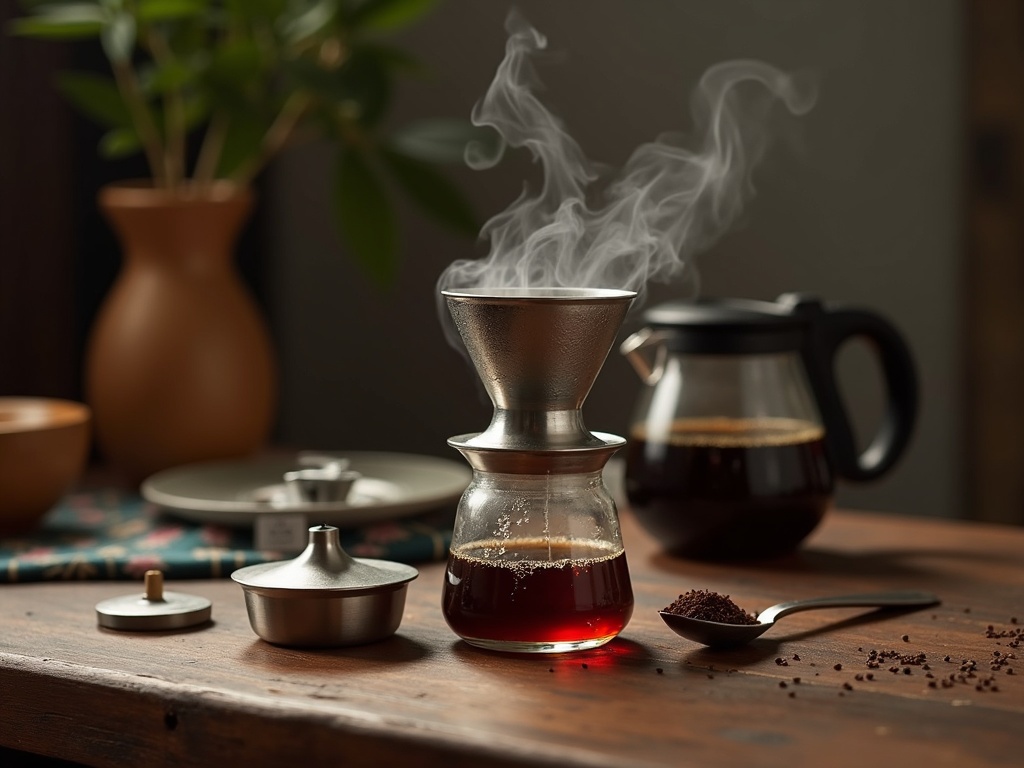
The phin filter stands as the cornerstone of authentic Vietnamese coffee preparation. This small metal drip brewer sits directly on your glass and transforms ground coffee into the rich, concentrated brew that defines Vietnamese coffee culture.
Understanding Your Phin’s Components
I’ve found that knowing your phin’s parts makes all the difference in brewing success. The brewing chamber holds your coffee grounds and forms the main body of the filter. A press or filter plate sits inside this chamber, creating pressure on your grounds during extraction. Finally, a lid covers everything, helping maintain heat throughout the brewing process.
The press mechanism varies between phin models, and each type offers distinct advantages:
- Gravity press models rely on the weight of the press plate alone to create pressure
- Screw-on press versions allow you to manually adjust compression for greater brewing control
- Both styles can produce excellent coffee when you match the grind size correctly to your specific model
Preparing Your Equipment for Optimal Brewing
Temperature control plays a crucial role in Vietnamese coffee preparation. I always preheat both the phin and glass with hot water before adding coffee grounds. This simple step maintains a steady brewing temperature throughout the extraction process, preventing heat loss that can lead to weak or sour coffee.
The preheating process takes just a minute but significantly impacts your final cup. Pour hot water into your glass, then place the phin on top and add hot water to the brewing chamber. Let this sit for 30 seconds, then discard the water. Your equipment now maintains the proper temperature for consistent extraction.
Choosing the right grind size makes or breaks your Vietnamese coffee experience. I recommend a medium to medium-coarse grind that allows water to flow steadily through the phin without rushing or stalling. Fine grinds often clog the filter, while coarse grinds let water pass too quickly, resulting in weak coffee.
When you’re ready to start brewing, using your Vietnam coffee filter becomes straightforward once you understand these fundamentals. Place two to three tablespoons of ground coffee in the brewing chamber, depending on your preferred strength. Position the press plate gently on top of the grounds without applying excessive pressure initially.
The key to perfect phin coffee lies in controlling the extraction rate. I start by adding just enough hot water to wet the grounds, allowing them to bloom for about 30 seconds. This initial bloom releases trapped gases and ensures even saturation. After blooming, I slowly fill the chamber with water heated to around 200°F.
Proper phin technique requires patience. The entire brewing process should take four to six minutes. If your coffee drips too quickly, try using a finer grind or applying slightly more pressure with the press plate. Conversely, if the drip seems too slow, loosen the press or use a coarser grind.
Many coffee enthusiasts overlook the importance of phin maintenance, but clean equipment produces better coffee. After each use, I disassemble the phin completely and wash each component with warm, soapy water. Coffee oils can build up over time, affecting flavor in future brews.
The beauty of phin brewing lies in its simplicity and consistency. Once you master the basic technique, you can experiment with different coffee varieties and brewing adjustments. Making Vietnamese coffee step by step becomes second nature, allowing you to focus on enjoying the rich, aromatic results that make this brewing method so beloved.
Quality phin filters last for years with proper care, making them an excellent investment for any coffee lover. Whether you choose a gravity or screw-press model, the principles remain the same: clean equipment, proper grind size, correct water temperature, and patient extraction timing.
Choosing Coffee and Condensed Milk for Authentic Results
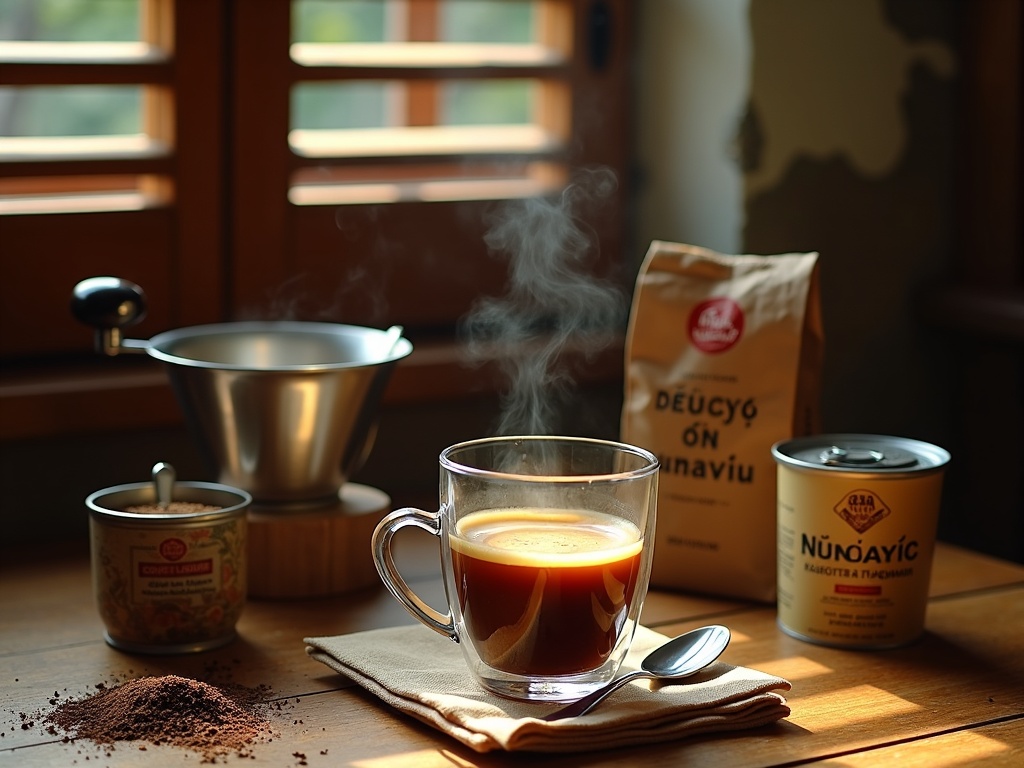
Vietnamese-style brews traditionally rely on dark roast coffee with a Robusta-forward profile that stands strong against sweetened condensed milk. I recommend seeking out Trung Nguyên coffee for authentic flavor, though Cafe Du Monde chicory blend offers an accessible alternative that captures the bold, earthy characteristics essential for this brewing method.
The grind size matters significantly for proper extraction through your phin filter. I start with a medium grind and adjust based on flow rate—if your coffee drips too slowly or stalls completely, coarsen the grind or reduce the pressure when pressing the filter plate down. Finding the right balance ensures optimal extraction without over-brewing.
Essential Condensed Milk Guidelines
When selecting your dairy component, always choose sweetened condensed milk rather than evaporated milk. The thick, sweet consistency of condensed milk creates the signature creamy texture and balances the coffee’s intensity. Here’s how I approach Vietnamese coffee ratio measurements:
- 1 tablespoon condensed milk produces a lightly sweetened cup with prominent coffee notes
- 2 tablespoons creates the classic balanced profile most coffee shops serve
- 3 tablespoons delivers dessert-like sweetness for those preferring indulgent flavors
I’ve found that starting conservative with condensed milk allows you to add more if needed, while over-sweetening requires brewing fresh coffee to correct. The Robusta beans’ natural caffeine content and bold flavor profile complement this sweetness without becoming overwhelmed.
Temperature control also affects how these ingredients interact. I pour the condensed milk into my cup first, then brew directly over it using my Vietnam coffee filter. This method allows the hot coffee to naturally blend with the condensed milk as it drips, creating layers that mix beautifully when stirred.
Quality matters for both components. Premium Vietnamese coffee beans offer complex flavor notes that cheap alternatives can’t match, while good condensed milk provides smooth sweetness without artificial aftertastes. I store opened condensed milk in the refrigerator and bring it to room temperature before use to ensure smooth mixing with hot coffee.
Water Temperature, Blooming, and Brew Control
Water temperature plays a crucial role in extracting the bold flavors from Vietnamese coffee beans. I’ve found that maintaining an ideal temperature range of 195°F to 205°F (90°C to 96°C) produces the best results. This temperature window ensures optimal extraction without burning the coffee grounds or creating bitter flavors that can overpower the drink’s natural sweetness.
Achieving Perfect Temperature Control
I always start by bringing water to a full boil, then let it rest for about 30 to 45 seconds before brewing. This brief cooling period allows the water temperature to drop into that sweet spot where extraction occurs most effectively. Using a thermometer eliminates guesswork, but you can also judge by watching for the water to stop its vigorous bubbling while still producing gentle steam.
The Art of Blooming Vietnamese Coffee
Blooming represents one of the most important steps in preparing authentic Vietnamese coffee. I begin this process by pouring a small amount of hot water—just enough to wet all the coffee grounds—into the phin filter. After this initial pour, I let the coffee sit undisturbed for 20 to 45 seconds. This waiting period allows the coffee to release trapped gases and ensures more even extraction throughout the brewing process.
The blooming technique offers several advantages for your final cup:
- It helps the water penetrate the coffee grounds more uniformly, preventing channeling where water might flow through certain areas while bypassing others.
- It releases carbon dioxide that could otherwise interfere with proper extraction.
- Proper blooming produces a more balanced flavor profile with enhanced clarity.
Water quality affects your Vietnamese coffee just as much as temperature and blooming technique. Filtered water removes chlorine, minerals, and other impurities that can muddy the coffee’s natural flavors. I’ve tested various water types and consistently find that filtered water delivers cleaner, more consistent results compared to straight tap water. Hard water with high mineral content can create off-flavors and affect how Vietnam coffee filters function during brewing.
After blooming, I continue with the main brewing phase by adding the remaining hot water in a slow, steady pour. This controlled approach maintains consistent extraction and prevents the grounds from becoming oversaturated too quickly. The entire brewing process should take about 4 to 6 minutes for optimal results.
Temperature control becomes even more critical when preparing Vietnamese coffee with condensed milk, as the milk’s sweetness can mask extraction flaws that might be obvious in black coffee. Proper water temperature and blooming ensure that your coffee base has enough strength and complexity to complement the rich condensed milk without being overwhelmed.
Step-by-Step: Authentic Phin-Brewed Vietnamese Coffee
I’ll walk you through the traditional process of making genuine Vietnamese coffee using a phin dripper, the small metal filter that produces the rich, concentrated brew locals love.
Essential Measurements and Setup
Start by gathering your ingredients for one serving:
- 14–16 grams (about 2 tablespoons) of medium-ground Vietnamese coffee
- 100–120 grams of hot water, heated to around 200°F
- 1–2 tablespoons of sweetened condensed milk
- Ice cubes (optional, for iced coffee)
Begin by adding your desired amount of sweetened condensed milk directly to your serving glass. Place the phin filter on top of the glass, ensuring it sits securely. Add your coffee grounds to the phin and gently level the coffee bed with a light shake or tap. This creates an even surface for optimal water distribution during brewing.
Position the metal press plate on top of the coffee grounds. Don’t compress too firmly – just enough to create gentle contact with the coffee surface. The press should feel snug but not tight, as over-compression will block water flow entirely.
Start the blooming process by pouring approximately 30 grams of hot water over the coffee grounds. Making Vietnamese coffee requires patience during this crucial step, as the bloom allows the coffee to release trapped gases and ensures even extraction. Wait 20–45 seconds while the coffee expands slightly.
After blooming, slowly add the remaining water until you reach your desired volume. Pour in a steady, circular motion to ensure all grounds receive equal saturation. Place the lid on top of the phin to maintain heat during the dripping process.
The dripping phase typically takes 3–6 minutes for proper extraction. I find this timing produces the ideal balance of strength and smoothness that characterizes authentic Vietnamese coffee. The steady, rhythmic drips should create a small pool that gradually grows in your glass.
Once dripping completes, remove the phin filter and stir the coffee thoroughly. This step is crucial for mixing the condensed milk, which settles at the bottom during brewing. The stirring creates the characteristic caramel-colored beverage with perfect sweetness distribution.
Troubleshooting common flow issues will help you perfect your technique. If coffee drips too slowly or stalls completely, the press plate is likely too tight or your grind is too fine. Loosen the press slightly by lifting and resetting it with less pressure, or consider using a coarser grind for your next cup.
Conversely, if water flows through too quickly, producing weak coffee, tighten the press plate or use a finer grind. Using a Vietnam coffee filter effectively requires finding the sweet spot where water flows steadily but not rapidly.
For iced coffee, simply add ice to your glass after stirring. The hot coffee will melt some ice while creating the perfect temperature for Vietnam’s humid climate. Vietnamese coffee with condensed milk over ice creates a refreshing drink that maintains the bold coffee flavor while providing cooling relief.
Temperature control throughout the process affects extraction quality significantly. Water that’s too hot can over-extract and create bitterness, while water that’s too cool won’t extract enough flavor compounds. Maintaining consistent heat with the lid helps preserve optimal brewing temperature.
The final result should be a strong, sweet coffee with a smooth texture and rich aroma. Making coffee like locals means embracing the slower pace and appreciating the ritual as much as the final product. Each cup represents a moment of pause in your day, much like the café culture that defines Vietnamese coffee traditions.
Quality coffee grounds make a significant difference in your final cup. Look for dark roasted Vietnamese coffee blends that include robusta beans for authentic flavor and higher caffeine content that balances beautifully with the sweetened condensed milk.
Iced vs Hot: Two Classic Vietnamese Styles
Vietnamese coffee culture offers three distinct preparations that cater to different preferences and weather conditions. Each style delivers unique flavor experiences while maintaining the characteristic richness that makes Vietnamese coffee so distinctive.
The Sweet and Creamy Options
Cà phê sữa đá stands as Vietnam’s most famous coffee export to the world. I brew this iced version directly into a glass containing sweetened condensed milk, allowing the hot coffee to blend naturally with the cream. After stirring thoroughly, I pour the mixture over ice in a separate glass. The beauty of this preparation lies in its resilience — the coffee maintains its bold flavor profile even as ice dilutes the drink. For those learning Vietnamese coffee preparation, this forgiving style offers an excellent starting point.
Cà phê sữa nóng provides the same creamy sweetness without ice. I prepare this hot version by brewing coffee directly into a glass with condensed milk, stirring well, and serving immediately. The hot temperature intensifies the coffee’s aroma and creates a comforting drink perfect for cooler weather or when you want to fully appreciate the coffee’s complexity. Many cafes in Vietnam serve this style during morning hours when locals prefer their coffee hot and energizing.
The Pure Coffee Experience
Cà phê đen strips away all additions to showcase pure coffee flavor. This black coffee comes in both hot and iced variations, allowing the beans’ natural characteristics to shine without interference from milk or sweeteners. I find this style particularly rewarding when using high-quality Vietnamese coffee beans, as nothing masks their distinctive taste.
For iced black coffee, I increase the coffee quantity slightly to compensate for dilution from melting ice. This adjustment ensures the final drink maintains proper strength and doesn’t become watery. The traditional filter method works exceptionally well for both hot and cold black preparations.
Temperature considerations play a crucial role in each style’s success. Hot versions allow immediate enjoyment and full flavor development, while iced varieties provide refreshment during Vietnam’s tropical climate. When preparing iced coffee, I always brew at full strength since ice will naturally temper the intensity. Coffee with condensed milk works particularly well over ice because the sweetness balances any slight dilution.
Each style reflects different aspects of Vietnamese coffee culture. The creamy versions showcase the French colonial influence through condensed milk usage, while black coffee represents a more traditional approach. Local preferences often shift throughout the day — hot coffee dominates morning routines, while iced versions become popular as temperatures rise. Understanding these cultural contexts helps you choose the right style for any occasion and appreciate why Vietnamese coffee preparation has remained unchanged for generations.
Troubleshooting: Fix Bitter, Weak, or Stuck Drips
I’ve helped countless coffee enthusiasts perfect their Vietnamese coffee brewing, and these common issues almost always have simple solutions. Every phin filter behaves differently, but understanding the key adjustments will transform your brewing experience from frustrating to flawless.
Weak Coffee Solutions
When your Vietnamese coffee lacks punch, I recommend three immediate fixes:
- Grind your coffee slightly finer to increase extraction and create more surface area for water contact.
- Tighten the press component to slow down the drip rate and allow more time for flavor development.
- Increase your coffee dose by 2-3 grams to achieve a stronger concentration.
Using your Vietnam coffee filter correctly requires balance between these elements. I’ve found that most weak coffee issues stem from too coarse a grind combined with insufficient coffee grounds. Start with the grind adjustment first, as this often solves the problem without requiring more coffee.
Bitter Coffee and Flow Problems
Harsh or bitter flavors indicate over-extraction, which I address through several methods:
- Grind your coffee slightly coarser to reduce the extraction rate and prevent bitter compounds from overwhelming the cup.
- Reduce brew time by loosening the press component, allowing water to flow faster through the grounds.
- Lower your water temperature to between 195-205°F, as boiling water can extract unpleasant flavors.
Stuck drips frustrate many newcomers to Vietnamese coffee preparation, but the fix is straightforward. Loosen the press component immediately and check your grind size. Coffee that’s ground too fine creates a muddy barrier that blocks water flow completely.
Oils from previous brewing sessions often cause clogging issues that I see repeatedly. These residual oils create a film on the phin components that disrupts proper water flow. I always rinse my phin thoroughly with hot water before each use and perform a deep cleaning weekly. Pay special attention to the press component’s holes, as even tiny oil deposits can significantly impact brewing performance.
Temperature management plays a crucial role in preventing extraction problems. I use water just off the boil rather than actively boiling water, which gives me better control over flavor extraction. This approach works particularly well when making Vietnamese coffee with condensed milk, as the gentler extraction complements the sweet milk component.
Remember that consistency comes through practice and small adjustments. I document successful brewing parameters for different coffee varieties, noting grind settings, coffee doses, and timing. This record-keeping approach has helped me achieve reliable results across various Vietnamese coffee brands and roast levels.
Most brewing problems stem from impatience or dramatic adjustments. I make one change at a time, test the result, then adjust further if needed. This methodical approach prevents overcorrection and helps identify which variable truly affects your coffee quality. Making Vietnamese coffee like locals requires understanding these subtle adjustments that separate good coffee from exceptional coffee.
Proper maintenance extends beyond cleaning and includes checking your phin’s components for wear. I inspect the press component regularly for dents or damage that might affect water flow. A warped press can create uneven extraction and lead to the exact problems I’ve outlined above. Replace worn components promptly to maintain consistent brewing performance and avoid frustrating brewing sessions that waste quality coffee grounds.

Health and Balance: Caffeine and Sugar Considerations
Vietnamese coffee packs a substantial caffeine punch due to its traditional use of Robusta beans, which contain nearly twice the caffeine content of Arabica varieties. I’ve found that a single cup can deliver anywhere from 100-200mg of caffeine, depending on the brewing strength and bean ratio used. This intensity means you’ll want to approach Vietnamese coffee with awareness, especially if you’re sensitive to stimulants.
Managing Caffeine Intake Responsibly
The U.S.-based health guidance recommends limiting caffeine intake to around 400mg per day for most healthy adults. A standard Vietnamese coffee can account for up to half of this daily limit in just one serving. If you’re new to this brewing style or have caffeine sensitivity, I recommend starting with a smaller portion—perhaps using only half the typical coffee grounds or limiting yourself to a smaller glass initially.
Reducing Sugar and Intensity Without Sacrificing Flavor
Traditional Vietnamese coffee relies heavily on sweetened condensed milk, which significantly increases the sugar content per serving. I suggest several modifications to create a more balanced drink:
- Use only 1 tablespoon of condensed milk instead of the typical 2–3 tablespoons
- Add extra ice to dilute the intensity while maintaining the signature cold preparation
- Include a splash of regular milk or half-and-half to cut the sweetness
- Choose Arabica-forward blends when available, as they naturally contain less caffeine
- Experiment with unsweetened condensed milk alternatives or sugar-free versions
When you’re making Vietnamese coffee with condensed milk, remember that small adjustments make significant differences in both caffeine content and sugar levels. I’ve discovered that gradually reducing the condensed milk allows your palate to adapt while preserving the essential character of this beloved beverage.
The beauty of Vietnamese coffee lies in its adaptability. You can maintain the authentic preparation method using a Vietnam coffee filter while adjusting ingredients to suit your health preferences. This approach ensures you’ll enjoy the cultural experience without compromising your wellness goals.
For those monitoring blood sugar levels or following specific dietary requirements, consider timing your Vietnamese coffee consumption earlier in the day. The combination of caffeine and sugar can affect sleep patterns and energy levels throughout the day. I find that enjoying Vietnamese coffee as a morning treat rather than an afternoon pick-me-up works best for maintaining healthy sleep cycles.
How to Make Vietnamese Coffee at Home Without a Phin
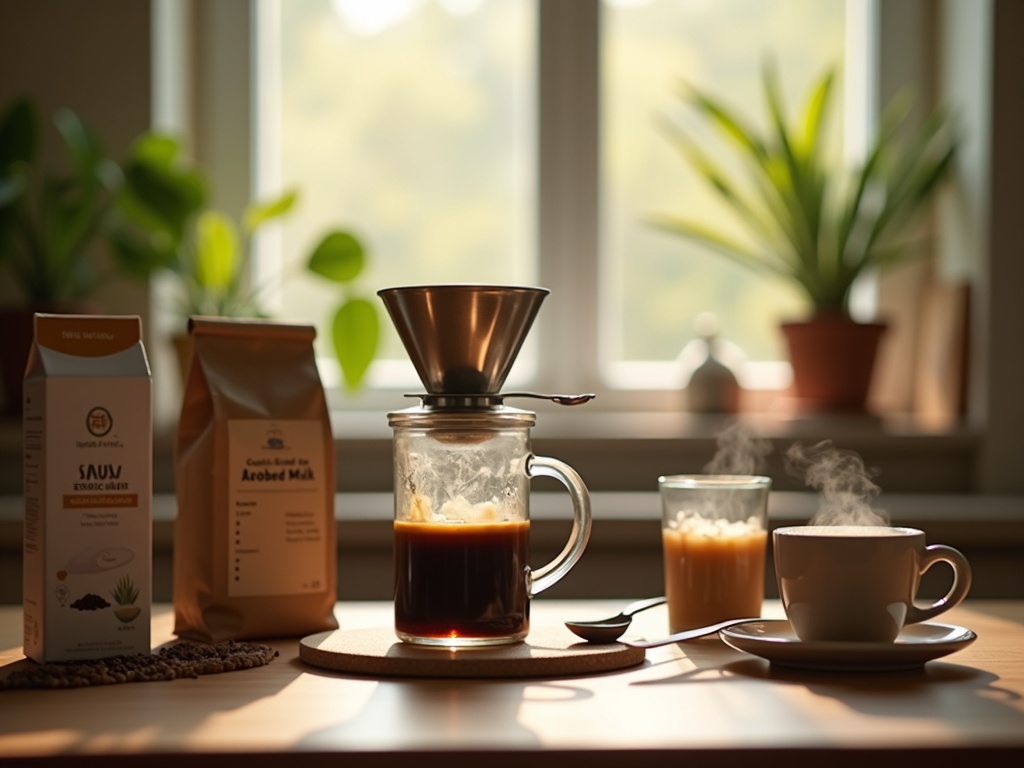
I’ve discovered several effective ways to create delicious Vietnamese coffee when you don’t have the traditional phin filter. While the texture won’t be identical to the authentic drip method, these alternatives deliver the bold, sweet flavor that makes Vietnamese coffee so irresistible.
Using Alternative Brewing Methods
A moka pot creates an excellent substitute for Vietnamese coffee preparation. I brew the coffee stronger than usual by using a finer grind and filling the water chamber completely. Once the brewing completes, I immediately combine the hot, concentrated coffee with 2–3 tablespoons of sweetened condensed milk. The moka pot’s pressure-based extraction produces a rich, intense brew that pairs beautifully with the creamy condensed milk.
Espresso machines work exceptionally well for this purpose. I pull 1–2 shots of espresso directly over the condensed milk, which creates a similar strength profile to traditional phin brewing. The concentrated nature of espresso matches the intensity you’d get from Vietnamese coffee like locals prepare it.
French Press and Other Options
For French press preparation, I use a much stronger coffee-to-water ratio than normal — approximately 1:8 instead of the standard 1:12. I steep the grounds for 4–5 minutes before pressing, then mix the resulting strong brew with condensed milk. This method requires patience but produces satisfying results.
Other brewing devices can work in a pinch:
- Pour-over methods using a V60 or Chemex require a very fine grind and a slower pour technique to achieve the necessary concentration.
- AeroPress users should employ the inverted method with extended steeping time.
The key to success with any alternative method lies in understanding that Vietnamese coffee relies on strong, concentrated coffee balanced with rich condensed milk. I always aim for a coffee strength that can hold its own against the sweetness of the condensed milk without becoming bitter.
While these methods won’t replicate the exact slow-drip experience you get when you use a Vietnam coffee filter, they’ll deliver the essential flavor profile. The texture may be slightly different — less syrupy than traditional phin brewing — but the combination of strong coffee and condensed milk remains deliciously authentic.
Each alternative method brings its own character to the final cup. Experiment with different ratios and brewing times to find your preferred balance. Remember that Vietnamese coffee should be bold enough to shine through the condensed milk while maintaining a smooth, approachable finish.

Quick Ratios Cheat Sheet
I’ve perfected these ratios through countless brewing sessions, and they’ll give you authentic Vietnamese coffee every time. Getting the proportions right makes the difference between a mediocre cup and one that rivals your favorite local café.
Essential Coffee-to-Water Ratios
For your classic hot Vietnamese coffee, I recommend using 14–16 grams of coffee grounds to 100–120 grams of water. This creates that perfect balance of intensity and smoothness that defines authentic Vietnamese brewing. When you’re craving something stronger, bump up the coffee to 18–20 grams while keeping the same water amount – this works particularly well for iced versions where dilution from melting ice is a factor.
Condensed Milk Guidelines
Start with 1–2 tablespoons of sweetened condensed milk for your base recipe. I always tell beginners to begin with just 1 tablespoon, then taste and adjust upward. Vietnamese coffee should have that signature sweetness, but you don’t want it overpowering the coffee’s natural flavors. The beauty lies in finding your personal sweet spot.
Your brewing temperature should stay between 195°F to 205°F (90°C to 96°C) regardless of which ratio you choose. This temperature range extracts the coffee oils properly without creating bitterness. I’ve found that water just off the boil works perfectly – no need for a thermometer if you let it rest for about 30 seconds after boiling.
These ratios work whether you’re using a traditional phin filter or adapting to other brewing methods. When you use a Vietnam coffee filter, these measurements translate directly. The slow drip process allows for complete extraction, making these ratios particularly effective.
For iced coffee variations, I stick with the bolder 18–20 gram ratio because ice dilution affects the final strength. Pour your freshly brewed coffee over ice immediately after it finishes dripping. The contrast between hot coffee and cold ice creates that perfect temperature balance Vietnamese iced coffee is famous for.
Remember that coffee bean quality affects these ratios too. Medium to dark roast Vietnamese coffee blends respond best to these measurements. If you’re using a lighter roast, you might need to increase the coffee amount slightly to achieve the same intensity level.

Sources:
Bon Appétit – Vietnamese phin filter context
The Woks of Life – Vietnamese coffee method reference
Bluewater – National Coffee Association temperature range
FDA – U.S. health guidance on caffeine limits

