
No products in the cart.
Beverages News, Coffee
How To Use Vietnam Coffee Filter Step By Step

15
Dec
Dec
Vietnamese phin filters deliver a traditional brewing method that creates rich, concentrated coffee through a slow-drip process using four essential metal components. This comprehensive guide covers the complete process from understanding your phin’s parts to mastering brewing techniques, troubleshooting common issues, and properly maintaining your filter for consistent results.
Key Takeaways
- Master the four components: Base plate, brew chamber, press, and lid work together to create proper extraction through controlled water flow and heat retention
- Perfect your brewing ratios: Use 14-16g coffee with 100-120g water at 195-205°F, aiming for a 4-6 minute total brew time for optimal extraction
- Control flow rate carefully: Adjust press pressure to achieve 1-3 drops per second – too tight creates bitter over-extraction while too loose produces weak under-extraction
- Follow proper technique: Preheat components, bloom grounds with 30g water for 30-60 seconds, then pour remaining water slowly in circular motions
- Maintain your filter properly: Rinse with hot water immediately after use and dry completely to prevent oil buildup and ensure years of reliable performance
Table of Contents
Understanding Vietnamese Phin Filter Components
The phin filter consists of four critical parts that work in harmony to control water flow and extraction timing.
The Base Plate (Drip Chamber)
The perforated base plate sits at the bottom of your brewing chamber. Small holes allow brewed coffee to drip through while preventing grounds from escaping. I examine hole size carefully when selecting a phin – smaller holes provide better filtration but may slow extraction too much.
The Brew Chamber
This cylindrical vessel holds your coffee grounds during brewing. Chamber size determines your batch capacity, typically ranging from single-serving portions to larger family-style filters. I find stainless steel chambers offer superior heat retention compared to aluminum alternatives.
The Press (Gravity Filter)
The press fits snugly inside the brew chamber, sitting directly on your coffee grounds. This component controls extraction rate through adjustable pressure. I apply gentle downward force to achieve proper contact without compacting grounds excessively.
The Lid
The lid covers your brewing chamber, maintaining heat during the extraction process. Proper heat retention ensures consistent extraction temperature throughout your brew cycle. I always place the lid immediately after adding hot water.
Essential Brewing Equipment and Setup
Successful phin brewing requires specific tools and preparation steps that I’ve refined through extensive practice.
Required Equipment
- Vietnamese phin filter (appropriate size for your serving needs)
- Digital scale for precise measurements
- Gooseneck kettle for controlled pouring
- Timer for extraction monitoring
- Heat-resistant glass or mug
Coffee Selection and Grind Size
I recommend using medium to dark roast Vietnamese coffee or French roast alternatives. Grind size should fall between medium and coarse – finer than French press but coarser than pour-over methods. Consistency matters more than exact particle size.
Water Temperature and Quality
Heat water to 195-205°F for optimal extraction. I use filtered water to avoid mineral interference with flavor development. Temperature stability throughout brewing prevents uneven extraction.
Step-by-Step Brewing Process
This systematic approach ensures consistent results every time I brew with my phin filter.
Preparation Phase
- Rinse all phin components with hot water to preheat the metal
- Assemble the base plate and brew chamber over your serving vessel
- Measure 14-16g of coffee grounds using your digital scale
- Add grounds to the brew chamber, creating an even surface
Initial Water Addition (Blooming)
- Place the press gently on top of grounds without applying pressure
- Pour 30g of hot water slowly over grounds in circular motions
- Allow coffee to bloom for 30-60 seconds, releasing trapped gases
- Check that water drips steadily from the base plate
Main Brewing Phase
- Add remaining 70-90g of water gradually in small increments
- Place lid on brew chamber to maintain temperature
- Monitor drip rate – aim for 1-3 drops per second
- Complete brewing should take 4-6 minutes total
Final Steps
- Remove phin components once dripping stops
- Stir brewed coffee gently to ensure even concentration
- Serve immediately while hot
Troubleshooting Common Brewing Issues
I’ve encountered numerous brewing problems that affect final cup quality. These solutions address the most frequent concerns.
Flow Rate Problems
- Too Fast (Weak Coffee): Press down more firmly on grounds or use a finer grind. Insufficient contact time prevents proper extraction.
- Too Slow (Bitter Coffee): Reduce press pressure or use a slightly coarser grind. Over-extraction creates harsh flavors.
- Inconsistent Dripping: Check for uneven ground distribution or clogged holes in the base plate. Level grounds carefully before pressing.
Temperature Issues
- Coffee Cooling Too Quickly: Preheat all components thoroughly and replace lid immediately after water addition. Consider using a thermal carafe.
- Uneven Extraction: Maintain consistent water temperature throughout brewing. Pour hot water gradually rather than all at once.
Grind and Dosage Adjustments
- Weak Flavor: Increase coffee dose to 16-18g or use a slightly finer grind. Proper extraction requires adequate coffee mass.
- Overpowering Strength: Reduce coffee dose to 12-14g or use a coarser grind. Balance strength with extraction time.
Advanced Brewing Techniques
These refined methods elevate your phin brewing beyond basic techniques.
Multiple Pour Technique
I divide water additions into three equal pours after initial blooming. This approach maintains optimal temperature while preventing over-saturation of grounds.
Press Pressure Variations
Experiment with different press pressures throughout brewing. I start with light pressure and gradually increase force as extraction progresses.
Temperature Stepping
Begin with slightly cooler water (190°F) and finish with hotter water (205°F). This technique prevents early over-extraction while ensuring complete brewing.
Maintenance and Care
Proper maintenance extends your phin’s lifespan while preserving coffee quality.
Daily Cleaning
Rinse all components with hot water immediately after brewing. Scrub gently with a soft brush to remove coffee oils. Dry completely before storage to prevent corrosion.
Deep Cleaning
Weekly deep cleaning removes accumulated oils and residues. Soak components in hot soapy water for 15 minutes, then rinse thoroughly. Avoid harsh detergents that may leave residual flavors.
Storage Considerations
Store your clean, dry phin in a cool, dry location. Separate components to ensure complete air circulation. I stack components carefully to prevent dents or scratches.
Selecting the Right Phin Filter
Choose your phin based on brewing frequency and serving size requirements.
Size Options
Single-serving phins (4-6 oz capacity) work perfectly for individual use. Larger filters (8-12 oz) accommodate multiple servings or stronger coffee preferences.
Material Considerations
Stainless steel phins offer superior durability and heat retention. Aluminum alternatives cost less but may affect flavor over time. I prefer stainless steel for consistent performance.
Quality Indicators
Look for smooth, well-finished surfaces without sharp edges. Check hole consistency in the base plate – uniform perforation ensures even extraction. Heavy construction typically indicates better materials and longevity.
What Is a Vietnamese Phin Filter and Why Use It
A Vietnamese phin filter stands as a compact, single-serve metal brewer that delivers exceptional coffee with minimal effort. Most home phins brew about 4–6 oz (120–180 ml) per batch, making them perfect for individual servings. I find this size ideal for Vietnamese coffee’s concentrated nature, which typically gets diluted with ice or milk.
Understanding the Four Essential Components
The phin includes four distinct parts that work together seamlessly:
- Base plate – sits at the bottom to catch drips
- Brew chamber – holds your coffee grounds
- Press – fits inside the chamber to distribute water evenly across the grounds
- Lid – covers everything to retain heat during brewing
Each component plays a crucial role in creating the proper extraction process.
The Paper-Free Advantage
Because the phin operates without paper filters, more oils reach your cup directly. This design choice significantly impacts the flavor profile. Therefore, the coffee tastes richer and more full-bodied compared to standard drip methods. I notice this difference immediately—the mouthfeel becomes noticeably heavier and more satisfying.
The metal construction also means you’ll never run out of filters. You can use your Vietnam coffee filter indefinitely with proper care. This makes it both economical and environmentally friendly over time.
Typical drip time ranges from 3–6 minutes, depending on your grind size and press pressure. I’ve learned that patience during this process rewards you with superior extraction. The slow drip allows water to interact fully with the grounds, pulling out complex flavors that faster brewing methods often miss.
The phin’s design encourages mindful coffee preparation. Unlike automatic machines, you control every variable manually. This hands-on approach helps you understand how small adjustments affect your final cup. I appreciate how this Vietnamese coffee brewing method connects you directly to the process.
Vietnamese coffee culture prizes strength and intensity over volume. The phin delivers exactly this experience. Its concentrated output pairs perfectly with sweetened condensed milk, creating the classic Vietnamese coffee combination. Even black, phin coffee provides remarkable depth and character that lighter brewing methods struggle to achieve.
Know Your Phin Parts and Press Type
Understanding your phin components makes the difference between a mediocre cup and exceptional Vietnamese coffee. I’ll break down each part so you can master this traditional brewing method.
Base Plate and Brew Chamber Fundamentals
The base plate serves as your foundation, sitting directly on your cup while supporting the entire brewing system. This perforated platform allows coffee to drip through while maintaining stability during the brewing process. Your brew chamber sits atop this base and houses both the coffee grounds and hot water throughout extraction.
Keeping your phin perfectly level prevents uneven dripping that can ruin your brew. I recommend checking that your cup sits flat on the surface before positioning the base plate. Any tilt causes water to pool on one side, leading to over-extraction in some areas and under-extraction in others. Using your Vietnam coffee filter properly starts with this simple but critical setup step.
Gravity Press vs Screw-On Press Systems
Your phin’s press mechanism directly controls extraction speed and flavor development. Understanding the differences helps you choose the right approach for your coffee and preferences.
A gravity press simply rests on top of your grounds with its own weight providing gentle compression. This forgiving system works exceptionally well with fresh coffee that releases carbon dioxide gas during brewing. The light pressure allows gas to escape without disrupting the brewing process, preventing stalling or uneven extraction.
Screw-on presses offer more precise control over your drip speed through adjustable compression. You can fine-tune the flow rate by turning the press clockwise for slower drips or counterclockwise for faster extraction. This control proves invaluable when working with different grind sizes or coffee origins that require specific brewing parameters.
However, over-tightening your screw-on press creates problems that can completely stall your brew. Excessive pressure compacts the grounds too tightly, blocking water flow and preventing proper extraction. I’ve seen countless brewers make this mistake, resulting in bitter, over-extracted coffee or incomplete brewing.
My quick rule eliminates guesswork:
- Snug is enough, never cranked down
- Turn your screw-on press until you feel gentle resistance, then stop
- The grounds should feel compressed but not compacted — like a firm handshake, not a crushing grip
This technique allows water to flow through the coffee bed at an optimal rate while maintaining even saturation.
Fresh coffee requires extra attention regardless of your press type. Recently roasted beans contain trapped gases that expand when hot water hits them. If you’re brewing for rich taste, allow these gases to escape by using lighter pressure initially.
Different grind sizes also affect how you should use your press:
- Coarser grounds need slightly more pressure to slow the drip rate
- Finer grounds require minimal compression to prevent over-extraction
I adjust my technique based on these variables rather than following a rigid routine.
Temperature plays a role in press performance too. Hot water makes coffee grounds expand, which can increase resistance even with consistent pressure. Monitor your drip rate throughout brewing and make minor adjustments if needed.
When making Vietnamese coffee step by step, remember that your press choice affects timing. Gravity presses typically produce a medium drip rate naturally, while screw-on presses let you customize the speed for your schedule and taste preferences.
Practice with your specific phin develops muscle memory for the right pressure amount. Each filter has slightly different tolerances, and consistent results come from understanding your equipment’s particular characteristics.
Pick the Right Phin Size, Coffee Dose, and Grind
I’ve found that choosing the correct phin size forms the foundation of exceptional Vietnamese coffee. Common sizes include 100 ml, 150 ml, and 200 ml capacities, each producing distinctly different brewing characteristics. Smaller phins create a more concentrated cup with intense flavors, while larger phins require slightly coarser grind to prevent clogging and maintain proper flow rates.
Coffee Dose Guidelines for Different Brewing Styles
Your coffee dose dramatically impacts the final taste profile. Below are some starting points based on your preferred strength:
- Classic strong cup: 14–16 g coffee with 100–120 g water for traditional intensity
- Lighter cup: 10–12 g coffee with approximately 100 g water for gentler flavors
- Strong iced style: 18–20 g coffee with 100–120 g water for bold concentration that cuts through ice and sweetened condensed milk
These ratios provide excellent starting points, though you’ll want to adjust based on your taste preferences and the specific coffee beans you’re using.
Grind size becomes critical for achieving proper extraction timing. I start with medium to medium-fine for most phins, as this generally produces the ideal flow rate. If your coffee drips too fast, you’ll need to go finer or tighten the press slightly to slow extraction. Conversely, if it drips too slowly, go coarser or loosen the press to increase flow.
Your target brewing window should fall between 3–6 minutes total drip time. This timing allows for proper extraction without over-steeping, which can lead to bitter flavors. I monitor the drip rate closely during the first bloom phase, adjusting the grind for future brews if needed.
Using a Vietnam coffee filter effectively requires understanding how these three elements work together. Larger phins naturally take longer to brew, so you might need a slightly coarser grind to maintain that 3–6 minute window. Smaller phins can handle finer grinds because they have less coffee bed depth to navigate.
Temperature also influences your grind choice. Hotter water extracts faster, so you might need a coarser grind on particularly hot days or when using freshly boiled water. I typically let my water cool for about 30 seconds after boiling before starting the brewing process.
Coffee freshness affects grind requirements too. Freshly roasted beans often require a slightly coarser grind initially, as they release more CO2 and can cause channeling with finer grinds. Beans that have been roasted for several weeks might benefit from a finer grind to compensate for reduced gas content.
The press plate adjustment becomes your fine-tuning tool. I start with a gentle press that compresses the coffee bed without over-compacting it. Too much pressure creates channels where water flows around the coffee rather than through it. Too little pressure allows water to rush through without proper contact time.
Achieving rich taste depends heavily on this balance between dose, grind, and timing. Each brewing session teaches you more about your specific phin’s characteristics and how different coffees respond to various parameters.
Experimentation remains key to mastering your phin setup. I keep detailed notes about successful combinations, recording the phin size, coffee dose, grind setting, and total brew time for each satisfying cup. This data helps you replicate great results and troubleshoot problematic brews.
Remember that Vietnamese coffee traditionally emphasizes bold, concentrated flavors that pair beautifully with sweetened condensed milk. Don’t be afraid to start with stronger ratios and adjust downward if needed. Making Vietnamese coffee step by step becomes intuitive once you understand these fundamental relationships between size, dose, and grind.
Water Temperature and Pouring Technique
I always start with water that’s just off the boil – aim for that sweet spot between 190-205°F (88-96°C). This temperature range extracts the coffee’s oils and flavors without scorching the grounds, which can create bitter notes that overpower the natural sweetness Vietnamese coffee is known for.
Optimal Water Quality
Filtered water makes a significant difference in your final cup. I recommend using filtered water because it removes chlorine and other impurities that can interfere with extraction. The cleaner water allows the coffee’s rich, chocolatey notes to shine through more clearly, especially when you’re brewing Vietnamese coffee at home.
Proper Pouring Method
Slow, steady pouring is crucial for even extraction. I pour in a circular motion, starting from the center and working outward, then back to the center. This technique ensures all grounds get wet evenly and prevents channeling – those frustrating paths where water flows through the coffee too quickly.
Here’s my step-by-step pouring approach:
- Pour just enough water to wet all grounds initially (about 1–2 tablespoons)
- Wait 30 seconds for the coffee to bloom
- Continue pouring slowly in small amounts, maintaining a consistent water level
- Keep the pour steady and controlled – aggressive pouring disturbs the coffee bed
- Total brewing time should be 4–6 minutes for optimal extraction
I never rush this process. When you use a Vietnamese coffee filter properly, the slow drip creates a concentrated brew that’s essential for the authentic experience. The key is maintaining gentle, consistent pressure without overwhelming the grounds.
Temperature consistency matters throughout the brewing process. I often preheat my phin filter by rinsing it with hot water before adding the coffee. This prevents the metal from cooling your water too quickly and ensures stable extraction temperature.
Remember that water temperature drops quickly once you remove it from heat. I measure the temperature with a thermometer initially, but after practice, you’ll recognize the visual cues – water that’s stopped actively bubbling but still has occasional small bubbles rising is usually perfect. This careful attention to temperature and pouring technique transforms your Vietnamese coffee from good to exceptional, creating that rich, full-bodied brew that pairs perfectly with sweetened condensed milk.
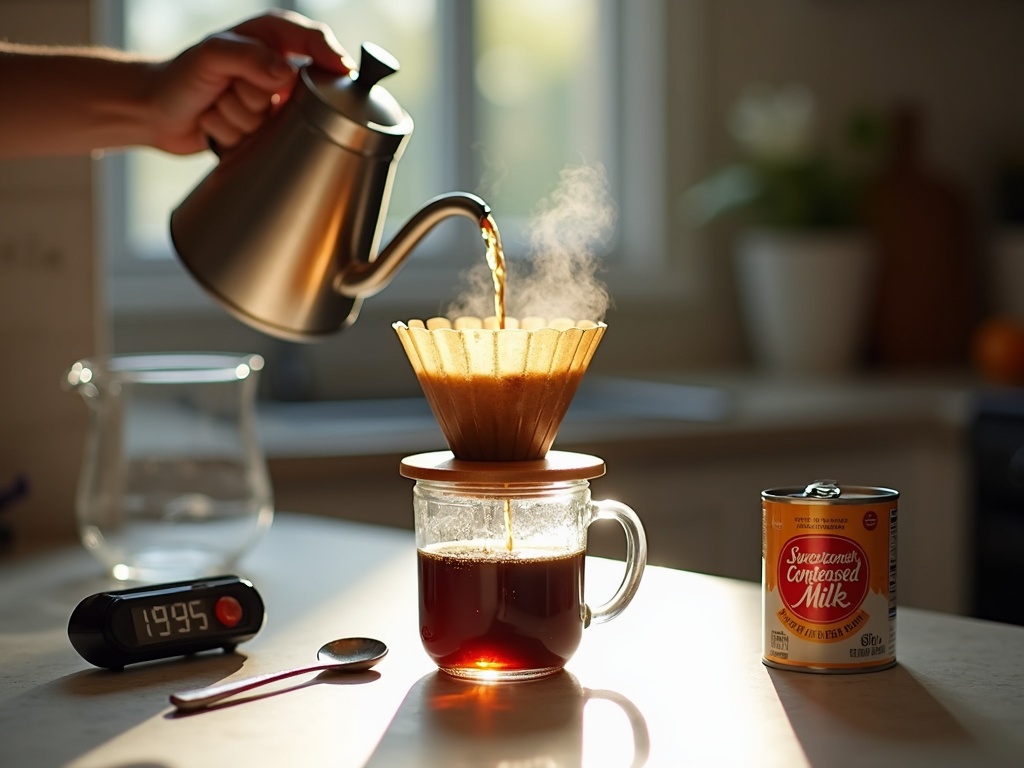
Troubleshooting Before You Brew
I always check my drip rate before adjusting any other brewing variables, and this simple step saves countless disappointing cups. Your Vietnamese coffee filter’s flow rate directly controls extraction, making it the most critical factor to master before you even think about changing your coffee grounds or water temperature.
Identifying Flow Problems
Fast drips create weak, thin coffee that lacks the rich body Vietnamese coffee is known for. I can spot this issue immediately when water rushes through the filter in less than four minutes — the result is under-extracted coffee that tastes sour and lacks depth. Conversely, slow drips produce harsh, bitter coffee from over-extraction. When brewing takes longer than seven minutes, the grounds steep too long and release unpleasant compounds.
Fixing Flow Issues
I address flow problems by adjusting the filter’s compression mechanism first. Here’s how I troubleshoot each scenario:
- For fast drips: Tighten the filter press slightly to increase resistance and slow the water flow
- For slow drips: Loosen the filter press to allow water to pass through more freely
- For inconsistent flow: Check that the filter plate sits level and the holes aren’t clogged with old coffee residue
- For complete blockage: Remove all components and clean thoroughly, paying special attention to the small holes
The ideal extraction time falls between four and six minutes for most Vietnamese coffee blends. I test my Vietnam coffee filter setup by timing the first few drops — they should appear within 30 seconds of adding water.
Temperature also affects flow rate, though indirectly. Water that’s too hot can cause the coffee bed to expand and slow the drip, while cooler water might not extract properly even with correct timing. I maintain water temperature between 195-205°F for optimal results.
Remember that fixing flow issues takes precedence over adjusting grind size or coffee quantity. Once you’ve established proper flow rate, you can fine-tune other variables to achieve your preferred strength and flavor profile. This systematic approach prevents the frustration of chasing multiple variables simultaneously and ensures consistent results every time you brew.
Brewing Setup Checklist
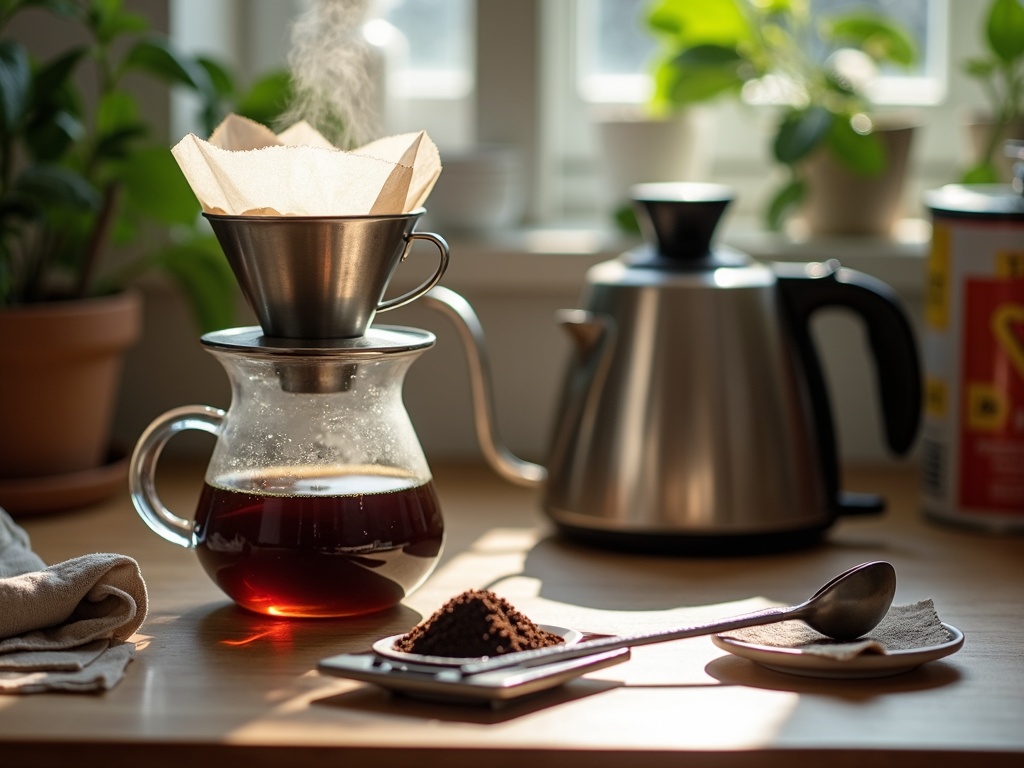
Before I start brewing Vietnamese coffee, I gather all the essential tools and ingredients to ensure a smooth process. Having everything prepared beforehand makes the difference between a rushed cup and a perfect brew.
Essential Equipment and Ingredients
I always start with these core items for authentic Vietnamese coffee preparation:
- Phin filter – The traditional stainless steel drip filter that creates the signature slow-drip brewing method
- Heat-safe cup or glass – Choose one that can handle boiling water and fits comfortably under your phin
- Kettle – For heating water to the proper temperature (195-205°F works best)
- Spoon – Essential for stirring and measuring ingredients
- Timer – Helps track the 4-5 minute brewing time for optimal extraction
I recommend adding a kitchen scale to your setup if you want consistent results every time. Measuring coffee and water by weight rather than volume eliminates guesswork and helps you replicate your perfect cup. When using a Vietnam coffee filter, precision matters for achieving that rich, bold flavor profile.
For coffee selection, I choose robusta or robusta-dominant blends since they pair exceptionally well with condensed milk. Robusta beans contain higher caffeine content and possess the strength needed to cut through the sweetness of condensed milk without losing their character. These blends also handle the slow-drip extraction method better than delicate arabica varieties.
Chicory adds an authentic touch to Vietnamese coffee if you want to recreate the traditional flavor. I add up to half a teaspoon per cup, mixing it directly with the ground coffee before brewing. This optional ingredient brings a slightly bitter, earthy note that complements the coffee’s natural robustness. Many Vietnamese coffee houses include chicory in their blends, making it an authentic addition rather than just an experiment.
I always check that my heat-safe cup can accommodate both the phin filter and the final volume of coffee. The cup should be wide enough for the filter to sit securely without wobbling, and deep enough to catch all the dripping coffee without overflowing. Glass cups work particularly well since they let me monitor the brewing progress and appreciate the beautiful amber color as it develops. When learning how to make Vietnamese coffee step by step, visual cues become invaluable for timing and technique refinement.
Step-by-Step Preheat and Bloom
Proper Preheating Technique
I start by preheating both my cup and phin filter with hot water before beginning the brewing process. This crucial step prevents heat loss during extraction, ensuring optimal temperature throughout the brewing cycle. Pour hot water into your cup and let it sit while you simultaneously rinse the phin components. The metal retains heat better when warmed, creating consistent extraction temperatures that produce richer flavors.
Empty the preheating water from both the cup and filter before proceeding. Add your coarsely ground Vietnamese coffee to the phin chamber, typically about 3–4 tablespoons for a single serving. Level the coffee bed gently with a spoon or by tapping the sides – avoid compacting the grounds as this can create uneven extraction.
The Critical Blooming Phase
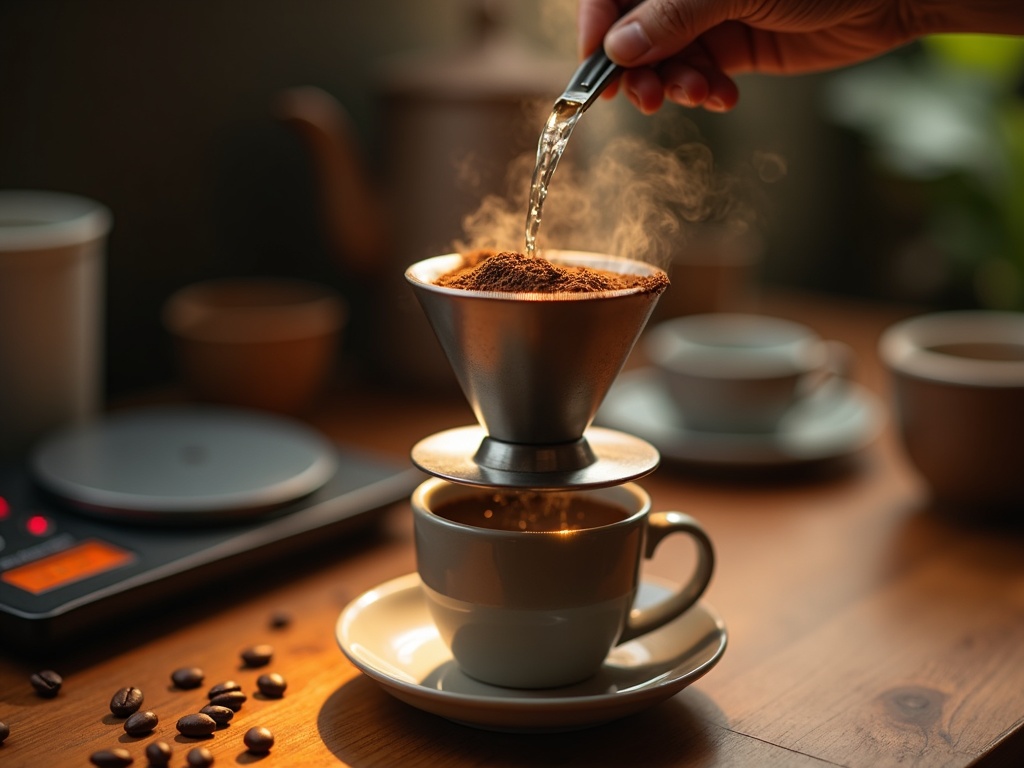
Place the metal press disc gently on top of the coffee grounds without applying pressure initially. I recommend starting with the press sitting loosely to allow proper blooming. Pour approximately 30 grams of water (about 1 ounce) slowly over the grounds in a circular motion, ensuring even saturation.
This blooming phase activates several important processes:
- Releases trapped CO2 from freshly roasted beans
- Allows grounds to expand and create proper extraction channels
- Prepares the coffee bed for even water distribution
- Begins the initial flavor extraction process
Wait 30–60 seconds during this bloom period – you’ll notice the coffee grounds puffing slightly as they release gases. Fresh coffee will bloom more dramatically than older beans. After this waiting period, gently press down on the metal disc to create light compression on the coffee bed.
Your filter is now properly prepared for the main brewing pour. The preheating and blooming steps set the foundation for excellent extraction, whether you’re making traditional Vietnamese coffee or experimenting with different techniques. Proper preparation during these initial stages directly impacts the final cup’s flavor profile and strength.
How to Use Vietnam Coffee Filter Step by Step for a Classic Hot Cup
I start by placing the base plate directly on my cup, ensuring it sits securely at the rim. Next, I set the brewing chamber on top of the base plate, creating a stable foundation for the entire brewing process.
The Complete Brewing Process
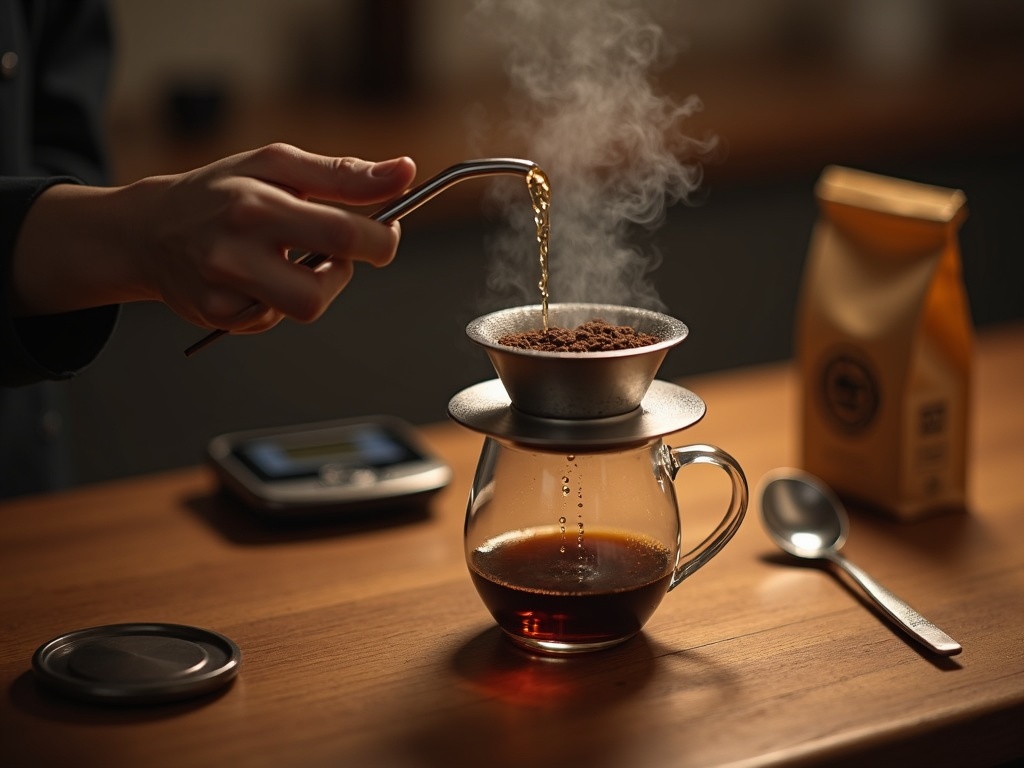
I measure out 14–16 grams of coffee grounds and pour them into the chamber. Using a gentle tapping motion, I level the coffee bed to ensure even water distribution. I then position the press plate on top of the grounds with just light pressure – this initial placement shouldn’t compress the coffee too firmly.
The blooming phase begins when I pour approximately 30 grams of hot water over the grounds. I watch as the coffee swells and releases trapped gases during this 30–60 second period. This step proves crucial for extracting the full flavor potential from the beans.
After blooming completes, I continue pouring hot water until I reach a total of 100–120 grams. I place the lid on top immediately to trap heat and maintain optimal brewing temperature throughout the process.
During extraction, I monitor the drip rate carefully. The coffee should drip steadily at about 1–3 drops per second – this consistent rhythm indicates proper extraction is occurring. I aim for a total brewing time of 4–5 minutes to achieve a well-balanced cup that captures the full spectrum of flavors.
Once brewing completes, I give the coffee a gentle stir to ensure even distribution of flavors. I can enjoy it black to appreciate the pure coffee taste, or add sweetener according to my preference. Learning how to use Vietnam coffee filter at home becomes intuitive with practice.
Fine-tuning the extraction requires attention to timing:
- If my coffee finishes brewing in under 3 minutes, I need to slow down the process by either tightening the press plate slightly or grinding my coffee finer.
- Conversely, if brewing extends past 6 minutes, I should loosen the press plate or use a coarser grind to increase flow rate.
The beauty of this brewing method lies in its simplicity and control. Each variable I adjust – from grind size to press pressure – directly impacts the final cup quality. Temperature consistency remains vital throughout brewing, which is why keeping the lid on helps maintain heat during the slower extraction process.
Different coffee origins respond uniquely to this brewing style. Vietnamese coffee beans, with their traditional medium-dark roast, work exceptionally well with this filter design. However, I’ve found that other origins can produce excellent results when I adjust grind size and timing accordingly.
Mastering the Vietnam coffee filter for rich taste involves understanding how each step contributes to extraction. The controlled drip rate allows for extended contact time between water and grounds, resulting in a full-bodied cup with intense flavor characteristics.
Water quality significantly affects the final result. I use water heated to 195–205°F for optimal extraction without over-extracting bitter compounds. The slow drip process naturally regulates temperature, preventing the harsh flavors that can result from overly hot brewing methods.
Practice builds confidence with this brewing technique. Each session teaches me more about how slight adjustments influence taste, aroma, and body. The forgiving nature of this filter makes it accessible for beginners while offering enough control for experienced coffee enthusiasts to perfect their craft.
Storage of the filter components requires simple care:
- Rinse each piece with hot water after use.
- Allow them to air dry completely.
This maintenance routine ensures my filter continues producing consistent results cup after cup.
Iced Vietnamese Coffee and Easy Adjustments
I find iced Vietnamese coffee to be one of the most refreshing ways to enjoy phin-brewed coffee, especially during hot weather. The traditional method starts with brewing strong coffee directly from your Vietnam coffee filter and combining it with ice for a perfect cool-down drink.
Creating the Perfect Iced Coffee Base
Setting up your iced Vietnamese coffee begins with proper preparation of your glass. I always start by adding 1-2 tablespoons of condensed milk directly into the bottom of my serving glass if I want the traditional sweet version. This creates the foundation for that signature creamy texture that makes Vietnamese iced coffee so distinctive.
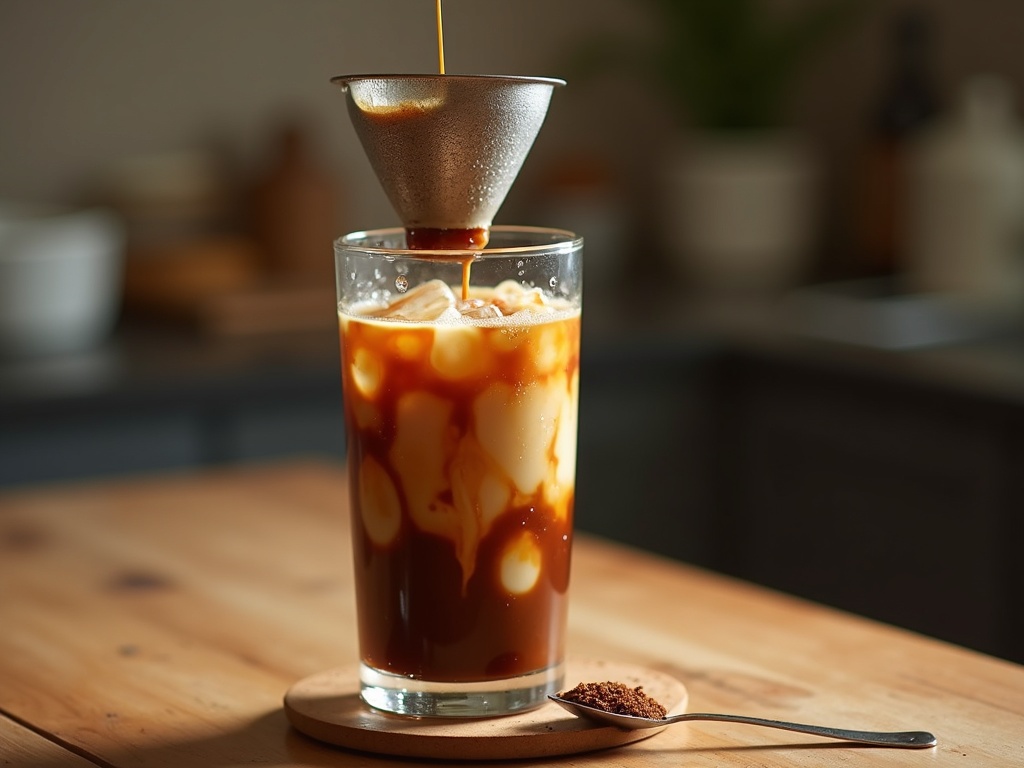
Position your phin filter directly over the glass and brew as you normally would. The hot coffee will mix naturally with the condensed milk as it drips, creating beautiful swirls of caramel-colored liquid. Once the brewing process completes, I stir the mixture thoroughly until it becomes completely smooth and uniform in color.
Adding ice comes next, and you have two effective approaches:
- Pour the hot coffee mixture over a full glass of fresh ice, which cools it rapidly.
- Add ice cubes after stirring the coffee and condensed milk together to better control the final temperature and dilution.
The beauty of Vietnamese iced coffee lies in how easily you can customize it to match your taste preferences:
Flavor and Sweetness Adjustments
If your first sip reveals coffee that’s too strong for your liking, simply:
- Add more ice cubes to dilute the intensity.
- Pour in a small splash of cold water.
This adjustment softens the bold flavor without compromising the essential character of the drink.
Sweetness adjustments prove just as straightforward. When you find your Vietnamese coffee with condensed milk tastes too sweet, reduce the condensed milk by half a tablespoon in your next preparation. This small change can make a significant difference in achieving your ideal balance.
Mastering Strength and Flavor Balance
I’ve discovered that the strength of your initial brew affects everything else about your iced coffee. A properly strong phin extraction holds up beautifully against ice dilution while maintaining its rich flavor profile.
If you’re new to making Vietnamese iced coffee, start with these standard measurements and adjust from there based on your personal taste preferences.
Cleaning and Storage for Long-Term Use
I always discard the coffee grounds immediately after brewing to prevent them from sticking to the metal surfaces and creating stubborn residue. This simple step makes the cleaning process much easier and prevents bitter flavors from contaminating future brews when I use my Vietnamese filter again.
Proper Cleaning Technique
Rinsing all parts with hot water removes the coffee oils that can accumulate and turn rancid over time. I disassemble the phin completely, separating the brewing chamber, filter plate, and top press plate. Hot water works better than cold because it dissolves oils more effectively and sanitizes the metal surfaces. I avoid using soap since it can leave residues that affect the coffee’s taste, but a gentle dish soap works fine if the filter has been neglected for too long.
Drying and Storage Best Practices
Full drying prevents odor buildup and potential rust formation on the metal components. I place each piece on a clean kitchen towel and let them air dry completely before reassembling. Even small amounts of moisture trapped between parts can create musty smells that will ruin future coffee sessions.
For storage, I keep my phin in a dry cabinet or drawer where it won’t get knocked around. Some coffee enthusiasts store their filters in cloth bags to protect the finish, but a clean, dry location works just fine. I stack the components in their original configuration to prevent the small filter plate from getting lost.
A well-cared-for phin can last for years without any degradation in performance. The stainless steel construction handles daily use exceptionally well, and I’ve seen filters from the 1970s still producing excellent coffee. Regular maintenance takes less than two minutes after each use, making it a small investment for decades of reliable service.
Temperature changes don’t affect the metal components, so storing the phin in different locations throughout the year won’t cause damage. I sometimes keep mine near my coffee supplies for convenience, but away from direct heat sources like stoves or sunny windowsills that could cause uneven expansion of the metal parts.

