
No products in the cart.
Beverages News, Energy Drinks
Is There Alcohol In Sting Energy Drink Truth Revealed

30
Dec
Dec
Sting Energy Drink contains zero alcohol, drawing its powerful energizing effects from a carefully crafted blend of caffeine, sugar, taurine, and B-vitamins rather than any alcoholic content.
Table of Contents
Key Takeaways
- Sting Energy Drink is completely alcohol-free and gets its energizing effects from caffeine (70-75mg per 250ml), sugar (26-35g), taurine, and B-vitamins.
- Regulatory bodies worldwide classify Sting as a non-alcoholic carbonated beverage, with halal certification in Muslim-majority countries providing additional confirmation of its alcohol-free status.
- The “buzz” people experience comes from caffeine’s stimulant effects on the nervous system, not from alcohol, as caffeine increases alertness while alcohol acts as a depressant.
- Health considerations include high sugar and caffeine content that can exceed daily recommended limits in a single can, making responsible consumption important especially for children, pregnant women, and those with heart conditions.
- Consumer confusion often arises from aggressive marketing aesthetics that mirror alcoholic beverages and the drink’s association with nightlife culture, despite containing no actual alcohol.
Alcohol-Free Composition
Sting Energy Drink operates as a completely alcohol-free beverage that derives its energizing punch from a scientific blend of stimulants and nutrients. The formulation relies entirely on caffeine, sugar, taurine, and essential B-vitamins to deliver its characteristic energy boost.
Clarifying Misconceptions
The confusion surrounding Sting’s alcohol content primarily originates from its powerful stimulating effects and bold marketing approach. Many consumers mistake the intense energy rush for an alcoholic effect, but this sensation comes entirely from caffeine’s impact on the central nervous system. Caffeine blocks adenosine receptors in the brain, preventing drowsiness and creating heightened alertness.
Regulatory Classifications and Certifications
Regulatory authorities across multiple countries classify Sting as a standard carbonated soft drink without any alcoholic content. This classification carries legal weight and requires strict adherence to non-alcoholic beverage standards. Furthermore, halal certification bodies in Muslim-majority nations have thoroughly examined Sting’s ingredients and production processes, confirming its alcohol-free status through rigorous testing protocols.
Key Ingredients and Energy Effects
The drink’s formulation centers on four primary active ingredients:
- Caffeine: 70–75mg per 250ml can, placing it in the moderate caffeine category compared to coffee.
- Sugar: 26–35g per serving, offering immediate energy via glucose metabolism.
- Taurine: An amino acid that supports physiological functions including cardiovascular health.
- B-Vitamins: Especially B3, B6, and B12, which assist in energy metabolism and nervous system function.
Comparing Caffeine and Alcohol
It’s important to understand that the “buzz” effect from Sting differs fundamentally from that of alcohol consumption. Caffeine acts as a central nervous system stimulant, increasing dopamine and norepinephrine levels to enhance focus and alertness. Alcohol, conversely, functions as a depressant that slows neural activity and impairs cognitive function.
Health Considerations
Health aspects should be considered when consuming Sting regularly. The sugar content can quickly approach or exceed daily recommended limits, which can be particularly concerning for individuals managing blood glucose levels. Caffeine sensitivity varies, with some experiencing jitters, anxiety, or sleep disruption even from moderate amounts.
Children, pregnant women, and individuals with cardiovascular conditions should exercise particular caution when consuming energy drinks. It’s advisable to consult healthcare providers before regular intake if you fall into these categories.
Marketing Aesthetics vs. Contents
Marketing aesthetics contribute significantly to consumer confusion regarding Sting’s alcohol content. The brand employs bold, edgy graphics, dark packaging, and associations with nightlife culture—common strategies used in alcohol marketing. Despite these visuals, the product contains no alcohol.
Production Standards and International Compliance
Production facilities maintain strict quality controls to prevent alcohol contamination. Processes such as industrial cleaning, ingredient sourcing, and product testing ensure zero alcohol is present throughout the production cycle.
International distribution of Sting must comply with diverse food safety regulations. Nations with strict alcohol control laws—including many in the Middle East—permit its sale without the licensing or age restrictions typically associated with alcoholic products.
Consumer Awareness and Education
Consumer education is key in debunking myths surrounding energy drinks and alcohol. Reading ingredient labels and understanding formulation science helps consumers make informed choices. Drinks like Sting draw their effects from caffeine and nutrients, not alcohol, despite any appearances or perceived effects.
Conclusion
Sting Energy Drink remains a potent, alcohol-free energy drink that delivers its stimulating effects through scientifically-supported ingredients. It is suitable for those seeking energy enhancements without alcohol, provided it is consumed responsibly and in moderation.
Sting Energy Drink: What’s Really Inside
I can confirm that Sting Energy Drink contains no alcohol whatsoever. This carbonated energy drink delivers its powerful kick through a carefully crafted blend of stimulants and nutrients, not ethyl alcohol. When you examine Sting energy drink ingredients, you’ll find a straightforward list of components designed to boost energy and mental alertness.
Core Ingredients That Power Sting
The energy formula relies on several key components that work together to provide that signature boost. These ingredients include:
- Carbonated water as the base
- Sugar for quick energy release
- Caffeine to stimulate the nervous system
- Taurine, an amino acid that supports energy metabolism
- B-vitamins for energy conversion
- Inositol for cellular function support
- Acidity regulators like citric acid and sodium citrate
- Preservatives such as sodium benzoate and potassium sorbate
- Artificial flavors and colors for taste and appearance
- Sodium hexametaphosphate as a sequestering agent
Caffeine stands out as the primary active ingredient responsible for the alertness boost. Combined with sugar, these two components create the immediate energy surge that makes Sting popular among consumers. The high sugar content rapidly elevates blood glucose levels, while caffeine stimulates the central nervous system.
I’ve found that many people mistake the intense energy rush for an alcoholic effect, but this sensation comes purely from the caffeine and sugar combination. The drink’s formula doesn’t include ethyl alcohol in any form. Instead, taurine and B-vitamins support the body’s natural energy production processes.
PepsiCo produces and distributes Sting in markets like India and Pakistan under strict beverage industry regulations. Regulatory bodies classify it as a carbonated soft drink or energy drink, never as an alcoholic beverage. This classification requires transparent ingredient labeling, which consistently shows no alcohol content.
The “buzz” people experience after drinking Sting results from legitimate physiological responses to its ingredients. Caffeine blocks adenosine receptors in the brain, reducing feelings of fatigue. Meanwhile, sugar provides immediate fuel for brain function. This combination creates heightened alertness and energy without any intoxicating effects.
I notice that some consumers confuse energy drinks with alcoholic energy beverages, but these are entirely different product categories. Sting energy drink contains zero alcohol and functions as a stimulant beverage rather than a depressant like alcoholic drinks.
Taurine, another significant ingredient, occurs naturally in the human body and supports various metabolic functions. Research shows it may help regulate electrolyte balance and support cardiovascular health. B-vitamins, particularly B3, B6, and B12, play crucial roles in converting food into usable energy.
The drink’s effectiveness comes from this synergistic blend of ingredients working together:
- Sugar provides immediate energy
- Caffeine enhances focus and alertness
- Vitamins and amino acids support sustained energy production
This scientific approach to energy enhancement eliminates any need for alcohol-based stimulation.
Quality control measures ensure consistent formulation across production batches. Manufacturing standards require precise measurement of each ingredient, maintaining the same energy-boosting profile without introducing unwanted substances like alcohol.
Understanding these ingredients helps consumers make informed choices about their energy drink consumption. Sting energy drink boosts come from proven, scientifically-backed components rather than any alcoholic content.
The Science Behind the Energy Boost: Caffeine, Sugar, and B-Vitamins
I can confirm that Sting’s energizing effects come from three key components: caffeine, sugar, and B-vitamins, not from any alcohol content. These ingredients work together to create the noticeable energy boost that makes this beverage popular among consumers looking for a quick pick-me-up.
How Each Ingredient Contributes to Energy
Caffeine serves as the primary stimulant in Sting energy drink ingredients, acting as a central nervous system activator that increases alertness and temporarily reduces feelings of fatigue. Sugar provides your body with simple carbohydrates that create a rapid but short-lived energy spike, giving you that immediate boost you feel after consuming the drink. B-vitamins including niacin, pantothenic acid, B6, and B12 support normal energy metabolism by helping your body convert food into usable energy more efficiently.
A standard 250 ml can of Sting typically contains around 70–75 mg of caffeine, though exact amounts can vary depending on the flavor and the country where it’s manufactured. The same sized can usually contains roughly 26–35 grams of sugar, with variations based on regional formulation preferences.
Comparing Caffeine Content Across Beverages
To put Sting’s caffeine content in perspective:
- Approximately 250 ml of brewed coffee contains around 95 mg of caffeine.
- A 250 ml can of many energy drinks like Red Bull contains about 80 mg of caffeine.
This makes Sting’s caffeine content slightly lower than some competitors but still substantial enough to provide noticeable effects.
The fundamental difference between caffeine and alcohol explains why there’s no alcohol in Sting energy drink. Caffeine functions as a stimulant that speeds up your central nervous system, increasing heart rate and alertness. Alcohol operates as a depressant that slows down the central nervous system, creating completely opposite effects. This distinction makes it clear why energy drink manufacturers rely on caffeine rather than alcohol to deliver the energizing experience consumers expect.
The combination of these scientifically-backed ingredients creates energy drink boosts your day instantly, making Sting an effective choice for those needing enhanced focus or energy without any intoxicating effects. Understanding how these components work helps explain why energy drinks have become such a popular alternative to traditional caffeinated beverages.
Why People Confuse Sting with Alcoholic Beverages
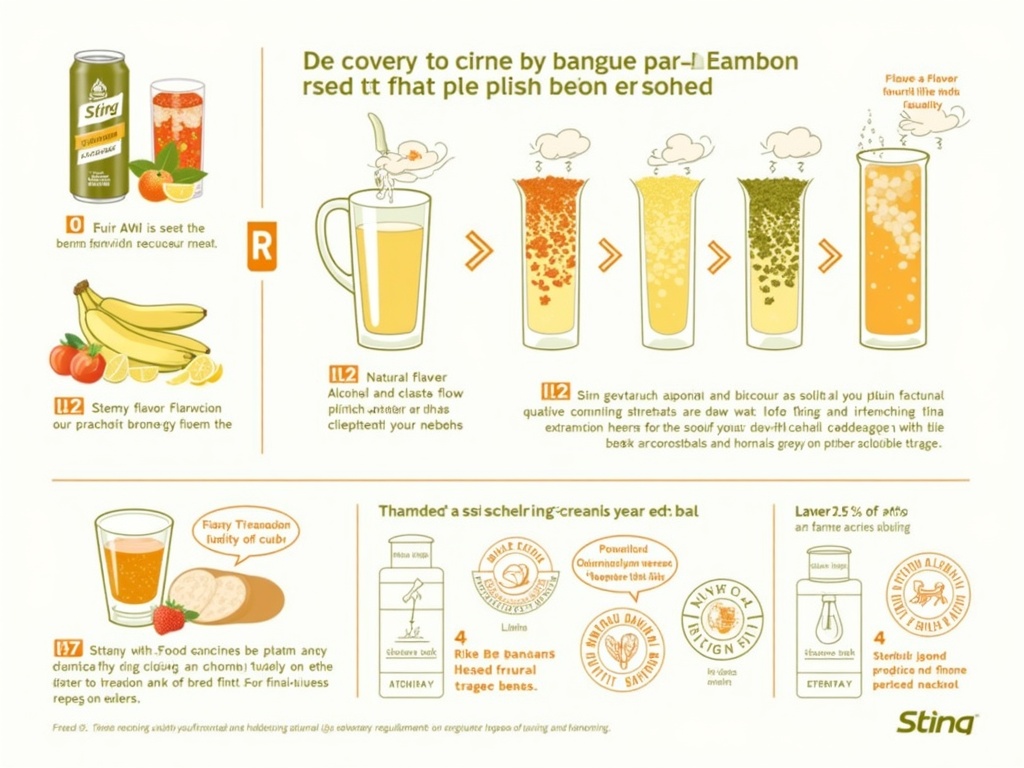
Consumer confusion about alcohol in Sting energy drink stems from several misunderstandings about ingredients and manufacturing processes. Many people misinterpret labels that list “natural flavors” and assume these components automatically indicate alcohol presence. This confusion grows when consumers don’t understand how flavor extraction works or the basic principles of fermentation.
Understanding Natural Flavor Extraction
Natural flavors sometimes undergo extraction processes using alcohol as a solvent, which leads to misconceptions about the final product’s alcohol content. However, manufacturers control these amounts strictly, ensuring the finished beverage contains only negligible traces. Sting’s ingredients undergo careful processing to maintain non-alcoholic status throughout production.
Most people don’t realize that everyday foods naturally contain tiny amounts of alcohol through fermentation. Fruit juice, bread, and ripe fruit all develop small alcohol concentrations as natural processes occur. A ripe banana can contain up to 0.3–0.4% alcohol from natural fermentation, yet nobody considers bananas alcoholic food items.
Regulatory Standards and Manufacturing Controls
Legal definitions help clarify the distinction between alcoholic and non-alcoholic beverages. Most jurisdictions require beverages to contain less than 0.5% alcohol by volume (ABV) to earn non-alcoholic labeling. Sting Energy Drink maintains 0.0% ABV status, staying well below this regulatory threshold.
Production facilities maintain strict controls to prevent unintended fermentation that might create alcohol. These controlled environments ensure consistent quality and maintain the beverage’s non-alcoholic classification. Temperature control, sterile processing equipment, and quality testing protocols all work together to eliminate any possibility of alcohol development during manufacturing.
I find that consumer education about these processes reduces confusion significantly. Understanding the difference between trace extraction residues and actual alcoholic content helps clarify why Sting remains completely alcohol-free despite containing natural flavors that may have undergone alcohol-based extraction methods during processing.
Global Regulations and Halal Certification
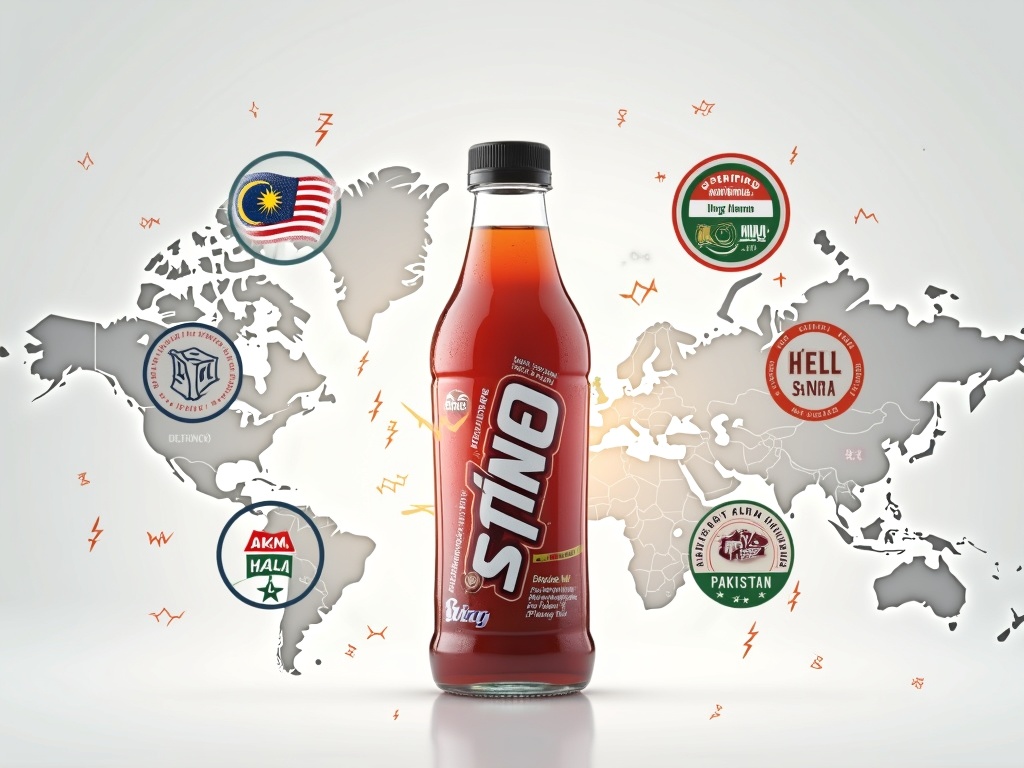
I’ve examined Sting’s regulatory status across different markets, and the evidence consistently points to its classification as a non-alcoholic beverage. In every country where Sting is sold, local food and beverage authorities categorize it as a non-alcoholic caffeinated drink rather than an alcoholic product. This classification carries significant regulatory implications and provides strong evidence about Sting energy drink ingredients.
Halal Certification Requirements
The presence of Sting in Muslim-majority markets offers particularly compelling evidence about its alcohol content. Countries like Malaysia, Indonesia, and Pakistan maintain strict standards for beverages, especially those seeking halal certification. Products containing meaningful alcohol levels simply wouldn’t be acceptable to consumers or regulators in these markets.
Halal certification bodies apply rigorous standards when evaluating beverages. JAKIM in Malaysia, for example, enforces strict rules against any intentionally added intoxicants, including alcohol. For a beverage to receive halal certification, it must meet these specific criteria:
- Complete absence of haram (forbidden) ingredients
- No intoxicating levels of alcohol
- Manufacturing processes that comply with Islamic dietary laws
- Ingredient sourcing that meets halal standards
Market Evidence and Regulatory Consistency
When Sting displays a recognized halal logo, this serves as strong confirmation that certification bodies have thoroughly examined its formulation and manufacturing process. These organizations don’t grant certification lightly—they conduct detailed ingredient analysis and facility inspections to ensure compliance with Islamic dietary laws.
The consistent classification of Sting as a non-alcoholic drink across diverse global markets reinforces this conclusion. Regulatory agencies in different countries operate independently, yet they all reach the same determination about Sting’s alcohol content. This regulatory consensus across multiple jurisdictions provides reliable evidence that there is no alcohol in Sting energy drink in any meaningful amount.
Food and beverage regulations vary significantly between countries, but alcohol classification standards remain remarkably consistent. If Sting contained alcohol above trace levels typically found in many processed foods and beverages, it would face different labeling requirements, age restrictions, and taxation in multiple markets. The fact that it’s sold alongside other soft drinks without special handling requirements further supports its non-alcoholic status.
This regulatory framework provides consumers with confidence about Sting’s composition. The combination of halal certification in Muslim-majority countries and consistent non-alcoholic classification globally creates a comprehensive regulatory picture that confirms Sting energy drink boosts energy through caffeine and other permitted ingredients rather than alcohol.
Health Considerations and Responsible Consumption
Even though Sting is non-alcoholic, I can’t stress enough how important it is to consume this beverage responsibly. The high sugar and caffeine content demand careful consideration before you crack open a can.
Sugar Intake Limits
The American Heart Association provides clear guidelines that should guide your consumption choices:
- Men should limit daily added sugar to about 36 grams
- Women should cap their intake at approximately 25 grams per day
- Adolescents fall closer to the women’s recommended limit
A single 250 ml can of Sting can meet or exceed these daily limits, particularly concerning for women and teenagers. Many individuals consume these drinks unaware that they’re hitting their entire day’s sugar allowance in one sitting. This makes it crucial to read labels and understand exactly what you’re putting into your body.
Health authorities generally recommend a maximum of about 400 mg of caffeine per day for healthy adults. When you consider that Sting’s ingredients include significant caffeine content, drinking multiple cans throughout the day can push your intake dangerously close to that upper limit. This becomes especially problematic when you factor in other caffeine sources like your morning coffee or afternoon tea.
I always advise my clients to track their total caffeine consumption, not just from energy drinks. Your body doesn’t distinguish between caffeine from Sting and caffeine from your espresso — it all adds up. Exceeding these limits can lead to jitters, anxiety, sleep disruption, and in severe cases, more serious health complications.
Certain groups should avoid Sting entirely:
- Children lack the metabolic capacity to process high levels of caffeine and sugar safely.
- Pregnant or breastfeeding women face risks, as caffeine crosses the placental barrier and enters breast milk.
- People with heart conditions or blood pressure issues can experience dangerous complications from the stimulant effects.
If you’re sensitive to caffeine, even small amounts found in energy drinks like Sting can trigger uncomfortable symptoms. I recommend starting with half a can to assess your tolerance if you’re unsure about your sensitivity level.
Like many energy drinks, Sting works best as an occasional functional beverage rather than a daily hydration choice. I see too many people reaching for energy drinks when they’re simply dehydrated or tired from poor sleep habits. Water remains your best option for regular hydration, with energy drinks reserved for specific situations where you genuinely need that extra boost.
The key lies in understanding your personal limits and health status. If you choose to consume Sting, do so strategically — perhaps before a workout or during a particularly demanding day. Don’t let it become a crutch for poor lifestyle habits like inadequate sleep or nutrition.
Consider timing as well. Consuming Sting late in the day can interfere with your sleep cycle, creating a vicious cycle where you need more stimulants the next day to combat fatigue. I typically recommend cutting off caffeine intake at least six hours before bedtime.
Pay attention to how your body responds after consumption. Some people metabolize caffeine faster than others, meaning the effects vary significantly between individuals. If you experience heart palpitations, excessive nervousness, or digestive issues, these are clear signals to reduce or eliminate your intake.
Remember that energy drink comparisons often focus on taste or immediate effects rather than long-term health implications. Your health should always take priority over convenience or temporary energy boosts.
Common Misconceptions About Energy Drinks and Alcohol
Energy drinks frequently get tangled up with alcohol in people’s minds, creating widespread confusion about what’s actually in these beverages. I see this misconception everywhere, from casual conversations to online forums where people debate whether Sting contains alcohol. The association stems largely from nightlife culture, where these drinks appear alongside alcoholic beverages in clubs and bars.
The Real Source of the Energy Drink “Buzz”
That intense rush you feel after drinking an energy drink doesn’t come from alcohol. Instead, stimulants like caffeine create this sensation, delivering a powerful jolt to your system. Sting’s ingredient profile shows exactly what produces this effect — high caffeine content combined with sugar and other stimulants.
Many people describe feeling “buzzed” after consuming energy drinks, which reinforces the alcohol connection in their minds. However, this sensation results from caffeine’s impact on your nervous system, not ethanol’s intoxicating properties. The tingling feeling some experience comes from the rapid absorption of caffeine and sugar, creating a quick energy spike that can feel similar to alcohol’s initial effects.
Dangerous Mixing Practices and Marketing Confusion
The real danger emerges when people combine energy drinks with alcohol, creating potentially hazardous cocktails. This practice has become so common that many assume energy drinks must contain alcohol themselves. Caffeine masks alcohol’s sedative effects, making you feel more alert than you actually are while remaining just as intoxicated.
Several factors contribute to this ongoing confusion:
- Edgy packaging designs that mirror alcoholic beverage aesthetics
- Bold marketing campaigns targeting similar demographics as alcohol brands
- Intense flavors that seem “adult” or sophisticated
- Placement in stores near alcoholic beverages
- Association with party culture and nightlife venues
These marketing elements deliberately blur the lines between energy drinks and alcoholic products, creating an atmosphere where consumers might assume alcohol content exists where it doesn’t.
Energy drink manufacturers often embrace this rebellious image, using packaging that resembles beer cans or liquor bottles. The intense flavors and aggressive branding make these products feel more adult-oriented, reinforcing the mistaken connection to alcohol in many people’s minds.
Current energy drink trends show this marketing approach continuing across the industry. Brands compete for attention using increasingly bold designs and flavors that push boundaries while remaining non-alcoholic.
When you pick up a can of Sting or similar energy drinks from retail shelves, you’re getting a completely alcohol-free product. The stimulating effects come entirely from legal stimulants like caffeine, taurine, and sugar. Sting’s energy-boosting properties work through these proven ingredients, not through any alcoholic content.
Responsible consumption remains important even without alcohol present. High caffeine levels can cause jitters, sleep disruption, or heart palpitations in sensitive individuals. I recommend checking caffeine tolerance before consuming multiple servings, especially if you’re sensitive to stimulants.
Comparing different energy drinks reveals similar ingredient profiles across brands, with variations in caffeine amounts and additional stimulants but no alcohol content in standard retail versions.
The misconception persists partly because energy drinks deliver such a noticeable physiological response. That immediate alertness and increased heart rate can feel intense enough to seem like intoxication, especially for first-time users. Understanding that this reaction comes from caffeine and sugar helps clarify why these products don’t actually contain alcohol while still producing such powerful effects.
Sources:
PepsiCo and local Sting brand pages for ingredient and nutrition details
U.S. FDA and other national regulations on non-alcoholic beverage classification
American Heart Association guidelines on added sugar intake
Dietary and cardiovascular health guidance on caffeine intake
Halal certification bodies such as JAKIM and other national halal authorities

