
No products in the cart.
Beverages News, Energy Drinks, Red Bull Energy Drink
What Is Red Bull Energy Drink Made Of? Nutrition Facts
28
Dec
Dec
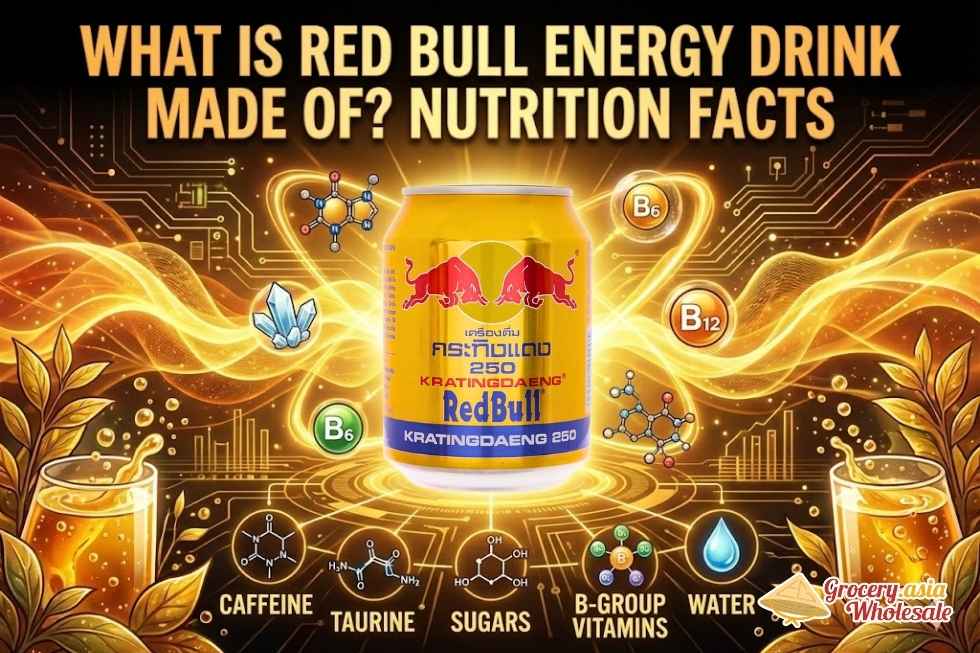
Red Bull energy drink offers a combination of caffeine, taurine, B-vitamins, and sugars to provide a quick energy boost and improved mental focus, making it popular among students, athletes, and professionals worldwide.
Table of Contents
Key Takeaways
- Energy formula: Each 8.4 fl oz can of Red Bull delivers 80 mg of synthetic caffeine, 1000 mg of taurine, and a mix of B-vitamins (niacin, pantothenic acid, B6, and B12) designed to enhance energy levels and concentration.
- Caloric impact: A single can contains 27 grams of sugar and 110 calories, which would require roughly 31 minutes of walking or 13 minutes of jogging to burn off.
- Hydration support: Red Bull includes key electrolytes such as 100 mg of sodium, magnesium carbonate, and calcium, helping to support hydration and muscle performance during exercise.
- Sugar-free options: Options like Red Bull Zero and Red Bull Sugarfree offer the same functional benefits by replacing sugar with artificial sweeteners including acesulfame K, aspartame, or sucralose.
- Flavor variations: The brand’s various editions use additives like Blue 1 food dye and emulsifiers, while consistently delivering the signature energy-enhancing effect across all flavors.
To explore more about the ingredients and nutritional details, you can visit the official Red Bull website.
Red Bull’s Core Functional Ingredients: Caffeine, Taurine, and B-Vitamins
I find Red Bull’s formulation centers around three primary functional ingredients that work together to create its signature energy-boosting effect. Each 8.4 fl oz can delivers 80 mg of caffeine, which serves as the main driver for increased alertness and improved focus. This caffeine content comes from synthetic sources rather than natural extracts, providing consistent potency across every can.
Taurine represents the second major functional component, with each standard can containing 1000 mg of this naturally occurring amino acid. I’ve observed that taurine plays a crucial role in supporting antioxidant activity within the body while facilitating mineral transport across cell membranes. Many people mistakenly believe taurine comes from bull sources, but Red Bull actually uses synthetically produced taurine that’s identical to what your body naturally produces.
The B-vitamin complex rounds out the core functional ingredients, supporting energy metabolism at the cellular level. Each can includes:
- Niacinamide (vitamin B3)
- Pantothenic acid (vitamin B5)
- Pyridoxine HCl (vitamin B6)
- Vitamin B12
These water-soluble vitamins help convert nutrients into usable energy, though I should note that excess amounts get excreted through urine rather than stored in your body.
Dosage Variations Between Can Sizes
The vitamin concentrations change dramatically when you move to larger can sizes. While the standard 8.4 fl oz can provides moderate B-vitamin levels, the 20 fl oz versions significantly amplify these percentages. I’ve found that large cans can deliver:
- Up to 590% of the daily value for vitamin B6
- And 200% of the daily value for vitamin B12
These elevated levels far exceed typical daily requirements, though the water-soluble nature of B vitamins means your body will eliminate excess amounts.
Red Bull builds its formula on a carbonated water base, which creates the drink’s characteristic fizz while serving as the delivery system for all active ingredients. The synthetic caffeine used ensures consistency across production batches, unlike natural caffeine sources that can vary in potency. I appreciate that this approach provides predictable effects for consumers who rely on specific energy levels.
The taurine content remains constant across different can sizes, maintaining the 1000 mg dosage that research suggests provides optimal benefits for most adults. This amino acid works synergistically with caffeine to support sustained energy without the crash often associated with simple sugar-based energy products. Understanding these ingredient details helps you make informed decisions about your energy drink consumption.
Each ingredient serves a specific purpose in Red Bull’s formulation:
- Caffeine provides immediate stimulation to your central nervous system.
- Taurine supports longer-term cellular function.
- B-vitamins ensure your body can efficiently process energy suppliers.
This multi-layered approach to energy enhancement explains why Red Bull produces different effects compared to simple caffeine pills or coffee, as the ingredients work together rather than independently.
The precise ratios of these functional ingredients have remained largely unchanged since Red Bull’s original formulation, suggesting the company has confidence in the synergistic effects of this particular combination. When you consume Red Bull, you’re getting a carefully balanced blend designed to deliver both immediate and sustained energy benefits through multiple biological pathways.
Sugar Content and Caloric Impact Across Different Can Sizes
Red Bull’s classic formula delivers varying amounts of sugar and calories depending on the can size you choose. Below is a detailed breakdown to help you make informed decisions about your energy drink consumption.
Sugar and Calorie Breakdown by Can Size
The sugar content scales directly with can size across Red Bull’s product line:
- 8.4 fl oz can: 27 grams of sugar, 110 calories
- 12 fl oz can: 37 grams of sugar, 160 calories
- 20 fl oz can: Estimated 270 calories (sugar follows similar proportional increase)
Red Bull sources its sweetness from a combination of sucrose and glucose, often derived from sugar beets depending on your geographic region. This dual-sugar approach provides both immediate and sustained energy release. The 8.4 fl oz serving contains a total of 28 grams of carbohydrates and zero fat, making it a pure carbohydrate energy source.
To put these sugar levels in perspective, Red Bull actually contains less sugar than certain popular sodas. For instance, Dr Pepper contains 40 grams of sugar per 12 oz serving, compared to Red Bull’s 37 grams in the same size.
Physical Activity Required to Burn Red Bull Calories
Understanding how much physical activity you’d need to burn off these calories provides helpful context. For the standard 8.4 fl oz can with 110 calories, the following activities would approximately offset the caloric intake:
- 31 minutes of walking at a moderate pace
- 17 minutes of cycling at a steady rate
- 13 minutes of jogging at a comfortable speed
- 9 minutes of swimming with consistent effort
These values represent averages for a typical adult and may vary depending on your weight, metabolism, and workout intensity. Since swimming uses multiple muscle groups, it’s the most efficient for calorie burning, while walking has the longest duration to achieve the same effect.
It’s important to weigh these energy requirements when choosing your can size. Jumping from 8.4 fl oz to 12 fl oz adds an additional 50 calories and 10 grams of sugar—equating to roughly:
- 14 more minutes of walking
- 8 additional minutes of cycling
The ingredients and nutrition facts indicate that the majority of Red Bull’s calories come directly from sugar, with little fat or protein contributions. This explains why your body experiences a quick energy boost followed by potential blood sugar declines.
Choosing the right can size should be based on your energy demands, physical activity level, and dietary preferences. The 8.4 fl oz can offers a moderate caffeine content for most needs, while minimizing sugar intake. Larger cans can be beneficial for longer workouts or high-energy tasks but require more physical output to metabolize effectively.
Red Bull’s sugar concentration puts it in the moderate range compared to other beverages. However, because the sugar is condensed into a small volume, it is rapidly absorbed, causing quick spikes in insulin and energy levels. For optimal energy use, consider consuming Red Bull before or during physical exertion to help your body utilize the incoming sugars more efficiently rather than storing them as fat.
Electrolyte and Mineral Composition for Hydration Support
Essential Electrolytes Across Different Sizes
I find that understanding Red Bull’s electrolyte content helps explain why many athletes and active individuals choose this energy drink over others. The standard 8.4 fl oz can contains 100 mg of sodium, providing 4% of your daily value. This amount increases proportionally with larger sizes – the 12 fl oz version delivers 150 mg of sodium, while the 20 fl oz can packs up to 240 mg of this crucial electrolyte.
These carefully measured sodium levels aren’t accidental. Red Bull’s ingredients work together to create an optimal hydration formula that supports your body during physical exertion.
The brand incorporates several specialized compounds to achieve proper electrolyte balance:
- Sodium bicarbonate acts as a primary pH buffer, preventing excessive acidity in your system
- Magnesium carbonate contributes to muscle function and energy metabolism
- Trisodium citrate enhances sodium absorption and maintains electrolyte stability
- Citric acid balances the formula’s pH levels while adding to the drink’s characteristic taste
Calcium appears in select formulations, contributing up to 40 mg or 2% of your daily value. This mineral supports bone health and plays a vital role in muscle contractions during exercise.
I’ve noticed that this mineral composition sets Red Bull apart from simple caffeinated beverages. Your body responds to these electrolytes by maintaining better fluid balance at the cellular level. The sodium content specifically helps your cells retain water more effectively than plain water alone.
The pH buffering system proves particularly valuable during intense physical activity. Lactic acid buildup naturally occurs during exercise, potentially leading to muscle fatigue and discomfort. Red Bull’s alkaline minerals help neutralize this acidity, potentially extending your performance capacity.
Trace minerals vary depending on the specific formulation and regional production standards. These additional elements often include potassium compounds and various mineral salts that further enhance the drink’s hydration properties.
I appreciate how the electrolyte ratios mirror those lost through sweat during moderate exercise. The caffeine content might grab attention, but these minerals provide the foundation for sustained energy delivery to your muscles and organs.
The sophisticated mineral blend explains why many people report feeling more hydrated after consuming Red Bull compared to other energy drinks. Your kidneys can process these electrolytes efficiently, supporting optimal fluid retention without causing excessive water retention or bloating.
Professional athletes often choose beverages with similar electrolyte profiles for good reason. The combination of sodium, magnesium, and calcium creates an environment where your muscles can function optimally while maintaining proper hydration status.
Understanding these mineral components helps you make informed decisions about timing your consumption. The benefits extend beyond immediate energy, supporting your body’s natural hydration mechanisms throughout your activity period.
I recommend considering these electrolyte levels when comparing Red Bull to other energy drinks or sports beverages. The careful balance of minerals demonstrates the science behind the formula, explaining why this particular combination has remained popular among both casual consumers and serious athletes for decades.
Sugar-Free Alternatives and Modern Red Bull Variants
I’ve observed significant evolution in Red Bull’s product lineup over the past decade, with the company responding to consumer demands for healthier alternatives while maintaining the core energy-boosting properties. The brand now offers multiple sugar-free options that deliver similar functional benefits without the caloric load of the original formula.
Zero-Sugar Product Range and Artificial Sweetener Systems
Red Bull Sugarfree represents the brand’s primary low-calorie alternative, replacing the traditional 27 grams of sugar with artificial sweeteners. The specific sweetener blend varies by region due to local regulations, typically incorporating acesulfame K, aspartame, or sucralose. I find this regional variation particularly interesting, as it demonstrates how sugar content regulations influence product formulation across different markets.
Red Bull Total Zero, launched in 2012, takes the zero-calorie concept further by eliminating virtually all calories while preserving the functional ingredient profile. This variant maintains the same caffeine content, B-vitamins, and amino acid blend as the original, making it an ideal choice for those monitoring caloric intake without sacrificing energy benefits.
The 2018 introduction of Red Bull Zero marked another significant development in the brand’s portfolio. Unlike Total Zero, this variant focuses specifically on replicating the original flavor profile through advanced sweetener technology. I notice consumers often prefer this version because it more closely mimics the taste experience of traditional Red Bull energy drinks while maintaining zero sugar content.
Red Bull Energy Shot delivers concentrated energy in a compact 2 oz (60 ml) serving, appealing to consumers seeking maximum convenience. This format contains the same active ingredients as the standard can but in a more concentrated form, making it practical for on-the-go consumption. The shot format also allows for precise dosing of caffeine content and other functional ingredients.
Regional formulation differences extend beyond sweetener selection to include caffeine content variations. Local regulations dictate these modifications, with caffeine levels ranging from 40–80 mg per 250 ml depending on the market. European formulations typically contain higher caffeine concentrations compared to certain Asian markets where stricter limits apply. These regulatory adaptations ensure compliance while maintaining the product’s core identity across global markets.
I’ve noticed that artificial sweetener selection often depends on local taste preferences and regulatory approval status:
- Acesulfame K provides heat stability and blends well with other sweeteners
- Aspartame offers a clean taste profile without aftertaste
- Sucralose delivers excellent flavor stability and works particularly well in carbonated beverages
The ingredient composition of these variants maintains consistency in functional components while adjusting sweetening systems. B-vitamins, taurine, and caffeine remain at therapeutic levels across all variants, ensuring that consumers receive the intended energy and cognitive benefits regardless of their chosen formulation.
Manufacturing these alternatives requires sophisticated quality control systems to ensure consistent flavor profiles and functional efficacy. The challenge lies in balancing sweetness intensity, aftertaste management, and maintaining the distinctive Red Bull flavor that consumers expect. Each variant undergoes extensive testing to verify that metabolic effects align with the original product’s performance characteristics.
Consumer acceptance of these alternatives has grown significantly, particularly among health-conscious individuals and those managing diabetes or weight. The availability of multiple zero-sugar options allows Red Bull to serve diverse dietary requirements without compromising on the energy-delivering promise that defines the brand.
Understanding energy mechanisms helps explain why these variants maintain effectiveness despite sugar elimination. The combination of caffeine, B-vitamins, and amino acids continues to support energy metabolism and cognitive function, proving that sugar isn’t essential for the core benefits consumers seek from energy drinks.
Flavor Editions and Specialized Ingredient Additions
Red Bull‘s diverse flavor portfolio extends far beyond the original formula, with each edition containing specialized ingredients that create distinct taste profiles and appearances. The Red, Blue, Yellow, Coconut, Sea Blue, Winter, and Green editions all incorporate natural and artificial flavors alongside citric acid and sodium citrate for precise acidity regulation.
Color-Specific Additives and Emulsifiers
Different editions require unique ingredients to achieve their signature characteristics. Blue edition variants and certain other flavors contain Blue 1 colorant, which provides the vibrant blue hue consumers recognize. Meanwhile, Yellow and Coconut editions include specialized emulsifiers like glycerol esters of wood rosin or sucrose acetate isobutyrate to maintain proper texture and ingredient suspension.
I’ve observed that these emulsifiers serve a critical function in maintaining the drink’s consistency. Without proper emulsification, the Red Bull energy drink ingredients would separate, creating an unpalatable product. The glycerol esters and sucrose acetate isobutyrate ensure that oils, flavors, and water-based components remain properly mixed throughout the beverage’s shelf life.
The Green Edition stands out with its inclusion of ascorbic acid, commonly known as vitamin C. This addition serves dual purposes: it acts as an antioxidant preservative while providing additional nutritional value. The ascorbic acid complements the existing B-vitamin complex found in standard Red Bull formulations.
Buffer systems vary across editions, with some variants relying on sodium bicarbonate and magnesium carbonate instead of the traditional citrate system. These alternative buffers help maintain optimal pH levels while creating slightly different taste characteristics. The bicarbonate and carbonate compounds neutralize excess acidity, ensuring each sip delivers the intended flavor profile.
Manufacturing standards remain consistent across all editions, with every additive receiving FDA approval before inclusion. Each specialized ingredient appears in carefully measured amounts per serving, typically ranging from less than 1% to 3% of the total formula. This precise dosing ensures safety while maximizing flavor impact.
The complexity of these flavor-specific formulations reflects Red Bull’s commitment to creating distinct experiences. Each edition requires careful balance between the caffeine content, sugar levels, and specialized additives. The brand maintains consistent energy delivery across all variants while allowing each flavor to develop its unique character.
Color additives like Blue 1 undergo rigorous testing before approval. The FDA sets strict limits on colorant usage, and Red Bull adheres to these guidelines while achieving the desired visual appeal. Similarly, emulsifiers must meet food safety standards and demonstrate stability under various storage conditions.
Natural flavors in these editions often come from fruit extracts, essential oils, or botanical sources, while artificial flavors provide consistency and cost-effectiveness. The combination creates complex taste profiles that maintain quality batch after batch. Citric acid serves multiple functions beyond acidity regulation – it enhances flavor perception and acts as a natural preservative.
Sodium citrate works synergistically with citric acid to create an effective buffering system. This combination maintains stable pH levels while contributing to the characteristic tangy taste associated with Red Bull products. The citrate system also helps preserve the sugar content integrity over time.
Each specialized ingredient undergoes quality testing before production begins. Suppliers must meet strict purity standards, and ingredients receive inspection upon arrival at manufacturing facilities. This quality control ensures consistent taste and safety across all flavor editions while maintaining the energy-boosting properties consumers expect.
The small amounts of these specialized additives don’t significantly impact the overall nutritional profile. However, they create meaningful differences in taste, appearance, and mouthfeel that distinguish each edition. These careful formulations allow Red Bull to expand its market reach while maintaining brand recognition and quality standards.

What Is Red Bull Energy Drink Made Of: Global Market Context
Red Bull dominates the energy drink industry with an impressive 43% share of the global market as of 2020, establishing itself as the undisputed leader in this rapidly expanding sector. The brand has achieved remarkable commercial success, ranking as the third most valuable soft drink brand globally, positioned behind only Coca-Cola and Pepsi. This positioning demonstrates the significant impact Red Bull has made since its launch.
The numbers tell a compelling story of sustained growth and consumer acceptance. Since Red Bull first entered the market in 1987, the company has sold over 100 billion cans worldwide, marking nearly four decades of consistent market presence. In 2024 alone, Red Bull achieved sales of over 12.6 billion cans, reflecting the brand’s continued momentum and expanding global reach.
Understanding Red Bull energy drink ingredients becomes crucial given this widespread consumption. The drink’s formula contains caffeine, taurine, B-vitamins, sucrose, and alpine water, among other components. Each ingredient serves a specific purpose in delivering the energy boost that millions of consumers seek daily.
Health Considerations and Consumer Awareness
While Red Bull’s market dominance speaks to its popularity, it is important to address the potential health implications of its consumption. Excessive intake can lead to several concerning symptoms including:
- Agitation
- Anxiety
- Insomnia
- Irritability
Users may also experience an elevated heart rate, primarily attributed to the drink’s caffeine content.
The caffeine in Red Bull plays a central role in both its effectiveness and potential side effects. A standard 8.4 fl oz can contains 80mg of caffeine, equivalent to approximately one cup of coffee. However, many consumers don’t realize they’re consuming multiple servings throughout the day, potentially leading to caffeine overload.
Additional concerns arise from the sugar content in Red Bull, which contributes to its energy-boosting properties but may also lead to energy crashes and other metabolic effects. The combination of caffeine, sugar, and other stimulating ingredients can create a powerful effect on the body’s systems.
I recommend that consumers understand exactly what happens in your body after having energy drink to make informed decisions about consumption. The physiological responses can vary significantly between individuals, depending on factors such as body weight, caffeine tolerance, and overall health status.
The success of Red Bull extends beyond simple refreshment into lifestyle marketing and extreme sports sponsorship, creating a brand identity that resonates with younger demographics. This marketing approach has contributed significantly to its market position, making Red Bull synonymous with high-energy activities and peak performance.
For those curious about what is Red Bull energy drink and its benefits, the product offers:
- Temporary increases in alertness
- Enhanced focus
- Improved physical performance
However, these benefits must be weighed against potential risks, particularly for individuals sensitive to caffeine or those with underlying health conditions.
The global energy drink market continues expanding, with Red Bull maintaining its leadership position through consistent product quality and aggressive marketing strategies. Understanding what causes the energy in an energy drink helps consumers make educated choices about when and how much to consume.
Red Bull’s market dominance reflects both effective branding and a product formula that delivers on its promises. However, responsible consumption remains essential, as the very ingredients that make Red Bull effective can also cause adverse effects when consumed excessively. The brand’s continued growth suggests that energy drinks will remain a significant part of the beverage industry, making consumer education about ingredients and effects increasingly important.
Sources:
Red Bull Official Website – Ingredients & Nutrition Facts
Red Bull Global Market Data (2024)
Organicauthority – “Red Bull Ingredients Breakdown”
CalorieKing – Red Bull Nutrition Data
NutritionValue.org – Red Bull Nutritional Profile
FDA CFR Title 21 – Beverage Ingredient Regulations
Wikipedia – Red Bull Overview

