
No products in the cart.
Beverages News, Coffee
How Is Vietnamese Coffee Made Using Robusta Beans

19
Dec
Dec
Vietnamese coffee achieves its distinctive bold character through the exclusive use of Robusta beans, which contain nearly double the caffeine of Arabica varieties and deliver the intense, earthy flavors that define this brewing tradition.
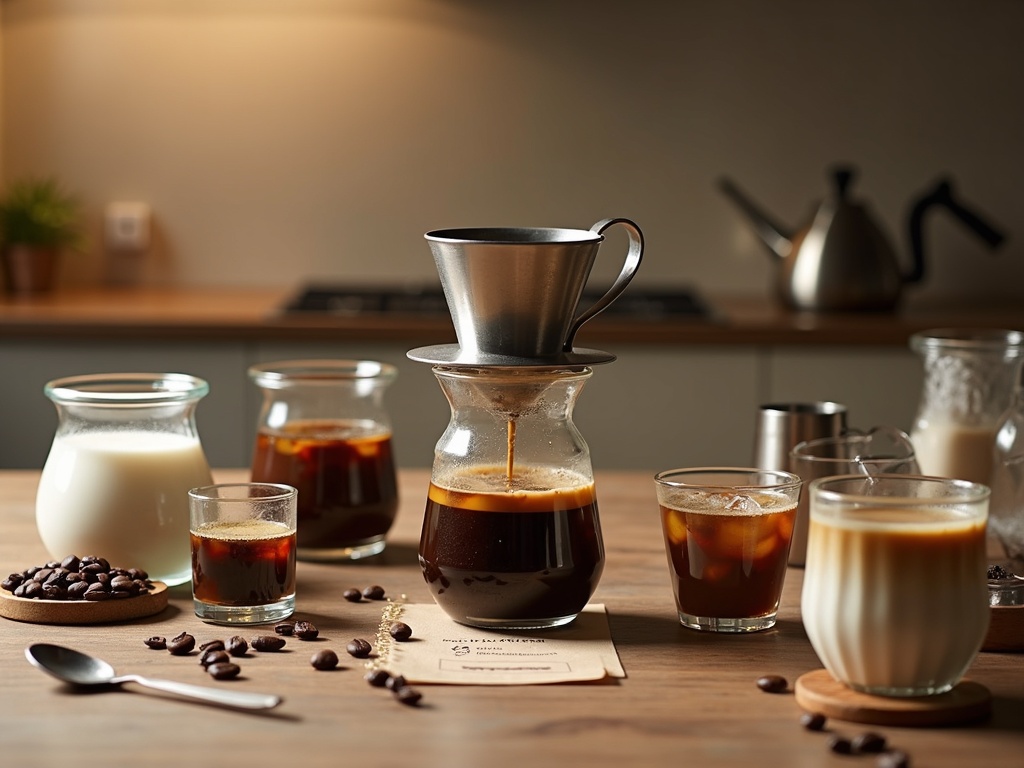
The traditional preparation method relies on a phin filter system that creates a slow-drip extraction process, typically taking 5–10 minutes to produce a concentrated coffee concentrate perfect for mixing with sweetened condensed milk.
Table of Contents
Key Takeaways
- Vietnamese coffee uses 90–95% Robusta beans, which contain 2.2–2.7% caffeine compared to Arabica’s 1.2–1.5%, creating a more stimulating and bitter flavor profile.
- The traditional phin filter consists of four components: brew chamber, perforated filter plate, press, and lid, which enable gravity-fed slow-drip brewing.
- Optimal brewing requires a medium-fine grind size, water temperature of 195–205°F, and a strong coffee-to-water ratio of approximately 1:2 for authentic concentration.
- The complete brewing process takes 5–10 minutes, starting with a 30–60 second blooming phase followed by slow extraction through the metal filter.
- Traditional serving styles include cà phê sữa nóng (hot with condensed milk), cà phê sữa đá (iced with condensed milk), and cà phê đen (black coffee).
The Role of Robusta Beans
Vietnamese coffee stands apart from other coffee traditions through its reliance on Robusta beans, which form the foundation of its bold, intense character. These beans deliver significantly higher caffeine content than their Arabica counterparts, creating the signature bitter-sweet profile that coffee enthusiasts associate with authentic Vietnamese brewing.
Agronomic Advantages
Robusta beans contribute more than just caffeine content. Their natural resistance to pests and diseases makes them ideal for Vietnam’s tropical climate. These beans also produce a fuller body with pronounced earthy and nutty undertones that complement the sweetened condensed milk traditionally served alongside.
Mastering the Phin Filter
The phin filter represents centuries of coffee innovation compressed into a simple four-piece device. This brewing method produces consistently excellent results when its mechanics are understood. The gravity-fed system allows for precise control over extraction time and strength.
- Grind consistency: A medium-fine grind is essential. If too coarse, the results are weak. If too fine, the extraction stalls and can become bitter.
- Water temperature: Maintain between 195–205°F to extract desirable compounds without burning the coffee grounds.
- Blooming phase: Allowing 30–60 seconds for the grounds to release CO2 initiates proper extraction.
- Brewing ratio: A 1:2 coffee-to-water ratio (e.g., 3 tablespoons coffee to 6 tablespoons water) results in a strong, concentrated brew.
Vietnamese Coffee Serving Styles
Vietnamese coffee culture encompasses several distinct serving styles, each offering a unique experience based on the same concentrated brew:
- Cà phê sữa nóng: Hot Vietnamese coffee combined with sweetened condensed milk creates a rich and comforting beverage.
- Cà phê sữa đá: The same mixture poured over ice, offering a refreshing drink great for hot climates.
- Cà phê đen: Served black, this version showcases the pure, unaltered Robusta flavor.
Patience and Practice
Mastering the phin filter technique requires time and experimentation. The initial bloom sets the foundation, while the gradual drip ensures the flavor remains condensed and bold. With dedication, anyone can produce an authentic Vietnamese coffee experience at home.
To explore more about phin filters and Vietnamese brewing traditions, you can visit Trung Nguyên Legend, one of Vietnam’s most iconic coffee brands.
Why Vietnamese Coffee Uses 100% Robusta Beans
Vietnam stands as the world’s second-largest coffee producer and holds the crown as the largest producer of Robusta coffee globally. This agricultural dominance shapes the entire Vietnamese coffee culture and explains why authentic Vietnamese coffee tastes so distinctly different from coffee found elsewhere.
The Robusta Advantage in Vietnamese Coffee Production
Around 90–95% of Vietnam’s coffee output consists of Robusta beans, making this variety synonymous with Vietnamese coffee. I find this concentration remarkable because it creates a consistent flavor profile that coffee enthusiasts can recognize immediately. Vietnamese farmers discovered that Robusta thrives in their climate conditions, producing higher yields and showing greater resistance to diseases than its Arabica counterpart.
The choice of Robusta fundamentally transforms the coffee experience. These beans contain nearly double the caffeine of Arabica, with levels ranging from 2.2–2.7% compared to Arabica’s 1.2–1.5%. This significant caffeine difference explains why Vietnamese coffee delivers such a powerful, stimulating effect that keeps you alert for hours.
Flavor Profile and Roasting Characteristics
Robusta beans contain less sugar and fat than Arabica varieties, which directly impacts the final cup’s characteristics. This lower sugar and fat content reduces acidity while enhancing the bold, earthy, and bitter flavors that define Vietnamese coffee. When you taste authentic Vietnamese coffee, you’re experiencing these natural properties of Robusta beans.
Dark roasting amplifies the inherent qualities of Vietnamese Robusta beans, bringing out rich chocolatey, nutty, and woody notes. I’ve noticed that this roasting approach masks any harsh edges while developing complex flavor compounds that pair beautifully with condensed milk. The combination creates the signature taste that makes Vietnamese coffee with condensed milk so appealing.
Vietnamese coffee producers have perfected this dark roasting technique over generations, understanding exactly how to develop maximum flavor from their Robusta beans. The process requires precise temperature control and timing to achieve the perfect balance between bitterness and richness. This expertise ensures that each cup delivers the intense, full-bodied experience that Vietnamese coffee is famous for worldwide.

Essential Equipment for Traditional Vietnamese Coffee
The cornerstone of authentic Vietnamese coffee preparation is the Vietnamese phin filter, a simple yet ingenious brewing device that has remained unchanged for decades. This traditional coffee maker consists of four main components: the brew chamber, perforated filter plate, press, and lid. Each piece works in harmony to create the slow-drip brewing method that defines Vietnamese coffee culture.
I position the phin directly on top of my cup or glass, creating a single-serve brewing system that delivers consistently excellent results. The most common phin sizes accommodate 4 to 6 ounces per serving, though larger versions exist for multiple cups. The beauty of this system lies in its simplicity – gravity and time do most of the work while the metal filter controls the extraction rate.
Recommended Supporting Equipment
Beyond the phin coffee maker, several additional tools will elevate your brewing experience:
- A burr grinder ensures consistent particle size, which is crucial for proper extraction through the fine filter holes
- A temperature-controlled kettle allows precise water heating between 195-205°F for optimal flavor extraction
- A digital scale or measuring spoon helps maintain the proper coffee-to-water ratio of approximately 1:8
- Heat-resistant glass provides better heat retention and allows you to monitor the brewing process
- A timer helps track the 4-5 minute brewing duration for perfect strength
When selecting a phin, I recommend starting with a standard stainless steel version, which offers durability and consistent performance. Ceramic and decorative phins function identically to their metal counterparts but may retain heat differently. Some coffee enthusiasts prefer the aesthetic appeal of ceramic, while others appreciate the traditional look of polished aluminum.
The phin’s design allows for complete control over extraction variables. I can adjust the grind size, coffee amount, water temperature, and pressing technique to achieve different flavor profiles. This flexibility makes the Vietnamese coffee filter adaptable to personal taste preferences while maintaining the authentic slow-drip character.
Quality matters when choosing your equipment. A well-made phin will have evenly spaced holes in the filter plate and a press that fits snugly without being too tight. I’ve found that cheaper versions often have irregular hole patterns that can lead to uneven extraction or clogging.
The traditional coffee equipment setup creates an almost meditative brewing ritual. Local Vietnamese coffee preparation emphasizes patience and attention to detail, qualities that the phin naturally encourages. The slow drip rate forces you to slow down and appreciate the brewing process.
For those serious about replicating café-quality results at home, investing in proper equipment pays dividends. The combination of a quality phin filter and supporting tools enables consistent reproduction of the rich, bold flavor that makes Vietnamese coffee distinctive. Each component serves a specific purpose in the extraction process, from the grinder’s uniform particles to the scale’s precise measurements.
The phin’s portability makes it ideal for travel or office use. I can easily pack the lightweight filter components and enjoy authentic Vietnamese coffee anywhere with access to hot water. This convenience factor contributed significantly to the phin’s popularity both in Vietnam and among international coffee enthusiasts.
Modern variations include electric versions and larger multi-cup phins, but the traditional single-serve metal filter remains the gold standard. Its proven design continues to deliver the slow, controlled extraction that produces Vietnamese coffee’s characteristic intensity and smoothness. Mastering the step-by-step process with proper equipment transforms a simple coffee break into an authentic cultural experience.
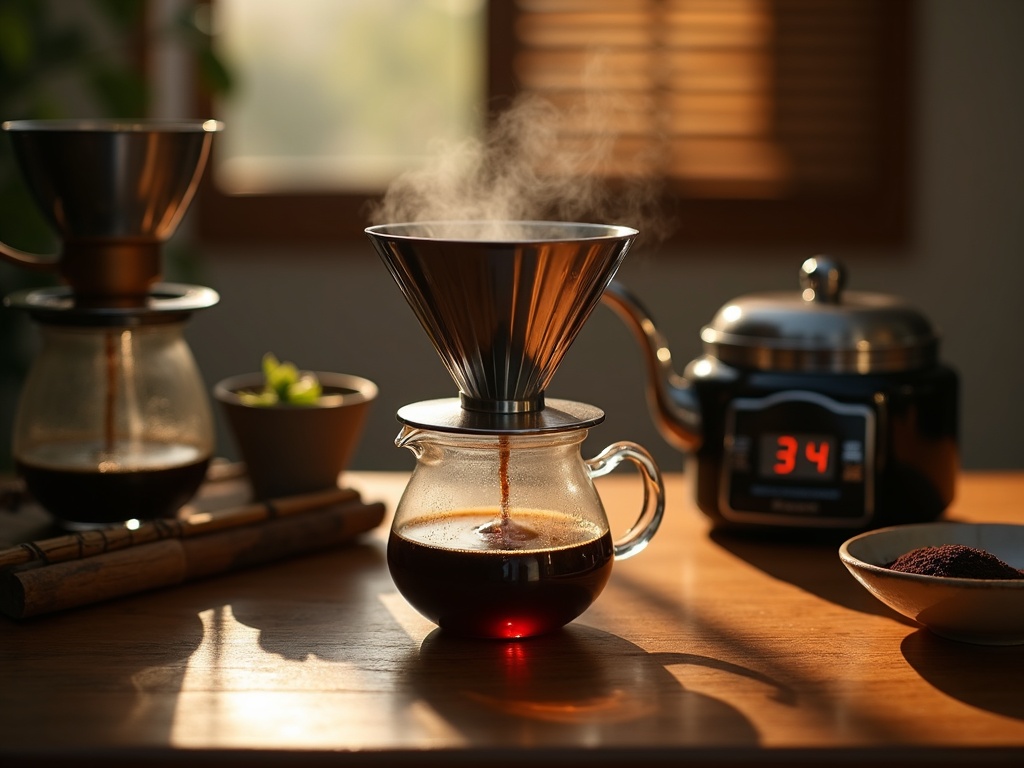
Perfect Grind Size and Coffee-to-Water Ratios
I always tell coffee enthusiasts that getting the grind size right makes the difference between a perfect cup and a disappointing brew. For Vietnamese coffee culture, the grind directly impacts both drip speed and extraction strength in your phin filter.
Finding Your Ideal Grind Consistency
Vietnamese coffee demands a medium-fine to medium-coarse grind that resembles coarse sand. I’ve found this texture allows water to flow through at the perfect pace – typically taking 4-5 minutes for a complete brew cycle. Fine grinds create problems because they clog the phin’s tiny holes and stall the brewing process entirely. Conversely, coarse grinds let water rush through too quickly, producing weak, under-extracted coffee that lacks the bold character Vietnamese coffee is famous for.
Dark roasts work exceptionally well with this grinding approach since they’ve already been broken down during the roasting process. I recommend using freshly ground coffee whenever possible, as pre-ground options often lose their essential oils and flavor compounds.
Recommended Coffee-to-Water Ratios
The brewing ratios for Vietnamese coffee differ dramatically from standard Western preparations. Traditional Vietnamese brewing calls for strong, concentrated coffee that can stand up to sweetened condensed milk. I typically use:
- 2-3 tablespoons of ground coffee
- 4-6 ounces of water
This creates an intensely flavored base.
For those who prefer weight measurements, a 1:2 coffee-to-water ratio delivers authentic results. I use:
- 20 grams of coffee
- 40 grams of hot water
This produces approximately 2-3 ounces of concentrated coffee – perfect for mixing with condensed milk or enjoying black.
These ratios might seem extreme compared to drip coffee makers, but they’re essential for authentic Vietnamese preparation. The slow drip method extracts maximum flavor from Robusta beans, which contain higher caffeine levels and more bitter compounds than Arabica varieties. Strong ratios balance this intensity while creating the signature richness locals expect.
Adjusting for Taste and Bean Origin
I adjust my ratios based on personal preference and bean origin. If you’re new to Vietnamese coffee, begin with slightly weaker ratios—perhaps:
- 15 grams of coffee
- 40 grams of water
Then gradually increase the coffee amount until you find your sweet spot. Remember that using a phin filter properly takes practice, and consistency comes with experience.
Importance of Water Temperature
Water temperature also plays a crucial role in extraction. I heat water to 195-205°F (90-96°C) for optimal brewing. Boiling water can scorch the grounds and create bitter flavors, while cooler temperatures won’t extract enough oils and caffeine from the dense grind.
The Interplay of Grind and Ratio
The key to mastering Vietnamese coffee lies in understanding how grind size and ratios work together. I’ve noticed that slightly coarser grinds often require stronger coffee-to-water ratios to maintain intensity, while finer grinds can work with marginally weaker ratios since they extract more efficiently.
Timing the Drip
Timing becomes critical when you’re making Vietnamese coffee step-by-step. Each drop should fall at a steady, controlled pace. If your brew takes longer than 6-7 minutes, your grind is probably too fine. If it finishes in under 3 minutes, try a finer grind or increase your coffee amount.
Keep Notes and Stay Consistent
I recommend keeping detailed notes when experimenting with different ratios and grind sizes. Track your:
- Coffee amount
- Water volume
- Grind setting
- Brewing time
- Taste notes
This approach helps you replicate successful brews and avoid repeating mistakes. Vietnamese coffee rewards precision, and small adjustments often yield significant flavor improvements.
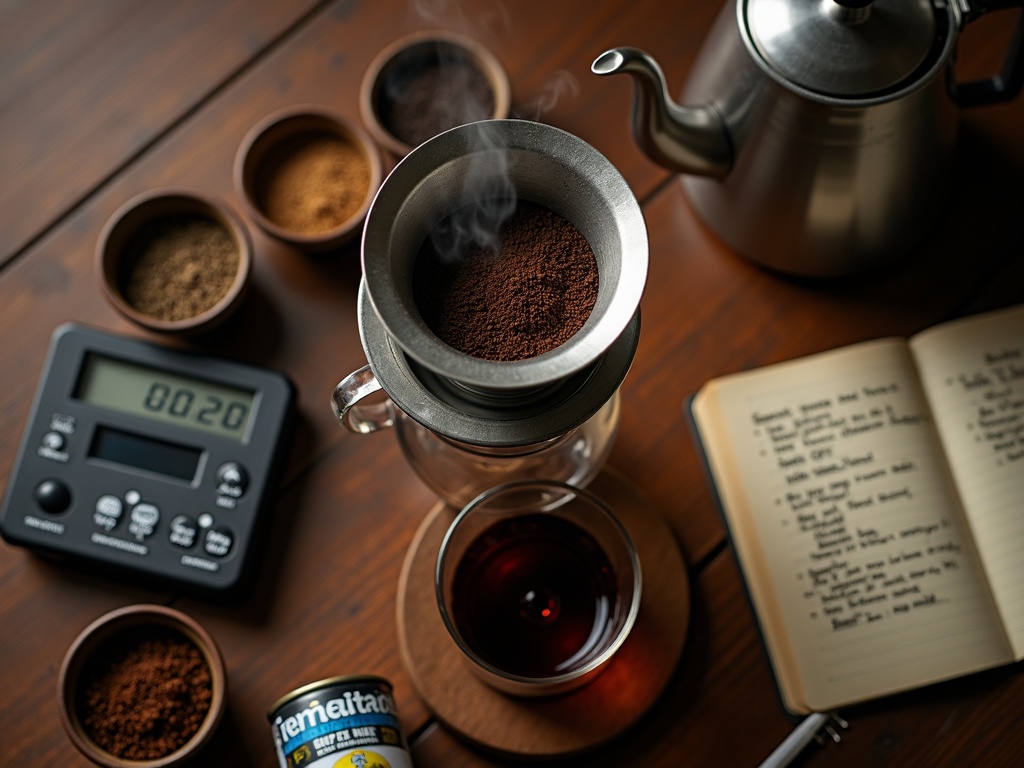
Water Temperature and Brewing Timeline
I’ve discovered that water temperature plays a crucial role in extracting the perfect Vietnamese coffee flavors. You’ll want to heat your water to about 195–205°F (90–96°C) for optimal results. After bringing water to a boil, I recommend letting it rest for 30 seconds before pouring it over your coffee grounds. This slight cooling prevents over-extraction and bitter notes from dominating your cup.
The Art of Slow Drip Brewing
Vietnamese coffee relies on slow gravity drip extraction through the traditional phin filter. I find this method creates a distinctly rich and full-bodied brew that differs significantly from other coffee preparations. The process unfolds in carefully timed stages that you can easily master with practice:
- Bloom stage: Pour a small amount of hot water to saturate the grounds and allow them to bloom for 30–60 seconds
- Initial drip phase: Add remaining water and watch as the first drops begin their slow descent
- Full extraction: Complete brewing time typically ranges from 5–10 minutes total
- Final drips: Wait for the last drops to ensure maximum flavor extraction
I’ve learned that patience during phin extraction rewards you with superior taste. The slow dripping process retains essential oils and creates the characteristic body that makes Vietnamese coffee so appealing. However, timing matters significantly – brewing beyond 10 minutes often produces harsh, over-extracted flavors that mask the coffee’s natural sweetness.
Temperature consistency throughout the brewing process affects your final cup quality. I maintain steady heat by preheating my phin filter with hot water before adding coffee grounds. This technique ensures even extraction and prevents temperature fluctuations that could compromise flavor development.
The brewing timeline varies slightly depending on your coffee grind size and phin filter design. Finer grinds naturally slow the drip rate, while coarser grounds allow faster water flow. I adjust my grind accordingly when I want to control brewing speed without sacrificing taste quality.
Coffee water temperature becomes even more critical when preparing Vietnamese coffee with condensed milk. The hot coffee must maintain enough heat to properly blend with the sweet condensed milk below. Starting with properly heated water ensures your finished drink achieves the ideal temperature balance.
Slow drip brewing through a phin filter requires different timing considerations than conventional brewing methods. I’ve found that rushing this process by using water that’s too hot or pressing the filter plate down too firmly disrupts the natural extraction flow. Instead, I allow gravity to work at its own pace while monitoring the drip rate for consistency.
Professional baristas often emphasize that Vietnamese coffee’s unique character comes from this extended contact time between water and grounds. The prolonged steeping allows for complete flavor extraction while the metal filter preserves oils that paper filters would remove. This combination creates the signature intensity that defines Vietnamese coffee culture.
Environmental factors also influence your brewing timeline. Ambient temperature, humidity, and altitude can affect how quickly water flows through your phin filter. I account for these variables by observing drip patterns and adjusting my technique accordingly. On particularly humid days, coffee grounds may absorb moisture differently, potentially extending brewing time.
The final drops from your phin often contain concentrated flavors that complete the brewing process. I never discard these last portions, as they contribute essential taste compounds to the overall cup profile. Proper timing ensures you capture these final elements without over-extracting bitter compounds from prolonged contact with spent grounds.
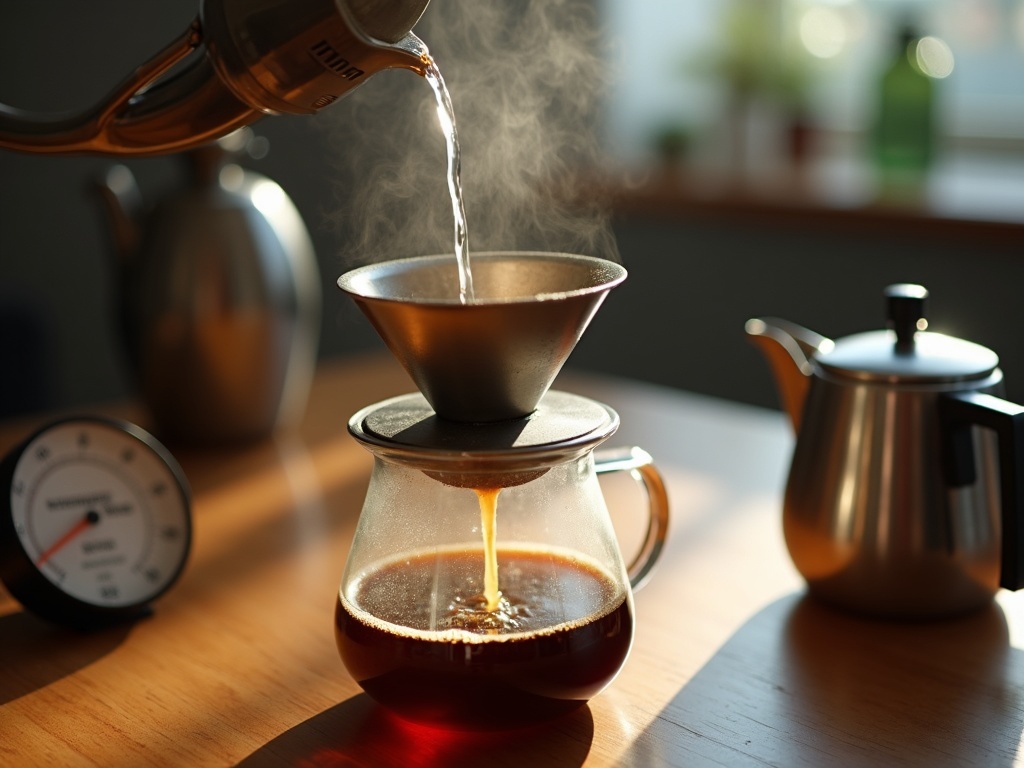
Step-by-Step Vietnamese Coffee Brewing Method
I’ll walk you through the authentic process of brewing Vietnamese coffee using the traditional phin filter. This method produces the rich, bold flavor that makes Vietnamese coffee culture so distinctive and beloved worldwide.
Preparation and Brewing Process
Start by measuring your Robusta beans — typically 2-3 tablespoons for a single serving. Grind them to a medium-fine consistency, similar to coarse sand. The grind size plays a crucial role in controlling the drip rate and extraction quality.
Preheat both your phin filter and cup by pouring hot water through them. This step ensures optimal temperature retention during brewing and prevents thermal shock to the delicate brewing process. After preheating, empty the water and place the phin on top of your cup.
Add the coffee grounds to the phin chamber, distributing them evenly across the surface. Level the grounds gently with a light shake — avoid pressing or compacting them at this stage. Place the press plate on top of the coffee grounds with minimal pressure, just enough to make contact.
Begin the blooming process by pouring a small amount of hot water (about 200°F) over the grounds — just enough to saturate them. This initial pour allows the coffee to release trapped gases and prepares it for proper extraction. Wait 30–60 seconds as the coffee blooms and expands.
Fill the phin completely with hot water, then place the lid on top to retain heat. The brewing magic happens during the next 5–10 minutes as the coffee slowly drips through the filter. This patience-requiring process is what gives Vietnamese coffee its concentrated strength and full-bodied character.
Serving Variations and Troubleshooting
Vietnamese coffee offers several traditional serving options that cater to different preferences:
- Cà phê sữa nóng (Hot milk coffee): Add 2 tablespoons of sweetened condensed milk to your cup before brewing, then enjoy the hot coffee as it mixes with the creamy sweetness.
- Cà phê sữa đá (Iced milk coffee): Pour the hot coffee over a glass filled with ice, creating Vietnam’s most popular coffee drink perfect for hot weather.
- Cà phê đen (Black coffee): Serve the coffee without any additions to experience the pure, intense flavor of the Robusta beans.
When troubles arise during brewing, simple adjustments can restore the perfect drip rate:
- If your coffee drips too slowly, creating an overly long brewing time, either loosen the press plate slightly or use a coarser grind for your next cup.
- If the coffee drips too quickly and tastes weak, tighten the press plate or switch to a finer grind setting.
The ideal drip rate produces one drop every few seconds, creating a steady rhythm that signals proper extraction. Using a Vietnam coffee filter effectively requires understanding this balance between grind size, press pressure, and water temperature.
Water temperature significantly impacts extraction quality — too hot burns the coffee, while too cool under-extracts the flavors. I recommend letting boiling water cool for 30–60 seconds before pouring, achieving that sweet spot around 200°F.
Practice makes perfect with Vietnamese coffee brewing. Each cup teaches you something new about pressure adjustment, timing, and the subtle art of creating that perfect drip rate that extracts maximum flavor without bitterness.
Cultural Heritage and Flavor Experience
Vietnamese coffee culture emerged during French colonial rule when coffee cultivation first took root in the country. French colonists introduced coffee beans and brewing techniques, but local adaptations quickly transformed these methods into something uniquely Vietnamese.
The scarcity of fresh milk during colonial times led to a practical innovation that became a defining characteristic. Condensed milk replaced fresh dairy, creating the sweet, creamy base that Vietnamese coffee is famous for today. This substitution wasn’t just necessity—it perfectly complemented the strong, bitter coffee produced by local beans.
The Phin Filter Tradition
The phin filter method developed as the perfect brewing technique for Vietnam’s climate and local preferences. This small metal filter produces a strong, espresso-like concentrate that drips slowly into waiting cups. I find this method creates a coffee that’s bold and intense, with remarkably low acidity compared to other brewing styles.
The brewing process reflects the social nature of Vietnamese coffee culture. You’ll typically spend 5–10 minutes waiting for your coffee to drip, creating natural pause points in conversation. This unhurried approach transforms coffee drinking from a quick caffeine fix into a social ritual.
Traditional Vietnamese coffee offers several distinct flavor experiences:
- The coffee base delivers rich, chocolatey notes with hints of caramel
- Condensed milk adds sweetness and smooths out any bitter edges
- The concentrated strength creates a long-lasting energy boost
- Cold versions like cà phê sữa đá provide refreshing relief in tropical heat
The flavor profile stands apart from Western coffee traditions. Vietnamese beans are often dark-roasted, sometimes with added butter or oil during processing, which creates that distinctive bold taste. When you make Vietnamese coffee like locals, you’re participating in a brewing tradition that spans generations.
Modern Vietnamese coffee culture maintains its social foundation. Coffee shops serve as community gathering spaces where people spend hours chatting, playing games, or conducting business. The slow brewing process encourages this leisurely pace—you can’t rush a properly made cup.
This cultural approach extends to home brewing as well. Families often gather around the coffee preparation, sharing stories while waiting for the phin to finish its work. Using a Vietnam coffee filter at home recreates this meditative brewing experience, allowing you to connect with centuries of coffee tradition in your own kitchen.
The combination of French influence, local innovation, and social customs created a coffee culture that’s both practical and deeply meaningful. Each cup represents this rich heritage while delivering a flavor experience that’s impossible to replicate with standard brewing methods.
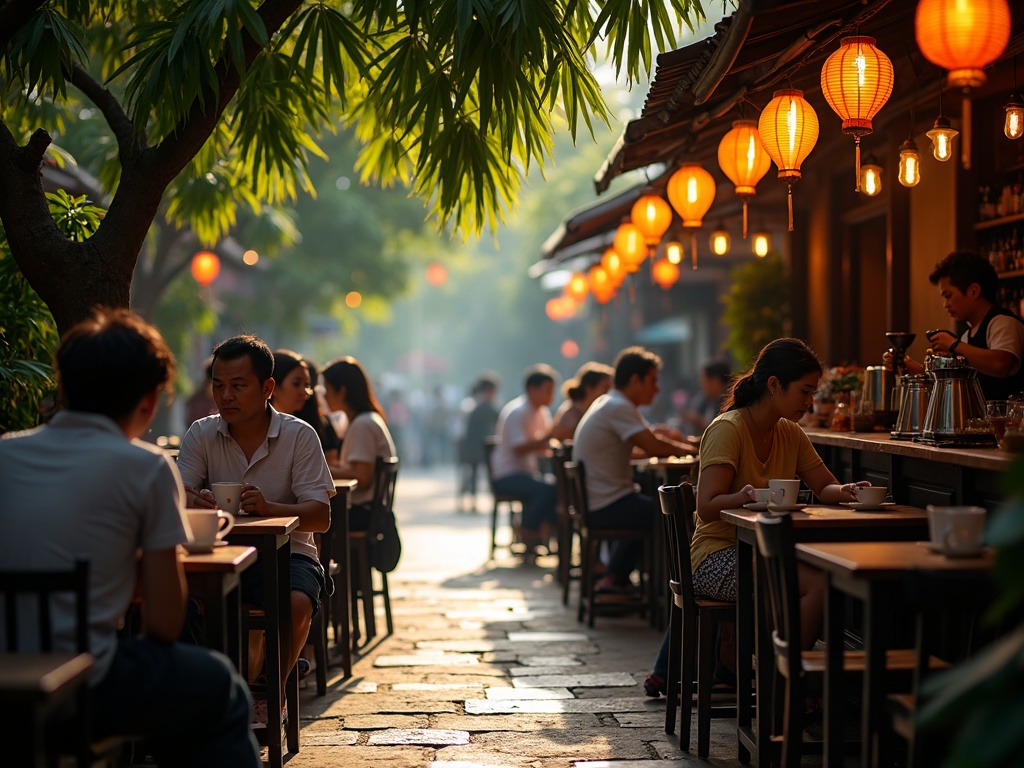
How is Vietnamese Coffee Made for Modern Drinkers
Traditional Vietnamese brewing methods continue to thrive in contemporary coffee culture, yet they adapt beautifully to suit modern preferences and dietary needs. I’ve found that adjusting these time-honored techniques allows you to enjoy authentic Vietnamese coffee culture while accommodating personal taste preferences.
Customizing Strength and Sweetness
Several simple modifications can transform your Vietnamese coffee experience without compromising its distinctive character.
- To reduce bitterness, add more water or ice after brewing to dilute the intensity while maintaining the coffee’s rich flavor profile.
- For lower sugar intake, use just 1 tablespoon of condensed milk instead of the traditional 2 tablespoons. This keeps the creamy texture while reducing sweetness.
- Blending beans by combining Arabica with traditional Robusta results in a smoother brew while preserving bold Vietnamese coffee character.
Additional adaptations include:
- Substituting regular milk for condensed milk, yielding a lighter consistency.
- Shortening brew time by removing the filter earlier to reduce intensity.
- Controlling extraction by adjusting the pressure on the filter plate when using a Vietnam coffee filter.
Temperature modifications also suit modern drinkers:
- Serving over additional ice makes the coffee more refreshing and less concentrated.
- Brewing with slightly cooler water can reduce bitter compound extraction.
For those with dietary restrictions, milk alternatives like coconut milk, oat milk, or almond milk work well in place of condensed milk. Since these options aren’t as sweet, you may want to add sweeteners separately to preserve the coffee’s creamy appeal.
To stay true to tradition while tweaking your process, learn how locals make Vietnamese coffee. This gives insight into the authentic method and helps identify where you can make personalized adjustments.
One effective method involves adjusting timing:
- Reduce brew time to 3-4 minutes for a lighter, milder extraction.
- Extend brew time to 8-10 minutes for stronger flavor for those who prefer bold, intense coffee.
This flexibility is central to the Vietnamese coffee experience—customizations are easy without losing the distinct qualities of the coffee.
Cold brewing is another contemporary adaptation. Letting the coffee steep in room-temperature water for 12-24 hours produces a smoother concentrate, ideal for those who want less acidity. Combine this with condensed milk and ice for a modern yet authentic beverage.
Portion size can also significantly influence taste:
- Use less coffee grounds for a weaker brew.
- Use 2-4 tablespoons of coffee depending on your flavor strength preference.
Understanding proper condensed milk integration is key to managing sweetness while retaining the signature creamy texture of Vietnamese coffee. Whether you prefer a hint of sweetness or the full traditional flavor, these modern tweaks ensure Vietnamese coffee stays both authentic and approachable.
Explore this delicious balance for an authentic experience tailored to contemporary tastes.
Sources:
World Coffee Research – Vietnam coffee profile
Cafely – Robusta brewing guides
Bazan Coffee – Vietnamese coffee culture
Coffee Bean Corral – Robusta vs Arabica comparison

