
No products in the cart.
Asiadeli, Asiadeli Rice Paper
What Is Rice Paper Made Of? Asiadeli 100% Natural Ingredients
07
Jan
Jan
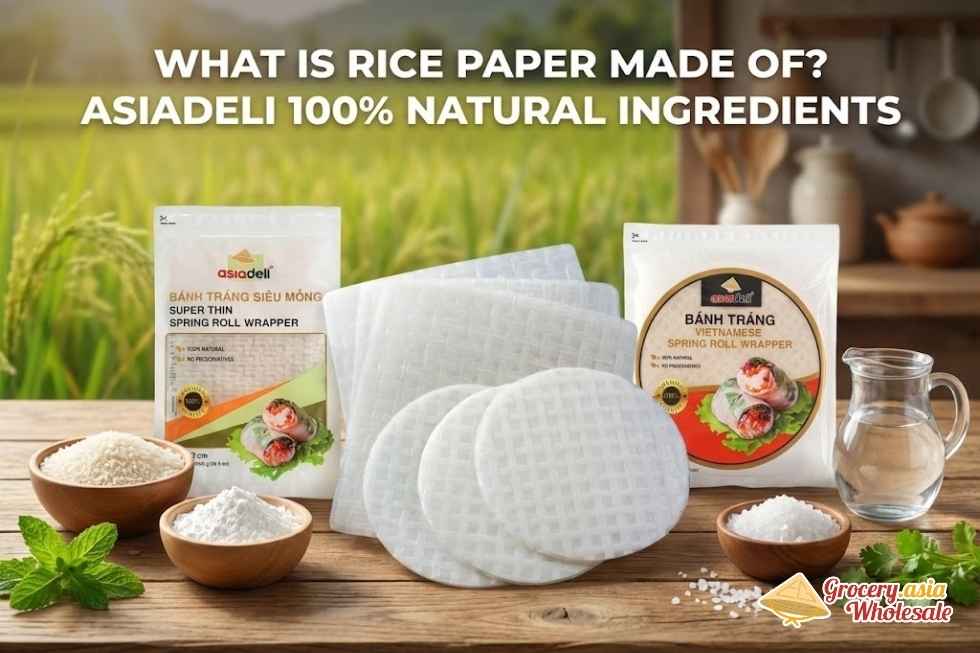
Asiadeli rice paper showcases how traditional Vietnamese manufacturing preserves its simple three-ingredient formula of rice flour, water, and salt while incorporating modern improvements like tapioca starch for enhanced flexibility. This 100% natural composition creates a versatile, gluten-free wrapper that accommodates various dietary preferences while delivering the authentic texture essential for Vietnamese culinary applications.
Key Takeaways
- Rice paper contains only three core ingredients—rice flour, water, and salt—with premium varieties adding tapioca starch for increased flexibility and tear resistance
- The product is naturally gluten-free, vegan-friendly, and contains zero fat, making it suitable for multiple dietary restrictions while providing approximately 317 calories per 100g
- Proper preparation requires a brief 3-second dip in warm water to transform brittle sheets into pliable, translucent wrappers without oversaturation
- Fresh rice paper exhibits smooth, translucent appearance and neutral aroma, while deteriorated sheets show brittleness, discoloration, or musty odors that indicate spoilage
- Standard packaging typically contains 30-34 sheets per 300-340g pack with a shelf life of 19-29 months when stored in cool, dry conditions
Table of Contents
Introduction
Rice paper (Bánh tráng) is the translucent secret behind famous Vietnamese Spring Rolls (Goi Cuon), but have you ever wondered exactly what makes up this delicate wrapper? The foundation of this staple relies on a simple, ancient formula consisting of three primary elements: Rice flour, water, and salt. Asiadeli distinguishes itself as a premium brand that strictly adheres to this “100% Natural Ingredients” philosophy, ensuring zero preservatives enter the production chain. To fully understand the cultural significance and varieties of this ingredient, we invite you to explore our comprehensive guide to the Vietnamese rice paper ecosystem.
Rice Paper’s Simple Three-Ingredient Formula
Rice paper’s foundation rests on an incredibly straightforward formula that has remained virtually unchanged for centuries. I find it remarkable how three basic ingredients – rice flour, water, and salt – create such a versatile culinary canvas that spans countless Asian dishes.
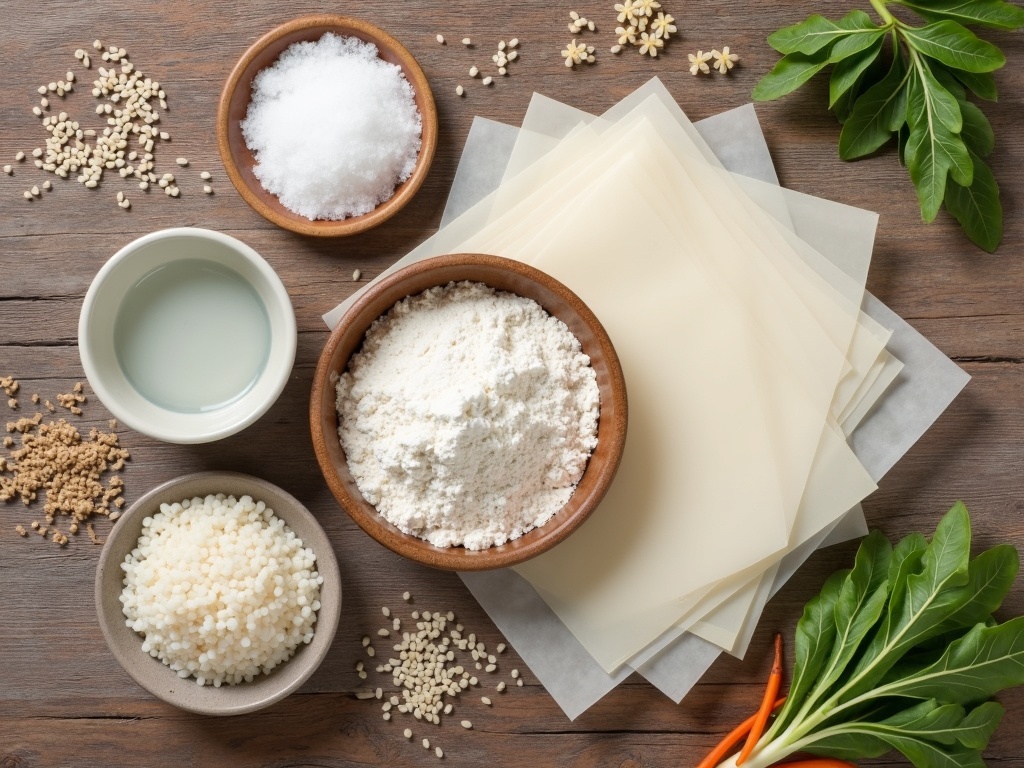
The rice flour serves as the primary structural component, providing the base that forms rice paper’s characteristic translucent appearance. Water acts as the binding agent, allowing the flour to transform into the thin, pliable sheets we recognize. Salt enhances flavor while contributing to the preservation process during manufacturing.
Modern Manufacturing Enhancements
Today’s producers frequently incorporate tapioca starch into this traditional formula to achieve superior texture and flexibility. This addition proves particularly important for creating ‘Super Thin’ varieties that maintain their integrity during wrapping and cooking processes. The tapioca starch prevents tearing while enhancing the paper’s ability to stretch without breaking.
The “Natural” Commitment
Premium manufacturers prioritize 100% natural ingredients, ensuring their products remain preservative-free and completely devoid of artificial additives. This commitment to purity makes rice paper an excellent choice for health-conscious consumers who want clean, simple ingredients in their food.
The uncomplicated composition naturally accommodates various dietary preferences and restrictions. Rice paper fits perfectly into vegetarian and vegan meal plans, as it contains no animal products whatsoever. Its low-fat profile appeals to those monitoring their fat intake, while the natural calcium content from rice flour provides additional nutritional value.
Brown Rice Variation
Brown rice varieties offer a nutrient-dense alternative that utilizes whole grain brown rice instead of refined white rice flour. These versions maintain the same basic three-ingredient approach while delivering enhanced fiber content, B vitamins, and minerals. The brown rice imparts a subtle nutty flavor and creates a slightly brown-colored paper that adds visual interest to dishes.
Whether you’re preparing fresh spring rolls, creating grilled rice paper, or making fried rice paper rolls, this simple formula delivers consistent results. The beauty of rice paper lies in its minimalist approach – proving that sometimes the most effective ingredients are also the most basic.
For those interested in sourcing quality rice paper for regular use, understanding these ingredient fundamentals helps identify wholesale suppliers who maintain traditional manufacturing standards while delivering modern quality expectations.
Nutritional Facts: Low-Calorie & Gluten-Free
I find rice paper‘s nutritional profile remarkably straightforward and health-conscious. The caloric density stands at approximately 317 calories per 100g, with the wrapper itself consisting of 100% carbohydrates, 0% fat, and 0% protein. This simple composition makes it easy to calculate your daily intake accurately.
For practical serving purposes, a typical single roll weighing about 93g contains just 135 calories from the wrapper. When you fill your rice paper with fresh ingredients, you’ll get approximately 19.2g of carbohydrates, 1.1g of fat, and 11.5g of protein per completed roll. These numbers make rice paper an excellent choice for calorie-conscious meal planning.
Dietary Compatibility Benefits
Rice paper offers exceptional versatility for various dietary restrictions and preferences:
- Naturally gluten-free composition makes it completely safe for Celiac disease management
- Vegan-friendly ingredients contain no animal products whatsoever
- Vegetarian-compatible formulation supports plant-based eating patterns
- Low-fat content aligns perfectly with heart-healthy dietary requirements
- Zero cholesterol levels support cardiovascular wellness goals
I particularly appreciate how rice paper accommodates multiple dietary needs simultaneously. Unlike wheat-based wrappers that contain gluten proteins, rice paper uses only rice flour and water, creating a clean ingredient list that works for sensitive digestive systems. This makes it an ideal substitute for traditional tortillas or bread wraps in Vietnamese fried rice paper rolls and fresh spring rolls.
The carbohydrate content provides sustained energy without the heavy feeling that often accompanies wheat products. Since rice paper contains no saturated fats or trans fats, it supports healthy cholesterol levels while delivering the energy your body needs for daily activities.
For those monitoring sodium intake, most commercial rice papers contain minimal salt, though I recommend checking labels when sourcing from a wholesale supplier. The lack of preservatives in traditional varieties means you’re getting a clean, minimally processed food product that fits well into whole-food eating approaches.
Rice paper’s neutral flavor profile means the nutritional value of your meal depends largely on your filling choices. You control the protein, fiber, vitamins, and minerals by selecting fresh vegetables, lean proteins, and healthy herbs for your wraps.
The Secret to Texture: How to Prepare Rice Paper
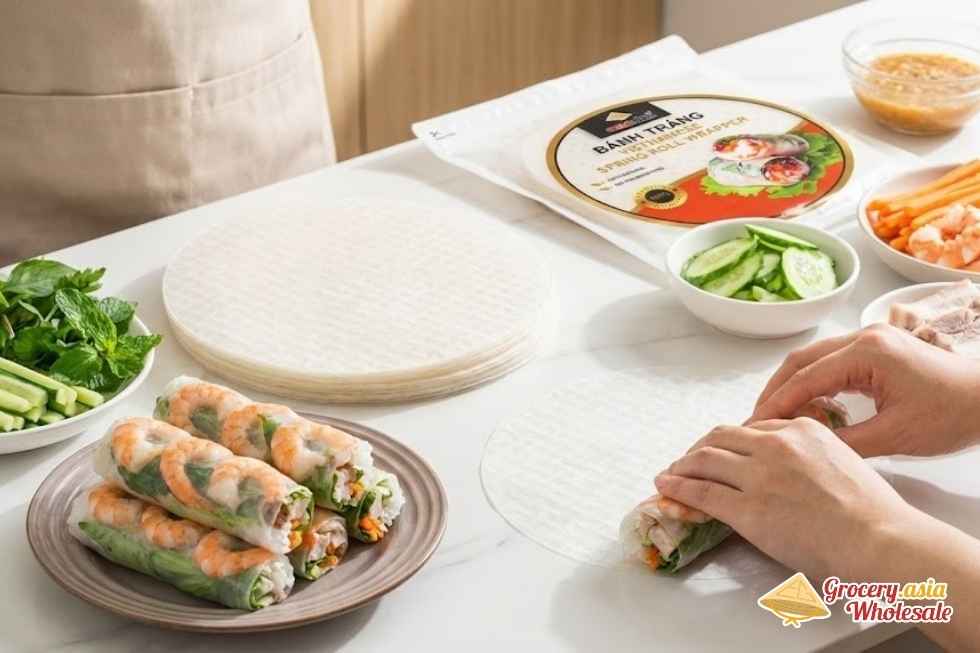
Standard rice paper requires a brief rehydration in warm water to transform from its brittle, shelf-stable state into a workable wrapper. I follow the tried-and-true ‘3-second rule’ when preparing traditional rice paper sheets—this quick dip provides just enough moisture to activate the starches without compromising structural integrity.
Water temperature plays a crucial role in achieving perfect results. I maintain the water at a temperature similar to a comfortable bath—warm enough to penetrate the rice paper fibers quickly but not so hot that it causes uneven hydration or immediate breakdown. This controlled approach ensures the sheets transform uniformly from their rigid form into soft, gelatinous, and stretchy wrappers that bend without cracking.
Once properly hydrated, rice paper undergoes a remarkable transformation. The thin sheets become pliable and slightly translucent, developing a texture that’s both delicate and strong enough to contain various fillings. This balance makes them perfect for creating Vietnamese fried rice paper rolls or fresh spring roll preparations.
Advanced Preparation Techniques
Modern rice paper varieties offer innovative solutions to traditional preparation challenges. Asiadeli Super Thin Rice Paper features a ‘No Need Dipping in Water’ design that eliminates the guesswork from hydration. This specially formulated product either requires no water contact at all or just an extremely fast dip, preventing the common ‘soggy mess’ that frustrates many home cooks.
The key to successful rice paper preparation lies in avoiding oversaturation. I’ve learned that excess moisture causes the wrapper to break down too rapidly, creating tears and making the rolling process nearly impossible. Signs of oversaturation include:
- Sheets becoming too soft to handle without tearing
- Excessive stickiness that causes the paper to adhere to work surfaces
- Loss of elasticity that results in immediate breakage during rolling
- Cloudy appearance indicating structural breakdown
Timing becomes critical during preparation. I work with one sheet at a time, keeping unused sheets dry until needed. After the brief hydration period, rice paper continues to soften slightly as it sits, so I begin filling and rolling immediately after achieving the desired texture.
For those new to rice paper preparation, I recommend:
- Practicing with a few sheets before prepping all your ingredients
- Learning to recognize the perfect texture—soft enough to fold without resistance yet firm enough to hold shape
Professional techniques involve creating an assembly line approach. I prepare filling ingredients first, then hydrate sheets one by one as I build each roll. This method prevents sheets from becoming too soft while waiting and ensures consistent results across multiple preparations.
Quality rice paper responds predictably to proper hydration techniques. I source my supplies from reliable vendors who understand the importance of consistent thickness and texture. Quality wholesale suppliers often provide detailed preparation instructions specific to their product formulations.
Temperature control extends beyond just the water—I also consider room temperature during preparation. Cooler environments slow the softening process, while warmer kitchens accelerate it. Adjusting hydration time accordingly prevents over or under-preparation.
Different rice paper applications require slight modifications to standard preparation methods. For grilled or toasted applications like bánh tráng nướng, I use minimal water contact to maintain enough structure for direct heat cooking while still achieving flexibility for folding.
Storage of prepared rice paper requires immediate use or careful handling. I never stack freshly hydrated sheets directly on top of each other, as they’ll stick together permanently. Instead, I work with individual sheets and complete each roll before moving to the next preparation.
Quality Control: Identifying Fresh vs. Bad Sheets
I’ve examined countless rice paper sheets throughout my culinary journey, and distinguishing fresh from deteriorated sheets can make or break your cooking experience. Quality rice paper should display specific characteristics that immediately signal its freshness and usability.
Recognizing Fresh Rice Paper
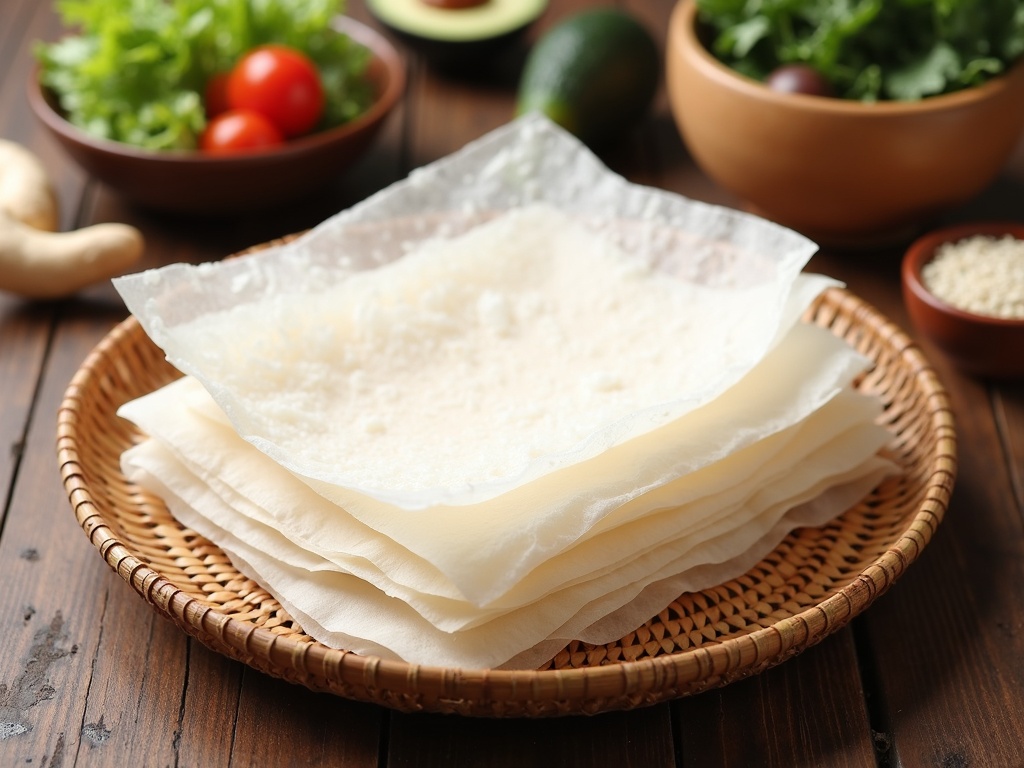
Fresh rice paper exhibits a smooth, translucent appearance with consistent coloring throughout each sheet. The surface feels supple and maintains flexibility even when dry, allowing you to handle it without immediate cracking. Premium sheets possess a neutral, clean aroma that hints at their simple rice and tapioca starch composition.
I always check for uniform thickness across the entire sheet, as variations indicate poor manufacturing processes. The texture should feel smooth to the touch, free from rough patches or irregular bumps that suggest contamination during production. High-quality rice paper maintains its structural integrity while remaining pliable enough for easy handling during preparation.
Warning Signs of Deterioration
Several clear indicators reveal when rice paper has passed its prime and shouldn’t be used for cooking. Watch for these deterioration signs that compromise both quality and food safety:
- Extreme brittleness that causes sheets to crack or shatter with minimal handling
- Yellow spots, dark speckles, or any discoloration that deviates from the natural translucent appearance
- Hardening of the sheets beyond their normal dry state
- Stale or musty odors that indicate moisture exposure or improper storage
- Warping or curling that prevents sheets from lying flat
- Visible mold growth or unusual dark patches
Discoloration often results from exposure to humidity or temperature fluctuations during storage. Brittleness typically develops when sheets lose their natural moisture content through improper packaging or extended storage periods.
Stale or musty smells serve as immediate red flags for compromised rice paper. These odors develop when sheets absorb moisture and begin deteriorating, creating an environment where bacteria can flourish. I never risk using rice paper that exhibits these warning signs, as they can negatively impact both flavor and food safety.
Storage conditions significantly influence rice paper longevity and quality retention. Sheets stored in humid environments or exposed to temperature variations deteriorate faster than those kept in controlled conditions. I recommend sourcing from established suppliers who maintain proper storage protocols throughout their supply chain.
Premium brands like Asiadeli maintain adherence to traditional Vietnamese manufacturing methods, ensuring consistent quality without artificial additives. Their commitment to authentic production processes results in rice paper that maintains freshness longer and performs better during cooking applications.
Temperature extremes also affect rice paper quality, causing sheets to become either overly rigid or unexpectedly soft depending on the conditions. Proper storage involves keeping sheets in cool, dry environments away from direct sunlight and moisture sources.
I’ve found that purchasing rice paper from reputable wholesale suppliers often guarantees fresher products due to higher inventory turnover. These suppliers typically maintain stricter quality control standards and storage protocols compared to smaller retailers.
Fresh rice paper transforms beautifully during cooking, becoming tender and pliable for Vietnamese rice paper dishes or maintaining structural integrity for fried rice paper preparations. Deteriorated sheets, however, may crack during soaking or fail to achieve the desired texture regardless of preparation method.
Quality rice paper should feel substantial yet delicate, striking a balance between durability and flexibility. This characteristic allows for successful preparation across various cooking methods while maintaining the authentic texture that makes Vietnamese rice paper dishes so appealing.
Standard Specifications & Usage Tips
Industry Standard Sizes and Packaging
Most rice paper manufacturers follow consistent industry specifications that work well for both home cooks and professional kitchens. The standard 22cm round sheets dominate the market as the most versatile size for spring rolls and wraps. You’ll typically find these packaged with 30–34 sheets per pack, weighing between 10.5–12 oz (340g). Asiadeli optimizes their packaging at 300g (10.5 oz), which strikes an excellent balance between quantity and freshness.
Proper storage extends the shelf life significantly, with most quality rice papers lasting 19 to 29 months when kept in cool, dry conditions. I store mine in airtight containers after opening to maintain their crisp texture and prevent moisture absorption.
Expert Handling and Rolling Techniques
Expert chefs employ several techniques that dramatically improve your rolling success rate:
- Stack two rice paper sheets together for enhanced strength and tear resistance, though this creates a slightly chewier final texture
- Choose soft lettuce varieties like butter or oak lettuce instead of crisp iceberg to prevent puncturing the delicate wrapper
- Practice mise en place by preparing all filling ingredients within arm’s reach before you start rolling
- Work with slightly damp hands to prevent sticking while maintaining control
The double-layer technique proves particularly valuable when working with heavier fillings or when preparing rice paper recipes that require more structural integrity. However, single sheets work perfectly for lighter preparations like fresh summer rolls.
Temperature control makes a significant difference in handling. I’ve discovered that rice papers become more pliable when briefly dipped in warm (not hot) water, then laid flat on a clean, damp kitchen towel. The wrapper continues softening for about 30 seconds after removal from water, so timing your assembly becomes crucial. Additionally, these sheets are best paired with Asiadeli Rice Vermicelli.
Tips for Fried Rice Paper Rolls
For optimal results with fried rice paper rolls, I recommend using slightly thicker varieties or the double-layer method to withstand the frying process without breaking apart.
Ingredient Pairing and Sourcing
Quality rice papers pair exceptionally well with traditional Vietnamese ingredients. The neutral flavor profile complements fresh herbs, crisp vegetables, and proteins without overpowering delicate tastes. When sourcing ingredients, consider wholesale options if you’re planning to use rice papers regularly, as bulk purchasing often provides better value while ensuring consistent quality across batches.
Timing and Moisture Control
Working efficiently requires understanding that rice papers continue absorbing moisture even after initial soaking, so rolling promptly prevents over-softening that leads to tears and messy assembly.
Get Premium Natural Rice Paper from Vietnam
I’ve discovered that finding authentic rice paper made with traditional ingredients can be challenging for importers and distributors. Asiadeli offers Super Thin Rice Paper sourced directly from Vietnam with zero additives, making it perfect for businesses seeking genuine quality.
Pure Ingredients and Superior Features
This premium rice paper contains only 100% Natural Rice Flour and Tapioca—exactly what authentic Vietnamese rice paper should be made of. I appreciate that there’s no need for dipping in water, which saves preparation time. The product is completely Gluten-Free and Non-GMO, meeting modern dietary requirements while maintaining traditional quality standards.
Wholesale Services and Contact Information
Asiadeli provides comprehensive wholesale and mix container export services for businesses looking to import authentic rice paper. Their direct sourcing from Vietnam ensures you receive products that work perfectly for fried rice paper rolls and other traditional applications. For distributors researching wholesale suppliers, this represents an excellent opportunity to access premium quality at competitive export prices.
Contact us for a Quote Today:
• Email: contact@egrocery.asia
• WhatsApp: +84 909 046 308
• View Product Details: Asiadeli Rice Paper Product Page
Sources:
Asiadeli

