
No products in the cart.
Asiadeli, Asiadeli Rice Paper
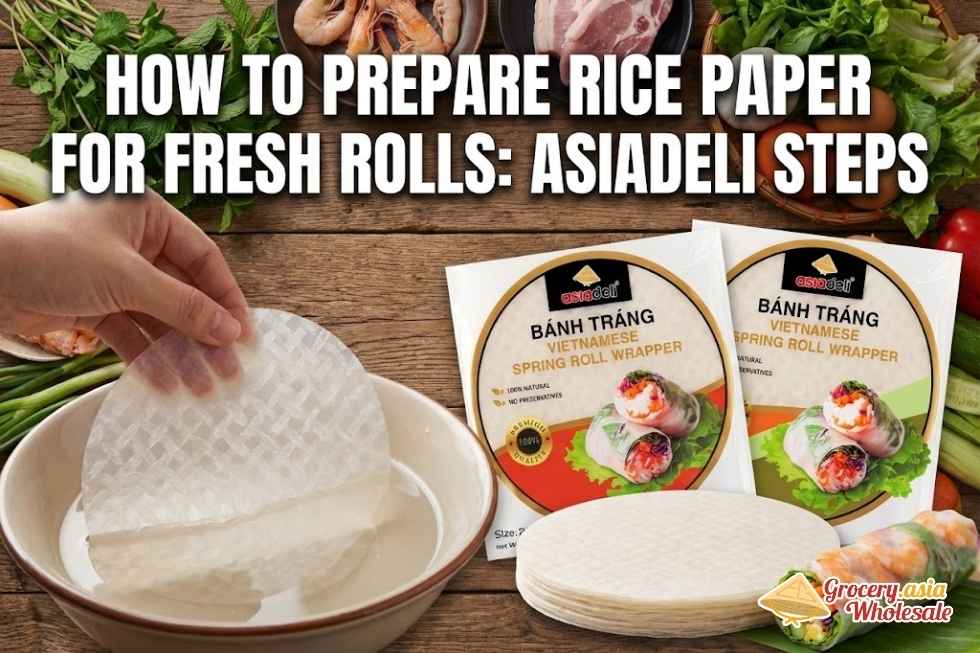
How To Prepare Rice Paper For Fresh Rolls: Asiadeli Steps
22
Jan
Jan
Preparing rice paper for fresh rolls requires mastering the critical balance between hydration and timing. I emphasize a precise 3-second warm water dip followed by immediate assembly through the Asiadeli technique. Success depends on proper mise en place preparation. Rice paper continues softening after removal from water, preventing the common mistake of over-soaking that leads to tears and sticky disasters.
Table of Contents
Key Takeaways
- Use the 3-second soaking rule – Dip rice paper in warm water (35-40°C) for exactly 3 seconds while rotating, then remove when still firm as it continues softening on my work surface.
- Prepare all ingredients before soaking – I have proteins, vermicelli noodles, herbs, and vegetables completely ready and organized within arm’s reach to work quickly once rice paper is hydrated.
- Employ the lettuce bundle technique – I wrap sharp ingredients like bean sprouts and noodles inside lettuce leaves to prevent tearing the delicate rice paper wrapper during assembly.
- Choose proper equipment and workspace – I use plastic cutting boards instead of wood, maintain warm water temperature, and keep clean towels nearby to manage moisture and prevent sticking.
- Position fillings strategically – I place all ingredients on the lower third of the sheet, leaving generous borders, and work within the 1-3 minute window before the wrapper becomes too sticky to handle.
For more detailed techniques and visual guides, the Asiadeli website offers valuable resources and tips for perfecting your rice paper rolls.
Introduction
Rice paper (Bánh tráng) is the essential wrapper for fresh Vietnamese spring rolls (summer rolls), yet handling these translucent discs can often feel intimidating for beginners. Learning how to prepare rice paper correctly is the key to success; the ultimate goal is achieving a wrapper that is pliable but chewy, rather than soggy or prone to tearing. To simplify this process, we recommend Asiadeli Super Thin Rice Paper. Crafted from a specialized Rice + Tapioca blend, this product is designed to be “forgiving to roll” and requires minimal soaking time. To master the art of selecting the best wrappers for your culinary needs, we invite you to explore the Vietnamese rice paper ecosystem.
Choosing the Right Rice Paper & Equipment
I find that selecting the appropriate rice paper size makes all the difference in your wrapping success. Common diameters for rice paper are 8 inch / 20 cm and 8.5 inch / 22 cm, both considered standard sizes in most Asian markets. The larger sheets provide more working space for generous fillings, while the smaller ones work perfectly for appetizer-sized rolls.
Understanding Rice Paper Composition
Different brands offer varying compositions that dramatically affect your final results. Some brands like Asiadeli offer tapioca-heavy rice paper, which becomes more elastic and transparent compared to the more opaque all-rice sheets. This elasticity proves crucial when you’re wrapping ingredients with sharp edges or creating tightly packed rolls. Rice paper made with natural ingredients tends to provide better flexibility and tear resistance during preparation.
Many experienced cooks recommend double wrapping with two sheets to improve structural integrity, although this increases chewiness. I suggest trying this technique when making rolls with wet ingredients like fresh herbs or cucumber, which can cause single sheets to tear. The added thickness creates a more substantial bite while preventing messy breaks during eating.
Setting Up Your Workstation
Your water setup determines how smoothly your preparation process flows. Use warm or tepid water around 35–40°C—described as ‘bath water temperature’—for optimal softening without making the sheets too fragile. Cold water takes too long to activate the rice paper, while hot water can cause immediate tearing or over-softening.
Use a large, shallow dish or pie plate with about 1 inch (2.5 cm) of water so you can slide the sheet in evenly. I prefer glass or ceramic dishes because they retain heat better than plastic containers. Your dish should be wider than your rice paper diameter to allow complete submersion without folding or cramping.
Essential equipment includes:
- Clean kitchen towels for drying your hands and work surface
- A large cutting board or clean countertop as your assembly area
- Sharp knife for trimming ingredients to appropriate sizes
- Small bowls for organizing your fillings before assembly
- Damp cloth to cover completed rolls and prevent drying out
Position everything within arm’s reach before you start soaking your first sheet. Cooking rice paper properly requires quick, confident movements once the softening process begins. Keep your filling ingredients prepped and ready, since softened rice paper becomes increasingly delicate with each passing minute.
I recommend having backup sheets ready, especially when you’re learning the technique. Even experienced cooks occasionally tear a sheet during assembly, and having extras prevents frustration. Store your unused sheets in their original packaging to maintain proper moisture levels and prevent cracking.
Mise en Place: Complete Setup Before Dipping
I can’t emphasize enough how crucial proper preparation is for successful rice paper rolling. Having everything ready before you start prevents the delicate sheets from becoming overhydrated while you scramble for ingredients.
Preparing Your Protein and Noodles
Start by cooking your rice vermicelli properly. Bring water to a rolling boil, add the noodles, and cook for 2–4 minutes until they’re tender but still have a slight bite. Immediately drain and rinse under cold running water to halt the cooking process and prevent clumping. This step ensures your noodles maintain the perfect texture inside your rolls. Cooking rice paper successfully depends heavily on having components at the right temperature and consistency.
For protein, portion your ingredients precisely.
- Use 2–3 thin shrimp halves per roll, slicing them lengthwise to create attractive ribbons that distribute evenly.
- If you’re using meat, aim for 20–25 grams of thinly sliced portions per roll.
- Chicken, pork, or beef work beautifully when cut against the grain into thin strips.
Fresh Herb Selection and Arrangement
Fresh herbs transform ordinary rice paper rolls into aromatic masterpieces. I always prepare three essential varieties:
- Mint leaves for brightness
- Asian basil for its distinctive anise notes
- Cilantro for earthiness
Pick through each herb carefully, selecting only the most vibrant leaves and discarding any that show browning or wilting.
Arrange everything within easy reach of your dipping station. Create an assembly line with your herbs, cooked proteins, prepared vermicelli, and any additional vegetables like julienned carrots or cucumber strips. This organization prevents you from struggling with rice paper ingredients while working with wet, fragile sheets.
Consider using small bowls for each component to maintain organization. Place your herb selection in individual containers with damp paper towels to keep them fresh throughout your rolling session. Position everything so you can reach each ingredient with minimal movement, as rice paper becomes increasingly delicate once moistened.
Asiadeli Rice Vermicelli pairs exceptionally well with these fresh preparations, offering the ideal texture and neutral flavor that complements your chosen proteins and herbs without overwhelming the delicate balance of your rolls.
The ‘Asiadeli Dip’: Critical Soaking Guidelines
I’ve discovered that rice paper preparation hinges entirely on mastering the soaking process. The difference between perfect wrappers and torn, soggy disasters comes down to just a few seconds in warm water.
The 3-Second Revolution
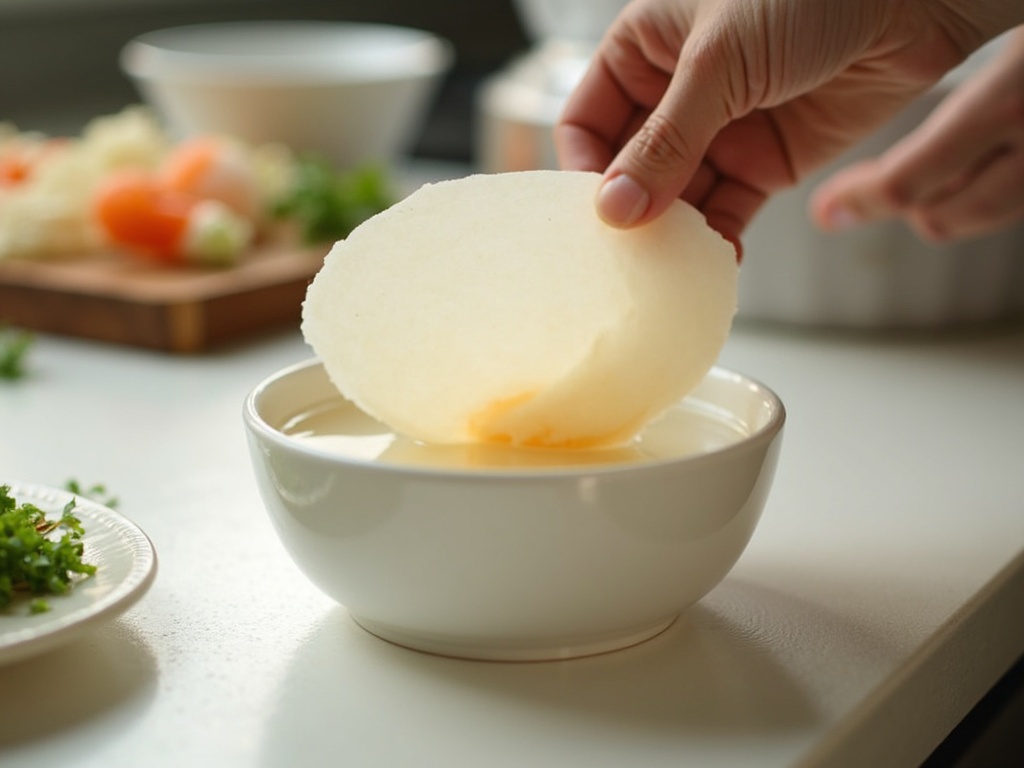
The Asiadeli Technique transforms rice paper preparation with its precision timing approach. I dip each sheet into warm water for exactly 3 seconds while gently rotating it to ensure even moisture distribution. This rotation prevents any single area from becoming oversaturated while ensuring complete hydration.
During these crucial three seconds, I watch for the rice paper to transition from rigid to slightly pliable. The wrapper should maintain its structural integrity and feel firm to the touch when I lift it from the water. Many beginners make the mistake of waiting until the rice paper feels completely soft, but this leads to disaster.
Recognizing the Perfect Moment
I remove the rice paper when it still holds its shape and feels “pretty firm” between my fingers. At this stage, the wrapper might seem underdone, but residual moisture continues working after removal. This continuing hydration process brings the rice paper to its ideal flexibility within 30 seconds on your work surface.
Over-soaking creates immediate problems that can’t be reversed. Extended water exposure causes the rice paper to become gummy and lose its delicate texture. These oversaturated wrappers tear easily during rolling and create an unpleasant mouthfeel in finished dishes. I’ve learned that cooking rice paper properly starts with this fundamental soaking technique.
Water temperature plays an equally important role in this process. I use warm water rather than hot water, which can cause rapid oversoftening. Cold water, on the other hand, requires longer soaking times that increase the risk of oversaturation. Room temperature to slightly warm water provides the perfect balance for controlled hydration.
The thickness of your rice paper affects soaking time slightly, but I stick to the 3-second rule regardless. Thicker varieties might need an extra second, while ultra-thin sheets require careful monitoring to prevent immediate oversoftening. Understanding what rice paper is made of helps explain why this timing matters so much.
I always prepare my work station before beginning the soaking process. Having a clean, slightly damp towel ready for the rice paper prevents sticking and provides the right environment for final softening. This preparation prevents rushed handling that often leads to tears or creases.
Practice makes perfect with this technique, but even beginners can achieve consistent results by following the firm-removal rule. Trust that the rice paper will continue softening after removal from water. This patience prevents the common mistake of overcompensating with longer soaking times.
The Asiadeli Technique has revolutionized my rice paper preparation because it respects the delicate nature of these wrappers. Each sheet receives just enough moisture to activate without compromising structural integrity. This approach works whether you’re making fresh spring rolls, preparing ingredients for cooking rice paper dishes, or creating any wrapper-based recipe.
Quality rice paper responds better to this gentle technique than inferior products. Premium wrappers maintain their strength and flexibility when properly hydrated, while lower-quality sheets often fall apart regardless of technique. Investing in quality ingredients makes mastering this soaking method even more rewarding.
I recommend practicing this technique with a few sheets before preparing a full meal. Once you feel the difference between properly soaked and oversaturated rice paper, you’ll instinctively know when to remove each wrapper from the water. This muscle memory develops quickly and ensures consistent results every time.
Step-by-Step Assembly: The Lettuce Bundle Technique
I recommend placing your hydrated rice paper sheet on a plastic cutting board or large ceramic plate for assembly. Wooden boards create problems since their porous texture causes the delicate wrapper to stick and tear during rolling.
Strategic Filling Placement
Position all your fillings on the lower third of the sheet, closest to your working position. This placement gives you optimal control during the rolling process and prevents overstuffing.
The lettuce bundle technique transforms how you handle delicate ingredients:
- Wrap your vermicelli noodles and bean sprouts inside a fresh lettuce leaf before placing them on the rice paper
- Create this protective bundle to prevent sharp bean sprout ends from piercing the wrapper
- Keep the bundle compact and uniform for easier rolling
- Position this lettuce-wrapped bundle as your base layer of fillings
Place 2-3 shrimp halves in a neat row further up the sheet from your other fillings. This creates what I call a ‘peekaboo layer’ — the shrimp will be visible through the translucent wrapper once rolled, adding visual appeal to your finished spring rolls.
- Start the rolling process by folding the bottom edge of the rice paper over your fillings. Apply gentle but firm pressure to secure everything in place.
- Next, fold both side edges inward to create clean borders and prevent filling spillage.
- Complete the roll by continuing to roll tightly toward the top edge, maintaining consistent pressure throughout the motion.
The natural stickiness of properly hydrated rice paper helps seal the cylinder without requiring additional moisture.
I find that working quickly but deliberately prevents the wrapper from becoming overly soft and prone to tearing. If you notice the paper becoming too sticky during assembly, lightly dust your hands with cornstarch or work on a slightly damp surface rather than adding more water to the wrapper itself.
The lettuce bundle technique particularly shines when you’re working with ingredients that have sharp edges or irregular shapes. Bean sprouts, julienned vegetables, and even herbs benefit from this protective wrapping method, ensuring your finished spring rolls maintain their structural integrity while maximizing flavor distribution throughout each bite.
Troubleshooting: Tearing and Sticking
I’ve encountered countless frustrated home cooks dealing with rice paper disasters, but these common problems have straightforward solutions. Tearing represents the most frequent issue, typically stemming from two main culprits: over-soaking the wrapper or cramming too much filling inside.
When your rice paper tears during rolling, I recommend immediately switching to a double-layer technique. Place two sheets together and treat them as one unit — this method provides extra strength without compromising flexibility. Alternatively, reduce your soaking time drastically. Instead of the lengthy dips many beginners attempt, aim for just 2–5 seconds in warm water. The wrapper continues softening even after removal, so patience prevents over-hydration.
Preventing Sticky Situations
Sticking problems plague rice paper preparation almost as frequently as tearing. Excess moisture creates the primary cause, but your work surface choice plays an equally important role. I always avoid wooden cutting boards when working with rice paper — they absorb moisture and create tacky conditions that make rolling nearly impossible.
Plastic cutting boards offer the ideal solution for rice paper preparation. Keep a clean kitchen towel nearby and wipe your board between each roll. This simple step removes accumulated moisture and prevents the next wrapper from sticking immediately upon contact.
Time management becomes crucial once you place your rice paper on the work surface. You have approximately 1–3 minutes to add fillings and complete your roll before the wrapper becomes unworkably sticky. I’ve learned to prep all ingredients beforehand and work systematically — no time exists for hesitation once the soaking begins.
Temperature control affects both tearing and sticking issues. Water that’s too hot accelerates softening beyond your control window, while cold water leaves the wrapper stiff and prone to cracking. Aim for comfortably warm water — roughly the temperature you’d use for a baby’s bath.
Consider switching to higher-quality rice paper if problems persist despite proper technique. Thinner, more pliable wrappers tear less frequently and handle moisture better than thick, rigid varieties. The investment pays off through reduced waste and improved results.
Fresh herbs and vegetables should be thoroughly dried before use. Pat lettuce leaves completely dry and shake excess water from herbs. Even small amounts of additional moisture tip the balance toward sticky, unmanageable wrappers.
I position my filling ingredients strategically to minimize handling time:
- Place proteins and vegetables in the center
- Leave generous borders on all sides
This positioning prevents overstuffing while maintaining structural integrity during rolling.
Monitor your wrapper’s texture constantly during assembly. If it starts feeling overly sticky before you finish rolling, lightly dust your hands with rice flour or cornstarch. This trick provides temporary relief without affecting flavor.
Storage conditions impact rice paper behavior significantly. Wrappers stored in humid environments become more prone to sticking, while those kept in dry conditions may crack more easily. Store opened packages in airtight containers with silica gel packets to maintain optimal texture.
Practice develops muscle memory for the brief working window each wrapper provides. Start with simple fillings and fewer ingredients until you master the timing. Understanding rice paper composition helps predict how different brands behave under various conditions.
Recovery techniques exist for minor tears during rolling:
- Small holes can often be covered by overlapping the wrapper edges
- Use a small piece of softened rice paper as a patch
Complete tears require starting fresh, but don’t discard torn wrappers — they work perfectly for practicing technique.
Environmental factors influence success rates substantially. Humid kitchens create additional challenges, while dry conditions may require slightly longer soaking times. Adjust your technique based on seasonal changes and kitchen conditions for consistent results year-round.

