
No products in the cart.
Asiadeli, Asiadeli Rice Paper
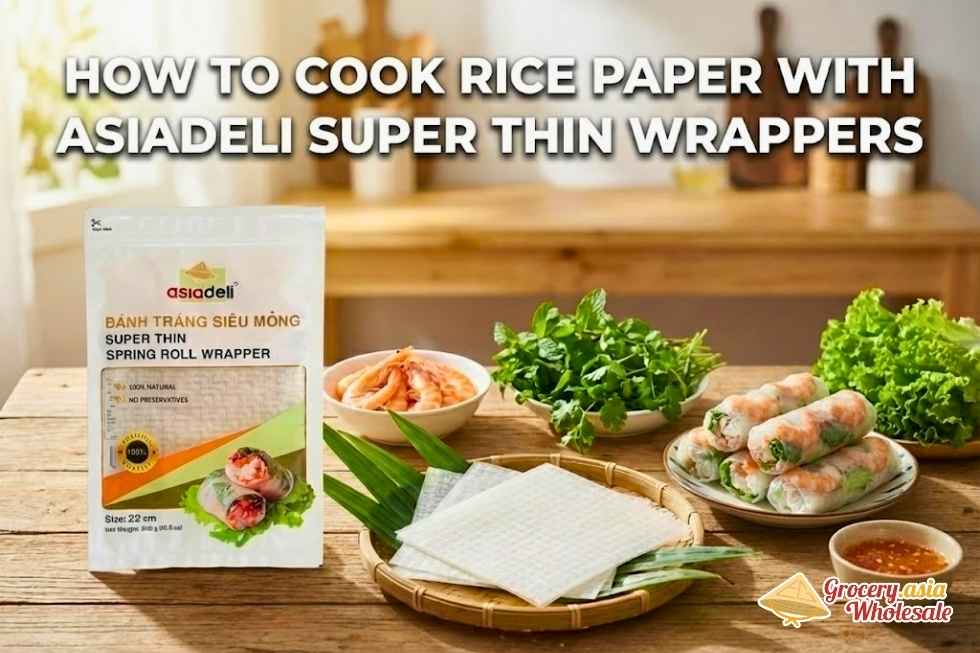
How To Cook Rice Paper With Asiadeli Super Thin Wrappers
08
Jan
Jan
Asiadeli Super Thin Wrappers offer a unique advantage for both home cooks and professional chefs, enhancing culinary results with their quick-softening properties and remarkable resilience during various cooking techniques.
Key Takeaways
- Use warm water (90-100°F) for optimal softening – Dip wrappers for 3-10 seconds until they become flexible but retain firmness. Avoid over-soaking, which could cause tearing.
- Limit filling to 1-2 tablespoons per sheet – Position ingredients on the lower third of the wrapper, then roll tightly like an egg roll to create a secure, self-sealing wrap.
- Choose from four cooking methods:
- Deep fry at 350°F for 2-3 minutes
- Bake at 395°F for 10-15 minutes
- Air fry at 380°F for 10 minutes
- Pan-fry on high heat until golden and crisp
- Chill filled rolls for 10-15 minutes before cooking – This essential step reduces the chance of filling leakage and promotes thorough, even cooking for perfect crispiness.
- Store uncooked sheets at room temperature in original packaging – Do not refrigerate, as cold temperature makes sheets brittle. Keep humidity levels below 60% to avoid sticking.
To learn more about Asiadeli products and purchase options, visit the official Asiadeli website.
Table of Contents
Introduction
Asiadeli Super Thin Wrappers stand out as premium Vietnamese rice paper sheets, specifically designed as the best choice for crafting authentic fresh spring rolls (gỏi cuốn), Japanese sushi alternatives, and other delicate wraps. Distinct from standard market brands, Asiadeli sheets are scientifically formulated primarily from rice and tapioca, a specialized blend that offers superior softness and pliability straight out of the package. These premium wrappers come in convenient packs of 30-32 sheets, measuring a standard 22cm in diameter, which is optimized for consistent portion control. To understand how this product fits into the broader landscape of premium ingredients, we invite you to explore the Vietnamese rice paper ecosystem.
Why Choose Super Thin Wrappers?
I’ve found that super thin rice paper wrappers offer distinct advantages that make them my preferred choice for both commercial and home cooking applications. The reduced thickness directly impacts preparation efficiency, cooking quality, and final dish presentation in ways that standard wrappers simply can’t match.
Key Benefits of Super Thin Rice Paper
Speed becomes a crucial factor when you’re working with high-volume food preparation. Asiadeli sheets soften 20-30% faster in water compared to standard brands due to their thinner construction. This dramatically cuts prep time in busy commercial kitchens where every second counts. I’ve noticed this faster hydration also gives you better control over the wrapper’s flexibility, preventing the common problem of over-soaking that leads to tears.
Texture quality sets super thin wrappers apart from their thicker counterparts. The premium rice-tapioca blend allows for even crisping when fried, completely avoiding the chewy or tough texture that plagues thicker alternatives. When you wrap spring rolls with these sheets, the final bite delivers that perfect crunch without any unwanted chewiness.
Versatility expands your cooking options significantly. The specific product specifications – Size 22cm with 30-32 sheets per package – make these wrappers ideal for spring rolls and sushi applications. I’ve successfully used them for Vietnamese fried rice paper rolls where the thin texture creates an exceptional contrast between the crispy exterior and fresh filling.
Consistent thickness ensures uniform cooking results every time. Unlike standard wrappers that can have varying thickness across a single sheet, super thin versions maintain their structural integrity while providing predictable cooking behavior. This consistency proves especially valuable when you’re preparing large batches for commercial service.
Storage and handling become more manageable with super thin sheets. They take up less space in storage areas and separate more easily from the stack without cracking. I’ve experienced fewer waste issues with these wrappers compared to thicker alternatives that often stick together or break during separation.
Cost efficiency improves when you factor in the reduced cooking time and lower waste rates. While the initial price per sheet might seem comparable, the faster preparation and better yield make super thin wrappers more economical in actual kitchen operations. Professional kitchens particularly benefit from this efficiency gain during peak service periods.
Flavor penetration works better with thinner wrappers. When making grilled Vietnamese rice paper, the reduced thickness allows marinades and seasonings to penetrate more effectively, creating more flavorful end products.
The manufacturing quality of super thin rice paper requires more precise production techniques, which typically results in higher overall product standards. This attention to detail carries through to better packaging, longer shelf life, and more consistent performance across different batches.
Professional chefs consistently prefer super thin wrappers for their reliability and superior cooking characteristics. The ability to achieve restaurant-quality results depends heavily on using ingredients that perform predictably under various cooking conditions, and super thin rice paper delivers this consistency reliably.
When sourcing these products, I recommend working with established suppliers who understand the specific requirements for commercial food service. If you’re looking to purchase in larger quantities, exploring wholesale supplier options can provide better pricing and more reliable supply chains for your operation.
Quick Softening Method: Warm Water Technique
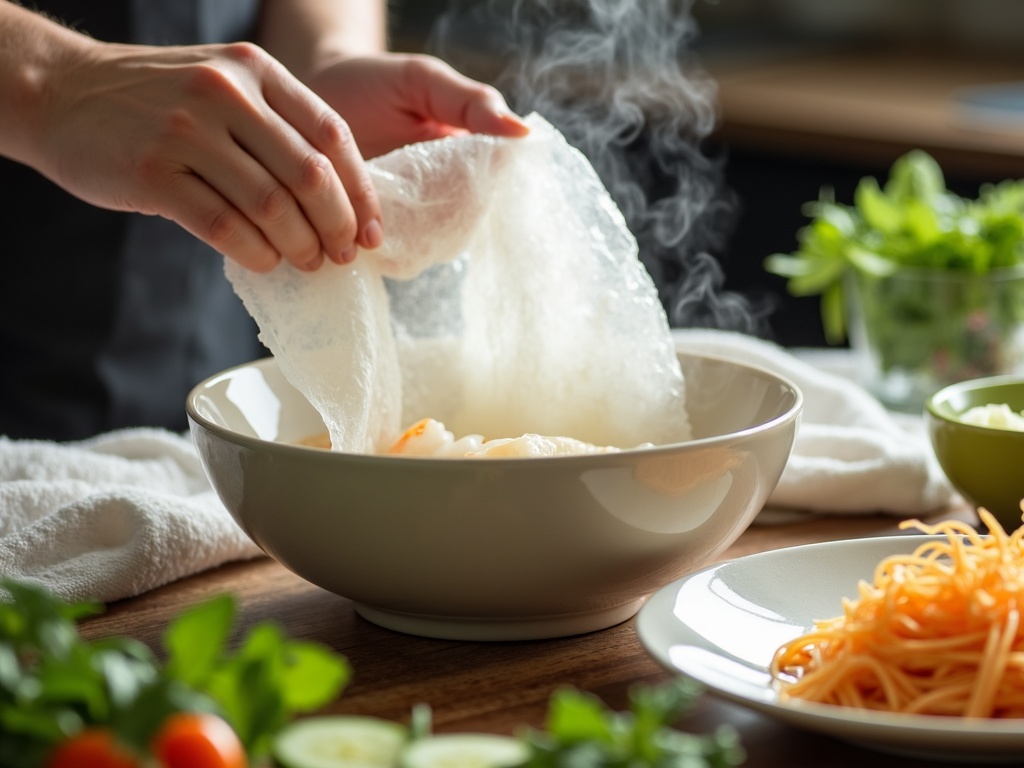
I’ve discovered that maintaining water temperature between 90-100°F (32-38°C) produces the most consistent results when softening rice paper. This optimal range allows the 22cm Asiadeli sheets to transform from rigid discs into pliable wrappers without compromising their structural integrity.
Timing Your Dip for Perfect Results
The key lies in precise timing during the softening process. I recommend dipping each sheet for just 3–10 seconds until it becomes flexible while maintaining slight firmness. Cool water requires 5+ seconds and produces slow, uneven softening that can leave tough spots. Conversely, hot water works too quickly, completing the process in under 3 seconds but creating brittle wrappers that tear easily during handling.
Expert chefs consistently advise following this simple principle: “Dip once in warm water; it softens perfectly by the time you are ready to roll.” This technique ensures the wrapper reaches ideal pliability exactly when you need it for filling and rolling.
Post-Dip Handling and Common Mistakes
After the initial dip, I immediately drain excess water on a clean towel. The sheet continues softening naturally over the next 10–15 seconds during the filling process, reaching perfect flexibility without additional moisture. This gradual completion prevents the oversaturation that leads to tearing.
A quick 3–5 second dip prevents the mushiness that ruins wrapper texture and makes spring roll wrapping nearly impossible. Over-soaking for more than 10 seconds initially creates significant tearing risks as the delicate sheet becomes too fragile to support fillings.
I’ve found this warm water technique works exceptionally well for various preparations, whether you’re making Vietnamese fried rice paper rolls or grilled Vietnamese rice paper. The controlled softening process ensures consistent results across different recipes and filling types.
Quality rice paper responds predictably to this method, which is why choosing reliable suppliers makes such a difference in your cooking success. Fresh, properly manufactured sheets soften evenly and maintain their strength throughout the preparation process.
Proper Filling and Rolling Technique
I’ve discovered that mastering rice paper requires precision with both filling amounts and rolling methods. Super thin wrappers demand careful handling, and I recommend using 1-2 tablespoons of filling per 22cm sheet to maintain structural integrity and prevent tearing.
Strategic Filling Placement
Place your chosen fillings on the lower third of the softened sheet. I position fresh vegetables, marinated tofu, or other ingredients in this specific area to create the most secure roll. Sauté carrots and cabbage for 1-2 minutes to reduce their bulk, or cook hoisin tofu for 2-3 minutes for a flavorful vegan option. These brief cooking times remove excess moisture that could compromise the wrapper’s strength.
Step-by-Step Rolling Process
First, I soften the rice paper sheet completely before adding any ingredients. Once the wrapper becomes pliable, I add my prepared fillings across that lower third section. The rolling technique follows these essential steps:
- Fold the bottom edge over the filling firmly
- Tuck in both sides tightly to seal the edges
- Roll upward in one continuous motion, maintaining steady pressure
I roll these like an egg roll, keeping the motion smooth and deliberate. The wrapper’s natural firmness ensures reliable, no-ripping results in under 20 seconds when executed properly. Rice paper seals itself without requiring any additional binding agents, making it completely gluten-free.
The beauty of this technique lies in how quickly you can achieve professional results. I’ve found that wrapping spring rolls becomes second nature once you understand the proper ratios and placement. The wrapper’s self-sealing properties eliminate the guesswork — you’ll know immediately if you’ve achieved the right tightness by how well the edges bond together.
Practice makes perfect with rice paper rolling. I suggest starting with simpler fillings like lettuce and herbs before advancing to more complex combinations. Each successful roll builds your confidence and speed, transforming what initially seems challenging into an effortless cooking skill. Enhance your rolls with the perfect texture by including Asiadeli Rice Vermicelli as a key filling ingredient.
Four Ways to Cook Asiadeli Wrappers
I’ve discovered that Asiadeli rice paper responds exceptionally well to various cooking methods, each delivering distinct textures and flavors. These thin wrappers crisp beautifully at 350°F in just 2 minutes, which is significantly faster than thicker brands that require 4 minutes of cooking time.
Oven and Air Fryer Methods
Baking produces consistently crispy results when I preheat my oven to 395°F. I spray the wrappers lightly with oil rather than brushing, which prevents excess oil from making them soggy. Flipping at the 10-minute mark ensures even browning, with total cooking time ranging from 10-15 minutes.
Air frying offers a healthier alternative that uses 70% less oil than deep frying. I set my air fryer to 380°F for 10 minutes without any preheating required. This method delivers excellent crispiness while maintaining the delicate texture that makes spring rolls so appealing.
High-Heat Cooking Techniques
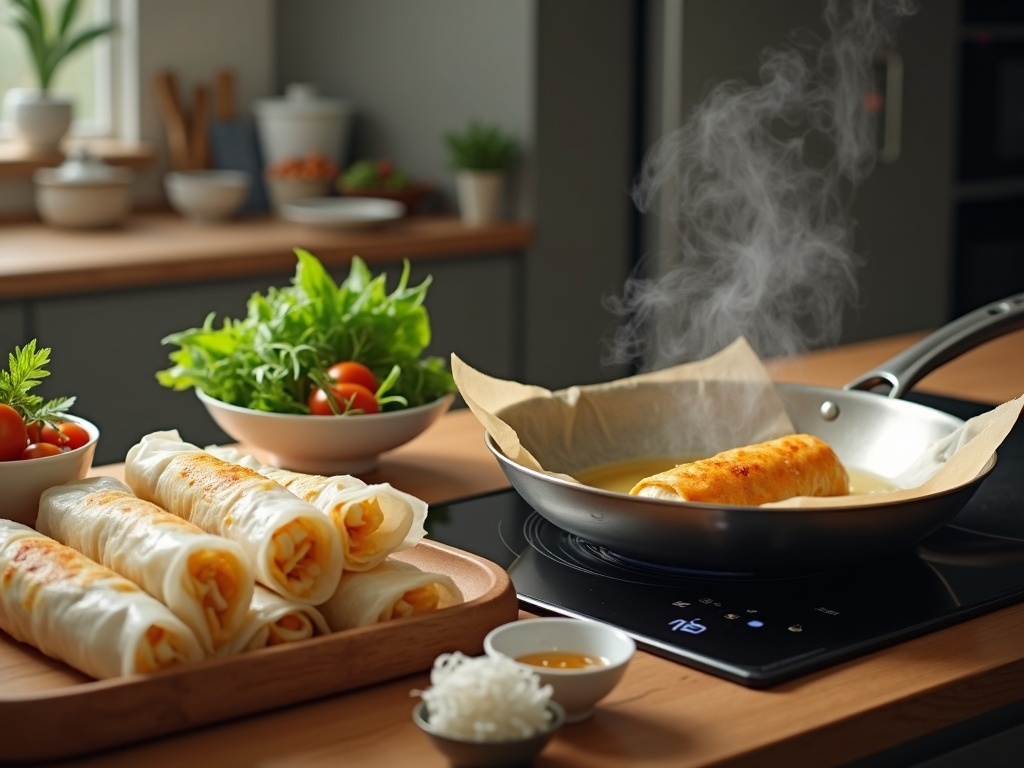
Deep frying delivers the most dramatic transformation when I heat oil to 350°F and fry for just 2-3 minutes. I hold each roll with tongs during cooking, which helps the wrapper puff up within seconds. This technique works particularly well for Vietnamese fried rice paper rolls that need maximum crispiness.
Pan-frying creates unique flavor profiles when I use high heat for brief searing. Adding sesame oil during this process infuses the wrappers with rich, nutty notes that complement both savory and sweet fillings. This method works exceptionally well for grilled Vietnamese rice paper preparations where you want controlled browning.
Each cooking method transforms these versatile wrappers differently. Baking and air frying create lighter, crispier textures perfect for appetizers, while deep frying and pan-frying develop richer flavors and more substantial textures. The key lies in matching your cooking method to your intended dish and desired texture outcome.
Pro Tips for Storage & Crispy Results
Smart preparation and proper storage techniques make the difference between amateur and restaurant-quality rice paper dishes. I’ve discovered that attention to these details transforms your cooking experience and elevates your final results.
Achieving Maximum Crispiness
Chilling your filled rolls for 10-15 minutes before frying creates the perfect texture foundation. This crucial step allows the structure to set properly, preventing filling leakage and ensuring even cooking. I recommend placing your prepared spring rolls on a tray lined with parchment paper during this resting period.
Temperature control during cooking also impacts crispiness significantly. Whether you’re making fried rice paper rolls or trying grilled variations, maintain consistent heat levels for optimal results.
Optimal Storage Practices for Rice Paper
Proper storage practices protect your investment and ensure consistent cooking performance. Keep uncooked rice paper sheets sealed at room temperature, using them within 6-12 months of purchase for optimal quality. The original packaging provides the best protection against environmental factors that compromise sheet integrity.
Your storage environment plays a critical role in maintaining sheet quality. Cool, dry places preserve the sheets’ flexibility and prevent unwanted sticking. Humidity levels above 60% lead to a 50% higher risk of sheets sticking together, making separation difficult and potentially damaging your supply.
I strongly advise against refrigerating uncooked rice paper sheets. Cold environments cause brittleness and breakage, turning your flexible cooking medium into unusable fragments. Room temperature storage in the original packaging maintains the sheets’ pliable nature.
Tips for Long-term Use and Supply
When sourcing rice paper for frequent cooking, consider bulk purchasing from reliable suppliers. Understanding wholesale options helps you maintain a steady supply while managing costs effectively.
- Open packages only when needed
- Reseal them immediately after use
- Use silica gel packets for added moisture control
Monitor your storage conditions regularly, especially during seasonal humidity changes. I keep a small container of silica gel packets near my rice paper storage to absorb excess moisture in humid climates.
Perfecting Your Frying Technique
Fresh oil temperature matters significantly for fried applications. Oil that’s too cool creates soggy results, while excessive heat burns the exterior before cooking the interior properly. Test oil readiness by dropping a small piece of rice paper – it should sizzle immediately and float to the surface.
These storage and preparation techniques ensure your rice paper cooking adventures consistently deliver professional results. Quality ingredients combined with proper handling create the foundation for exceptional dishes that impress family and guests alike.
Ready to Source Premium Rice Paper for Your Business?
I’ve partnered with Asiadeli to bring you exceptional quality rice paper that transforms your cooking experience. Their Super Thin Rice Paper combines rice and tapioca in a perfect blend that softens in seconds while achieving that ideal crispy texture you need for spring rolls and other dishes.
Product Specifications That Meet Professional Standards
Each package contains 30–32 sheets of 22cm round or rectangle rice paper, sized perfectly for both commercial and home use. The super thin profile means faster soaking times and more consistent results across your cooking applications. I appreciate that this rice paper maintains its integrity during frying processes while remaining pliable enough for delicate wrapping techniques.
Quality Certifications You Can Trust
Asiadeli‘s commitment to quality shows through their 100% genuine, gluten-free, and non-GMO certifications. These specifications matter when you’re serving customers or family members with dietary restrictions. The consistent thickness across each sheet eliminates the guesswork from your cooking process, whether you’re preparing grilled rice paper or traditional fresh rolls.
The wholesale pricing structure accommodates both small businesses and large-scale operations. Mix container loading options provide flexibility for distributors who need variety in their orders. This approach helps reduce costs while maintaining the premium quality standards that professional kitchens demand.
Contact us directly for competitive wholesale pricing and detailed product specifications. Their team responds promptly to inquiries through multiple channels, making the ordering process straightforward for busy food service operations.
Contact Information:
- Email: contact@egrocery.asia
- Product Details: https://egrocery.asia/asiadeli-rice-paper.html
- Wholesale Inquiries: https://egrocery.asia/contact.html
For those seeking wholesale suppliers, Asia Grocery Company’s export capabilities and competitive pricing structure make them an excellent choice for international markets. Their experience in export logistics ensures your rice paper arrives in perfect condition, ready for immediate use in your kitchen or distribution network.
Sources:
How to Use Rice Paper in Spring Rolls – CHOW Tip (YouTube, Chowhound)
Crispy Rice Paper Spring Rolls (3 Ways) – My Pure Plants
How to Make Delicious Rice Paper Rolls – A Simple Guide (YouTube)
17 Creative Ways To Use Rice Paper In Your Cooking – Tasting Table
Asiadeli Rice Paper – Best Choice for Spring roll and Japanese Sushi (egrocery.asia)
30-32 Sheets, 22cm Round Spring Roll Wrappers (umnmensclubhockey.com)
How to Use Rice Paper for Snacks, Rolls & More – KimEcopak

