
No products in the cart.
Asiadeli, Asiadeli Rice Paper
How Many Calories Is Rice Paper? A Guide To Low-carb Diets
09
Jan
Jan
Rice paper sheets provide a surprisingly light option for anyone watching their calorie intake. Each sheet delivers only 20-75 calories, creating a substantial advantage over traditional wraps like bread and tortillas. This dramatic calorie reduction makes rice paper particularly appealing for low-carb dieters. However, the 7-11 grams of carbohydrates per sheet means strict ketogenic followers should look elsewhere, though moderate low-carb plans can incorporate rice paper effectively when paired with nutrient-dense fillings.
Key Takeaways
- Rice paper contains 20-75 calories per sheet depending on brand, size, and thickness, with standard 8g sheets averaging 30 calories each
- The nutritional profile is 98% carbohydrates with virtually no fat or protein, making it naturally gluten-free but requiring protein-rich fillings for balanced nutrition
- Rice paper is not compatible with strict keto diets due to 8-11 grams of net carbs per sheet, but works well in moderate low-carb approaches like Weight Watchers
- Compared to bread (70 calories) and tortillas (90-150 calories), rice paper offers substantial calorie savings of up to 120 calories per meal
- Fresh spring rolls made with rice paper and vegetable-heavy fillings typically total only 100-150 calories, making them ideal for weight management goals
Table of Contents
Introduction
Rice paper is a staple in Vietnamese cuisine, universally loved for its delicate transparency and unique chewiness. Yet, for health-conscious eaters and those monitoring their intake, the pressing question often arises: how many calories is rice paper, and does it truly fit into a low-carb diet? The quick answer is that it generally serves as a superior, low-calorie alternative to bread, although carbohydrate counts can vary depending on the specific size and thickness of the sheet. As a provider of premium, 100% natural rice paper that is certified Gluten-Free and Non-GMO, Asiadeli is committed to offering a healthy, transparent option for global consumers. To understand where these products fit within the broader culinary landscape, we invite you to explore our comprehensive guide to the Vietnamese rice paper ecosystem.
Rice Paper Calorie Content: From 20-75 Calories Per Sheet
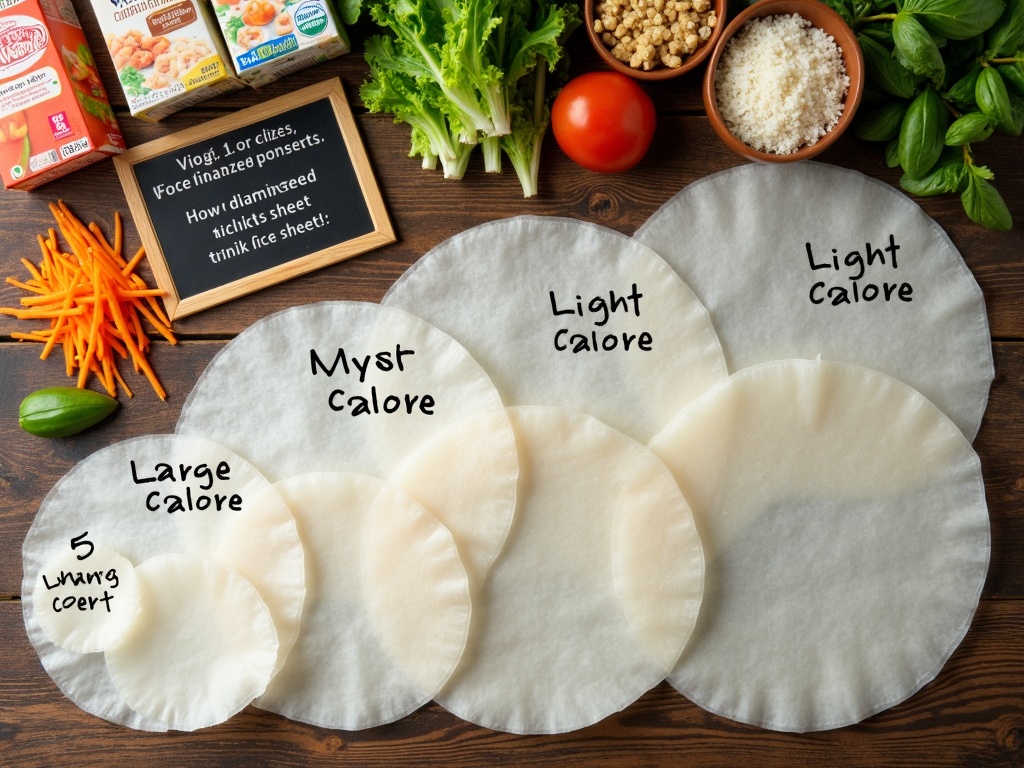
Rice paper sheets contain between 20–75 calories each, with the calorie count directly influenced by three key factors: brand, diameter size, and thickness. Understanding these variations helps you make informed choices for your meal planning and portion control.
A standard 8g rice paper sheet delivers approximately 30 calories, representing the most common size found in grocery stores. This moderate calorie count makes these sheets perfect for everyday use in Vietnamese fried rice paper rolls or fresh spring rolls.
Smaller options provide excellent portion control opportunities. A 5g serving contains just 16 calories, making these sheets ideal for appetizers or when you’re watching your caloric intake. These lighter varieties work particularly well for delicate preparations where you want the filling to take center stage.
Brand-Specific Calorie Variations
Different brands offer distinct calorie profiles based on their manufacturing processes and sheet specifications:
- Bento At Home 13g sheets contain 45 calories per sheet
- Urban Eats extra-large varieties reach 56–75 calories per sheet
- Valcom brand provides 70 calories for a 2-sheet serving (20g total)
- Bamboo-Tree brand delivers 238 calories for a 7-sheet portion (68g total)
- Asiadeli 300g packs contain standard 22cm sheets with moderate calorie ranges
These variations demonstrate how brand selection directly impacts your meal’s total caloric content. Larger sheets from Urban Eats can contain up to 75 calories each, while smaller options keep individual portions under 20 calories.
I recommend checking package labels carefully since manufacturers use different sizing standards. The 22cm sheets from Asiadeli represent a balanced middle ground, offering enough surface area for substantial fillings while maintaining reasonable calorie counts. These sheets work exceptionally well for grilled Vietnamese rice paper preparations where you want crispy textures without excessive calories.
Sheet thickness also plays a crucial role in calorie content. Thicker papers naturally contain more rice flour, resulting in higher calorie counts. Conversely, ultra-thin varieties minimize calories while still providing adequate structural integrity for wrapping.
When purchasing rice paper for regular use, consider your typical serving sizes. Most people use 2–3 sheets per serving, meaning even higher-calorie varieties like the 45-calorie Bento At Home sheets result in manageable totals of 90–135 calories per serving. This calorie range fits comfortably within most dietary plans while providing satisfying portion sizes.
For those interested in bulk purchasing, understanding calorie variations becomes essential for menu planning. Rice paper wholesale suppliers typically offer detailed nutritional information that helps restaurants and meal prep services calculate accurate calorie counts across large batches.
The 238-calorie total for Bamboo-Tree’s 7-sheet portion (68g) breaks down to approximately 34 calories per sheet, placing it in the moderate range despite the larger total serving size. This makes it suitable for family-style preparations or meal prep scenarios where you’re preparing multiple servings at once.
Rice paper’s relatively low calorie content compared to other wrapping options like tortillas or bread makes it an excellent choice for weight-conscious cooking. Even the highest-calorie varieties at 75 calories per sheet remain significantly lower than most alternative wrapping materials, allowing you to focus your caloric budget on nutrient-dense fillings like fresh vegetables, lean proteins, and flavorful herbs.
Complete Nutritional Breakdown: 98% Carbs
I find it fascinating how rice paper maintains such a simple yet specific nutritional profile. The composition centers almost entirely around carbohydrates, which account for roughly 98% of the total macronutrients in every sheet.
The carbohydrate content varies based on sheet size and manufacturer specifications. A standard 13g sheet contains approximately 11g of carbs, while smaller 8g sheets provide around 7g. For larger servings of about 20g, you’ll consume roughly 16.4g of carbohydrates. These numbers make rice paper an excellent vehicle for wraps and rolls when you want to control your carb intake precisely.
Fat content remains virtually nonexistent across most rice paper varieties. I notice that most brands contain 0g fat, though certain manufacturers include trace amounts ranging from 0.1 to 0.2g per sheet. This minimal fat content makes rice paper ideal for low-fat cooking applications like Vietnamese fried rice paper rolls.
Protein and Additional Nutrients
Protein levels in rice paper are notably low, typically ranging from 0.2 to 0.5g per sheet. This minimal protein content means you’ll need to incorporate protein-rich fillings when creating dishes like grilled Vietnamese rice paper to achieve balanced nutrition.
Sugar content registers at 0g across all varieties I’ve examined, which supports stable blood sugar levels. Fiber content remains equally minimal, ranging from 0 to 0.3g per sheet. This low fiber count contributes to rice paper’s easy digestibility but means you’ll want to add fiber through vegetable fillings.
The mineral content includes trace amounts that provide minor nutritional value:
- Iron content averages around 0.4mg per sheet
- Calcium appears in small quantities
- Other essential minerals exist in negligible amounts
Rice paper’s ingredient list remains refreshingly simple. Manufacturers typically use just rice flour, tapioca starch, and water to create these translucent sheets. This straightforward composition eliminates artificial additives and preservatives that often appear in processed foods.
The gluten-free nature of rice paper makes it particularly valuable for people with celiac disease or gluten sensitivity. Since rice and tapioca naturally contain no gluten, you can confidently use rice paper as a wheat wrapper substitute. This characteristic has made rice paper increasingly popular among health-conscious consumers and those following specific dietary protocols.
The manufacturing process involves mixing rice flour and tapioca starch with water, then rolling the mixture into thin sheets before drying. This simple technique preserves the natural qualities of the base ingredients while creating a versatile wrapper that absorbs flavors without overwhelming them.
When considering where to buy rice paper, you’ll find that nutritional values remain consistent across most reputable brands. The standardized production methods ensure that carbohydrate ratios and calorie counts vary minimally between manufacturers.
Rice paper’s nutritional simplicity makes it an excellent foundation for building balanced meals. By adding protein sources, healthy fats, and fiber-rich vegetables, you can transform these low-calorie sheets into satisfying, nutritious dishes. The neutral flavor profile accommodates both sweet and savory applications, giving you flexibility in meal planning while maintaining precise control over your nutritional intake.
Is Rice Paper Keto? A Guide to Low-Carb Diets
When it comes to ketogenic eating plans, being honest about rice paper’s compatibility is essential. Unfortunately, **rice paper doesn’t align well with strict keto diets** due to its relatively high carbohydrate density. Every sheet contains approximately 8-11 grams of net carbs. That means just 2-3 sheets can contribute 16.8–25.2 grams of net carbs, quickly nearing or even exceeding the typical ketogenic daily limit of 20-30 grams of carbohydrates.
The math simply doesn’t work well for traditional keto followers. If you’re closely tracking macros and aiming to maintain ketosis, the carb content of rice paper becomes a significant hurdle. A single Vietnamese spring roll wrap can consume nearly half of your daily carb allowance even before you add protein, vegetables, or dipping sauces.
Rice Paper in Moderate Low-Carb Programs
Rice paper finds a more suitable place in flexible low-carb approaches. Diets like Weight Watchers or moderate carb-cycling plans allow for more carbohydrate leniency, making rice paper an acceptable choice. Under these frameworks, the 7-8 grams of carbs per sheet are manageable rather than restrictive. Many people following these flexible approaches enjoy dishes like Vietnamese fried rice paper rolls or grilled Vietnamese rice paper without disrupting progress.
The low calorie content of rice paper works in its favor across all dietary plans. A typical 2-3 sheet serving contains only 60–100 calories, making it a light, satisfying option. These low-calorie portions allow you to enjoy satisfying meals without heavily impacting your daily caloric intake, which aids any weight management goal.
Pairing becomes key when using rice paper in a low-carb context. Choose high-fiber, low-carb vegetables to enhance satiety while keeping carbs in check:
- Bell peppers offer crunch, vitamin C, and fiber
- Carrots provide natural sweetness and beta-carotene
- Cucumbers contribute hydration and minimal carbohydrates
- Lettuce adds volume and freshness
- Herbs like cilantro and mint boost flavor without additional carbs
These ingredients improve digestion, increase satisfaction, and deliver essential micronutrients. Their fiber content also slows down sugar absorption and helps maintain a more stable blood sugar profile — important for anyone monitoring carb intake.
For those strictly following keto but still craving rice paper dishes, consider making them occasional indulgences rather than routine inclusions. You could reserve them for special events or higher-carb refeed days if your diet includes them. Alternatively, you might try shirataki noodle sheets or other ultra-low-carb wrappers that mimic the function of rice paper.
Timing can also play a strategic role. Eating rice paper-based meals around physical activity, such as pre- or post-workout, can help your body use the carbs for immediate energy instead of storing them as fat. However, this approach requires personal experimentation and may not suit everyone.
Many low-carb dieters successfully incorporate rice paper into their routines by being mindful and intentional. It comes down to understanding your personal carbohydrate boundaries, daily macro goals, and how rice paper fits into your nutritional context. Instead of completely eliminating it, consider it a food to be applied with intention and balance.
Product quality also matters. Different varieties of rice paper differ in thickness and carbohydrate content. Thinner sheets generally contain fewer carbs but may be more fragile, which can affect their usability in recipes. Always check nutrition labels to make informed choices.
In summary, while rice paper doesn’t fit well into strict ketogenic diets, it can be part of a moderate low-carb lifestyle when used wisely. Strategic pairing, timing, and understanding your personal requirements are key to enjoying rice paper while maintaining your dietary goals.
Rice Paper vs. Bread & Tortillas: The Calorie Savings
Significant Calorie Reduction Compared to Traditional Wraps
I’ve found that rice paper delivers impressive calorie savings when compared to conventional bread and tortilla options. At approximately 30 calories per sheet, rice paper contains substantially fewer calories than bread slices (around 70 calories each) or wheat tortillas (90–150 calories). This dramatic difference means you can enjoy Vietnamese fried rice paper rolls without the caloric burden of traditional wraps.
The math works strongly in rice paper’s favor. If you typically prepare three wraps using bread, you’re consuming about 210 calories just from the wrapper alone. Switching to rice paper reduces this to just 90 calories — a savings of 120 calories per meal. Over time, these reductions add up significantly for anyone managing their caloric intake or pursuing weight management goals.
Texture and Practical Advantages Beyond Calories
Rice paper’s naturally thin profile contributes to its low calorie count while providing additional benefits. The delicate structure creates a lighter eating experience compared to dense bread alternatives, and it’s naturally gluten-free, making it accessible for people with gluten sensitivities or celiac disease.
However, I’ve noticed that some rice paper brands can be fragile during preparation, requiring careful hydration to prevent tearing. The challenge lies in achieving the right balance — softening the paper enough for easy rolling while maintaining structural integrity to hold fillings securely.
Asiadeli Super Thin Rice Paper addresses these preparation challenges effectively. Its durable structure maintains strength during hydration while remaining thin enough for quick softening and comfortable chewing. This practical design enhancement makes it easier to create grilled Vietnamese rice paper dishes without worrying about tears or breaks during assembly.
The convenience factor extends beyond just calories. Rice paper’s flexibility allows for creative filling combinations without the structural limitations of bread or tortillas. You can pack more vegetables and lean proteins into each wrap, further enhancing the nutritional profile of your meal while maintaining that satisfying wrapped food experience.
When sourcing quality rice paper for regular use, I recommend exploring wholesale supplier options to ensure consistent quality and better value for health-focused meal preparation.
Low-Calorie Recipe Applications
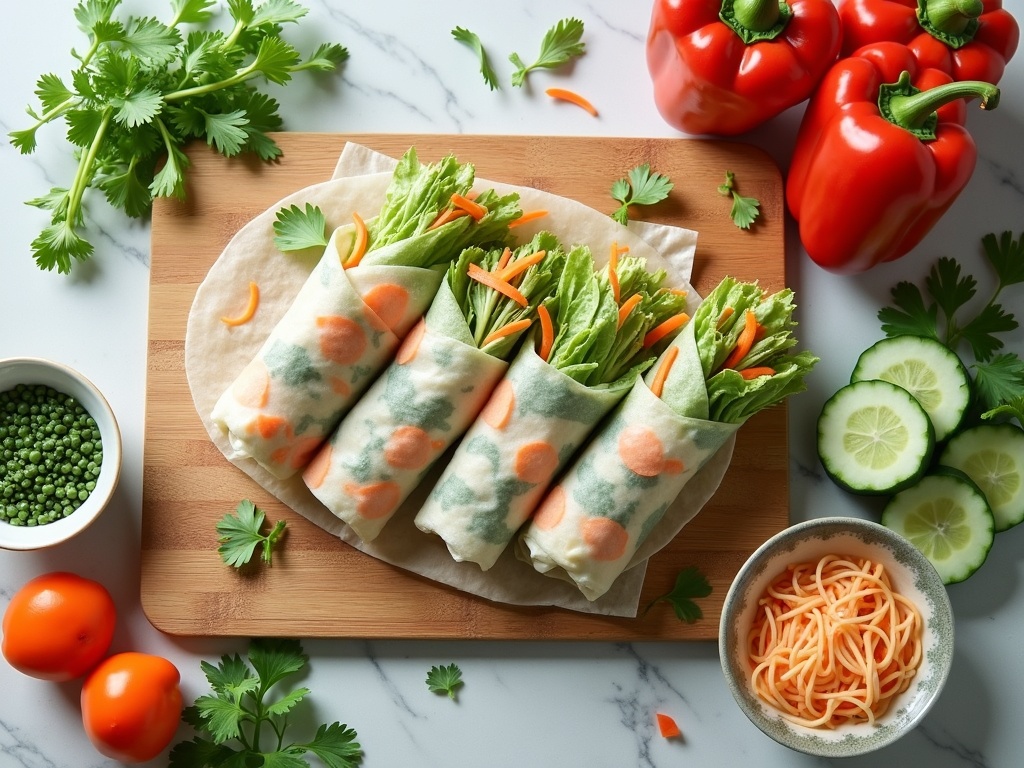
Rice paper’s minimal calorie content makes it an excellent foundation for nutritious, satisfying meals that won’t derail your dietary goals. A fresh summer roll made with rice paper typically totals only 100–150 kcal when filled with healthy ingredients, making it perfect for weight management or light dining.
Building Volume with Nutrient-Dense Fillings
I recommend focusing on volume by increasing vegetable content and lean proteins such as shrimp or chicken while minimizing the amount of vermicelli or noodles. For the best texture, use Asiadeli Rice Vermicelli sparingly inside the roll for authentic taste without overloading carbs. This approach creates substantial rolls that feel satisfying without excess calories. Fill your rice paper with:
- Crisp lettuce
- Cucumber
- Bell peppers
- Carrots
- Fresh herbs like cilantro and mint
These ingredients add bulk, crunch, and essential nutrients while keeping calories remarkably low.
Optimizing Nutritional Balance
This method creates a roll with low saturated fat and helps stabilize blood sugar when combined with fiber-rich ingredients. The high water content in vegetables paired with lean proteins provides lasting satiety without causing energy crashes. For protein options, I suggest:
- Cooked shrimp
- Grilled chicken breast
- Tofu (for plant-based alternatives)
For an optimal balance of flavor and health benefits, use Vietnamese rice paper rolls sparingly inside the roll to preserve authentic taste while controlling carbohydrate content. Consider adding just a small handful of vermicelli rather than filling the entire roll with noodles. This technique maintains the traditional texture and flavor profile while keeping calories in check.
I find that incorporating colorful vegetables not only enhances visual appeal but also maximizes nutrient density per calorie. Some vibrant and delicious options include:
- Purple cabbage
- Julienned daikon radish
- Thinly sliced mango
These add natural sweetness and color without significantly impacting the calorie counts.
The beauty of rice paper applications lies in their versatility. You can experiment with different filling combinations while maintaining the low-calorie advantage. Some creative ideas include:
- Mediterranean-style rolls with grilled vegetables and a small amount of feta cheese
- Thai-style rolls with fresh basil and a light peanut dipping sauce served on the side
When sourcing ingredients, I recommend purchasing from reliable suppliers who provide consistent quality. Quality rice paper makes a significant difference in both texture and ease of preparation, ensuring your low-calorie creations are both delicious and visually appealing.
Looking for Healthy, Gluten-Free Rice Paper for Your Market?
I recommend Asiadeli’s Super Thin Rice Paper for businesses seeking premium quality products that meet health-conscious consumer demands. This rice paper is crafted from 100% natural ingredients, offering an exceptional foundation for various culinary applications.
Nutritional Excellence
The nutritional profile of Asiadeli rice paper addresses modern dietary preferences perfectly. Each serving provides low calories with 0g fat content, making it an ideal choice for weight-conscious customers. The product is completely gluten-free and Non-GMO certified, ensuring it meets strict dietary requirements for those with celiac disease or gluten sensitivities.
These rice papers work exceptionally well for creating Vietnamese fried rice paper rolls and can be used in grilled Vietnamese rice paper preparations. The versatility extends beyond traditional Vietnamese cuisine, making them suitable for fusion dishes that cater to diverse customer preferences.
Premium Quality and Convenience
Asiadeli rice paper meets premium export standards, ensuring consistent quality across every batch. The unique manufacturing process eliminates the need for dipping in water before use, saving valuable preparation time in commercial kitchens. This convenience factor significantly improves operational efficiency while maintaining authentic taste and texture.
For businesses looking to source quality ingredients, I suggest exploring comprehensive rice paper wholesale options to understand market pricing and supplier relationships. Asiadeli offers competitive wholesale prices with mix container availability, allowing retailers to stock diverse product ranges efficiently.
I encourage you to contact us for a personalized quote that meets your specific business needs. Our team understands the importance of reliable supply chains and consistent product quality in the food service industry.
For complete product specifications and detailed nutritional information, view our comprehensive product details at the Asiadeli page. This resource provides everything needed to make informed purchasing decisions for your business.
Sources:
Bento At Home – Rice Paper Sheets
SnapCalorie – Rice Paper Sheets Nutrition Facts
Kimecopak – Rice Paper Nutrition Facts, Calories, Benefits & Healthy Recipes
KetoVale – Is Rice Paper Keto?
RicePaperRoll.com – Rice Paper Wrappers: Nutrition, Carbs and Calories
Toronto Pho – Rice Paper Rolls for Weight Watchers: A Low-Carb Delight
NutritionValue.org – Rice Paper Nutritional Value
Foober – Keto Enigma: The Verdict on Rice Paper Rolls
MyNetDiary – Vietnamese Rice Paper by Urban Eats
FatSecret – Rice Paper Nutritional Information

