
No products in the cart.
Asiadeli, Asiadeli Rice Paper
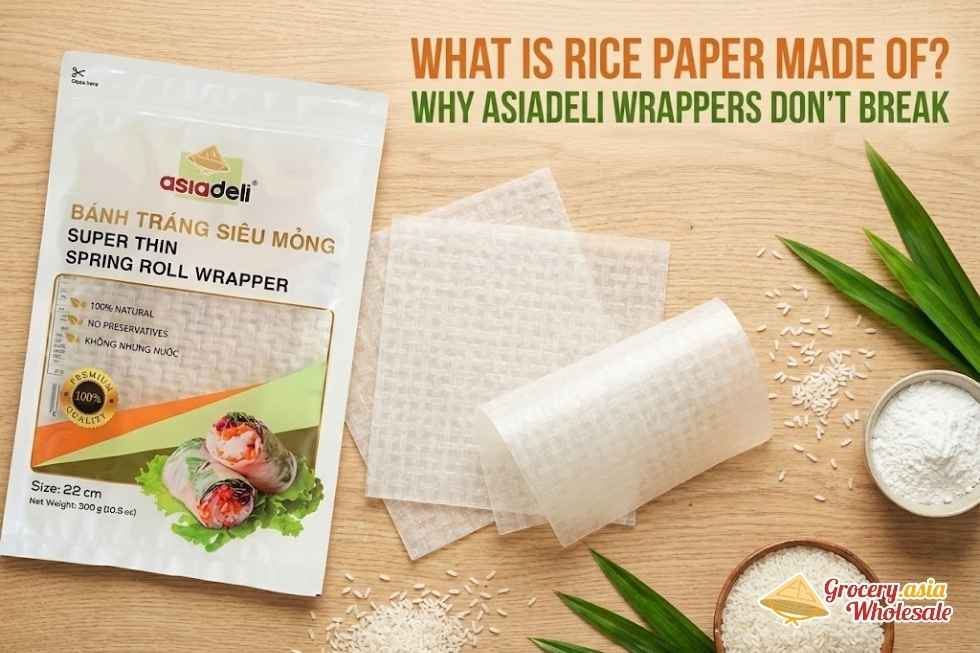
What Is Rice Paper Made Of? Why Asiadeli Wrappers Don’t Break
10
Jan
Jan
Rice paper contains only four core ingredients—rice flour, tapioca starch, salt, and water—precisely balanced to produce flexible, crack-resistant wrappers. Asiadeli wrappers deliver exceptional strength through their perfected 95% rice flour to 5% tapioca starch ratio, eliminating the brittleness that makes traditional rice papers break during prep work.
Key Takeaways
- Rice paper’s flexibility relies mainly on tapioca starch content, which delivers elasticity and stops cracking during folding and rolling.
- Professional manufacturing standards including correct batter consistency, regulated drying temperatures, and high-quality water eliminate brittleness in premium rice papers.
- Asiadeli Super Thin Rice Paper removes water dipping requirements while keeping super elastic properties through perfected ingredient ratios.
- Correct rehydration technique requires quick 3-second soaking in warm (100°F) filtered water to reach pliable texture without oversaturation.
- Rice paper provides excellent nutritional benefits with 995 kilojoules per serving, zero fat and protein, plus gluten-free and non-GMO properties.
For more information on premium rice paper options, visit the official Asiadeli website.
Table of Contents
Introduction
Rice paper is the soul of Vietnamese rolls, but nothing is more frustrating than a wrapper that cracks or tears while rolling. So, what is rice paper made of, and what is the secret to a sheet that is super thin yet durable? The answer lies in the delicate balance of Rice Flour, Water, Salt, and the “secret weapon”—Tapioca Starch. Asiadeli Super Thin Rice Paper stands out as the premium solution that solves the breakage issue thanks to an optimized ingredient ratio. To understand the science behind these ingredients, we invite you to explore the Vietnamese rice paper ecosystem.
Rice Paper’s Four Essential Ingredients
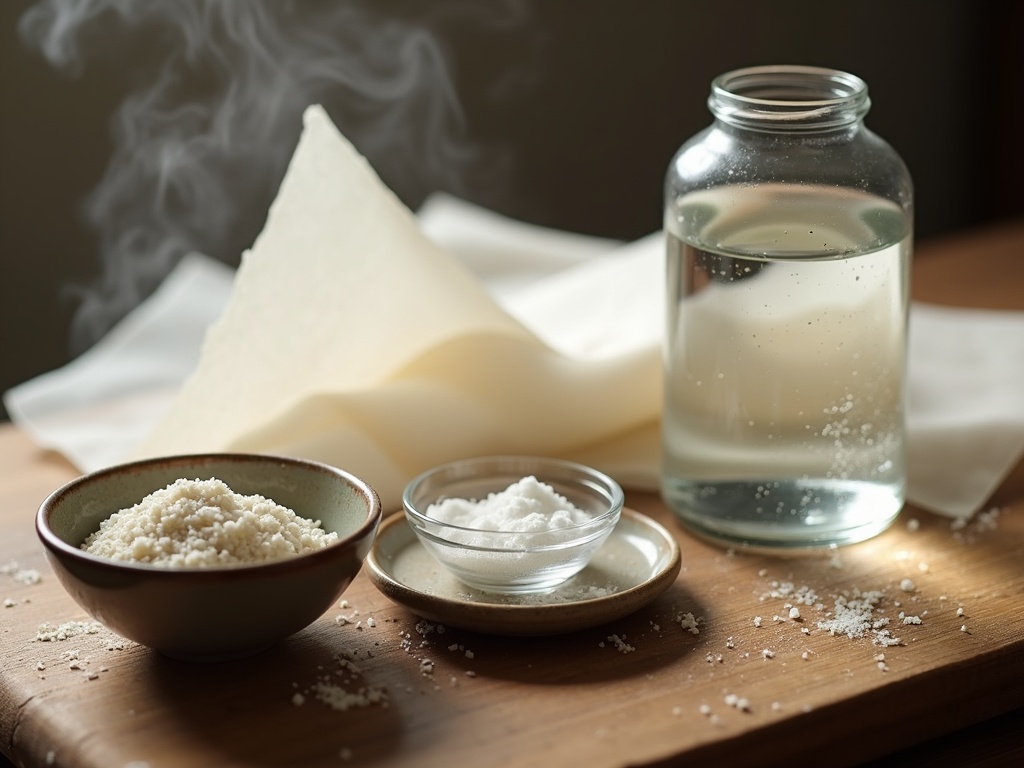
Rice paper’s remarkably simple composition relies on just four carefully balanced components that create its distinctive texture and functionality. Understanding these ingredients helps explain why this ancient Asian staple remains so versatile in modern cooking applications.
Primary Structure and Flexibility Components
Rice flour forms the foundation of every rice paper sheet. Manufacturers use finely ground varieties that dissolve smoothly in water, creating the translucent, pliable texture that makes wrapping possible. The quality of rice flour directly affects how easily the sheets separate and how well they maintain their integrity during preparation.
Tapioca starch serves as the critical flexibility agent in the mixture. This ingredient prevents the finished sheets from becoming brittle and cracking during handling. Without adequate tapioca starch, rice papers would shatter when bent or folded, making them useless for Vietnamese fried rice paper rolls or other wrapping applications. The starch also contributes to the characteristic chewy texture that develops when rice paper is moistened and wrapped around fillings.
Flavor Enhancement and Production Essentials
Salt plays a dual role in rice paper production. Beyond enhancing the subtle flavor profile, it strengthens the gluten-free structure by helping proteins bond more effectively during the drying process. This creates sheets that hold together better while maintaining their delicate appearance.
Water quality represents the final crucial element in rice paper manufacturing. Pure, clean water ensures the final product maintains its pristine appearance and neutral taste. Poor water quality can introduce off-flavors or create texture irregularities that affect performance during cooking.
The optimal ingredient ratio for premium rice papers typically follows a 95% rice flour to 5% tapioca starch formula. This balance provides the ideal combination of structural integrity and flexibility that professionals expect from high-quality products. However, I’ve found that adjustments may be necessary depending on specific flour brands and their individual characteristics.
Different manufacturers may fine-tune these ratios slightly to achieve their desired texture profile. Some brands focus on extra-thin sheets for delicate applications like grilled Vietnamese rice paper, while others prioritize durability for heartier filled rolls.
These four simple ingredients combine through traditional production methods to create the versatile wrapper that has sustained Asian cuisine for centuries. The precise balance between rice flour’s structure, tapioca starch’s flexibility, salt’s enhancement properties, and pure water’s neutral base determines the final product’s quality and performance in your kitchen.
The Secret Behind Non-Breaking Wrappers: Tapioca’s Role
I’ve discovered that flexibility in rice paper comes down to one crucial ingredient: tapioca starch. This remarkable component transforms what could be a brittle sheet into a pliable wrapper that can handle folding, rolling, and stretching without falling apart.
Tapioca starch brings elasticity to rice paper through its unique molecular structure. When hydrated during production, these molecules create flexible bonds that allow the finished sheets to bend and stretch rather than crack under pressure. This elasticity proves essential when you’re working with delicate fillings or creating intricate folds in dishes like Vietnamese fried rice paper rolls.
The starch content directly affects how rice paper performs in your kitchen. If manufacturers notice their sheets tear too easily during testing, they increase tapioca starch slightly to strengthen the wrapper’s structure. This adjustment adds more stretch and prevents those frustrating moments when your carefully prepared filling breaks through the wrapper.
Balancing Texture and Strength
Smart manufacturers know that finding the right starch balance requires careful calibration. Too much tapioca starch creates wrappers that become unpleasantly chewy when hydrated. Too little results in sheets that crack at the first sign of stress. I’ve found that premium producers like Asiadeli have perfected this balance in their Asiadeli Super Thin product line, achieving maximum flexibility while maintaining structural integrity.
The starch adjustment process involves several key considerations:
- Testing wrapper elasticity under various humidity conditions
- Measuring tear resistance with different filling weights
- Evaluating texture changes after soaking in warm water
- Checking consistency across large production batches
This optimization becomes particularly important for applications like grilled rice paper, where heat exposure can affect the wrapper’s flexibility. Properly balanced tapioca starch content ensures the sheets remain workable even when subjected to cooking temperatures.
Understanding this starch component helps explain why some rice paper brands perform better than others. When you’re sourcing rice paper wholesale, manufacturers who control their tapioca starch ratios deliver more consistent results across their product lines.
The molecular properties of tapioca starch also contribute to rice paper’s ability to soften evenly when moistened. This uniform hydration prevents weak spots that could lead to unexpected tears during food preparation. Professional chefs rely on this consistency when creating dishes that require perfect wrapper integrity from start to finish.
Professional Production: Why Quality Matters
I’ve witnessed countless home cooks struggle with brittle rice paper that cracks at the slightest touch, and the difference often comes down to manufacturing standards. Professional production requires precise control over multiple variables that dramatically impact the final product’s usability.
Critical Manufacturing Steps
Proper batter consistency serves as the foundation for quality rice paper production. The mixture should coat a spoon without being too thick, ensuring each sheet achieves optimal thinness. I’ve found that manufacturers who maintain this balance create papers that remain pliable during cooking processes like Vietnamese fried rice paper rolls.
Professional facilities strain their batter through fine mesh at least once to remove lumps. This step eliminates imperfections that would otherwise create weak points in the finished sheets. The result is smoother, more flexible rice paper that’s less prone to tearing during assembly or cooking.
The resting period allows starches to fully hydrate before the actual sheet formation begins. Rushed batter often produces rice paper with rough surfaces or uneven thickness, both characteristics that contribute to tearing during use. I recommend checking for uniformity when purchasing rice paper, as this indicates proper hydration time was allowed.
Quality Control Standards
Over-drying represents one of the most common manufacturing errors that causes brittleness in lower-quality brands. Asiadeli products are manufactured under strict control to avoid this issue, maintaining just enough moisture to preserve flexibility without compromising shelf stability.
Temperature control during the drying process requires constant monitoring. Too much heat creates sheets that snap easily, while insufficient drying leads to products that become soggy quickly when moistened. Professional manufacturers maintain precise drying conditions that allow rice paper to soften properly for applications like grilled Vietnamese rice paper.
Storage conditions also impact quality significantly. Rice paper exposed to humidity fluctuations during warehousing develops inconsistent texture. I always check packaging dates and choose suppliers who maintain controlled storage environments throughout their distribution chain.
Quality rice paper should exhibit:
- Uniform color and thickness across each sheet
- No darker spots or variations in opacity
- Consistent heat distribution during production
The flexibility test provides immediate quality assessment. High-quality rice paper bends without breaking when dry, while inferior products crack or fragment. This characteristic directly correlates with proper starch hydration and controlled drying processes that professional facilities prioritize.
When sourcing rice paper for commercial use, I evaluate suppliers based on their production consistency rather than just price. Wholesale rice paper suppliers who maintain strict quality standards typically invest more in proper manufacturing equipment and process controls.
Packaging quality also reflects manufacturing standards. Professional producers use moisture-barrier materials that protect rice paper from environmental changes during transport and storage. Poor packaging often indicates shortcuts taken throughout the production process.
The difference between professional and amateur production becomes apparent during actual cooking. Quality rice paper:
- Softens evenly when moistened
- Maintains structural integrity during filling
- Doesn’t develop tears at stress points
These characteristics result directly from controlled manufacturing processes that prioritize consistency over speed or cost-cutting measures.
How to Use Rice Paper Without Breaking It
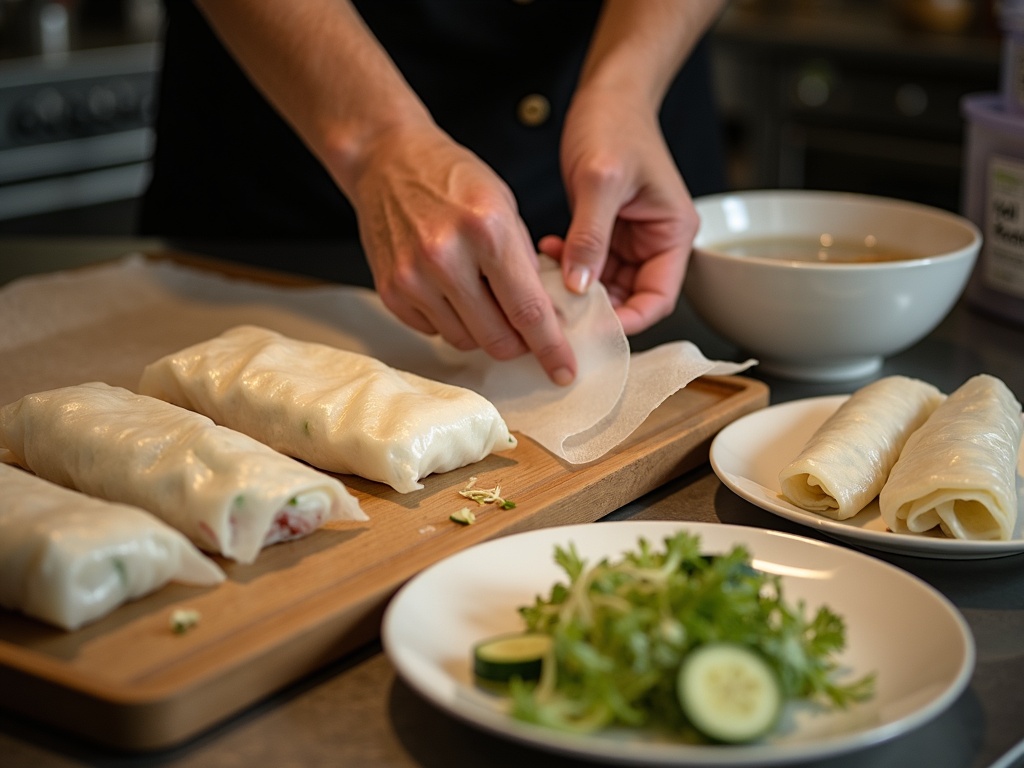
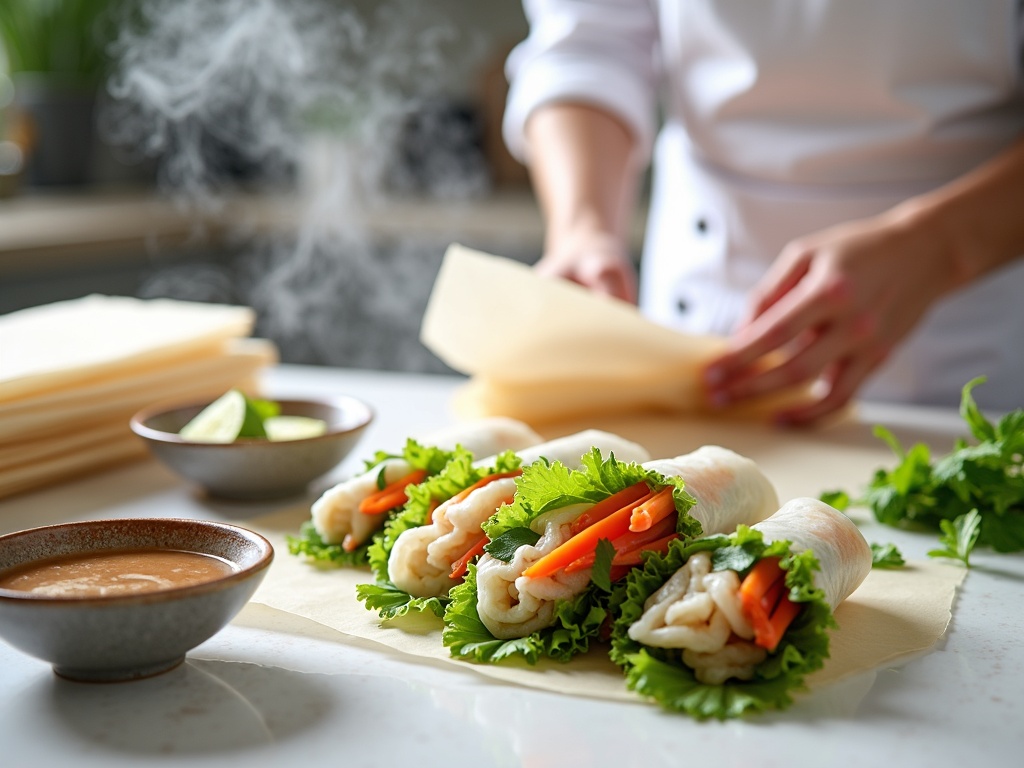
I’ve found that proper rehydration is the key to working with rice paper successfully. Standard rice paper requires brief rehydration in warm water—approximately 3 seconds—to become pliable. This short timeframe prevents the wrapper from becoming too soft and falling apart in your hands.
Water Quality and Preparation Techniques
Hard water can affect texture negatively, creating uneven softening that leads to weak spots and tears. I always recommend using filtered water for consistent, professional results. The minerals in hard water interfere with the rice paper’s ability to absorb moisture evenly, which causes some areas to become mushy while others remain stiff.
With Asiadeli Super Thin Rice Paper, there’s no need for dipping in water for long periods—just a quick rinse is enough to activate the wrapper. These ultra-thin varieties respond faster to moisture, so I reduce my soaking time even further to prevent oversaturation.
For recipes that require extra handling, I employ the double wrapping technique. Using two sheets significantly increases strength and reduces tearing, though it does add a slightly chewier texture. This method works particularly well for fried rice paper rolls that need to withstand oil and heat.
Temperature control matters just as much as timing. I keep my water warm but not hot—around 100°F works perfectly. Hot water causes the rice paper to dissolve too quickly, while cold water takes too long to penetrate the wrapper’s surface.
For grilled preparations like banh trang nuong, I skip the water step entirely and work directly with dry wrappers. The heat from grilling provides the moisture needed to soften the rice paper gradually.
I’ve discovered that stacking prepared sheets between damp towels prevents them from drying out while I work. This technique lets me prepare multiple wrappers at once without worrying about timing. Each wrapper stays workable for about 10 minutes when properly covered.
The filling you choose affects how the rice paper behaves. Wet ingredients like cucumber or tomatoes can soften the wrapper further, so I place them in the center and wrap them with drier ingredients like lettuce or herbs. For the perfect roll, pair these wrappers with Asiadeli Rice Vermicelli to ensure a harmonious texture balance that won’t overpower the delicate wrapper.
Proper Rolling and Storage
Rolling technique prevents most breakage issues. I start with the bottom edge, fold in the sides, then roll forward while maintaining gentle but firm pressure. Stopping halfway through to tighten the roll eliminates air pockets that can cause splitting.
Storage plays a crucial role in rice paper integrity. I keep unopened packages in a cool, dry place away from humidity. Once opened, I transfer unused wrappers to an airtight container with a moisture absorber packet. Properly stored rice paper maintains its flexibility for months.
When sourcing quality rice paper, I look for suppliers who understand proper handling and storage. Wholesale suppliers often provide better quality control than retail stores, ensuring the wrappers haven’t been damaged during shipping.
Practice makes perfect with rice paper handling. I recommend starting with thicker varieties before moving to ultra-thin versions. Each type has its own characteristics, and understanding these differences helps you choose the right wrapper for your specific dish.
Humidity affects rice paper even in storage. On particularly humid days, I find that wrappers become slightly softer and require less soaking time. Conversely, dry winter air makes them more brittle, necessitating an extra second or two in the water bath.
Nutritional Profile: Low-Calorie & Healthy
I find rice paper to be an excellent choice for health-conscious cooks looking for a light, versatile wrapper. A standard 68-gram serving provides approximately 995 kilojoules of energy, making it a low-calorie option that won’t derail your dietary goals.
The macronutrient breakdown reveals why rice paper appeals to so many different eating styles. Each serving contains approximately 59 grams of carbohydrates, which provide the primary energy source. What makes rice paper particularly attractive for certain diets is its complete absence of fat and protein — both register at 0 grams per serving. This composition makes it ideal for those following specific macronutrient targets or seeking a neutral base that won’t interfere with other ingredients’ nutritional profiles.
Additional Health Benefits
Beyond the basic nutritional numbers, rice paper offers several health advantages that I particularly appreciate. The sodium content sits at approximately 105 milligrams per serving, which remains relatively low compared to many processed wrapper alternatives. This moderate sodium level allows you to control the salt content in your dishes through your choice of fillings and seasonings.
Rice paper naturally meets several important dietary requirements that make it accessible to various eating preferences:
- Gluten-free composition makes it suitable for those with celiac disease or gluten sensitivity
- Non-GMO status appeals to consumers seeking minimally processed ingredients
- Meets strict Asiadeli standards for quality and purity
- Contains no artificial preservatives or additives
- Provides a neutral flavor that doesn’t compete with your chosen ingredients
I recommend rice paper as an excellent foundation for creating Vietnamese fried rice paper rolls or experimenting with grilled rice paper variations. The low-calorie profile allows you to focus your nutritional attention on nutrient-dense fillings like fresh vegetables, herbs, and lean proteins.
For those managing their weight or following specific eating plans, rice paper’s predictable nutritional profile simplifies meal planning calculations. The absence of hidden fats or unexpected ingredients means you can accurately track your intake while enjoying creative, satisfying meals. When sourcing rice paper, I always verify that it maintains these clean nutritional standards to ensure consistent results in both taste and health benefits.
Get Premium Rice Paper That Won’t Break
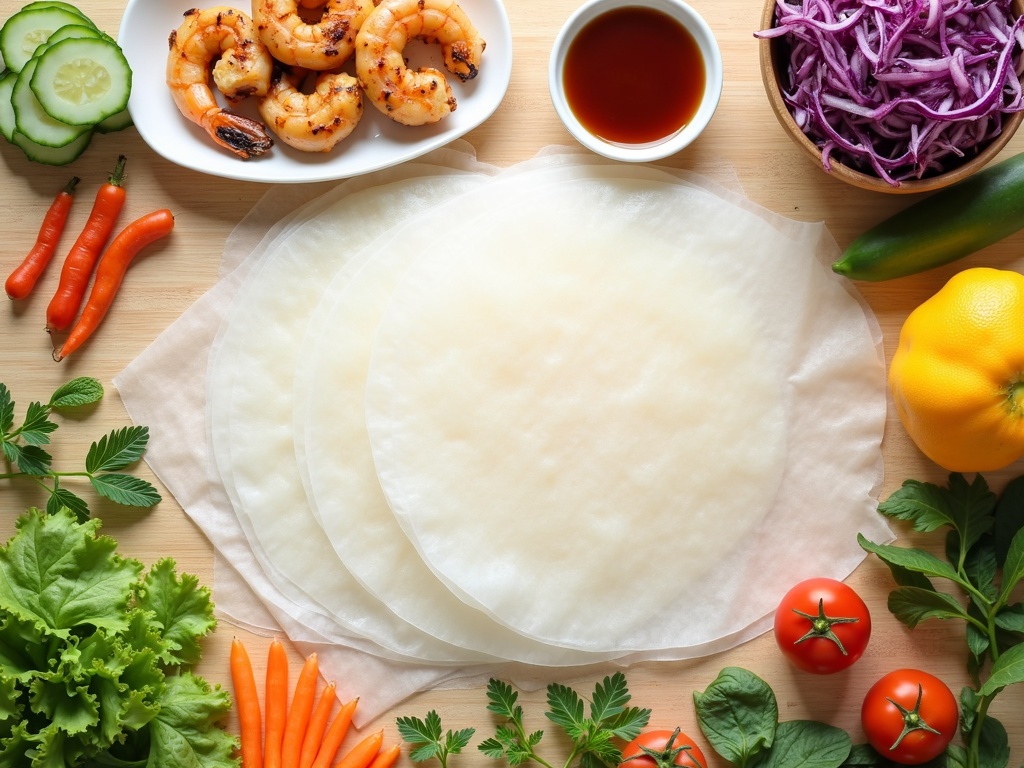
I recommend Asiadeli’s Super Thin Rice Paper for anyone serious about creating perfect spring rolls and wraps. This premium product features the ideal rice-to-tapioca ratio that delivers exceptional flexibility without the frustration of tearing during preparation.
Why Asiadeli Rice Paper Stands Out
The unique formulation eliminates the traditional hassle of water dipping while maintaining super elastic properties that professional chefs demand. Key advantages include:
- No need for water dipping – saves time and reduces mess
- Super elastic texture that stretches without breaking
- 100% natural ingredients with no artificial additives
- Gluten-free composition suitable for dietary restrictions
- Export-quality standards ensuring consistent performance
- Perfect balance of rice and tapioca for optimal flexibility
I’ve found this rice paper particularly effective for Vietnamese fried rice paper rolls where durability during filling and rolling is crucial. The enhanced elasticity also works exceptionally well for grilled rice paper preparations where heat resistance matters.
Asia Grocery Company offers flexible purchasing options including full container and mixed container arrangements for businesses.
For detailed product specifications and current pricing, contact them directly at contact@egrocery.asia. You can also explore their complete product line and wholesale rice paper options for comprehensive purchasing information. Request your quote today to experience the difference that properly formulated rice paper makes in your culinary creations.
Sources:
How to Make Rice Paper – Step-by-Step with Photos – KimEcopak
Rice Paper Wrappers Nutrition, Carbs and Calories
Rice Paper, 12 oz, 340g, (Pack of 1), 34 Sheets – Soeos
Ingredient IQ: Rice Paper Wrappers – Forks Over Knives
F007639: Rice paper wrapper, soaked in water – Australian Food Standards

