
No products in the cart.
Asiadeli, Asiadeli Rice Paper
Is Rice Paper Edible? The Plastic Look Explained
13
Jan
Jan
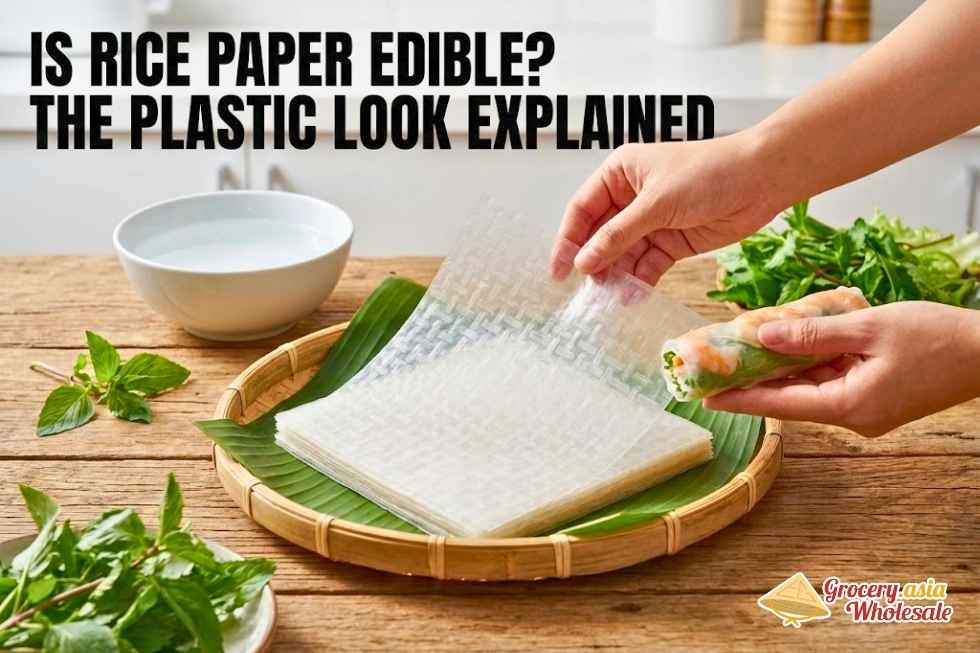
Rice paper’s translucent, plastic-like appearance frequently confuses consumers despite being completely edible and made from natural ingredients like rice flour, water, and tapioca starch.
This ultra-thin wrapper, measuring approximately 0.22mm thick, achieves its synthetic-looking transparency through specialized manufacturing processes that compress plant-based starches into gossamer-thin sheets.
Key Takeaways
- Rice paper is entirely edible and plant-based, made from rice flour, water, and tapioca starch rather than synthetic materials.
- The plastic-like appearance results from the ultra-thin 0.22mm thickness achieved through specialized machine-pressing during manufacturing.
- Culinary rice paper differs significantly from non-edible varieties used for crafts or vinyl record sleeves, which pose health risks if consumed.
- A standard 15g serving contains only 48 calories with minimal fat content, making it suitable for gluten-free and low-calorie diets.
- Proper preparation involves brief water soaking for fresh applications or direct frying for crispy textures, with storage in cool, dry conditions below 20°C.
Table of Contents
Introduction
Rice paper has a translucent, shiny appearance that often confuses first-time users—”Is this plastic? Is it safe to eat?” The direct answer is Yes, culinary rice paper is fully edible and safe to eat. Being naturally gluten-free and low in calories, it is a healthy choice for many diets. The confusion often stems from the wrapper’s “plastic look” and the existence of “non-culinary rice paper” used for vinyl records. To ensure quality, look for Asiadeli Rice Paper, a premium example of “100% Natural Ingredients” (Rice + Tapioca) that is completely free from synthetic plastics. For more details on ingredient safety standards, please explore the Vietnamese rice paper ecosystem.
Why Does Rice Paper Look Like Plastic?
Rice paper’s translucent, pale white, and shiny appearance creates an uncanny resemblance to plastic wrap that often confuses first-time users. This plastic-like look stems from its extremely thin structure, typically measuring around 0.22mm thick, achieved through a specialized machine-pressing process during manufacturing.
Despite its synthetic appearance, rice paper remains entirely plant-based and edible. Manufacturers create this thin, transparent sheet from rice or potato starch rather than synthetic polymers. The natural ingredients undergo processing that removes moisture and compresses the starch into these gossamer-thin sheets, resulting in the characteristic translucent quality that resembles plastic film.
Key Differences from Actual Plastic
I’ve found several important distinctions between rice paper and real plastic packaging that help identify authentic edible wrappers:
- Rice paper is breathable, allowing air to pass through, while plastic creates an airtight seal
- Rice paper dissolves in water and breaks down naturally, whereas plastic remains intact
- Rice paper has a slightly rough texture when touched, unlike the completely smooth feel of plastic
- Rice paper becomes pliable when moistened, while plastic maintains its rigidity
Manufacturing Process Creates the Illusion
The manufacturing process intentionally creates this ultra-thin consistency to enhance both texture and visual appeal. Asiadeli Super Thin Rice Paper exemplifies this approach, crafted to be exceptionally transparent while maintaining 100% organic and edible properties. The pressing technique removes air bubbles and creates a uniform thickness that maximizes transparency.
This deliberate thinness serves practical purposes beyond appearance. Thinner rice paper allows for better cooking results when making spring rolls or other wrapped dishes, as it crisps more evenly and creates less bulk when multiple layers are used. The transparency also helps cooks see the filling inside, making presentation more appealing.
I recommend checking the packaging and source when purchasing rice paper to ensure you’re getting genuine edible products. Authentic rice paper typically comes from established wholesale suppliers and includes ingredient lists showing rice flour, tapioca starch, or potato starch as primary components. The eco-friendly nature of rice paper makes it significantly more fragile than plastic, so genuine products often show slight imperfections or small tears that plastic wrapping wouldn’t develop.
When working with rice paper, I’ve noticed that its breathable quality means it can dry out quickly when exposed to air, another characteristic that distinguishes it from plastic wrap. This property actually benefits certain cooking applications, like making Vietnamese fried rice paper rolls, where the wrapper needs to release moisture during frying to achieve the desired crispy texture.
What Is It Made Of? Culinary vs. Non-Edible Types
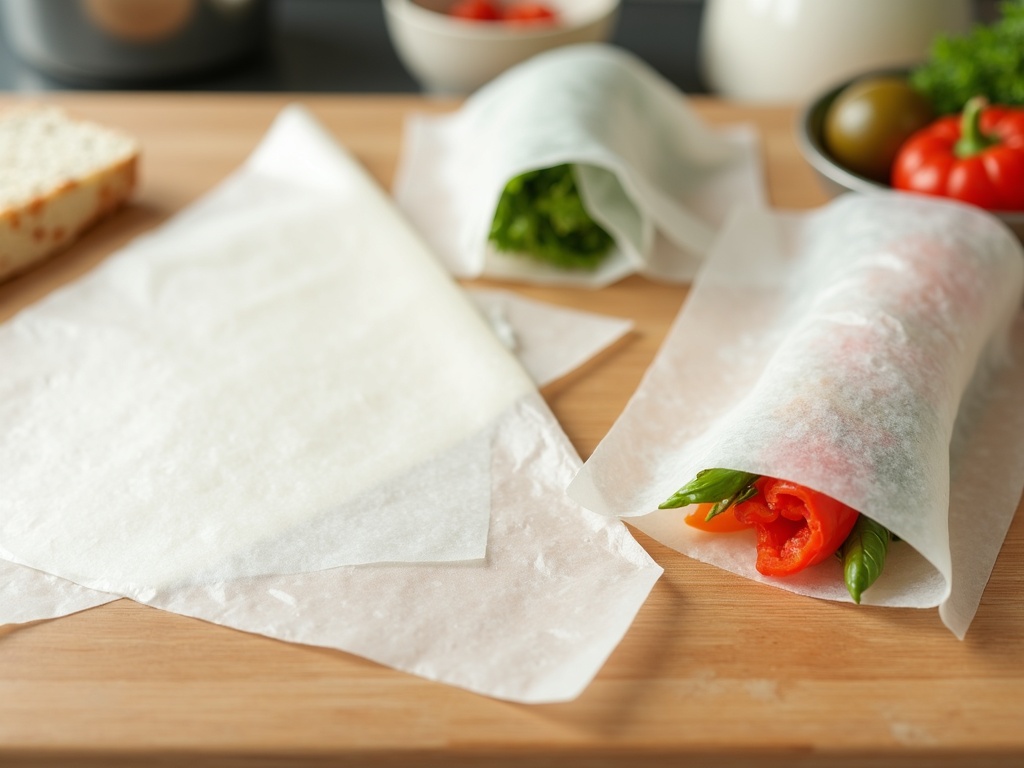
I’ve discovered that rice paper comes in distinctly different forms depending on its intended use. Culinary rice paper stands as a staple across East and Southeast Asian cuisines, particularly in Vietnamese, Thai, and Chinese cooking traditions.
Edible Rice Paper Varieties
Traditional culinary rice paper contains just three main ingredients: rice flour, water, and tapioca flour. This combination creates the characteristic pale white appearance that transforms into a pliable, slightly chewy texture when moistened. Rice paper ingredients from quality manufacturers like Asiadeli feature a specialized rice-tapioca blend that ensures gluten-free and non-GMO properties.
Fresh spring rolls and fried rice paper rolls showcase this ingredient’s versatility perfectly. The wrapper’s ability to become transparent and flexible when dampened makes it ideal for both raw and cooked applications.
Wafer paper represents another edible variant commonly found in baking applications, especially for items like nougats. Its composition differs significantly from traditional rice paper:
- 92% potato starch
- 7% water
- 1% palm oil
This formulation makes wafer paper allergen-free and GMO-free, appealing to those with specific dietary restrictions.
Non-Edible “Rice Paper” Products
Confusion often arises because certain non-edible products share the rice paper name. Vinyl record inner sleeves frequently carry this label despite containing no rice-derived ingredients whatsoever. These sleeves serve archival and anti-static purposes for protecting vinyl records.
While these record sleeves offer environmental benefits compared to plastic alternatives, consuming them poses serious health risks. They’re manufactured specifically for industrial use and lack food safety certifications required for edible products.
I recommend always checking product labels and purchasing locations when seeking edible rice paper. Buying rice paper from established food retailers or Asian grocery stores ensures you receive culinary-grade products. Kitchen supply stores and baking sections stock wafer paper specifically for confectionery use.
The key distinction lies in understanding the intended application. Cooking with rice paper requires food-grade products with proper ingredient lists and safety certifications. Non-edible versions lack these essential qualifications despite sharing similar names.
Nutritional Profile: Low-Calorie & Safe
I find rice paper to be an excellent low-calorie option for health-conscious individuals. A standard 15g serving contains approximately 48 calories, making it significantly lighter than many traditional wrapping options. This same serving provides 0.9g of protein, just 0.2g of fat, and 10.8g of carbohydrates, creating a nutritional profile that fits well into various dietary plans.
When examining the nutritional content per 100g, rice paper delivers 323 calories, which remains relatively modest compared to other grain-based products. Wafer paper contains slightly more energy at 372 kcal per 100g, though both options maintain their appeal for calorie-conscious cooking.
Macronutrient Breakdown and Dietary Considerations
The fat content in rice paper stands out for its minimal presence. With only 1.1g total fat per 100g serving, it offers an almost fat-free cooking medium that won’t compromise your dietary goals. The carbohydrate content reaches 72.3g per 100g, representing approximately 26% of the daily recommended value for most adults.
Rice paper naturally accommodates gluten-free diets, making it completely safe for individuals with Celiac disease. This characteristic opens up numerous culinary possibilities for those who must avoid wheat-based products. However, it’s important to note that rice paper isn’t suitable for ketogenic diets due to its substantial carbohydrate content. Each sheet typically contains 8-10g of carbs, which can quickly exhaust daily carb allowances for keto followers.
The vitamin content remains quite limited, with no measurable Vitamin D present. This limitation means you’ll need to source essential vitamins from your filling ingredients rather than relying on the wrapper itself. Despite this nutritional gap, rice paper serves as an excellent vehicle for nutrient-dense ingredients like fresh vegetables, herbs, and lean proteins.
I recommend considering rice paper as a neutral base that allows your chosen ingredients to shine nutritionally. Cooking with rice paper lets you control exactly what nutrients enter your meal through thoughtful ingredient selection. Fresh vegetables, lean meats, and herbs can transform these simple wrappers into nutritionally complete dishes.
For those monitoring sodium intake, rice paper typically contains minimal salt, making it suitable for low-sodium diets. The simple ingredient profile means fewer additives and preservatives compared to processed alternatives. When purchasing rice paper, I always check that you’re getting products made from quality ingredients, as sourcing matters for both taste and nutritional integrity.
Athletes and active individuals often appreciate rice paper’s quick-digesting carbohydrates, which can provide readily available energy before or after workouts. The low fiber content makes it easy on the digestive system, while the minimal fat content allows for rapid gastric emptying.
Rice paper’s caloric efficiency shines in weight management scenarios. You can create satisfying, visually appealing meals without excessive calorie density. Vietnamese rice paper rolls exemplify how this ingredient supports healthy eating patterns while delivering satisfying textures and flavors.
The safety profile extends beyond gluten considerations. Rice paper contains no common allergens like nuts, dairy, or eggs in its pure form, though always verify specific product labels for potential cross-contamination warnings. This broad compatibility makes it an inclusive option for diverse dietary needs and group meals where multiple food sensitivities must be accommodated.
Debunking Myths: Edibility & Safety
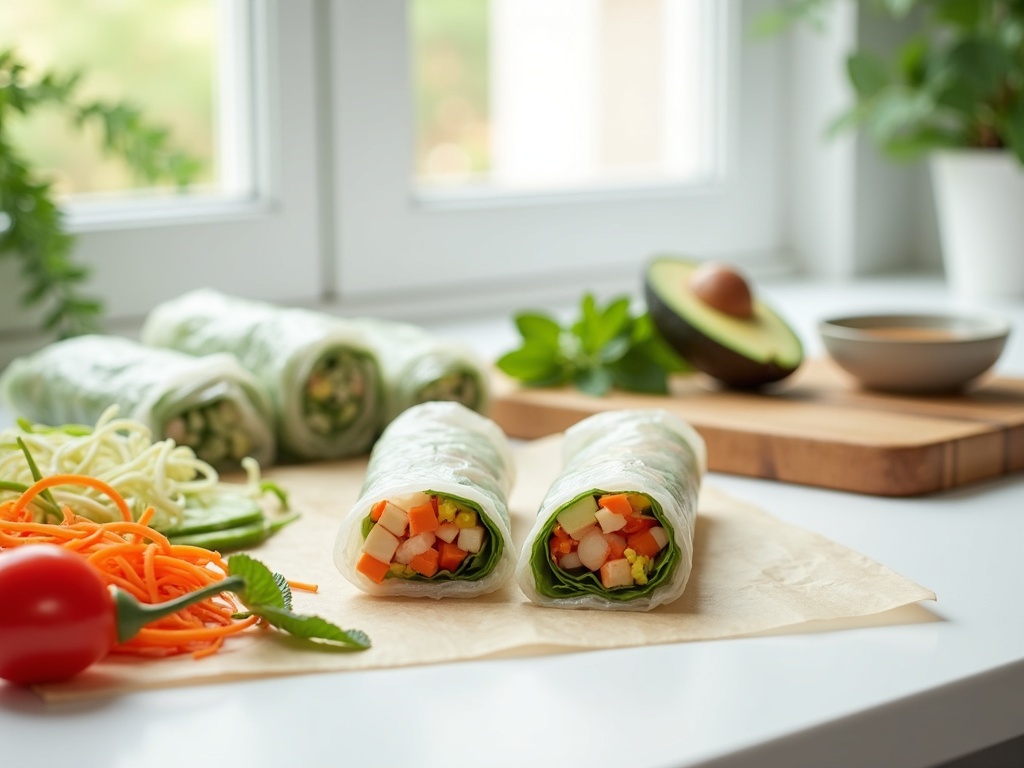
I’ve encountered countless questions about rice paper’s safety, and one persistent myth needs clearing up immediately. Many people believe all rice paper is plastic, but this misconception stems from confusion between decorative craft paper and culinary varieties. Rice paper made of natural ingredients contains only rice flour, water, and salt—completely plant-based components that are entirely safe for consumption.
Culinary rice paper contains no gluten, making it an excellent choice for people with celiac disease or gluten sensitivities. The translucent appearance and smooth texture that often trigger plastic comparisons actually result from the refined rice flour and careful manufacturing process.
Proper Preparation Prevents Problems
Understanding correct preparation prevents the very issues that fuel these myths. Rice paper requires careful handling—either brief moistening for fresh rolls or proper cooking for fried applications. I’ve seen people over-soak their wrappers, creating a gummy, sticky mess that does resemble synthetic materials.
When preparing fresh spring rolls, follow these key steps:
- Dip each wrapper in warm water for just 2-3 seconds
- Place on a clean, damp surface immediately
- Allow the wrapper to soften naturally for 30-60 seconds
- Fill and roll before it becomes overly soft
Cooking rice paper properly requires different techniques. For fried applications, the wrappers can go directly into hot oil without pre-soaking, where they’ll puff and crisp beautifully.
Asiadeli Spring Roll Wrappers specifically address the over-soaking problem through their optimized thickness. These wrappers need only a light dip in water, maintaining their structural integrity while becoming pliable enough for rolling. This controlled hydration prevents the excessive softness that creates plastic-like textures.
Temperature control during preparation makes a significant difference. Water that’s too hot will cause rapid breakdown, while cold water won’t activate the starches properly. Room temperature or slightly warm water works best for most applications.
Storage conditions directly impact rice paper’s performance and appearance. I store mine in a cool, dry environment below 20°C with humidity levels between 60-75%. Excessive heat causes brittleness and cracking, while too much moisture promotes mold growth. Both conditions can make perfectly good rice paper appear defective or unsafe.
Proper storage containers matter too. Airtight containers or resealable bags prevent moisture fluctuations that lead to texture changes. I avoid storing rice paper near heat sources like stoves or in direct sunlight, as these conditions accelerate deterioration.
Quality rice paper from reputable suppliers eliminates most safety concerns. Reliable wholesale suppliers maintain strict quality controls and proper storage throughout distribution. Purchasing from established sources ensures you receive genuine culinary products rather than decorative alternatives.
Visual inspection helps distinguish quality wrappers. Good rice paper appears uniformly translucent without dark spots, cracks, or unusual odors. Any discoloration or strong smells indicate deterioration or contamination. Fresh wrappers should feel smooth and break cleanly when bent.
The confusion between edible and non-edible varieties often occurs in craft stores where decorative rice paper sits alongside art supplies. Always purchase culinary rice paper from food retailers or specialty Asian markets to guarantee food-grade quality.
Understanding ingredient lists eliminates uncertainty about additives or preservatives. Traditional rice paper contains minimal ingredients, though some modern varieties may include tapioca starch for improved flexibility. Both ingredients are completely natural and safe for consumption.
Vietnamese fried rice paper rolls demonstrate the versatility and safety of properly prepared wrappers. These crispy treats wouldn’t exist if rice paper posed any health risks. Professional kitchens worldwide rely on rice paper for both fresh and cooked applications, testament to its culinary legitimacy and safety record.
Versatile Uses in Cuisine
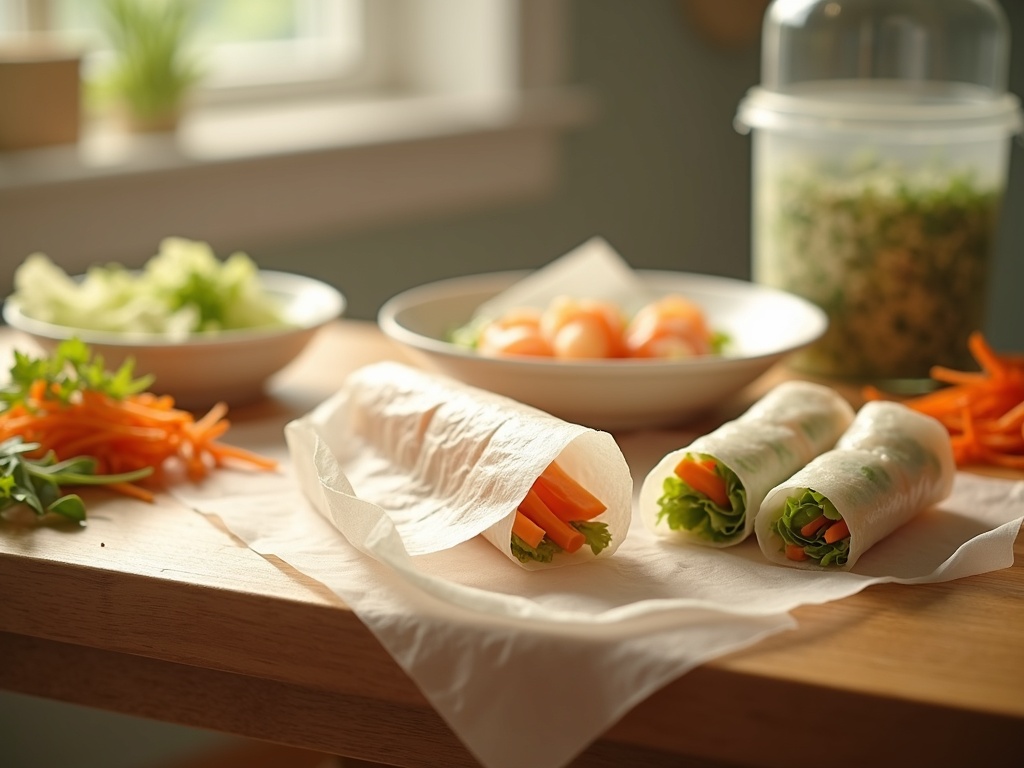
Rice paper demonstrates remarkable culinary flexibility, adapting to different cooking methods to create entirely distinct textures and flavors. I find that understanding these various applications helps home cooks and professional chefs alike maximize this ingredient’s potential across diverse dishes.
Fresh and Fried Applications
Fresh spring rolls, known as Goi Cuon, represent rice paper’s most celebrated use. I recommend soaking the rice paper sheets in warm water for 15–20 seconds until they become pliable but still maintain some firmness. This creates the perfect wrapper for vegetables, herbs, shrimp, or pork, resulting in a healthy appetizer that’s naturally gluten-free and low in calories.
The transformation occurs when rice paper meets heat. Vietnamese fried rice paper rolls, or Cha Gio, showcase how the same ingredient creates an entirely different experience. Deep-frying causes the wrapper to puff up dramatically, forming a golden, crispy shell with a distinctive bubbly texture. I’ve found that maintaining oil temperature around 350°F ensures even cooking without burning.
Sweet Applications and Optimal Pairings
Wafer paper variants serve specialized functions in dessert preparation. Professional bakers rely on these edible sheets for nougats, where the paper provides structure while dissolving seamlessly into the final product. Confectioners also use wafer paper as a base for delicate decorations and as wrapping for soft candies.
Texture pairing plays a crucial role in authentic dishes. I always recommend combining rice paper with premium rice vermicelli when creating traditional Vietnamese preparations. The contrasting textures—the smooth, slightly chewy wrapper against the tender, slippery noodles—create the authentic mouthfeel that defines these classic dishes. Cooking rice paper requires attention to timing, as oversoaking leads to tears while undersoaking results in stiff, unworkable sheets.
Beyond traditional uses, modern kitchens experiment with rice paper as a gluten-free alternative to wheat-based wrappers. I’ve seen creative applications ranging from baked appetizers to deconstructed salad presentations. The key lies in understanding how moisture and heat affect the paper’s structure, allowing for innovative adaptations while respecting the ingredient’s fundamental characteristics.
Get Premium Edible Rice Paper for Your Business
I recommend Asiadeli for businesses seeking 100% natural, edible rice paper that doesn’t compromise on safety or quality. This premium product captures the authentic taste of Vietnam while meeting international food safety standards.
Why Choose Asiadeli Rice Paper
Asiadeli’s certified rice paper offers several key advantages for importers and food service businesses:
- 100% edible composition with pure natural ingredients
- Gluten-free and non-GMO certification for dietary restrictions
- Super-thin 0.22mm thickness that provides exceptional durability
- Translucent appearance that enhances visual appeal in dishes
- Bulk export capabilities for worldwide distribution
The ultra-thin design makes these rice paper wrappers perfect for spring rolls, summer rolls, and various Vietnamese dishes. Each sheet maintains its integrity during preparation while offering the flexibility needed for professional kitchen use.
I’ve found that Asiadeli’s commitment to quality extends beyond basic edibility standards. Their rice paper meets strict international certifications, making it suitable for restaurants, food manufacturers, and retailers who prioritize customer safety. The consistent thickness ensures uniform cooking results, while the natural ingredients preserve traditional Vietnamese flavors.
For businesses looking to source quality rice paper, wholesale options are available with competitive export pricing. Whether you’re planning to create Vietnamese fried rice paper rolls or fresh spring rolls, this product delivers the authentic taste and texture your customers expect.
Contact Asia Grocery Company for wholesale quotes and detailed product specifications.
Sources:
SnapCalorie – Rice paper Nutrition
musicrecordshop.com – Best Vinyl Record Inner Sleeves: Guide & Tips
YouTube – Edible Papers 101
Swiftpak – Plastic vs Paper Packaging: The Pros and Cons
bradleysfoods.co.uk – PRODUCT SPECIFICATION SHEET PRODUCT: Rice (wafer) Paper
neo-online.co.uk – Paper sleeves vs plastic sleeves | What’s best for Vinyl Records?
tastehub.decorexpro.com – Rice paper: calories, uses and recipes
YouTube – The Best Inner Record Sleeves: Paper vs Plastic!
Vinyl Engine – Inner sleeves: Do you want paper or plastic?

