
No products in the cart.
Asiadeli, Asiadeli Rice Paper
Where To Buy Rice Paper: Import Genuine Vietnamese Stock
13
Jan
Jan
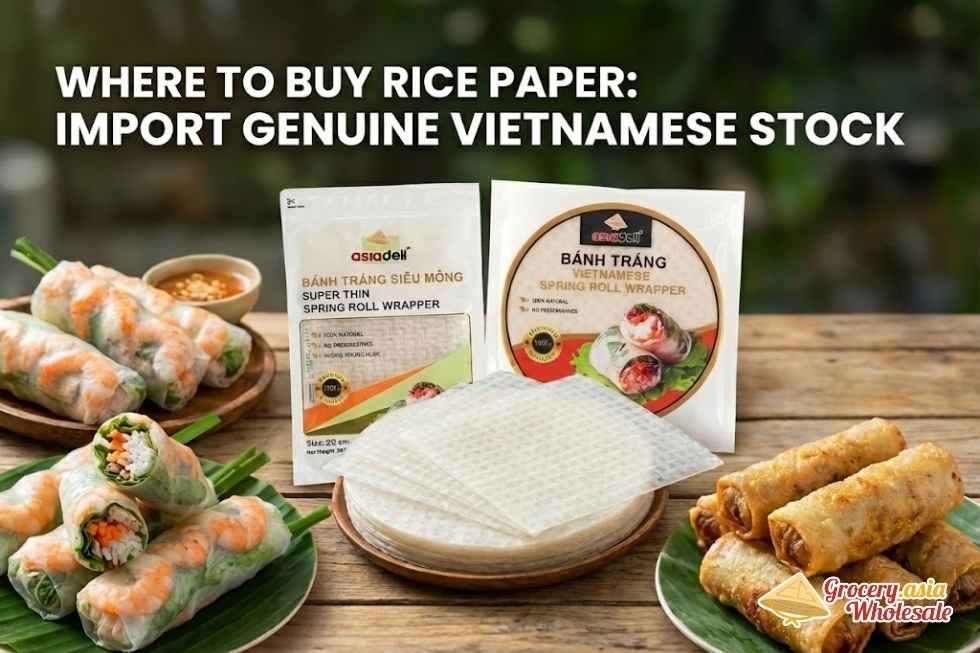
Vietnamese bánh tráng represents authentic rice paper crafted through centuries-old traditional methods using only three essential ingredients: white rice flour, water, and tapioca starch. Southern Vietnam, particularly Ho Chi Minh City and the Mekong Delta region, dominates global rice paper manufacturing with both artisan producers creating 300 sheets daily and industrial facilities optimized for high-volume export.
Key Takeaways
- Genuine Vietnamese rice paper contains only rice flour, water, and tapioca starch, with distinctive bamboo rack imprints proving authentic sun-drying production methods
- Ho Chi Minh City serves as the primary manufacturing hub with strategic port access, producing rice paper for both domestic and international markets through established supply chains
- Wholesale pricing ranges from US$ 1 to 1.50 per kilogram for container-level orders exceeding 1,000 kg, with premium variants like organic and super-thin options commanding higher prices
- Quality verification requires checking for proper Vietnamese labeling, natural ingredient composition, uniform thickness, flexibility without cracking, and clean rice aroma without chemical odors
- Mixed container services like Asiadeli‘s allow importers to combine multiple Asian food products in single shipments, reducing minimum order quantities and financial exposure while maintaining authentic sourcing
Table of Contents
Introduction
With the global rise of gluten-free and plant-based diets, finding genuine Vietnamese rice paper (bánh tráng) is a priority for importers. Genuine stock is defined by specific ingredients—primarily white rice flour and tapioca—and traditional drying methods that create the characteristic “criss-cross pattern.” Whether you are looking for artisan quality or industrial consistency, Vietnam is the undisputed hub, and Asiadeli connects you directly to this authentic supply chain. To explore the full depth of these premium ingredients, please visit our Vietnamese rice paper ecosystem.
Traditional Ingredients and Handcrafting Methods
I’ve witnessed firsthand how authentic Vietnamese rice paper transforms simple ingredients into culinary excellence. Traditional manufacturers still rely on the same three-ingredient formula their ancestors perfected centuries ago. Rice flour provides the base structure. Water creates the binding medium. Tapioca starch adds flexibility and that characteristic translucent appearance.
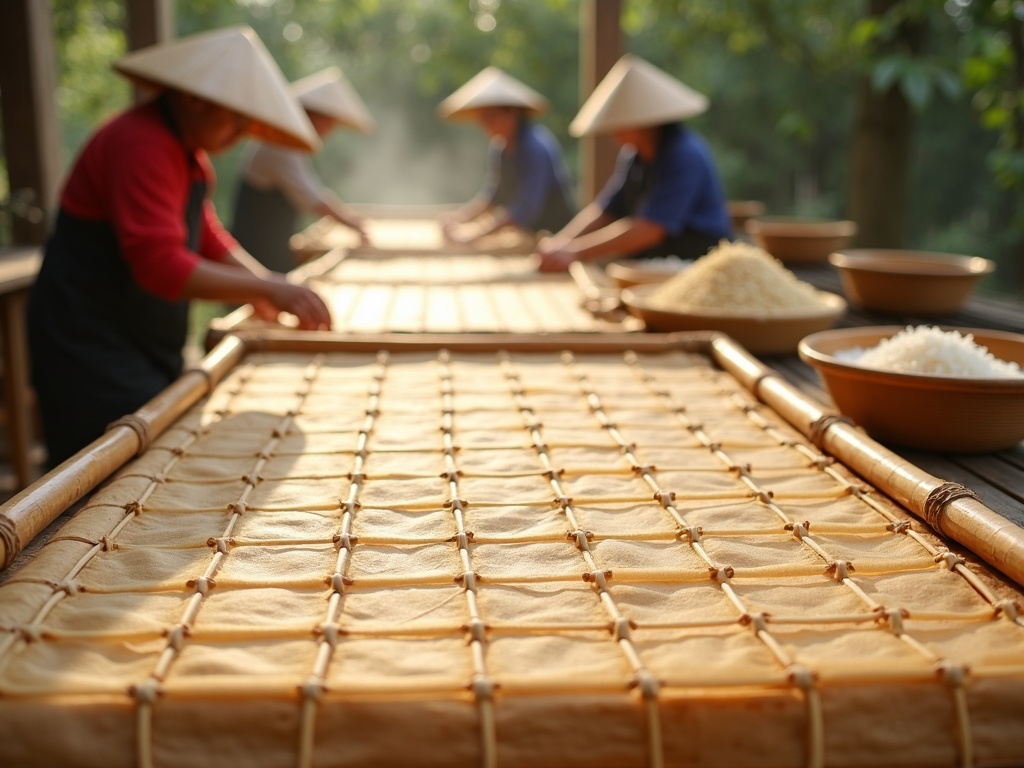
The production process fascinates me every time I visit Vietnamese facilities. Workers spread the batter thin across bamboo racks positioned under tropical sunlight. These racks leave distinctive crosshatch patterns that I consider the hallmark of genuine rice paper. Industrial operations have scaled this process but maintain the fundamental drying principles that create superior texture and flavor.
Strategic Production Centers in Vietnam
Ho Chi Minh City’s strategic position makes it the epicenter of rice paper exports. The city’s proximity to both raw material sources and international shipping routes creates cost advantages I rarely see elsewhere. Major manufacturers cluster around industrial zones near Tan Son Nhat Airport and along the Saigon River corridor. This concentration allows for specialized supply chains that serve both domestic street food vendors and international grocery chains.
Production Capacity
Production capacity varies dramatically across the landscape. Small family operations might produce 300 sheets per day using traditional methods. Large industrial facilities can process several tons daily using mechanized systems. Both approaches produce quality products, though I find the artisan versions often possess superior texture characteristics.
Quality and Ingredient Integrity
Quality standards differ significantly between producers. Premium manufacturers maintain strict ingredient purity and consistent thickness measurements. Lower-grade operations might introduce corn starch or potato starch as cost-cutting measures. These substitutions compromise both texture and authenticity in my experience.
Pricing and Purchase Volumes
Wholesale pricing reflects these quality differences. Standard rice paper typically costs US$ 1.00 to 1.50 per kilogram for container orders. Organic variants command 20-30% premiums. Super-thin specialty papers can reach US$ 2.50 per kilogram due to complex production requirements.
Container minimums usually start at 1,000 kilograms for direct manufacturer orders. This threshold allows importers to access wholesale pricing while maintaining reasonable inventory investment. Smaller orders incur per-unit surcharges that can double effective costs.
Mixed Container Shipment Services
Mixed container services solve this challenge for many importers. Companies like Asiadeli consolidate orders from multiple customers into single container shipments. This approach reduces minimum order requirements to 100-200 kilograms while preserving wholesale pricing benefits.
How to Verify Rice Paper Quality
Quality verification becomes critical when evaluating suppliers. I always check for proper Vietnamese labeling that includes manufacturing dates and facility information. Authentic products display clear ingredient lists limited to rice flour, water, and tapioca starch. Additional additives signal lower quality or questionable sourcing.
- Thickness: Premium rice paper maintains uniform thickness across each sheet
- Surface: Should feel smooth with visible bamboo rack impressions
- Flexibility: Quality papers bend without cracking
- Aroma: Fresh rice paper emits a clean, slightly sweet rice scent
- Odor: Chemical or musty smells indicate contamination or moisture damage
Storage and Shelf Life
Storage requirements affect import planning significantly. Rice paper requires low humidity environments to prevent degradation. Climate-controlled containers become essential for long shipping routes or humid destination climates. Proper packaging using moisture barrier materials extends shelf life from 12 months to 24 months under optimal conditions.
Global Market Trends
Market demand continues growing across North America and Europe. Vietnamese restaurants drive consistent volume, while health-conscious consumers discover rice paper’s gluten-free properties. This dual demand creates stable pricing and reliable supply chains that benefit serious importers.
Regional Preferences
- United States: Thicker papers for spring rolls
- Europe: Thinner variants for delicate usage
- Asian diaspora: Traditional standards reminding them of home
Seasonal Pricing Patterns
Rice harvests from October to December create peak production periods. Lunar New Year celebrations cause temporary price spikes due to increased domestic demand. Smart importers plan to avoid these peak months.
Innovation Among Manufacturers
Competition among Vietnamese manufacturers fosters innovation. New varieties include brown rice papers, mixed grain options, and flavored variants infused with herbs or vegetables. These specialty offerings allow suppliers to command higher margins and capture niche markets.
Export Documentation and Logistics
Export documentation involves multiple checkpoints. Vietnamese authorities require health certificates and manufacturing declarations. Import countries may need additional food safety certifications. Trusted freight forwarders familiar with rice paper rules help avoid delivery issues.
Shipping Modes
- Container shipping: Most cost-effective for bulk orders due to light weight and volume
- Air freight: Used for premium or urgent shipments
Finance and Payments
Banking arrangements influence terms. Trusted importers negotiate 30-60 day payment windows. New buyers typically use advance payments or letters of credit. Currency fluctuations may affect final costs, with most suppliers quoting in US dollars.
Effective Market Entry Strategies
Market entry depends on segment targeting. Restaurants require large bulk supply, while retail favors varied formats and appearances. Wholesale food distributors efficiently serve volume demand, while direct placements benefit niche and boutique offerings.
Product Differentiation
- Authentic Vietnamese sourcing: Elevates appeal over generic versions
- Organic certification: Appeals to health-oriented consumers
- Unique packaging sizes: Matches customer-specific uses and aids retail appeal
I continue finding new opportunities in Vietnamese rice paper importing. The combination of authentic quality, reasonable pricing, and growing market demand creates favorable conditions for serious importers. Success requires understanding both traditional production methods and modern supply chain efficiencies.
Authentic Vietnamese Rice Paper: What ‘Genuine’ Really Means
Genuine Vietnamese bánh tráng represents centuries of traditional craftsmanship that you won’t find in mass-produced alternatives. I’ve discovered that authentic rice paper contains just three simple ingredients: white rice flour, water, and a small proportion of tapioca starch. The tapioca starch serves a crucial purpose—it boosts elasticity and transparency, creating that perfect translucent quality that makes Vietnamese spring rolls so visually appealing.
The Traditional Production Process
The authentic production method starts with soaking rice overnight, then grinding it into rice milk. I’ve observed that this time-intensive process creates a smoother, more refined texture than rushed commercial methods. Artisans steam this rice milk mixture into thin sheets before transferring them to woven bamboo racks for sun-drying.
This handcrafted approach produces the signature criss-cross pattern you’ll see on genuine Vietnamese rice paper. Those distinctive grid marks aren’t just decorative—they’re proof of authentic production methods. When I examine rice paper ingredients, this bamboo imprint immediately tells me whether I’m looking at traditional bánh tráng or factory-made substitutes.
Health Benefits and Dietary Advantages
Authentic Vietnamese rice paper offers significant health advantages that make it stand out from other wrapping options. This type of rice paper is inherently gluten-free and vegan, making it especially appealing to health-conscious consumers and those with dietary restrictions. I recommend it to anyone following celiac-friendly or plant-based diets.
The minimal ingredient list means fewer additives and preservatives compared to commercial alternatives. When you understand proper cooking techniques, authentic rice paper transforms into a light, almost weightless wrapper that doesn’t compete with your filling ingredients.
I’ve found that genuine bánh tráng has a subtle nutty flavor from the rice, while maintaining enough structural integrity to hold generous amounts of fresh vegetables, herbs, and proteins. The transparency allows the colorful ingredients inside to show through, creating that Instagram-worthy presentation that’s become synonymous with Vietnamese cuisine.
Looking for authentic suppliers requires attention to these production details. I always check for the bamboo pattern and verify that retailers understand the traditional three-ingredient formula. Many stores selling wholesale rice paper can provide detailed information about their sourcing and production methods.
Manufacturing Hubs: Where is it Made?
I’ve spent considerable time researching rice paper production centers, and Southern Vietnam stands out as the undisputed leader in global rice paper manufacturing. Ho Chi Minh City serves as the epicenter of this industry, with the broader Mekong Delta region supporting extensive production networks that supply both domestic and international markets.
The strategic location of Ho Chi Minh City offers manufacturers significant logistical advantages. Proximity to Cat Lai Port streamlines export operations, allowing producers to ship products efficiently to global destinations. This positioning has attracted numerous manufacturers to establish operations in the area, creating a concentrated ecosystem of rice paper production expertise.
Production Scale and Techniques
Production methods in these manufacturing hubs vary dramatically based on target markets and volume requirements:
- Artisan producers focus on traditional hand-crafted techniques, typically creating around 300 sheets daily
- Small-scale operations maintain family recipes and time-honored preparation methods
- Industrial factories process refined white rice powder mixed with tapioca starch for consistency
- Large manufacturers optimize for high-volume output suitable for bulk export requirements
- Modern facilities incorporate quality control systems to ensure uniform thickness and texture
The Mekong Delta’s agricultural abundance provides manufacturers with consistent access to high-quality rice varieties essential for production. Local rice cultivation expertise translates directly into superior rice paper ingredients, giving Vietnamese producers a competitive advantage in international markets.
Industrial manufacturers in Ho Chi Minh City have refined their processes to meet international food safety standards while maintaining cost efficiency. These facilities blend traditional knowledge with modern equipment to produce rice papers that satisfy both authenticity expectations and commercial scalability requirements. The combination of skilled labor, proximity to raw materials, and established export infrastructure makes Vietnamese rice paper particularly attractive to international buyers seeking reliable suppliers.
Understanding these manufacturing origins helps explain why Vietnamese rice paper dominates global markets. When you’re sourcing rice paper locally, products likely trace back to these Southern Vietnamese production hubs, regardless of where you purchase them. The concentration of expertise in this region has created supply chains that extend globally, making Vietnamese-manufactured rice paper readily available through various distribution channels.
Local importers and distributors typically maintain relationships with specific manufacturers in Ho Chi Minh City, ensuring consistent product quality and reliable delivery schedules. This manufacturing concentration also enables better quality control and standardization across different brands, as producers often share similar production environments and sourcing networks.
The scale differences between artisan and industrial producers create distinct product categories. Artisan rice paper often features slight irregularities and unique textures that many chefs prefer for authentic Vietnamese cuisine. Industrial products offer consistency and durability that work well for commercial food service operations and home cooks who prioritize reliability.
Manufacturing expertise in Southern Vietnam continues evolving as producers adapt to changing global demands. Many facilities now offer customized products, different thicknesses, and specialized formulations while maintaining the fundamental quality standards that established Vietnam’s reputation in this industry. This adaptability ensures Vietnamese manufacturers remain competitive as global rice paper demand continues expanding.
Product Specs & Price Guide for Importers
Export-grade Vietnamese rice paper arrives in standardized formats that make bulk purchasing straightforward for commercial buyers. The most common sizes are 16 cm and 22 cm round sheets, which cover the majority of restaurant and retail applications.
Wholesale packaging follows industry standards, with bags typically weighing 200g or 300g each. Shipping cartons contain between 10 to 20 bags, depending on the supplier’s packaging strategy. This configuration helps optimize freight costs while maintaining product integrity during international transport.
Bulk Pricing Structure for Commercial Orders
For serious importers looking at container-level purchases, pricing becomes significantly more attractive when ordering quantities exceeding 1,000 kg. B2B platforms typically quote prices ranging from US$ 1 to 1.50 per kilogram for these volume orders. Several factors influence where your pricing falls within this range:
- Product grade and quality certifications
- Order volume and frequency commitments
- Seasonal availability and harvest timing
- Packaging specifications and branding requirements
- Payment terms and shipping arrangements
These prices apply specifically to full container loads and represent indicative pricing only. Actual quotes will depend on current market conditions and specific product requirements.
Premium specialty variants command higher prices but offer unique selling propositions for retail markets. Organic Brown Rice Paper in 22 cm sizes appeals to health-conscious consumers, while Purple Sweet Potato Rice Paper provides an eye-catching alternative with natural color variation. Understanding natural ingredients helps differentiate these premium options in your product mix.
The Asiadeli Super Thin variant represents a technical innovation that addresses common usage challenges.
Super thin wrappers eliminate the traditional pre-dipping step, making them particularly attractive for foodservice operations where speed and consistency matter. This convenience factor justifies premium pricing for commercial accounts.
When evaluating suppliers for large-scale imports, it’s advisable to request samples of different thickness grades and sizes. Cooking characteristics vary significantly between manufacturers, even within the same nominal specifications.
Quality certifications such as HACCP, BRC, or organic standards add value but also increase base costs. Factor these requirements into your pricing analysis early in the sourcing process. Many Vietnamese manufacturers can provide multiple certification levels within their product lines.
Freight costs represent a significant portion of landed pricing for rice paper imports. The lightweight nature of the product means you’ll likely hit volumetric weight limits before actual weight restrictions in standard containers. Calculate cubic capacity carefully when planning shipments.
Seasonal factors influence both availability and pricing. Vietnamese rice harvests typically peak between October and December, offering better pricing during these months. However, quality can vary depending on weather conditions during the growing season.
Wholesale supplier connections become crucial for securing consistent supply at competitive rates. Established relationships often provide access to preferential pricing and priority allocation during tight supply periods.
Payment terms significantly impact your effective costs. Many Vietnamese exporters offer 2–3% discounts for advance payment, while letter of credit arrangements typically add banking fees but provide security for both parties.
Quality consistency varies between suppliers, making due diligence essential before committing to large orders. It is recommended to start with smaller test shipments to verify product quality, packaging integrity, and shipping reliability before scaling up to full container loads.
Quality Verification Checklist
I recommend examining several key elements to verify the authenticity of rice paper before making your purchase. Authentic products display specific characteristics that distinguish them from inferior alternatives.
Label Authentication Standards
Proper labeling serves as your first line of defense against counterfeit products. I look for packages that clearly display the manufacturer’s complete address in Vietnam, as this indicates legitimate production facilities. The “Product of Vietnam” origin claim should be prominently featured on the packaging, since Vietnam produces the highest quality rice paper globally.
Accurate net weight information demonstrates professional manufacturing standards, while a transparent ingredient list allows you to verify product composition. Reputable manufacturers don’t hide their ingredients behind vague terms or lengthy chemical names.
Ingredient Composition Requirements
Genuine rice paper maintains a strict ingredient profile that I always verify before purchasing. Natural rice paper ingredients should consist of 95–100% rice as the primary component, creating the foundation for authentic texture and flavor.
Quality products include these essential components:
- Rice flour or rice starch as the dominant ingredient
- Tapioca starch for elasticity and binding properties
- Salt for flavor enhancement and preservation
- Water for processing (not always listed)
I avoid products containing artificial whiteners, chemical preservatives, or synthetic additives. These substances compromise both taste and nutritional value while indicating mass-produced, lower-grade alternatives.
Authentic rice paper achieves its characteristic appearance through natural processing methods rather than chemical treatments. The ingredient list should remain short and recognizable, reflecting traditional manufacturing techniques that have been refined over centuries.
Physical inspection reveals additional quality markers that I consider essential. Uniform thickness across each sheet indicates proper manufacturing controls and consistent cooking techniques. Authentic products show minimal breakage during shipment, demonstrating appropriate packaging and handling procedures.
Moisture content plays a crucial role in determining usability. Quality rice paper maintains balanced hydration levels that provide pliability without becoming mushy when wetted. Proper rice paper cooking depends on this optimal moisture balance.
I test flexibility by gently bending a dry sheet – authentic products flex without immediate cracking, while inferior versions snap or crumble. The surface should feel smooth but not artificially glossy, indicating natural processing without excessive chemical treatments.
Color consistency provides another verification point. Genuine rice paper displays a uniform, slightly translucent white or cream tone without bright white patches that suggest bleaching agents. Natural variations in shade are acceptable and often indicate artisanal production methods.
Storage condition assessment helps predict product longevity and performance. Quality rice paper suppliers package their products in moisture-resistant containers that maintain optimal humidity levels during transport and storage.
Texture examination reveals manufacturing quality through tactile assessment. I run my fingers across the surface to detect rough patches, holes, or thickness irregularities that indicate production problems. Premium rice paper feels consistently smooth with slight flexibility even in its dry state.
Aroma serves as a final quality indicator that I never overlook. Fresh, authentic rice paper emits a mild, clean rice scent without chemical odors or musty smells that suggest age or contamination. Strong artificial fragrances or complete absence of natural rice aroma signal potential quality issues.
Successful rice paper preparation starts with selecting products that meet these verification standards, ensuring your culinary efforts produce professional results.
The Solution for Wholesale: Asiadeli
Direct factory sourcing presents a significant hurdle for most importers due to prohibitively high Minimum Order Quantities that typically exceed 1,000 kg per individual SKU. I’ve found that this requirement creates substantial financial barriers and inventory risks for businesses looking to diversify their Asian food product lines.
Mixed Container Advantages
Asiadeli addresses this challenge through their Mix Container Service, which revolutionizes how importers approach wholesale rice paper sourcing. This service allows you to combine multiple product varieties within a single shipment, including:
- 22 cm Rice Paper for spring rolls and wraps
- Pho Noodles for authentic Vietnamese soup dishes
- Rice Vermicelli for various Asian preparations
- Other complementary Asian food products
I recommend this approach because it reduces your financial exposure while allowing you to test market demand for different products simultaneously. The verified 100% genuine sourcing ensures you’re receiving authentic Vietnamese products that meet traditional quality standards.
Storage and shipping logistics become considerably more manageable with properly sun-dried Vietnamese rice paper. The ambient-stable nature of these products eliminates the need for specialized refrigerated storage or expedited shipping methods. I’ve observed that natural rice paper ingredients contribute to this exceptional shelf stability, allowing you to maintain larger inventory volumes without spoilage concerns.
Global shipping costs decrease significantly when you can utilize standard container shipping rather than air freight or temperature-controlled transport. The extended shelf life also provides flexibility in your sales cycles and reduces the pressure to move inventory quickly. This stability proves particularly valuable for businesses expanding into new markets where demand patterns aren’t yet established.
Your warehouse operations benefit from the standardized packaging and consistent product specifications that come with verified sourcing. I’ve noticed that rice paper preparation techniques remain consistent across different production batches, ensuring your customers receive the same quality experience every time they purchase your products.
Sources:
Asiadeli

