
No products in the cart.
Asiadeli, Asiadeli Rice Paper
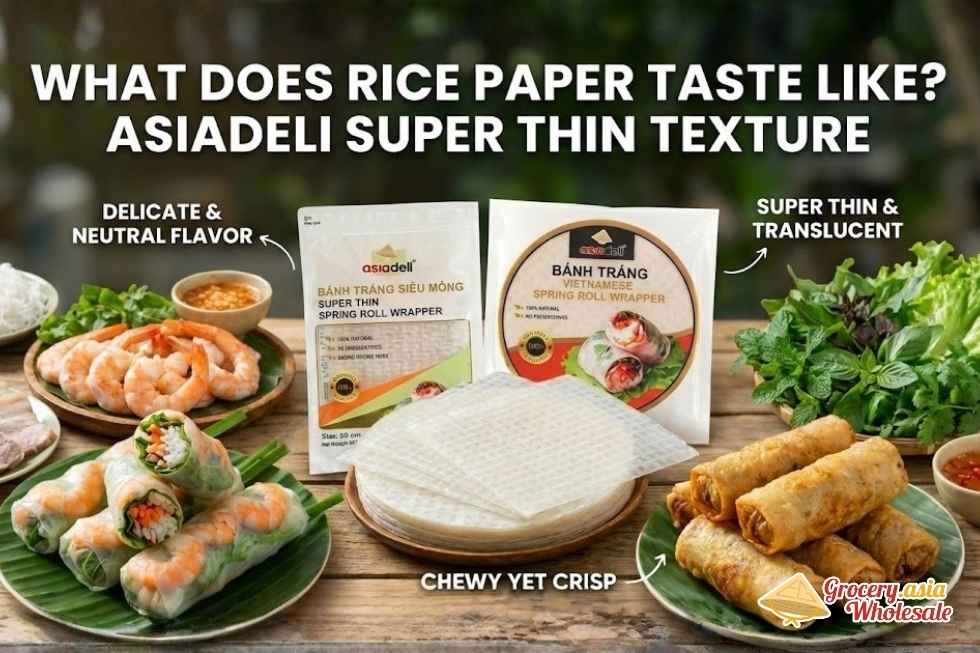
What Does Rice Paper Taste Like? Asiadeli Super Thin Texture
16
Jan
Jan
Rice paper brings a subtly starchy and slightly nutty flavor that remains neutral and mild, making it an ideal vessel for vibrant fillings and flavorful dipping sauces.
Key Takeaways
- Rice paper has a mild, neutral taste with subtle starchy undertones that won’t overpower or compete with the flavors of fillings and seasonings.
- Asiadeli Rice Paper provides a silky, translucent texture requiring minimal soaking time, offering excellent elasticity and resisting tearing.
- Cooking method significantly impacts flavor—in fresh applications, rice paper maintains its neutrality, while frying develops a toasty, caramelized flavor with a satisfying crispiness.
- Regional Vietnamese varieties may introduce intricate flavor profiles, including spicy, sour, salty, and sweet notes, often enjoyed as standalone snacks.
- Rice paper features a simple nutritional profile—low in sodium, free of sugar, and low in calories—contributing to its clean taste that enhances rather than dominates culinary creations.
To learn more about rice paper varieties and recipes, explore this Asiadeli guide for expert tips and culinary inspiration.
Table of Contents
Introduction
With the global rise of gluten-free and plant-based diets, finding genuine Vietnamese rice paper (bánh tráng) is a priority for importers. Genuine stock is defined by specific ingredients—primarily white rice flour and tapioca—and traditional drying methods that create the characteristic “criss-cross pattern.” Whether you are looking for artisan quality or industrial consistency, Vietnam is the undisputed hub, and Asia Grocery Company connects you directly to this authentic supply chain. To gain a deeper understanding of these production standards and market origins, we invite you to explore the Vietnamese rice paper ecosystem.
The Flavor Profile: Mild, Neutral, and Starchy
Rice paper delivers a subtly starchy and slightly nutty flavor profile that avoids being either salty or sweet. When I bite into a plain, rehydrated sheet, the taste resembles a small portion of overcooked, unsalted white rice—gentle and comforting, yet not particularly exciting on its own. This understated quality makes rice paper function as an ideal ‘blank canvas’ for bold fillings and rich dipping sauces.
Understanding Rice Paper’s Base Flavor
The neutral taste stems directly from rice paper’s simple composition. Most varieties contain just three to four ingredients: rice flour, water, salt, and sometimes tapioca starch. This minimal ingredient list explains why the flavor remains so clean and unobtrusive. Rice paper’s natural ingredients create a foundation that won’t compete with your chosen fillings.
Rice papers made with 100% rice flour t1ypically exhibit a slightly stronger rice taste compared to blended versions. I notice these pure rice varieties offer more pronounced grain notes, while maintaining their characteristic mildness. Conversely, papers that incorporate tapioca starch become even more neutral in flavor and create a lighter mouthfeel that almost disappears on the palate.
How the Neutral Profile Benefits Your Dishes
This mild character transforms rice paper into the perfect vehicle for savory fillings like pork, shrimp, or fresh vegetables. The wrapper won’t mask delicate herbs or overpower spicy sauces—instead, it provides structure while allowing other flavors to shine. I find this quality particularly valuable when creating dishes where balance is key.
The starchy undertones complement both raw and cooked ingredients effectively. Rice paper’s low calorie content paired with its neutral taste makes it an excellent choice for health-conscious diners who want flavor without heaviness. Whether you’re wrapping fresh spring rolls or creating crispy fried versions, the wrapper’s subtle rice notes provide just enough presence to be satisfying without overwhelming your taste buds.
Different brands may vary slightly in their flavor intensity, but all maintain that characteristic mild, starchy profile that makes rice paper so versatile. Proper preparation techniques help preserve this delicate balance while ensuring optimal texture for your culinary creations.
Asiadeli Super Thin Texture: The Silky Mouthfeel
Asiadeli Spring Roll Rice Paper delivers a remarkably delicate eating experience that transforms completely once you introduce moisture. I find that these translucent sheets possess an almost ethereal quality in their original state—rigid and brittle like fine parchment that crackles at the slightest touch.
Quick Transformation and Flexible Consistency
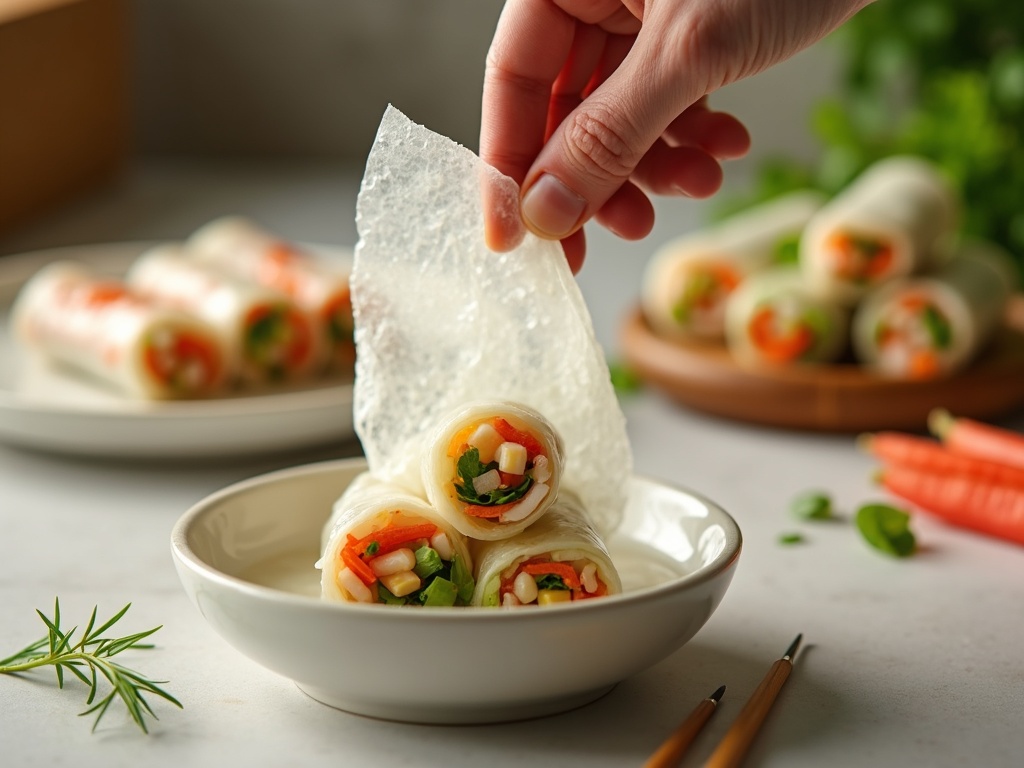
The magic happens within moments of contact with water. These sheets undergo a dramatic metamorphosis, shifting from their crisp brittleness to a flexible, nearly transparent wrapper that feels smooth and supple between your fingers. Unlike heavier alternatives that can overwhelm your palate, this rice paper’s composition creates minimal interference with your chosen fillings.
What sets Asiadeli Rice Paper Spring Roll Wrapper is its incredibly brief soaking requirement. You’ll achieve the perfect pliability with just a quick dip—no extended waiting period necessary. This efficiency means you can work faster while maintaining optimal texture throughout your preparation process.
Silky Exterior with Gentle Elasticity
When you bite into fresh spring rolls or salad wraps made with these sheets, you experience a distinctly silky sensation on the exterior surface. The wrapper provides just enough structural integrity to hold your ingredients together without creating bulk that competes with the flavors inside. I appreciate how the gentle, elastic chew adds textural interest without becoming tough or chewy.
The translucent quality becomes particularly apparent after rehydration, creating an almost glass-like appearance that showcases the colorful ingredients within. This visual appeal enhances the overall dining experience, making each roll appear professionally crafted even when prepared at home.
Fresh applications work exceptionally well with this variety because the wrapper maintains its silky smoothness while providing adequate support for vegetables, proteins, and herbs. The minimal thickness means each bite delivers maximum filling flavor with just enough wrapper to provide structure and that characteristic rice paper taste that complements rather than masks your ingredients.
For optimal results, I recommend:
- Working with one sheet at a time
- Using them immediately after they reach the proper flexibility
This approach ensures you capture the ideal texture balance—soft enough to bite through easily yet sturdy enough to prevent tearing during assembly. The convenience factor combined with the superior mouthfeel makes these super thin sheets an excellent choice for both casual home cooking and more elaborate presentations.
How Cooking Transforms Flavor (Fried vs. Fresh)
Fresh Rice Paper: A Neutral Canvas
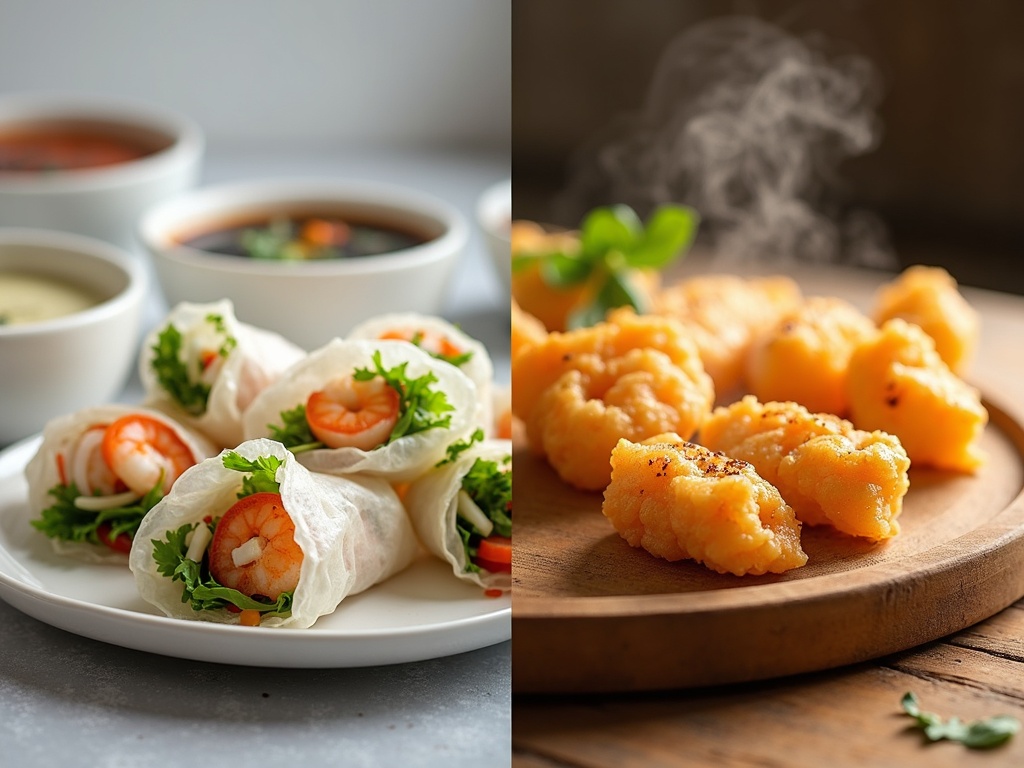
When I use fresh rice paper in soft or summer rolls, the rehydrated sheets maintain a soft, slightly chewy texture that acts as a nearly flavorless wrapper. I notice that rice paper’s natural ingredients contribute to this neutral taste profile, allowing the fillings and accompaniments to shine. The flavor experience comes primarily from the dipping sauces—whether I choose hoisin-peanut blends or fish sauce-based combinations. Fresh rice paper essentially serves as an edible wrapper that doesn’t compete with the vibrant flavors of herbs, vegetables, and proteins inside.
I find that pairing fresh rice paper with complementary ingredients creates the most satisfying results. Adding rice vermicelli provides textural contrast and helps create a more substantial, balanced bite that satisfies without overwhelming the palate.
Fried Rice Paper: Crispy Transformation
Deep-frying completely transforms rice paper’s character, and I observe dramatic changes in both texture and flavor. The frying process causes rice paper to develop a crispy, airy quality as steam becomes trapped inside the wrapper during cooking. This creates a light, bubbly texture that puffs up and provides an entirely different mouthfeel compared to its fresh counterpart.
The flavor profile shifts significantly when I fry rice paper. It develops a pronounced toasty, starchy taste with subtle sweetness from the browned rice starch. This transformation occurs as the high heat caramelizes the natural starches, creating deeper, more complex flavors that enhance the overall eating experience. The crispy texture adds satisfying crunch that contrasts beautifully with tender fillings inside spring rolls.
I’ve noticed that the frying temperature and duration directly impact the final flavor intensity. Proper frying creates golden, crispy wrappers with that characteristic toasty flavor, while overcooking can introduce bitter notes that detract from the overall taste. Mastering cooking techniques ensures consistent results and optimal flavor development.
The puffed, crispy texture also affects how I experience other flavors in fried preparations. The enhanced surface area from the bubbled wrapper holds sauces and seasonings more effectively, creating more intense flavor bursts with each bite. This textural change makes fried rice paper preparations feel more substantial and satisfying compared to fresh applications.
Understanding these flavor transformations helps me choose the right preparation method for different dishes. Fresh rice paper works best when I want delicate, clean flavors that won’t mask fresh ingredients, while fried versions excel when I’m seeking richer, more complex taste experiences with satisfying textural contrast. Rice paper’s caloric content also changes with cooking method, making fresh preparations lighter options for health-conscious meals.
The cooking method I choose fundamentally alters not just the taste but the entire sensory experience of rice paper. Fresh applications highlight the wrapper’s neutral qualities, while frying unlocks deeper flavors and creates textural excitement that transforms simple ingredients into compelling dishes.
Regional Variations: Beyond Neutrality
I’ve discovered that certain regional varieties of rice paper completely transform the typical bland, neutral experience into something far more exciting. These specialty versions showcase how traditional techniques and local ingredients can create distinct flavor profiles that stand alone without requiring additional seasonings or fillings.
Vietnamese Specialty Rice Papers
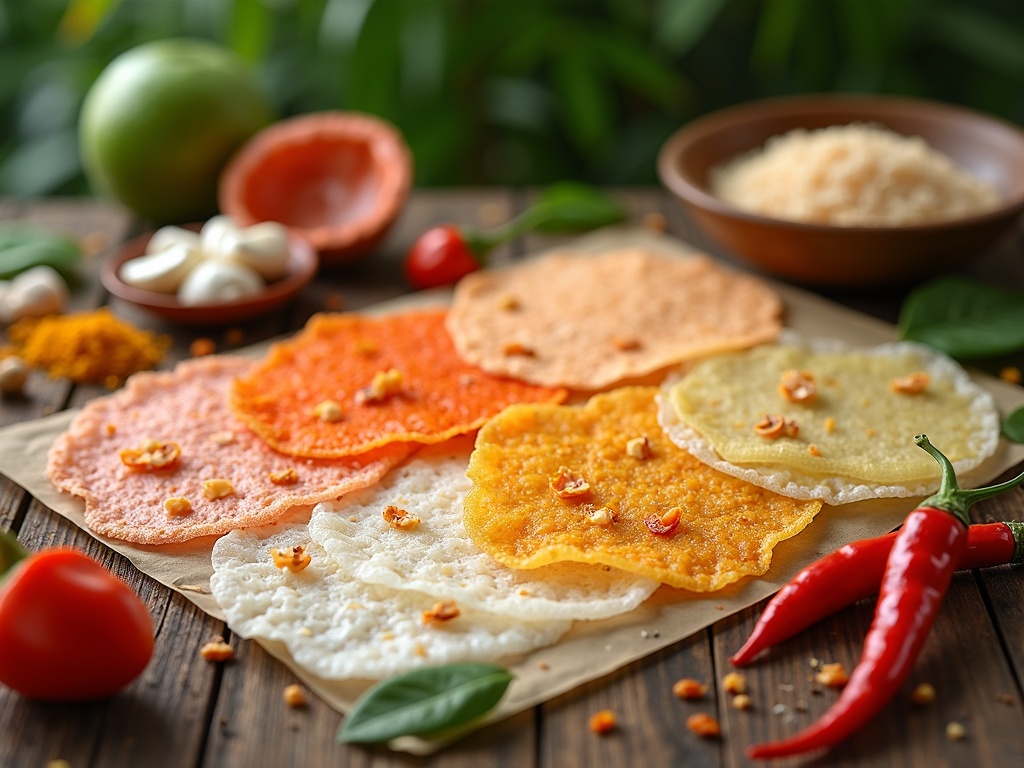
Tay Ninh province produces a spicy chewy rice paper that offers an entirely different texture and taste experience. This variety delivers a soft, elastic bite that releases bursts of spicy, salty, and subtly sweet flavors across your palate. I notice the distinct shrimp or garlic aroma immediately upon opening the package, which continues throughout the eating experience. Natural ingredients like dried shrimp and garlic powder create these complex layers without artificial additives.
Tamarind rice paper presents another fascinating variation that combines sour, spicy, salty, and sweet elements in one bite. I find this combination particularly addictive—the tartness from tamarind paste balances perfectly with chili heat and sea salt, while a hint of palm sugar rounds out the flavor profile. This variety works exceptionally well as a standalone snack rather than just a wrapper.
Traditional Processing Methods
The dew-dried rice paper from Trang Bang demonstrates how processing techniques affect taste. This method involves laying rice paper sheets outside during specific weather conditions, allowing morning dew to naturally enhance the drying process. I detect a mildly salty taste paired with a fresh rice fragrance that remains noticeable even when eating the paper plain. The natural salt crystals from the dew create tiny flavor bursts that complement the inherent rice sweetness.
Some artisanal producers incorporate coconut milk during the rice batter preparation, resulting in a subtly creamy undertone and slightly richer mouthfeel. Others add small amounts of turmeric or pandan extract, which contribute earthy or vanilla-like notes respectively. I’ve noticed these variations particularly enhance rice paper’s nutritional profile while adding genuine flavor complexity.
Regional variations often reflect local taste preferences and available ingredients:
- Northern Vietnamese producers might emphasize umami through fish sauce additions.
- Southern Vietnamese varieties lean into sweetness with ingredients like coconut or palm sugar.
- Each region’s water source also influences the final taste—mineral-rich water creates rice papers with more pronounced flavor depth compared to those made with purified water.
These specialty rice papers require different preparation techniques depending on intended use:
- Spicy varieties often work best when briefly soaked to activate flavors.
- Dew-dried versions can be enjoyed immediately from the package.
- Some benefit from light grilling or toasting to intensify their natural aromatics.
I recommend trying these regional varieties to understand rice paper’s full potential beyond the standard neutral wrapper. Each offers unique sensory experiences that can transform simple ingredients into memorable snacks or enhance traditional dishes with authentic regional character.
Nutritional Impact on Taste
I find that rice paper’s distinctive mild flavor stems directly from its remarkably simple nutritional composition. Each sheet contains virtually no added sugar—typically 0 grams—and maintains an incredibly low sodium content of just 0 to 10 milligrams. This minimal presence of flavor-enhancing compounds explains why rice paper doesn’t deliver any pronounced sweet or savory characteristics that might compete with your filling ingredients.
Why Simple Nutrition Creates Perfect Neutrality
The caloric profile of rice paper further reinforces its subtle taste qualities. Rice paper calories typically stay below 60 per sheet, with virtually zero fat content throughout the entire wrapper. I’ve noticed this absence of fats and oils means you won’t experience any rich, buttery, or greasy flavors that could overpower delicate ingredients like fresh herbs, crisp vegetables, or light proteins.
Rather than providing bold taste sensations, rice paper functions as a clean slate for your culinary creativity. The lack of significant sodium content means it won’t add saltiness, while the absence of natural or added sugars prevents any sweet undertones. This nutritional simplicity creates a light, slightly chewy texture that enhances your dish through mouthfeel rather than competing flavors.
I recommend thinking of rice paper as nature’s perfect wrapper—it contributes structure and satisfying chewiness while allowing vibrant dipping sauces, fresh cilantro, crisp lettuce, or marinated proteins to shine as the true stars of your meal. Rice paper ingredients remain refreshingly minimal, typically containing just rice flour, water, and salt, which explains this neutral flavor profile.
The beauty lies in how this nutritional restraint creates unlimited pairing possibilities. Since rice paper doesn’t assert its own flavor agenda, you can confidently combine it with:
- Bold peanut sauces
- Spicy chili oils
- Tangy lime-based dressings
- Subtle ponzu
—all without worrying about flavor clashes. Cooking rice paper properly maintains this neutrality while developing the ideal tender-chewy consistency that makes each bite satisfying yet unobtrusive.
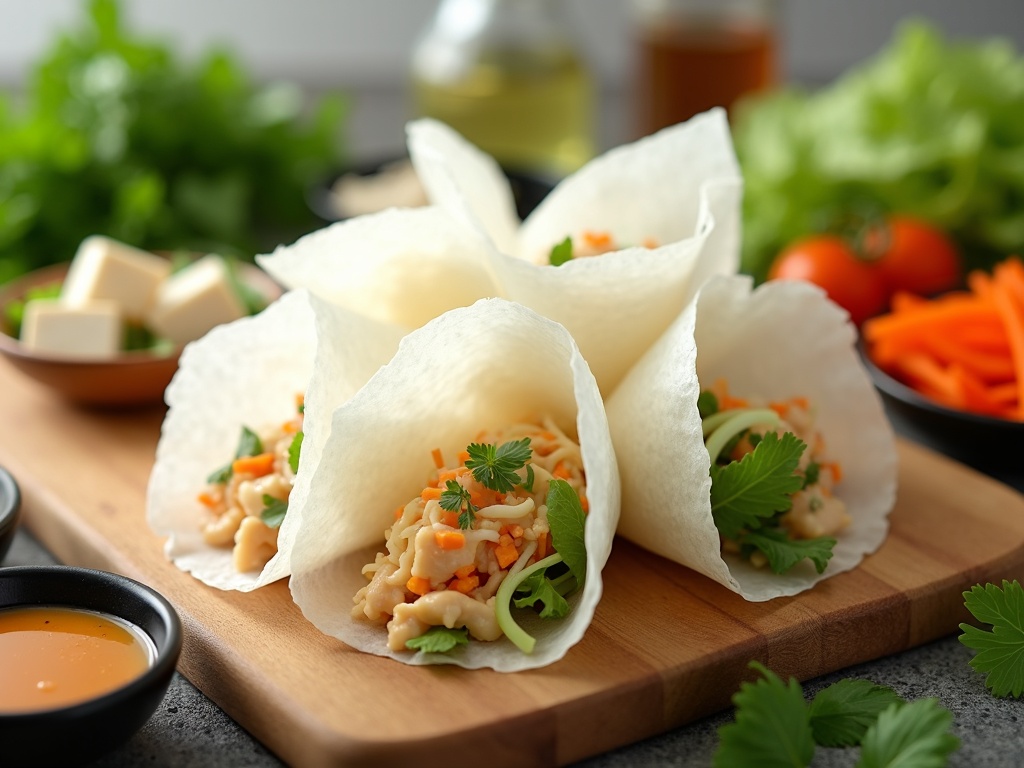
Tasting Tips for Beginners
Starting your rice paper journey doesn’t require elaborate preparations or complex recipes. I recommend beginning with the most fundamental approach: try a small piece of plain, rehydrated rice paper without any fillings or seasonings. This simple method helps you identify rice paper’s inherent neutral and slightly starchy profile without any distractions.
Soak a single sheet in warm water for just a few seconds, then taste it on its own. You’ll notice the subtle grain-like flavor that forms the foundation for countless Vietnamese and Asian dishes. This baseline understanding proves invaluable when you begin creating spring rolls or other dishes where rice paper ingredients interact with various fillings.
Understanding Textural Differences Through Comparison
Different rice paper varieties offer distinct textural experiences that significantly impact taste perception. I suggest comparing Asiadeli Super Thin Rice Paper with regular varieties to grasp these important nuances. Asiadeli variants almost ‘disappear in the mouth’ due to their silky texture, creating an almost ethereal eating experience where the wrapper becomes nearly imperceptible.
Standard rice paper, by contrast, maintains more presence on your palate. It can feel thicker or doughier, providing a more substantial chew that some prefer for heartier fillings. This comparison helps you understand why certain recipes call for specific rice paper types and how thickness affects the overall dish balance.
Pay attention to soaking time during your taste tests. Rice paper only needs a few seconds of soaking in warm water to achieve the proper consistency.
- Oversoaking leads to tearing or an excessively gummy texture that overwhelms delicate flavors.
- Counting to three or four while submerging the sheet usually provides optimal results.
Temperature matters significantly during these initial tastings. Warm water activates the starches more effectively than cold water, creating the smooth, pliable texture that makes rice paper so versatile. Cold water soaking takes longer and often produces uneven hydration, affecting both taste and workability.
Consider the practical implications of these textural differences when planning your rice paper cooking techniques. Thinner varieties work exceptionally well for delicate ingredients like fresh herbs or seafood, while thicker options better support heavier fillings like grilled meats or substantial vegetable combinations.
Start your tasting journey with room temperature water rather than hot water, which can cook the rice paper slightly and alter its natural characteristics. This controlled approach helps you understand the true flavor profile before exploring variations that heat and different preparation methods introduce.
Keep notes during your initial tastings to track preferences and observations. Record which textures appeal to you most and how different soaking times affect the final result. These personal insights become valuable references as you develop your rice paper cooking skills.
Remember that rice paper’s neutral flavor profile makes it an ideal canvas for experimentation. Once you understand the base taste and texture, you can appreciate how it complements rather than competes with other ingredients. This understanding proves particularly useful when considering rice paper calories and nutritional benefits in your meal planning.
Practice these tasting techniques with different brands and varieties to develop a sophisticated palate for rice paper quality. Higher-quality options typically offer cleaner flavors and more consistent textures, while lower-grade varieties might taste slightly bitter or feel rough against your tongue.
The key to developing rice paper appreciation lies in mindful tasting and systematic comparison. Start simple, pay attention to subtle differences, and gradually build your understanding of how various factors influence both taste and texture.
Experience the Premium ‘Super Thin’ Texture with Asiadeli
I understand the frustration of working with inferior rice paper that tears, becomes mushy, or overwhelms your carefully prepared fillings. Asiadeli’s Super Thin Rice Paper eliminates these common problems by delivering a consistently superior product that enhances rather than masks your culinary creations.
The taste profile of Asiadeli rice paper showcases exactly what premium rice paper quality should deliver. You’ll experience a neutral flavor foundation with a clean rice essence that never competes with your fillings. This subtle taste allows the natural flavors of fresh herbs, proteins, and vegetables to shine through without interference. Most importantly, you won’t encounter the sour smell that plagues lower-quality alternatives, ensuring your spring rolls and wraps maintain their intended aroma and appeal.
Superior Texture and Performance Benefits
The texture sets Asiadeli’s Super Thin Rice Paper apart from standard options. I’ve found that this product delivers exceptional elasticity that responds beautifully to brief water contact. Here’s what makes this rice paper exceptional:
- Super elastic consistency that stretches without tearing during rolling
- Requires minimal soaking time, preventing the mushy texture common with thicker papers
- Maintains structural integrity even when filled with moisture-rich ingredients
- Creates a delicate, silky mouthfeel that complements rather than dominates each bite
- Provides consistent results across different preparation methods
This premium texture translates directly to better cooking experiences and more professional-looking results. You’ll spend less time wrestling with torn wrappers and more time focusing on flavor combinations and presentation.
Asiadeli sources this rice paper as a 100% genuine Vietnamese product specifically suited for export standards. This commitment to authenticity ensures you’re getting traditional quality that Vietnamese families have relied on for generations, now available for your kitchen or commercial operation.
The nutritional benefits remain intact while delivering superior performance. Each sheet provides the clean, light wrapper you need without adding unnecessary bulk or competing flavors to your dishes.
For wholesale inquiries, I recommend contacting Asiadeli directly to discuss volume pricing and availability. Professional kitchens and serious home cooks consistently choose this Spring Roll Wrapper and Super Thin Rice Paper because it delivers reliable results that elevate the entire dish. The investment in premium rice paper pays dividends in reduced waste, improved presentation, and enhanced customer satisfaction.
Don’t compromise your culinary vision with substandard wrappers that break, smell off, or mask your carefully balanced flavors. Asiadeli Rice Paper provides the neutral taste platform and reliable texture performance that allows your ingredients to be the star of every spring roll, summer roll, or Vietnamese wrap you create.

