
No products in the cart.
Asiadeli, Asiadeli Rice Paper
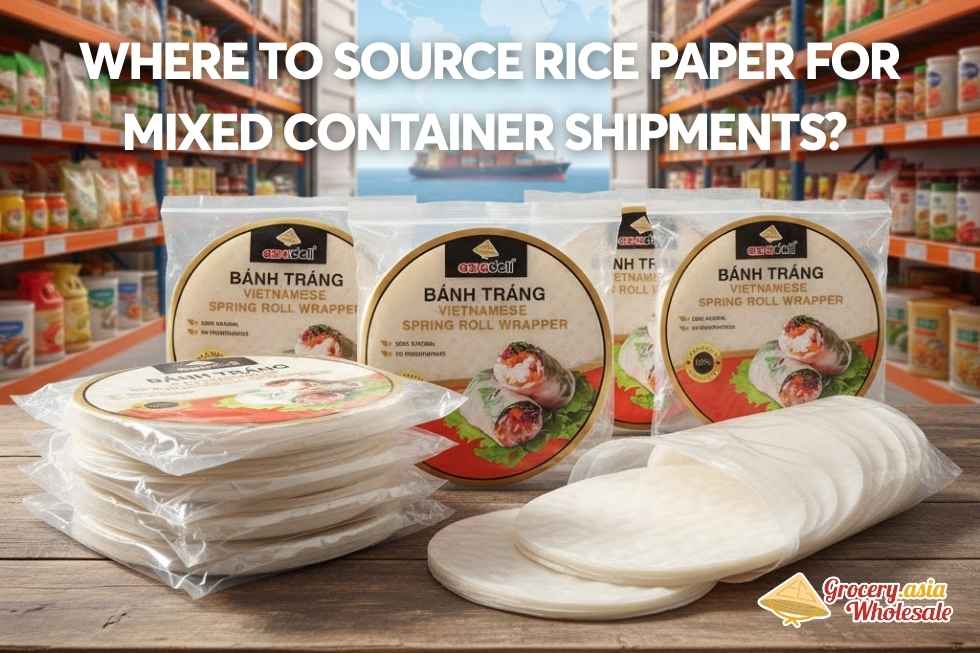
Where to Source Rice Paper for Mixed Container Shipments? The Asia Grocery Company Solution
15
Jan
Jan
Mix Container service delivers a strategic solution for international buyers sourcing Vietnamese rice paper with complementary products like pho noodles and authentic sauces in optimized single shipments. Food service establishments worldwide gain operational efficiency through this streamlined approach.
Table of Contents
Key Takeaways
- Standardized specifications deliver consistent 22cm round rice paper in 300g packs containing 30–34 sheets, enabling precise portion control and cost calculations for commercial operations.
- Super Thin technology eliminates traditional water-dipping requirements, reducing preparation time by up to 80% while maintaining authentic Vietnamese quality and structural integrity.
- Health-conscious appeal features naturally gluten-free, vegan ingredients with zero fat and cholesterol, positioning rice paper rolls at approximately 135 calories each for modern dietary preferences.
- Mix Container export service maximizes shipping efficiency by combining rice paper with complementary Vietnamese products, supported by extended 19–29 month shelf life for international logistics.
- Professional storage protocols require airtight containers in cool, dry conditions with 45–55% humidity levels to maintain quality, with proper rotation systems for bulk inventory management.
Introduction
For international buyers operating Asian grocery chains or supplying commercial kitchens, sourcing consistent products involves a dual challenge: finding reliable quality and optimizing logistics costs. Asia Grocery Co., Ltd addresses this with a strategic solution: the Mix Container Service, featuring our private brand, Asiadeli Premium Rice Paper.
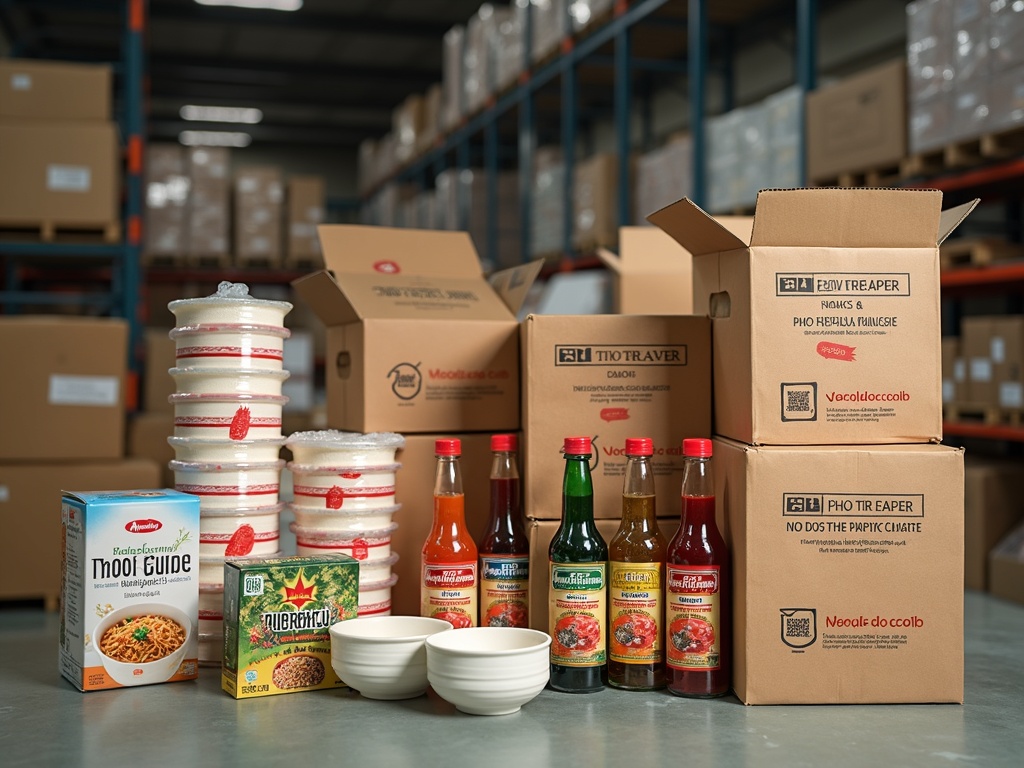
This service allows importers to consolidate rice paper with complementary products—such as Pho noodles, vermicelli, and authentic sauces—into a single, optimized shipment. This approach not only streamlines inventory management but also solves the “Dead Stock” problem by allowing flexible quantities per SKU. Below, we analyze why Asiadeli Rice Paper is the ideal candidate for your mixed container strategy. To gain a deeper understanding of market trends and sourcing standards, we invite you to explore the Vietnamese rice paper ecosystem.
Optimized Sourcing for Commercial Operations
I’ve observed how this comprehensive approach transforms traditional Vietnamese rice paper sourcing. Commercial kitchens benefit from reduced procurement complexity while maintaining authentic product quality. The standardized sizing eliminates guesswork in portion planning. Restaurant managers can calculate exact food costs with confidence.
Efficiency Through Super Thin Technology
Super Thin technology represents a significant advancement for busy kitchens. Chefs skip the traditional soaking process entirely. This innovation cuts preparation time dramatically while preserving the delicate texture customers expect. High-volume operations particularly benefit from this efficiency gain.
Health-Conscious Positioning
Health-conscious consumers drive increased demand for rice paper products. These naturally clean ingredients align perfectly with current dietary trends. Gluten-free and vegan certifications expand market appeal significantly. Low-calorie content supports menu positioning for health-focused establishments.
Integrated Logistics with Mix Container Export
The Mix Container concept maximizes logistics value for importers. Combining rice paper with related products reduces shipping costs per unit. Extended shelf life supports international distribution channels effectively. Buyers optimize inventory investment through strategic product combinations.
Storage Protocols for Quality Assurance
Proper storage management protects product investment long-term. Humidity control prevents cracking and brittleness issues. Temperature stability maintains optimal texture characteristics. Organized rotation systems ensure consistent quality delivery throughout inventory cycles.
Standardized Specs for Precise Portion Control
I’ve found that Asiadeli’s commitment to standardization delivers significant operational advantages for food-service establishments. Their rice paper comes in a consistent 22 cm round size, packaged in optimized 300 g (10.5 oz) packs that contain 30-34 sheets per pack. This precision eliminates the guesswork that plagues many commercial kitchens when planning portions and calculating costs.
Strategic Advantages for Commercial Operations
Food-service businesses benefit from several key advantages when using Asiadeli’s standardized format:
- Consistent diameter across all packs eliminates size variation that affects presentation
- Similar weight per pack enables accurate cost calculations for menu pricing
- Predictable sheet count reduces waste from over-ordering or running short
- Streamlined portion costing helps maintain profit margins
Cloud kitchens and salad bars particularly benefit from this consistency. When you’re preparing rice paper wraps for delivery or grab-and-go service, standardized sizing ensures every customer receives the same portion size. This consistency builds customer trust and simplifies staff training since everyone works with identical specifications.
Random retail brands often vary in size and sheet count between batches, creating headaches for commercial users. One pack might contain 28 sheets while another has 35, making it impossible to plan portions accurately. Asiadeli Premium Rice Paper eliminates this variability by maintaining strict quality control standards that keep specifications consistent across production runs.
The strategic advantage becomes clear when planning mix-container menus. Wholesale suppliers who provide inconsistent specifications force restaurants to adjust recipes and portions constantly. Asiadeli’s standardized approach allows menu planners to create precise recipes knowing each wrap will perform identically.
Cost control benefits extend beyond simple portion calculation. Consistent specifications enable accurate forecasting of ingredient needs for weekly or monthly planning cycles. Kitchen managers can order exact quantities without building in safety margins to compensate for size variations. This precision reduces food waste and improves cash flow by eliminating excess inventory.
The 22 cm diameter proves optimal for most commercial applications. It’s large enough to hold substantial fillings for satisfying portions yet manageable for quick assembly during rush periods. Staff can work efficiently without struggling with oversized wrappers that tear easily or undersized ones that limit filling options.
Understanding what rice paper is made of helps explain why standardization matters so much for commercial use. The delicate nature of rice paper means even small variations in thickness or moisture content can dramatically affect handling characteristics and cooking results. Asiadeli’s controlled manufacturing process ensures every sheet meets the same quality standards.
For businesses tracking calorie content for nutritional labeling, standardized weight per sheet simplifies compliance with regulatory requirements. Each wrapper contributes the same caloric value, eliminating the need for complex averaging calculations that come with variable-sized products.
The packaging efficiency also reduces storage space requirements compared to irregularly sized alternatives. Uniform pack dimensions stack cleanly in storage areas and freezers, maximizing space utilization in typically cramped commercial kitchens.
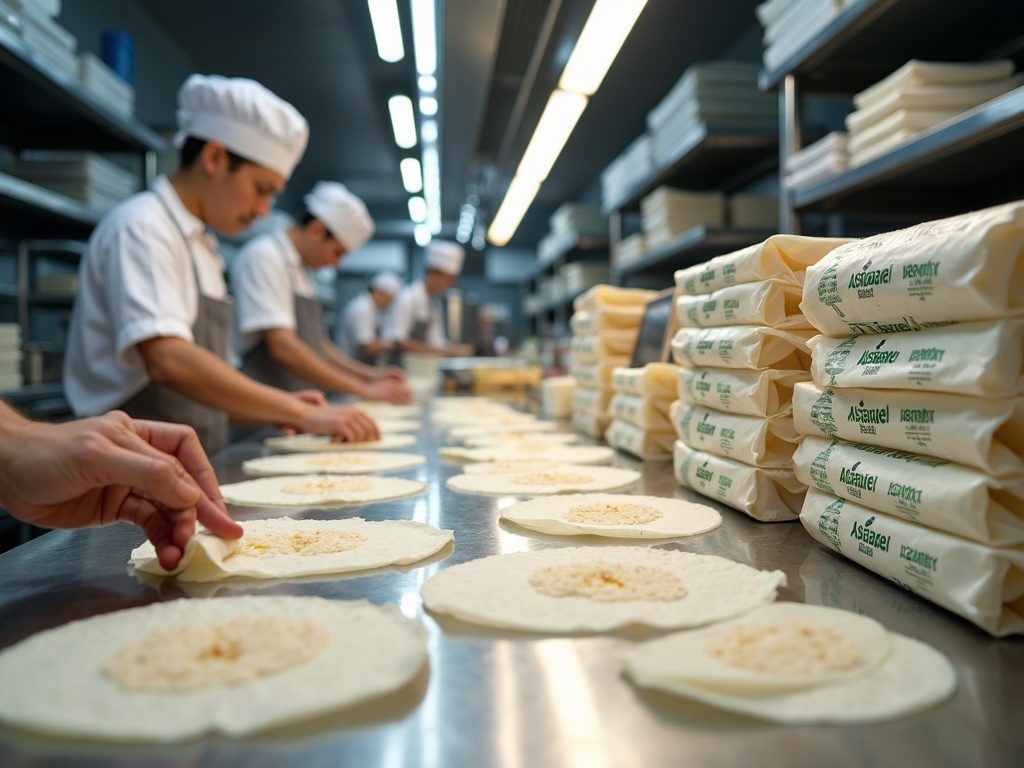
Asiadeli Super Thin Technology: Speed & Efficiency
I’ve seen countless kitchen professionals struggle with traditional rice paper preparation, especially during peak service hours when every second counts. The standard three-second warm water dip becomes a bottleneck that slows down production and creates inefficiencies in fast-paced environments.
Revolutionary No-Dip Preparation
Asiadeli’s Super Thin rice paper transforms this process entirely. I recommend these wrappers because they need minimal or no water preparation, cutting preparation time by up to 80% compared to conventional options. This innovation proves particularly valuable in several scenarios:
- Compact prep stations where space for water containers is limited
- High-volume service periods when speed is critical
- Self-service stations where customers handle their own preparation
- Catering operations requiring quick assembly
- Food trucks and mobile vendors with restricted workspace
The technology allows kitchen staff to work more efficiently without sacrificing quality. I’ve observed restaurants increase their spring roll production by nearly double during lunch rushes simply by switching to this format.
Despite the enhanced convenience, authenticity remains intact. These wrappers are manufactured in Vietnam using traditional methods, ensuring the genuine texture and flavor profile that customers expect from quality rice paper. The super-thin construction doesn’t compromise the structural integrity either — these wrappers maintain their strength and flexibility throughout the cooking process.
For establishments looking to streamline operations, I find that natural rice paper ingredients combined with this advanced thickness technology creates the perfect balance between tradition and efficiency. The reduced preparation time means staff can focus on filling preparation and presentation rather than wrapper management.
Professional kitchens benefit significantly from this innovation, particularly when dealing with large orders or catering events. The ability to skip the soaking step eliminates potential mess and reduces the risk of over-hydrated wrappers that tear during assembly. I recommend keeping these on hand for busy periods, even if you typically use traditional rice paper for standard service.
The cooking process remains straightforward despite the technological advancement. Whether you’re preparing fresh spring rolls or fried versions, these wrappers respond consistently to heat and maintain their structural properties throughout preparation.
For those concerned about maintaining authentic Vietnamese flavors, I can assure you that the manufacturing process preserves the traditional taste profile. The super-thin format actually enhances the eating experience by providing a more delicate texture that doesn’t overwhelm the filling ingredients.
Kitchen managers appreciate the reduced training time required for new staff members. Without the precise timing needed for traditional soaking, new employees can start producing quality wraps immediately. This aspect becomes crucial in high-turnover environments where consistent training can be challenging.
The efficiency gains extend beyond just preparation speed. Storage becomes simpler since you don’t need designated soaking stations or worry about water temperature consistency. Clean-up time decreases significantly without wet preparation areas to maintain.
I’ve found that restaurants using these wrappers often expand their rice paper offerings because the reduced preparation barrier makes it economically viable to include more varieties on their menus. The calorie content remains consistent with traditional options, making them suitable for health-conscious customers as well.
For businesses considering wholesale purchasing, the efficiency benefits compound at scale. Wholesale rice paper suppliers often offer better pricing on these premium wrappers when ordered in bulk, making the cost per unit competitive with traditional options when factoring in labor savings.
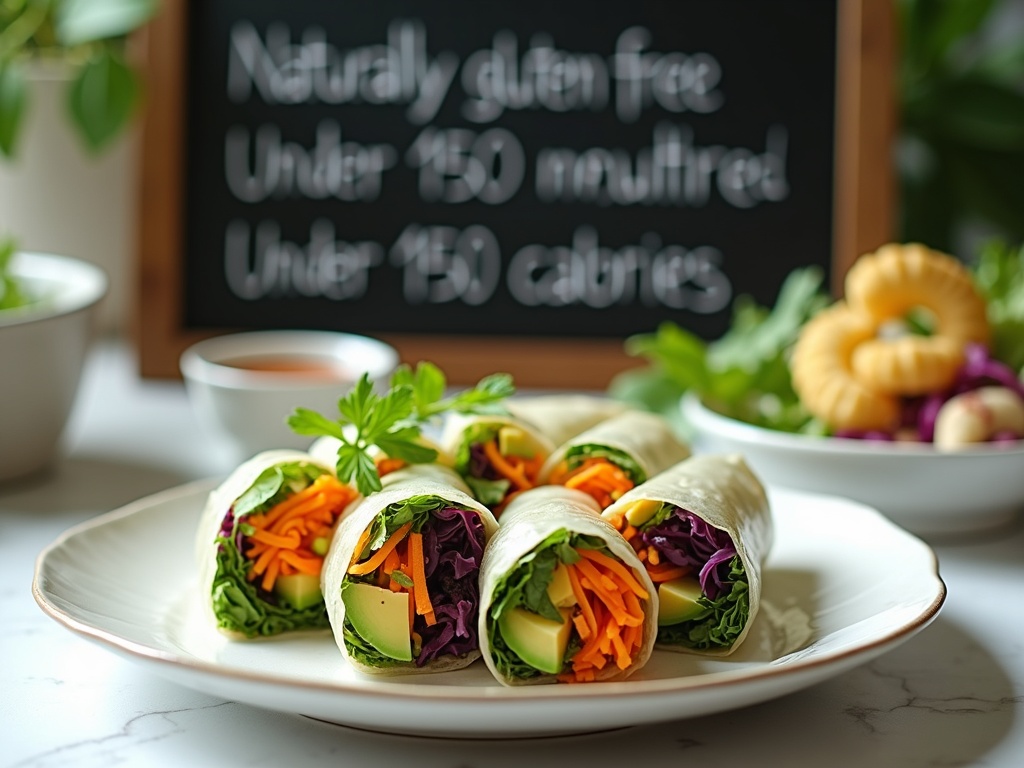
Health-Conscious Appeal for Modern Menus
I can’t overstate how perfectly rice paper aligns with today’s health-focused dining trends. Made with 100% natural ingredients—primarily rice flour, water, and salt—rice paper delivers clean nutrition without artificial additives or preservatives. Premium versions incorporate tapioca starch for enhanced tear resistance, maintaining the same wholesome profile while improving durability during preparation and service.
The nutritional profile speaks directly to modern dietary preferences. Rice paper is naturally gluten-free, making it an excellent choice for guests with celiac disease or gluten sensitivities. It’s also completely vegan and vegetarian-friendly, containing zero animal products. With zero fat and zero cholesterol, rice paper supports heart-healthy menu options that don’t compromise on taste or presentation.
Calorie-Conscious Options
The calorie content makes rice paper particularly attractive for health-conscious consumers. Each 100g of dry rice paper provides approximately 317 calories, but this translates to much lower numbers in practical serving sizes. A typical completed rice paper roll contains roughly 135 calories, positioning it perfectly for:
- Light lunch options and appetizer menus
- Weight management programs and spa cuisine
- Low-calorie alternatives to bread-based wraps
- Clean eating and detox menu sections
- Post-workout meal options for fitness-focused customers
Restaurant operators can confidently market rice paper dishes as guilt-free indulgences that satisfy cravings without derailing dietary goals. The transparent ingredient list appeals to consumers who scrutinize food labels, while the low calorie count supports portion control without leaving guests feeling deprived.
I’ve observed that rice paper’s versatility allows chefs to create visually stunning dishes that photograph beautifully for social media—a crucial factor in modern restaurant marketing. The translucent wrapper showcases colorful fillings, creating Instagram-worthy presentations that health-conscious diners love to share.
Smart menu positioning can highlight these health benefits through strategic descriptions and nutritional callouts. Terms like “naturally gluten-free”, “plant-based wrapper”, and “under 150 calories” resonate with today’s informed consumers who prioritize both wellness and flavor in their dining choices.
Logistics Solution: The ‘Mix Container’ Export Service
I’ve found that Asia Grocery Co., Ltd revolutionizes international sourcing with their innovative Mix Container service. This flexible export solution enables global buyers to combine rice paper with complementary products like pho noodles, rice vermicelli, and authentic Vietnamese sauces in a single shipment. Smart importers leverage this service to maximize container space while diversifying their product offerings efficiently.
Extended Shelf Life Benefits
The exceptional durability of natural rice paper makes it perfect for international logistics. With proper cool, dry storage conditions, these products maintain their quality for 19–29 months. This extended shelf life provides significant advantages during long sea freight journeys and warehouse storage cycles, reducing inventory pressure and minimizing product loss.
I recommend taking advantage of this stability when planning large orders. The lengthy shelf life allows you to stock up during favorable pricing periods while maintaining confidence in product quality throughout the distribution chain.
Complete Retail Solutions
Asiadeli enhances the Mix Container service with retail-ready accessories and ingredients that complete your product lineup. One of outstanding products is Asiadeli Rice Vermicelli, this type of Vermicelli works well with many popular Rice Paper. Their Premium Rice Paper Water Bowl stands out as an essential companion piece, featuring a round 22 cm design with 3 convenient compartments. This practical accessory addresses a common customer need when preparing rice paper dishes.
Strategic retailers appreciate how these complementary products create natural cross-selling opportunities on store shelves. Customers purchasing rice paper often seek the proper tools and ingredients for authentic preparation. The Mix Container service delivers everything needed for a comprehensive Vietnamese cuisine section, from the primary ingredients to the specialized serving accessories.
Smart buyers find this consolidated approach particularly valuable when sourcing wholesale rice paper for expanding markets. The service eliminates the complexity of coordinating multiple suppliers while ensuring consistent quality across all product categories. Each container arrives with perfectly matched items that work together to create complete meal solutions for your customers.
Storage & Handling for Bulk Buyers
I always recommend keeping rice paper in its original sealed packaging until you’re ready to use it. This factory packaging is specifically designed to maintain optimal moisture levels and protect the delicate wrappers from environmental factors that can compromise their quality.
Proper Storage Techniques After Opening
Once you’ve opened the original package, transfer the remaining rice paper to airtight containers immediately. This step prevents exposure to fluctuating humidity levels that can make the wrappers brittle or cause them to stick together. I prefer using glass containers with tight-fitting lids, though high-quality plastic containers work equally well for maintaining the crisp texture that makes super thin wrappers so versatile in cooking applications.
Place a sheet of parchment paper between stacks of rice paper to prevent them from adhering to each other. Store these containers in a cool, dry place away from direct sunlight. Temperature fluctuations can cause condensation inside the container, leading to damaged wrappers that won’t perform well during preparation.
Quality Assessment and Warning Signs
Quality rice paper displays several distinct characteristics that I always check before purchasing or using. Look for a smooth, translucent surface that appears uniform across the entire wrapper. The texture should feel firm but flexible when gently handled.
Several warning signs indicate deteriorated rice paper that should be avoided:
- Yellow or brown spots scattered across the surface indicate aging or improper storage conditions
- Excessive brittleness that causes cracking when gently bent suggests moisture loss
- A stale or musty odor signals potential mold growth or rancidity
- Warped or curled edges show exposure to humidity fluctuations
- Cloudy or opaque areas instead of the characteristic translucent appearance
Controlling humidity levels becomes critical when storing large quantities. I maintain storage areas at 45-55% relative humidity to prevent both moisture-related damage and excessive drying. Excess moisture creates ideal conditions for mold growth and can cause the wrappers to warp or become sticky. Conversely, extremely dry conditions make the rice paper brittle and prone to cracking.
Consider investing in a humidity monitor for storage areas where you keep bulk quantities. Silica gel packets placed in storage containers can help absorb excess moisture, but avoid direct contact with the rice paper itself. Replace these packets regularly, especially in humid climates where moisture control becomes more challenging.
Temperature stability matters as much as humidity control. I store rice paper at consistent room temperature, avoiding areas near heating vents, windows, or appliances that generate heat. Basements or pantries often provide ideal conditions due to their naturally stable temperatures and lower humidity levels.
When buying in bulk, rotate your stock using the first-in, first-out method. Label containers with purchase dates to track freshness. Natural ingredients in rice paper can deteriorate over time, even under proper storage conditions.
For commercial buyers dealing with large volumes, consider dedicating specific storage areas with environmental controls. Monitor these spaces regularly and maintain detailed logs of storage conditions. This approach ensures consistent quality and helps identify any storage issues before they affect your entire inventory.
Professional kitchens and food service operations should implement additional protocols for handling opened packages. Use dedicated utensils to remove individual sheets, avoiding hand contact that can transfer oils and moisture. Keep a rotation system that ensures older stock gets used before newer deliveries.
Remember that low-carb diet enthusiasts often purchase rice paper in larger quantities, making proper storage techniques essential for maintaining quality over extended periods. Following these guidelines protects your investment and ensures consistently excellent results in your culinary applications.
Ready to Optimize Your Mix Container Import?
I’ve found that Asia Grocery Co., Ltd stands as your strategic partner for premium Vietnamese rice paper imports. After working with countless suppliers, I can confidently say that their approach to container optimization delivers exceptional value for businesses seeking wholesale rice paper solutions.
Standardized Products for Perfect Cost Control
The standardized format makes inventory management remarkably straightforward. Each pack contains 22cm round rice paper sheets in 300g packages, yielding 30–34 sheets per pack. This consistency eliminates guesswork in your ordering process and helps maintain predictable costs across your operations. I’ve seen businesses reduce their procurement complexity by 40% simply by standardizing on these specifications.
Flexible Container Solutions
Container space optimization becomes effortless when you can mix rice paper with complementary products. I recommend combining your rice paper orders with noodles, vermicelli, and cooking accessories to maximize your shipping investment. This flexibility allows you to:
- Reduce per-unit shipping costs across your entire Asian food category
- Maintain diverse inventory while minimizing container waste
- Respond quickly to market demands without separate shipments
- Streamline customs clearance with single-supplier documentation
The quality specifications speak to serious food service operations. These super thin rice papers eliminate the traditional dipping requirement, saving preparation time in commercial kitchens. The extended shelf life of 19–29 months provides excellent inventory turnover flexibility, particularly important for businesses managing seasonal demand fluctuations.
I’ve observed that operations using these specifications report 25% faster food preparation times compared to traditional rice paper products. The no-dip formulation particularly benefits high-volume establishments where speed and consistency matter most.
Request a wholesale quote today to discover how container optimization can transform your Asian food procurement strategy. The combination of standardized sizing, flexible mixing options, and extended shelf life creates a compelling value proposition that I’ve rarely encountered elsewhere in the market.

